
2015 Utility Trailers For Sale in Colorado
Shop 2015 Utility trailers in Colorado, including dry vans, reefers, flatbeds, and drop decks built for regional, long-haul, and fleet use.
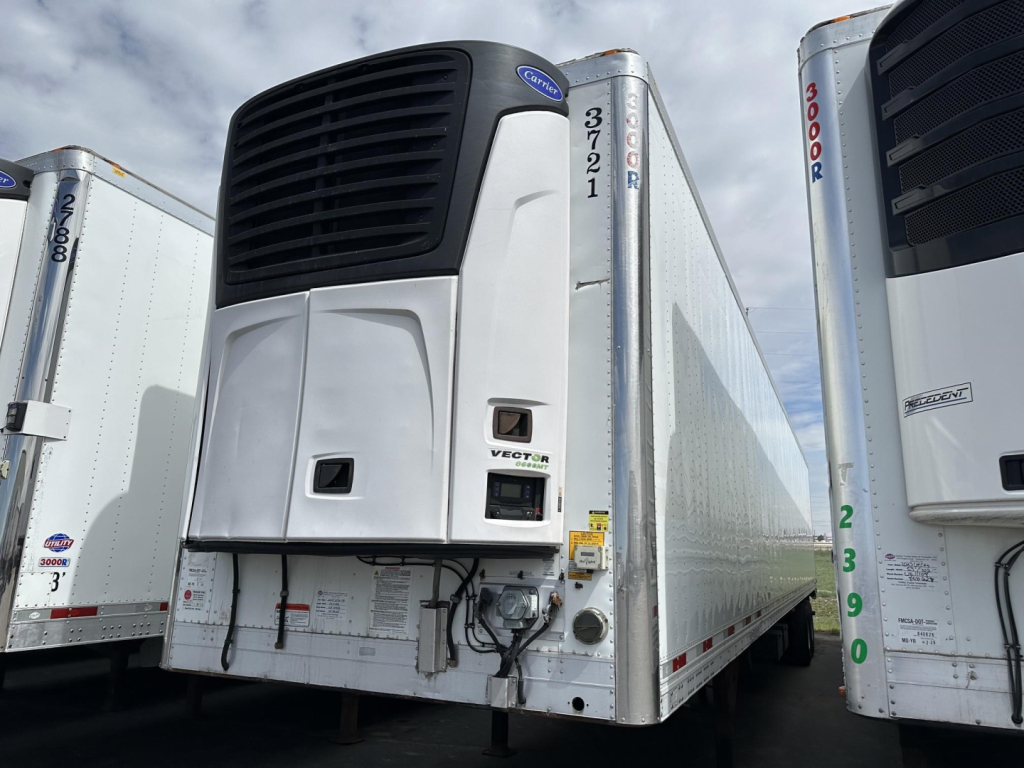
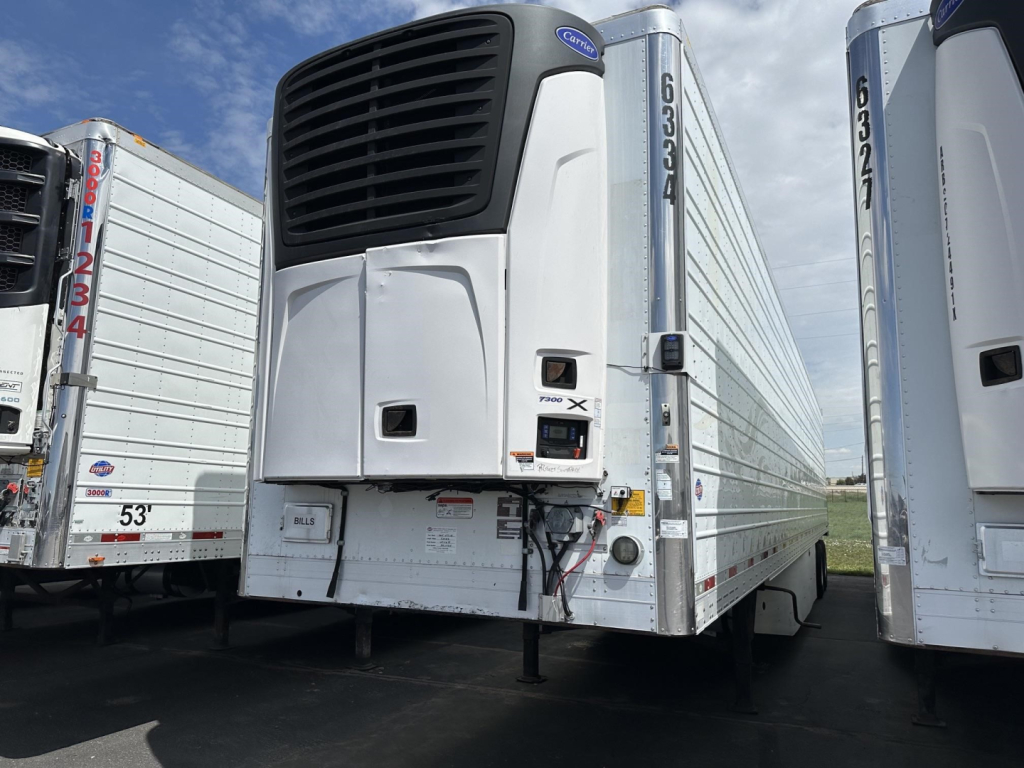
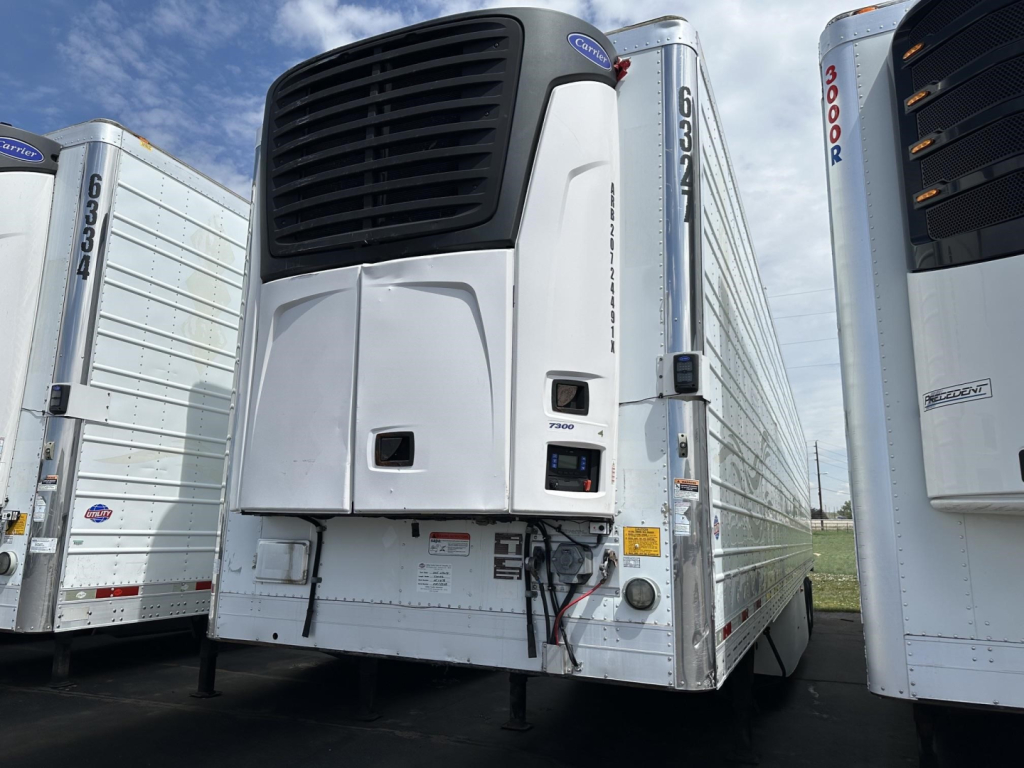
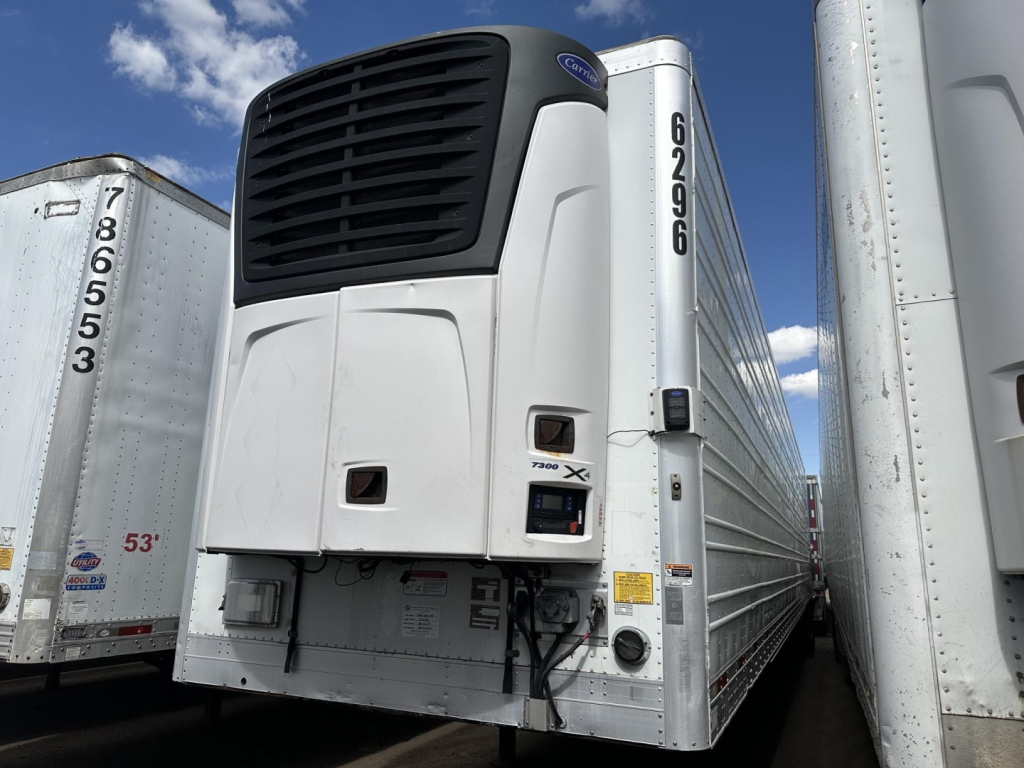
Selling a 2015 utility trailer? List your 2015 utility trailer for sale and reach thousands of commercial buyers.
2015 Utility Trailers in Colorado
For dry van applications, Utility trailers are commonly seen in the 4000D-X family, also known as dry freight vans or enclosed van trailers. Buyers should look closely at the floor type, threshold plate, rear frame condition, roof bows, and interior logistics layout. Composite wall panels, scuff liners, logistic posts, swing doors, and air-ride slider tandems are common on fleet-spec units. In Colorado, van buyers should pay attention to corrosion around the rear sill, crossmember condition, and signs of hard dock use, especially on trailers that spent time in grocery, parcel, or high-turn LTL service. Tire inflation systems, anti-dock walk setups, and side skirts can add value if the trailer will stay in linehaul service.
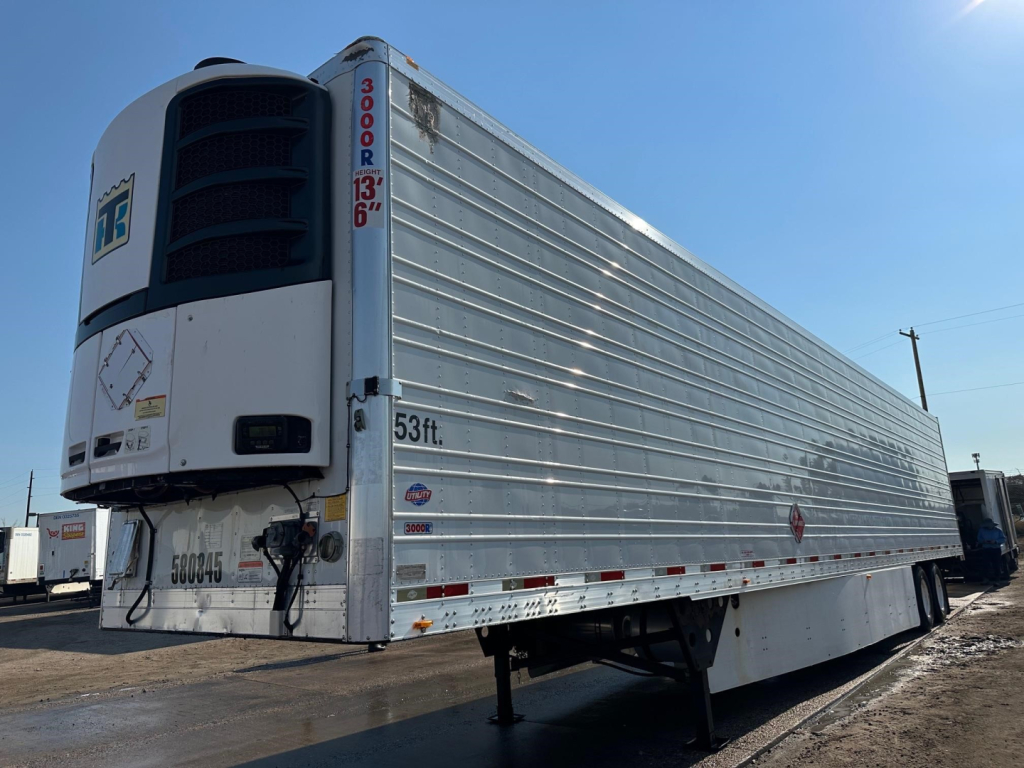
If the trailer is a reefer, focus on both the box and the refrigeration platform. Utility reefers are widely used because of their insulated body design, duct floor layouts, and strong parts support, but reefer value depends heavily on unit hours, maintenance history, and evaporator and bulkhead condition. For flatbed and drop deck buyers, Utility aluminum and combo designs are popular for their lighter weight and freight flexibility. Common specs include steel main beams, aluminum crossmembers, stake pockets, winch tracks, sliding winches, nail strips, and coil packages. In mountain and mixed regional service, axle spread, air-ride suspension, tire size, and brake type all matter because they affect payload, bridge compliance, and how well the trailer handles varied terrain and frequent elevation changes.
A 2015 model year buyer should also think in terms of remaining life rather than just age. Check kingpin wear, suspension bushings, brake history, wheel-end maintenance, and the condition of the underside before comparing price alone. Dry vans and reefers may have been used in high-mileage fleet rotation, while flatbeds and drop decks may show more concentrated wear around securement points and deck structure. Utility trailers tend to hold appeal with both small fleets and owner-operators because they are familiar, widely accepted by shippers, and straightforward to keep in service when spec'd correctly for the job.
Frequently Asked Questions about 2015 Utility Trailers in Colorado
What types of 2015 Utility trailers are most commonly available?
The most common 2015 Utility trailers on the used market are dry vans, refrigerated trailers, flatbeds, and drop decks. Dry vans are typically used for general freight, reefers for temperature-sensitive cargo, and flatbeds or drop decks for machinery, building materials, and freight that requires side loading or overhead loading. Many are 53-foot by 102-inch trailers, but axle layout, suspension, and cargo equipment can vary significantly by original fleet specification.
What should I inspect first on a used 2015 Utility dry van or reefer?
Start with the floor, rear frame, roof, and suspension. On a dry van, check for soft spots in the wood floor, damage at the threshold plate, cracked crossmembers, and excessive dock impact around the rear sill and door frame. On a reefer, inspect the refrigeration unit hours, maintenance records, duct floor condition, bulkhead integrity, door seals, and signs of water intrusion. For both trailer types, kingpin wear, brake condition, tire age, and slider function are high-priority items.
Are 2015 Utility trailers a good fit for Colorado operations?
Yes, if the trailer spec matches the route and freight. Colorado operations often involve mountain grades, temperature swings, and a mix of interstate and regional freight. Air-ride suspension, well-maintained brakes, healthy wheel ends, and proper tire spec matter more in this environment than they might in flatter regions. Reefer buyers should pay special attention to refrigeration performance under high-altitude and hot summer conditions, while flatbed buyers should evaluate deck condition and securement equipment for heavy or irregular freight.
How do Utility flatbeds and drop decks compare for freight flexibility?
A Utility flatbed generally offers simpler loading and broader compatibility for palletized building products, steel, and equipment that can ride on a standard deck height. A drop deck gives added clearance for taller freight by lowering deck height on the main deck section, which can reduce permitting needs on some loads. Buyers should compare deck length, upper deck dimensions, coil package, winch layout, and axle placement because those details affect the type of freight the trailer can legally and efficiently handle.
Do Utility trailers generally hold their resale value well?
Utility trailers are widely recognized in fleet and owner-operator markets, which usually supports resale value compared with lesser-known brands. That said, resale depends more on maintenance, structural condition, and specification than on badge alone. A clean 2015 Utility trailer with solid maintenance history, good tires and brakes, and desirable fleet specs such as air-ride suspension or tire inflation systems will usually attract stronger buyer interest than a neglected unit of the same age.