
2015 Utility Trailers For Sale
Shop 2015 Utility trailers including dry van and reefer models. Compare specs, construction, suspension, tires, and trailer applications.
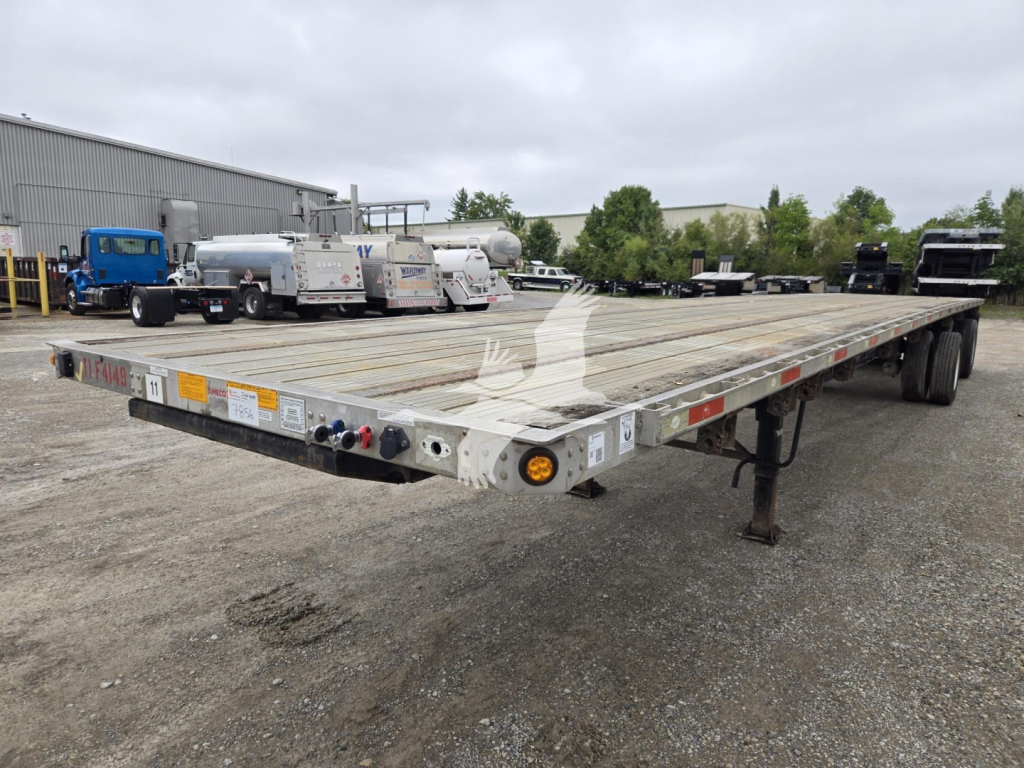
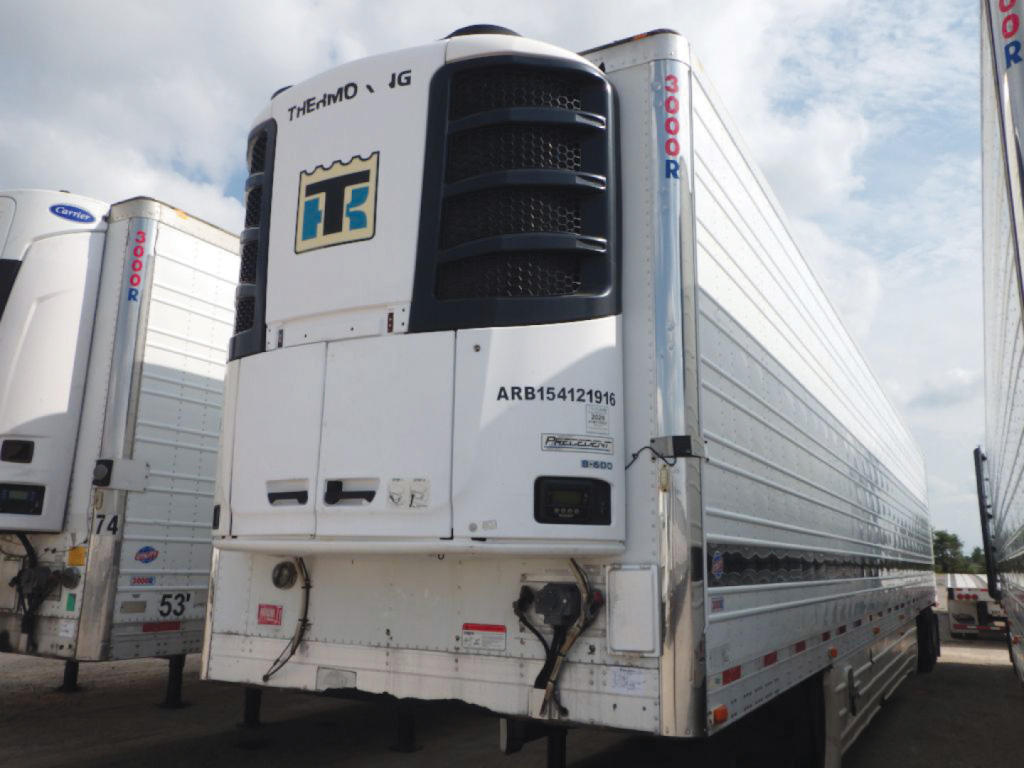
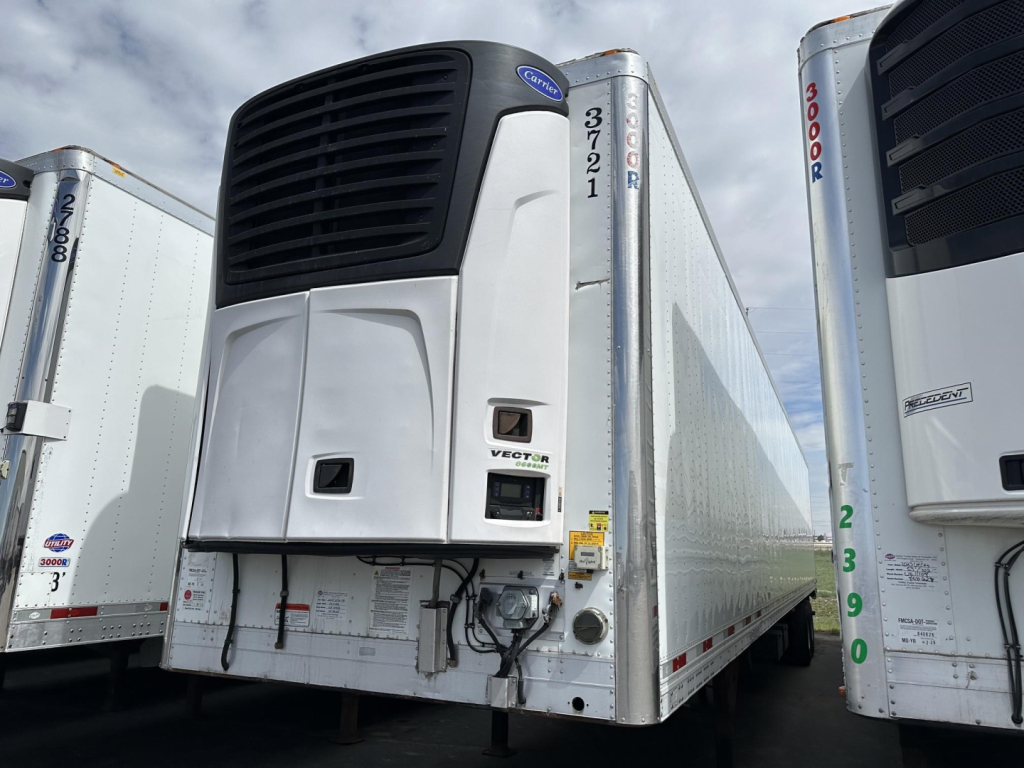
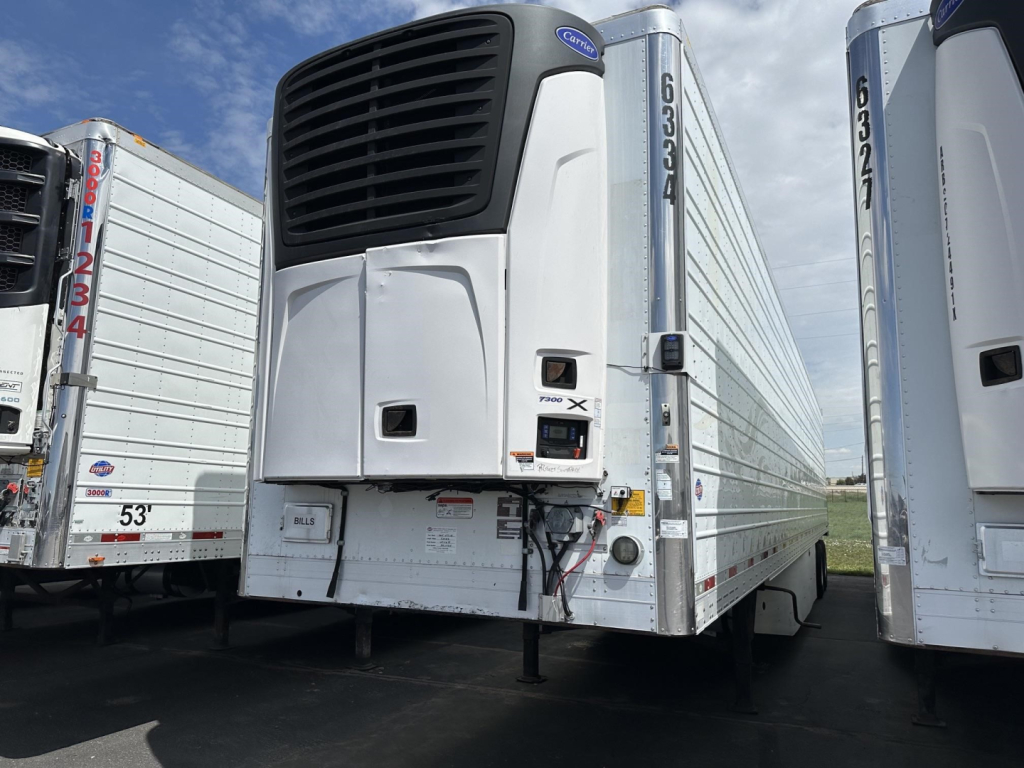
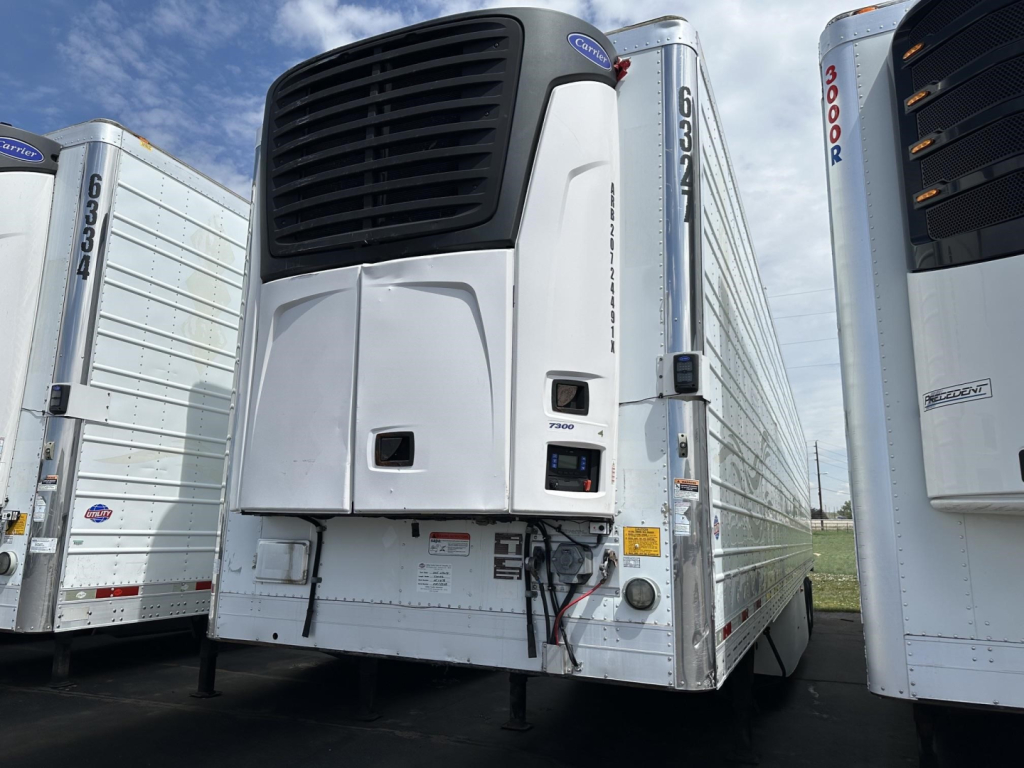
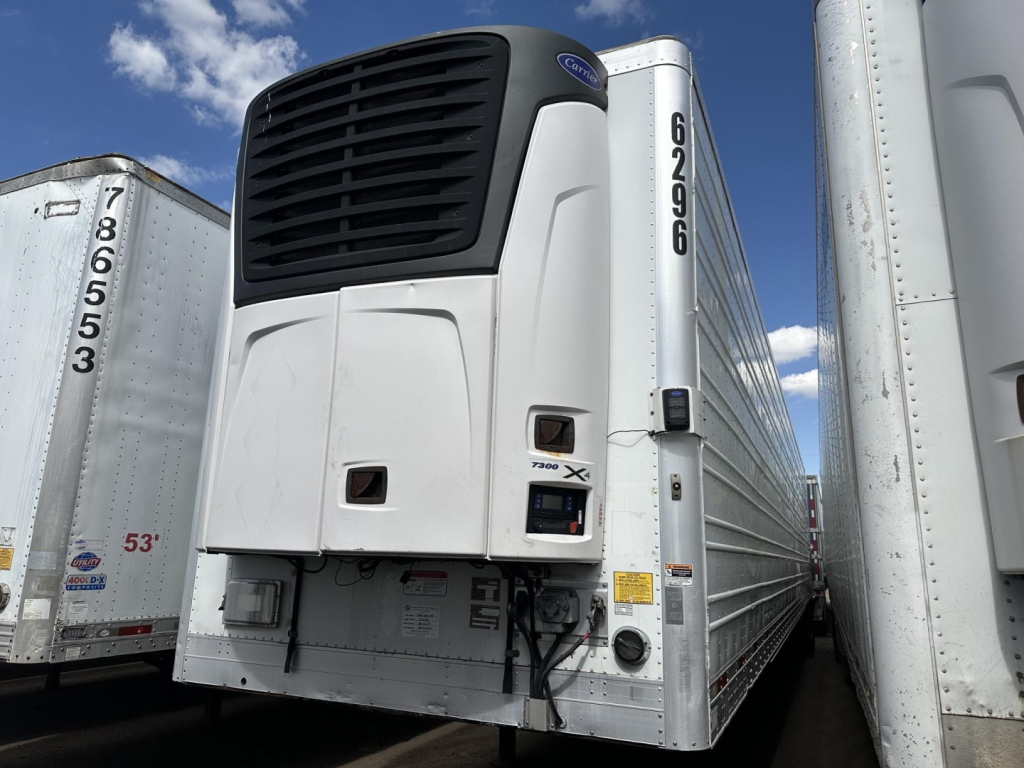
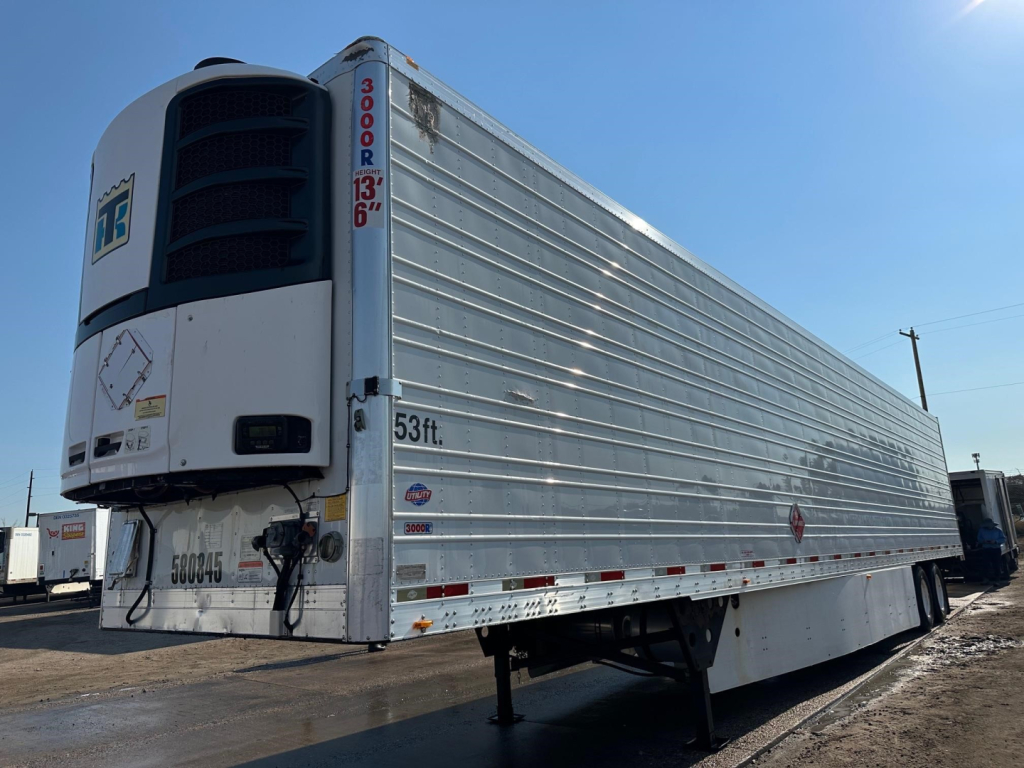
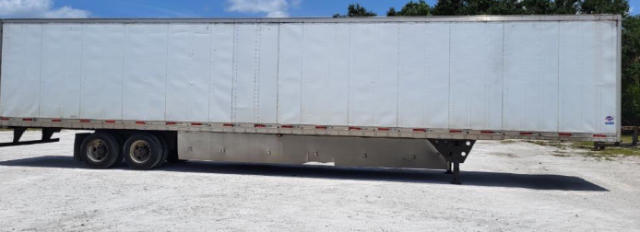
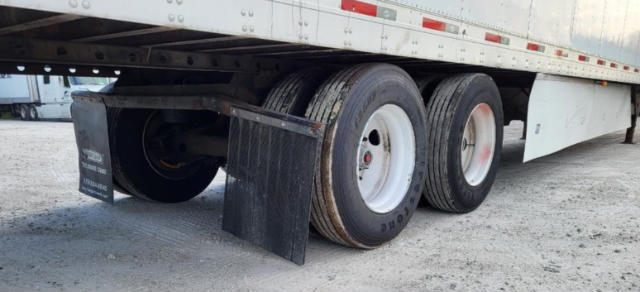
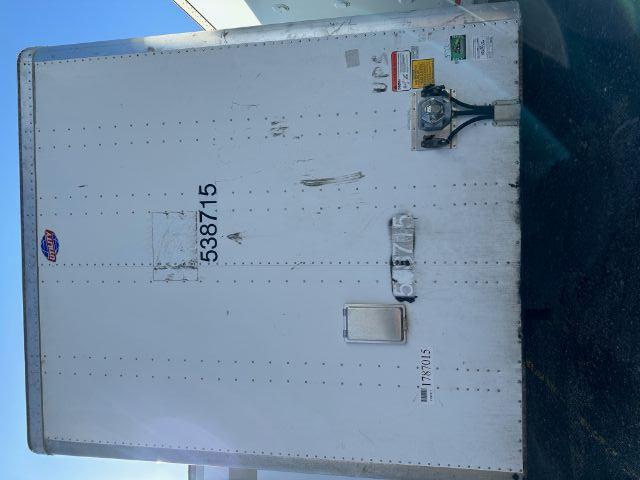

Selling a 2015 utility trailer? List your 2015 utility trailer for sale and reach thousands of commercial buyers.
2015 Utility Trailers
On a 2015 Utility dry van, common items to evaluate include roof condition, sidewall integrity, floor wear, rear frame and door seal condition, and the amount of prior dock impact. Specs such as aluminum versus steel wheels, tire size, axle spacing, suspension type, and kingpin setting all affect weight, serviceability, and how the trailer fits your operation. Utility dry vans are often selected for retail freight, palletized goods, and route lanes where cargo protection matters more than open-deck flexibility. If you are comparing reefer models, pay close attention to the refrigeration unit brand and model, engine hours, operating hours, liner condition, chute setup if equipped, and the condition of the floor and insulation package.
Utility refrigerated trailers from this era are commonly built around a fully insulated trailer body with features such as scuff liners, interior lining systems, and aluminum roofs paired with air ride suspension. Tire inflation systems are also a common spec worth looking for because they can help improve tire life and reduce roadside downtime. Reefer buyers should inspect door closures, drain function, bulkhead setup, and signs of moisture intrusion, since these items directly affect temperature control and product protection. If the trailer has a Carrier or Thermo King unit, service records and fault history matter as much as the trailer structure itself.
A 2015 Utility trailer can be a strong value if the spec matches the lane and the maintenance history is documented. For long-haul van work, focus on floor rating, door hardware, suspension wear, and tire condition. For cold chain use, add refrigeration performance, unit hours, and insulation integrity to the checklist. Utility trailers generally hold broad market appeal because parts support is strong, resale is familiar to buyers, and the brand is widely accepted across fleet, regional, and independent operations.
Frequently Asked Questions about 2015 Utility Trailers
What types of 2015 Utility trailers are most common on the used market?
The most common 2015 Utility trailers are 53-foot dry vans and refrigerated trailers. Dry vans are built for general freight and enclosed cargo protection, while reefer trailers are insulated and equipped with a refrigeration unit for temperature-controlled freight. Tandem axles, air ride suspension, slider tandems, and 22.5-inch wheel packages are all common configurations in this model year.
What should I inspect first on a 2015 Utility reefer trailer?
Start with the refrigeration unit hours, service history, and any active or stored fault codes. Then inspect the trailer body for insulation issues, liner damage, floor wear, door seal condition, and moisture intrusion. A reefer trailer can look clean externally and still have expensive problems in the cooling system or insulated body, so the unit and box should be evaluated together.
Is a 2015 Utility dry van still a good choice for general freight?
Yes, a 2015 Utility dry van can still be a good general freight trailer if the structure and running gear have been maintained. Buyers should focus on floor condition, sidewall repairs, roof leaks, suspension wear, brake condition, and rear frame damage from dock impact. If those areas check out, this model year can offer a cost-effective option for palletized freight, distribution work, and regional or over-the-road lanes.
What specs matter most when comparing 2015 Utility trailers?
The most important specs depend on the application, but buyers usually compare trailer type, trailer length, axle configuration, suspension, wheel material, tire size, slider setup, and kingpin setting. Reefer buyers also need to compare refrigeration unit brand, model, and hours. These details affect empty weight, maintenance cost, loading flexibility, and how easily the trailer can be matched to a specific freight lane or customer requirement.
Do 2015 Utility trailers usually have features that help reduce maintenance costs?
Many do, depending on original fleet spec. Common features include air ride suspension, aluminum wheels on some units, and tire inflation systems on certain reefer trailers. These features can improve ride quality, support tire life, and reduce wear-related downtime. Actual maintenance cost still depends heavily on prior use, repair quality, and whether the trailer received consistent brake, tire, suspension, and door system service.