
2015 Utility Reefer Trailers For Sale in Colorado
Shop 2015 Utility reefer trailers in Colorado. Compare 53-foot refrigerated trailers, reefer unit specs, floors, tandems, and condition.
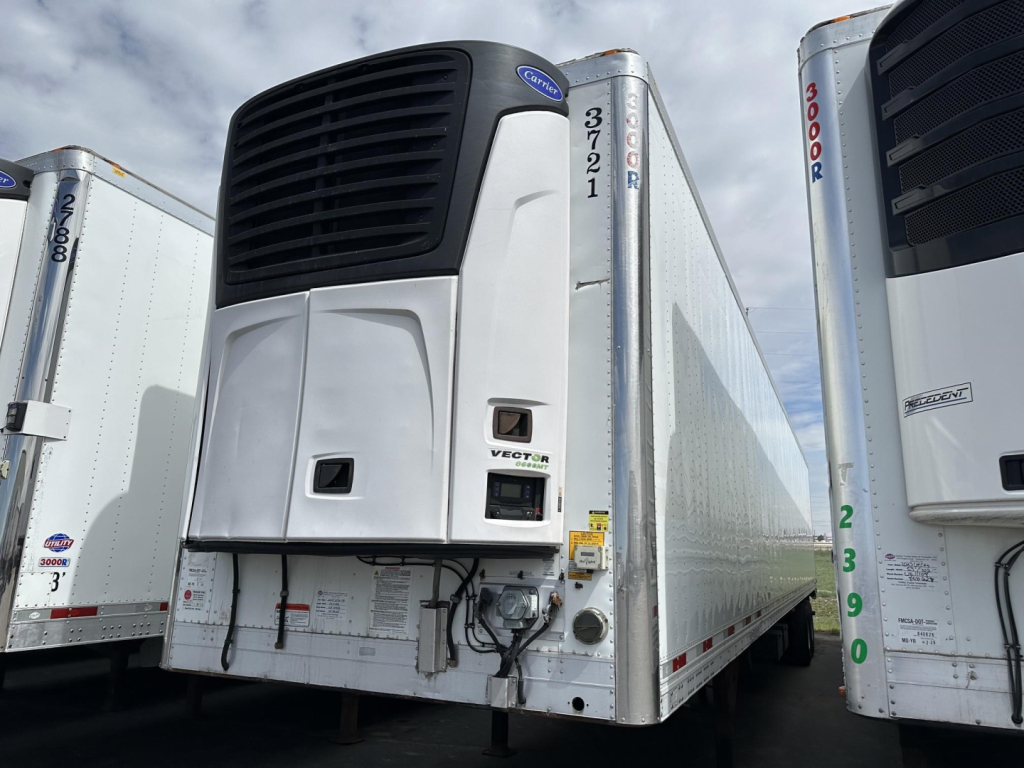
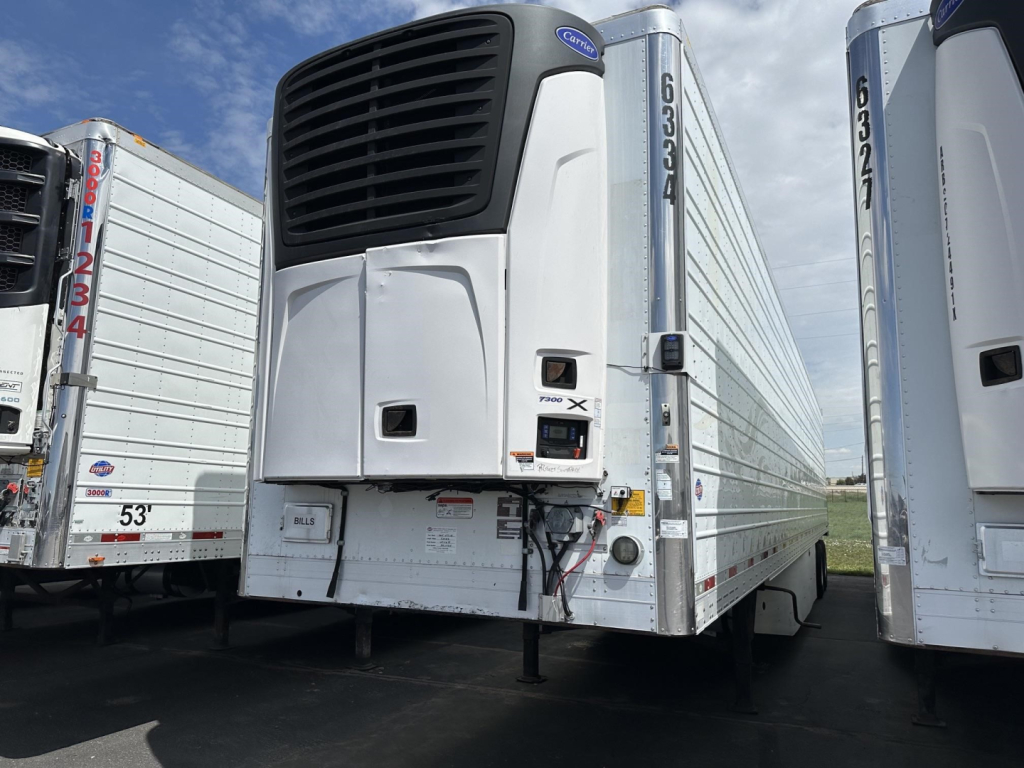
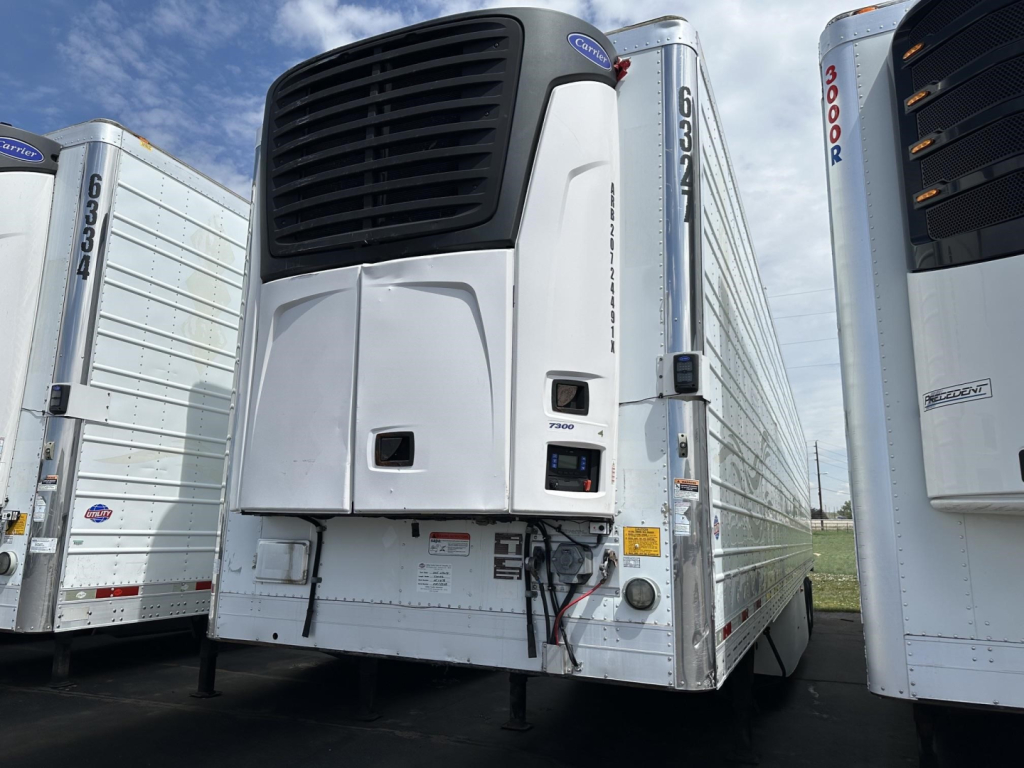
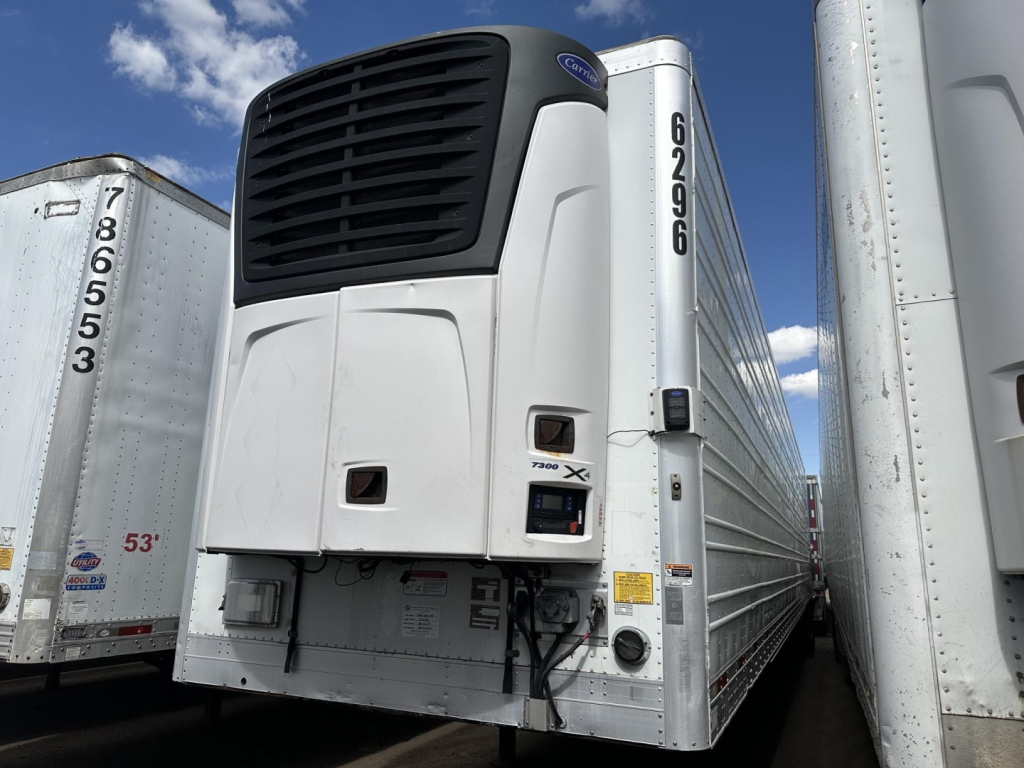
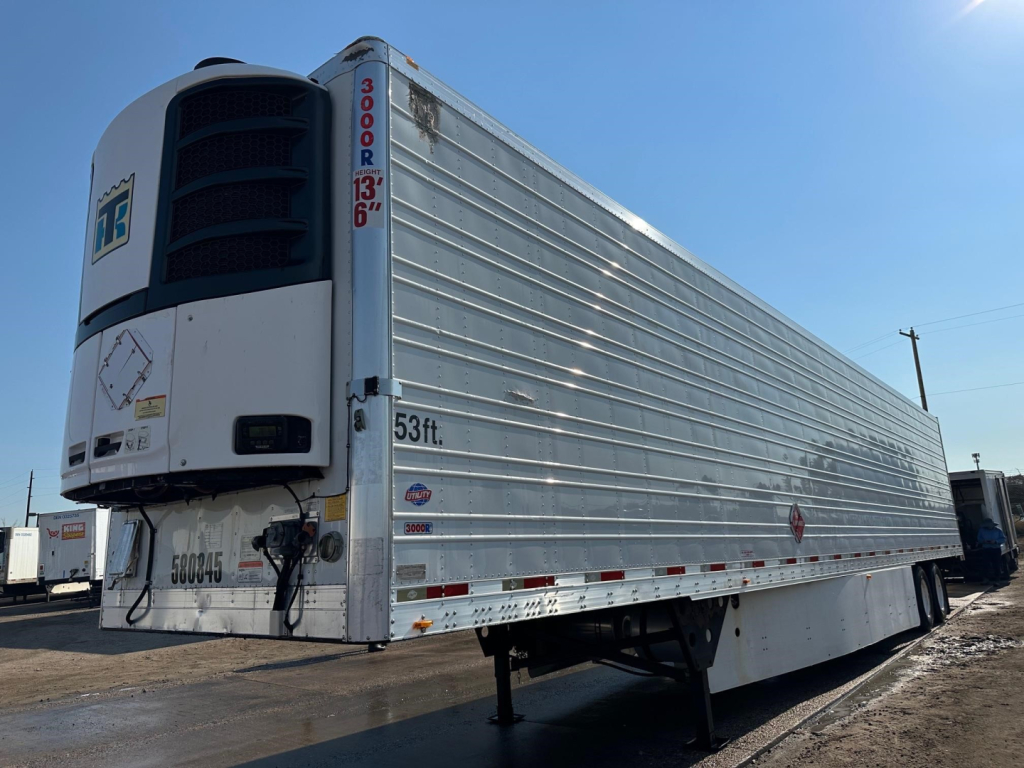
Selling a 2015 utility reefer trailer? List your 2015 utility reefer trailer for sale and reach thousands of commercial buyers.
2015 Utility Reefer Trailers in Colorado
On this age of trailer, the reefer unit matters as much as the box. Many Utility reefers from this period are paired with Carrier or Thermo King units, so unit hours, maintenance records, start-stop operation history, and recent major repairs should be part of the buying decision. A clean pre-trip should include pull-down performance, discharge air consistency, return air accuracy, and inspection of the evaporator, condenser, fuel tank, and control panel. Buyers should also check the floor closely. Aluminum duct floors are common and important for maintaining airflow under the load, but bent channels, patchwork, or heavy forklift damage can reduce cooling efficiency and shorten floor life.
Utility reefer trailers are also known for straightforward specs that suit large fleet operations. Common features include air ride suspension, slider tandems or closed tandem setups, swing doors, low-profile 22.5 tires, side skirts, and stainless or aluminum front corner protection. Corrugated and smooth side panel configurations are both seen in the market. Smooth panels can be easier to keep clean and present well, while corrugated panels may better hide minor cosmetic wear from dock and road use. Rear frame wear, ICC bumper condition, anti-dock protection, scuff liner condition, and the wearband area all deserve attention, especially on trailers that have spent years in heavy dock rotation.
For Colorado buyers, payload and route profile should guide the final spec choice. Mountain grades and long regional lanes make overall empty weight, tire condition, and suspension health more important than they might be in flatter markets. Confirm kingpin setting, tandem slide travel, and axle configuration against your freight mix and customer dock requirements. If the trailer will handle mixed frozen and chilled freight, look at chute equipment, bulkhead setup, and how well the interior has been maintained for multi-temp use. A 2015 Utility reefer trailer can still be a strong earner when the refrigeration system, floor structure, and body sealing have been properly maintained.
Frequently Asked Questions about 2015 Utility Reefer Trailers in Colorado
What should I inspect first on a 2015 Utility reefer trailer?
Start with the refrigeration unit, the trailer body seal, and the floor. Unit hours, service records, and pull-down performance tell you a lot about near-term operating cost. After that, inspect door seals, interior lining, front wall, roof, and aluminum duct floor for air leaks, water intrusion, or forklift damage. On a reefer, small body issues can become temperature-control problems quickly.
Are Utility reefer trailers good for food-grade and grocery work?
Yes. Utility refrigerated trailers are widely used in grocery distribution, foodservice, produce, meat, and dairy hauling. They are known for practical 53-foot specs, common replacement parts, and serviceability across major markets. The main requirement is condition. Food-grade work depends less on brand alone and more on interior cleanliness, odor control, floor condition, door seal integrity, and reliable reefer performance.
How important are reefer unit hours on a used refrigerated trailer?
Reefer unit hours are one of the most important indicators on a used refrigerated trailer, but they should be considered with maintenance history. A higher-hour unit with documented service can be a better buy than a lower-hour unit with poor records. Look for evidence of regular PMs, belt and hose service, sensor replacement, and any major engine or compressor work. Also confirm how the unit was operated, since continuous run and start-stop use affect wear differently.
What trailer specs matter most for Colorado reefer operations?
In Colorado, buyers usually focus on cooling performance at elevation, structural condition, and roadability. Mountain routes put more stress on brakes, tires, wheel ends, and suspension, while major temperature swings make insulation and door seal quality more important. Low empty weight, healthy air ride suspension, strong brakes, and a reefer unit that can hold setpoint under changing ambient conditions are all valuable on regional and mountain lanes.
What is the difference between smooth side panels and corrugated side panels on a reefer trailer?
Smooth panels usually offer a cleaner appearance and can be easier to wash, which matters to some fleets and shippers. Corrugated panels can provide a more durable-looking exterior and may hide minor dents or cosmetic wear better over time. Neither panel style automatically makes one trailer better than another. Buyers should focus more on insulation condition, panel repairs, leak history, and overall body integrity than on appearance alone.