
Van Trailers For Sale in Colorado
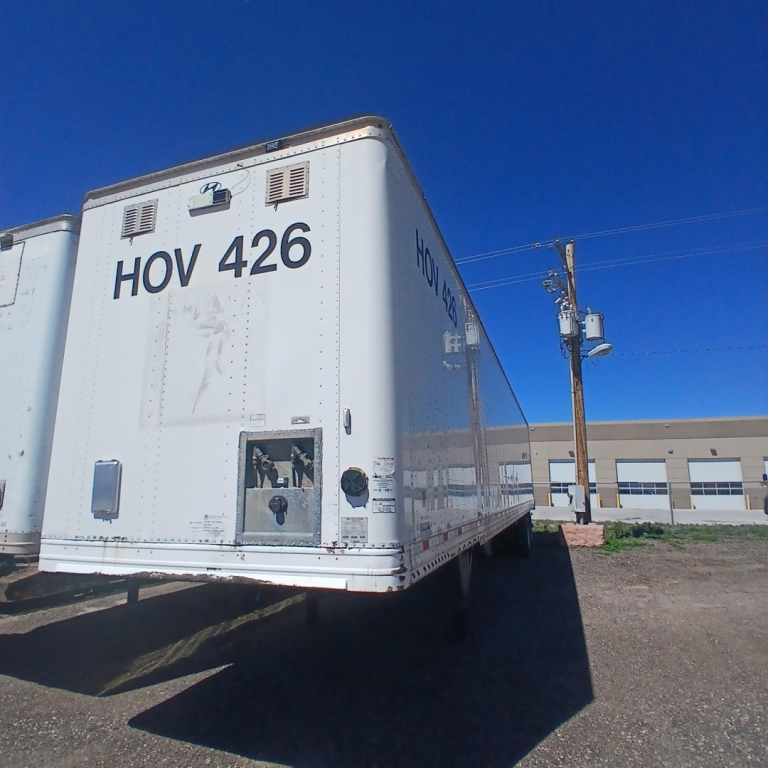
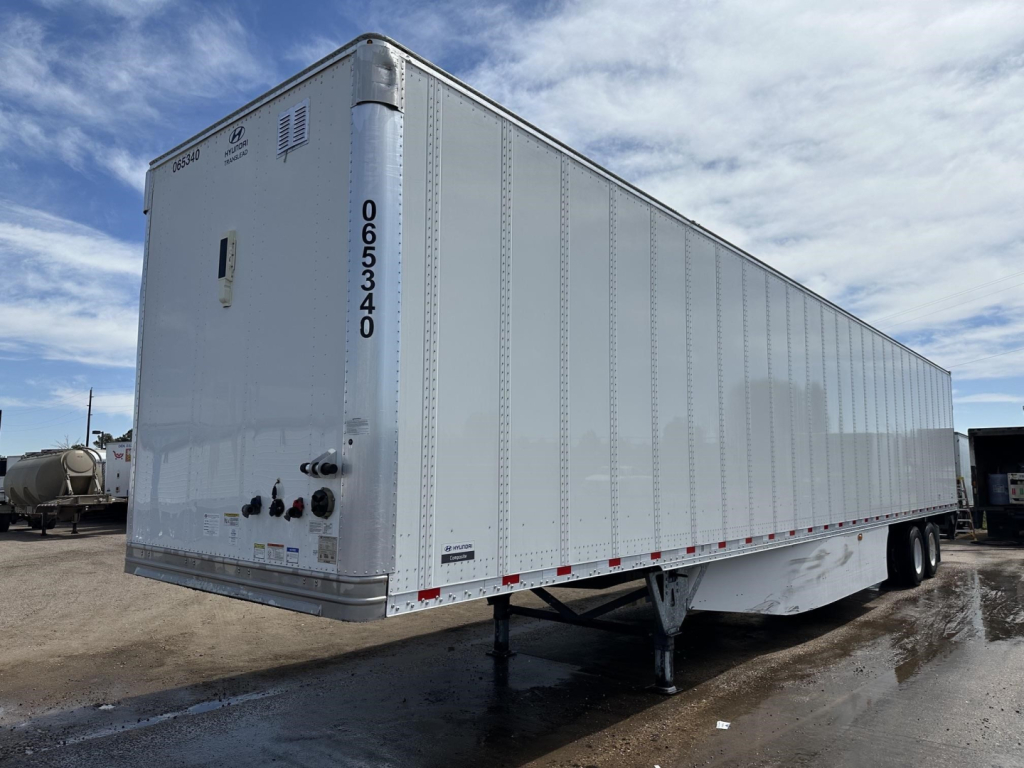
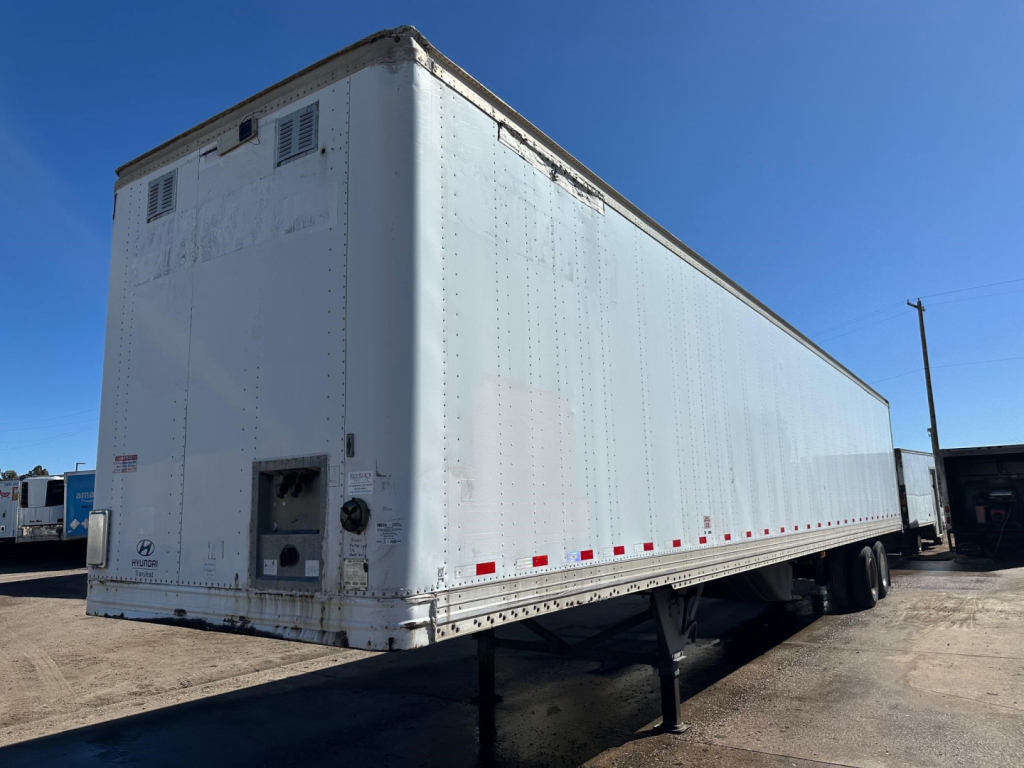
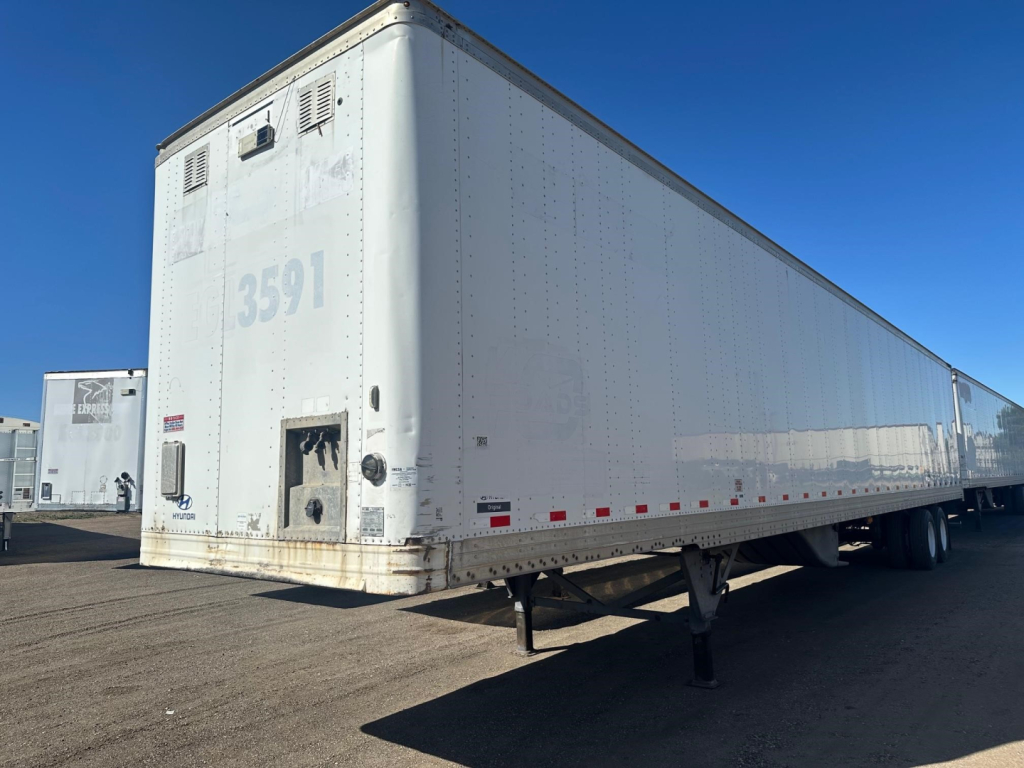
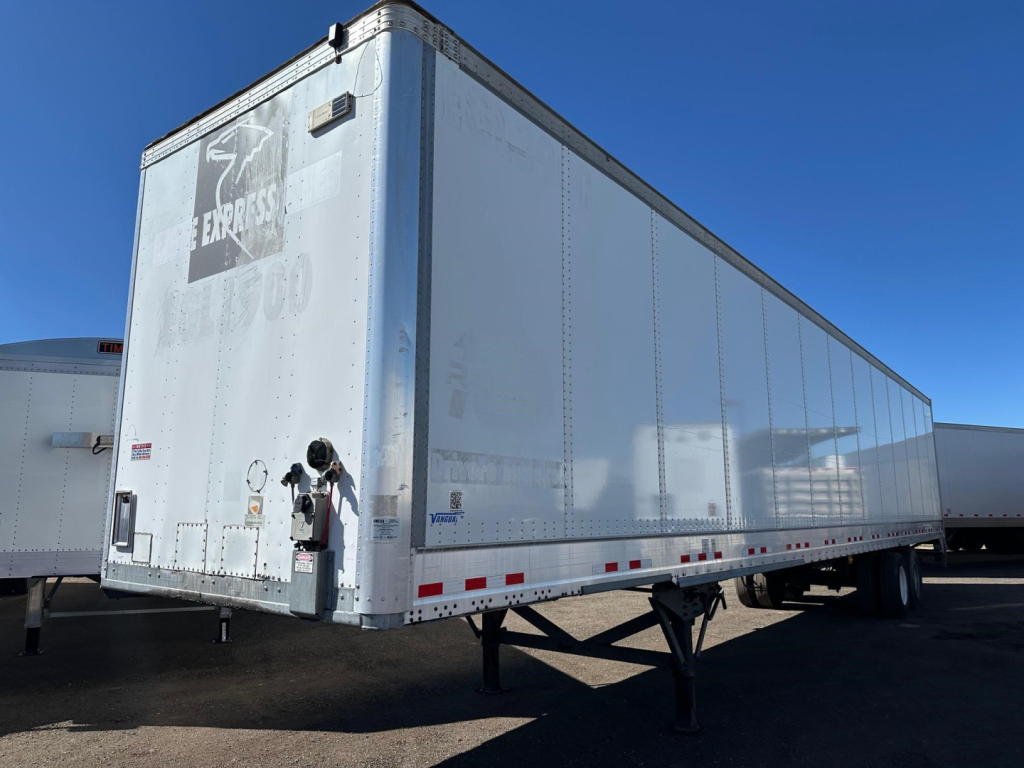
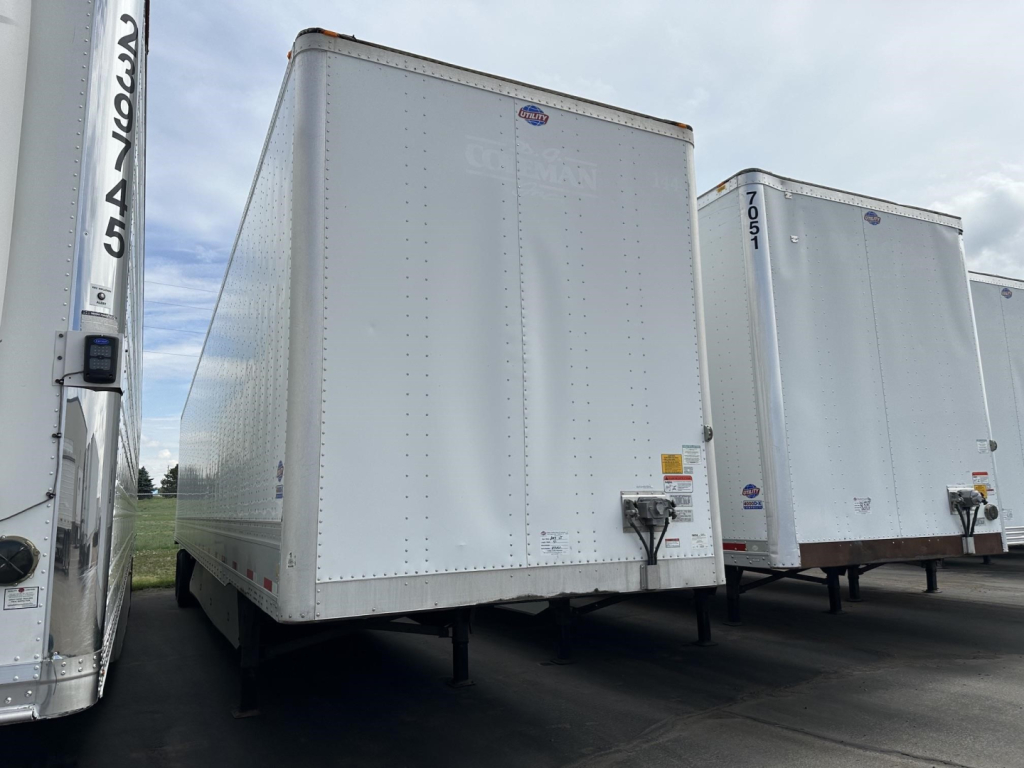
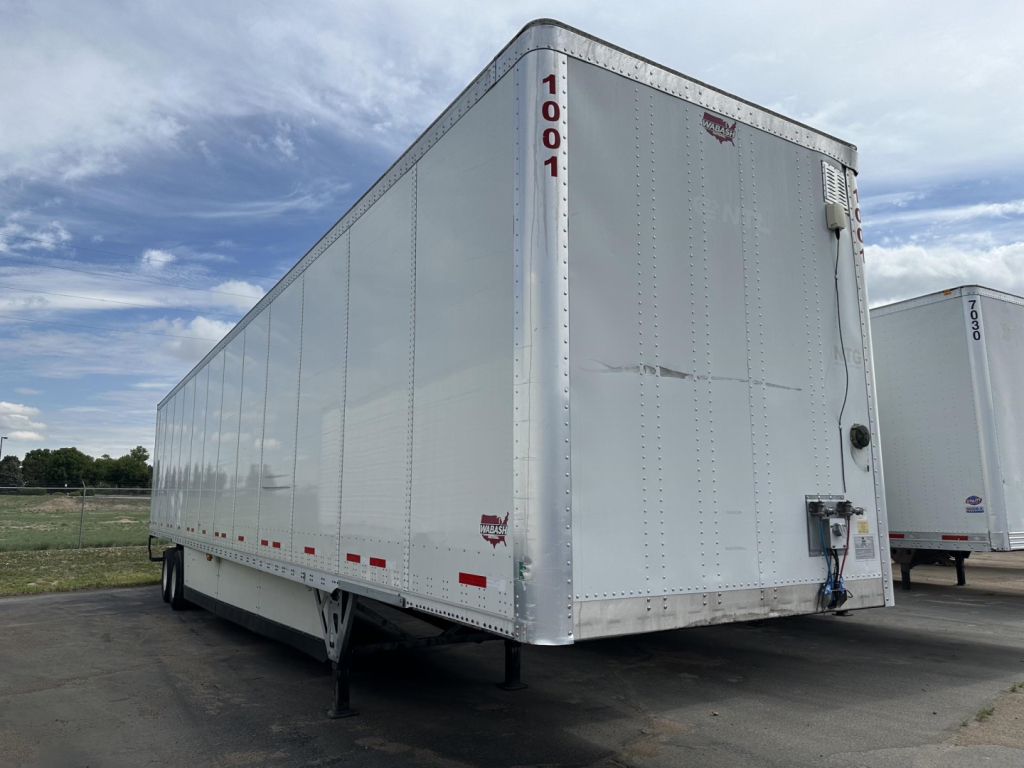
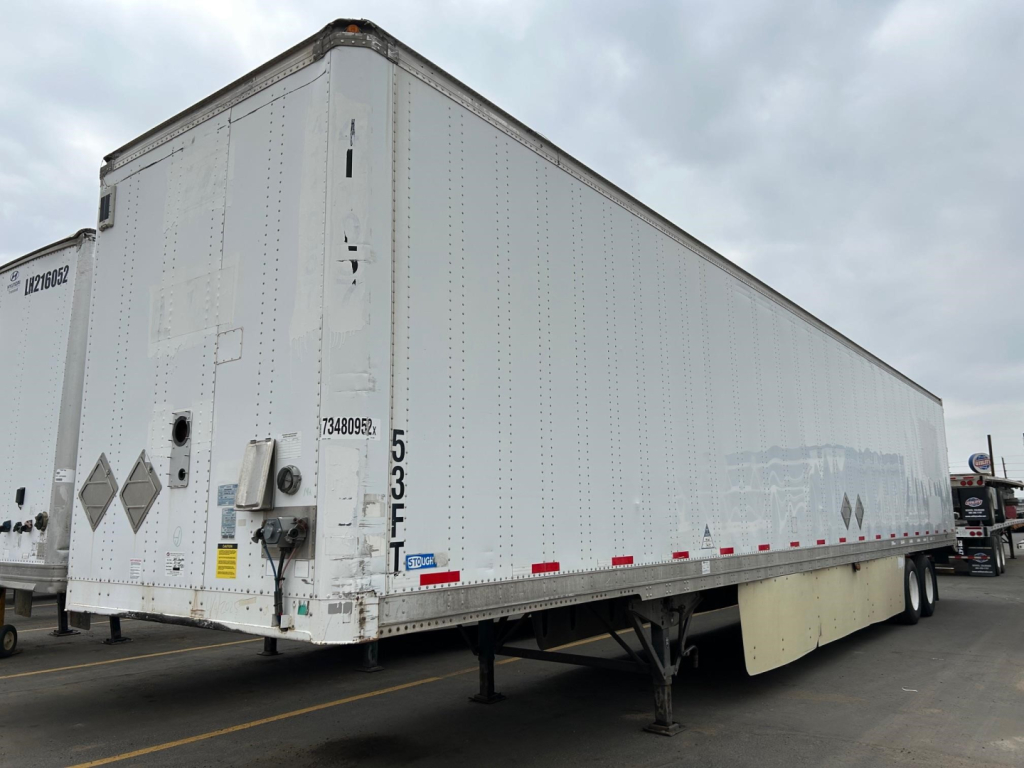
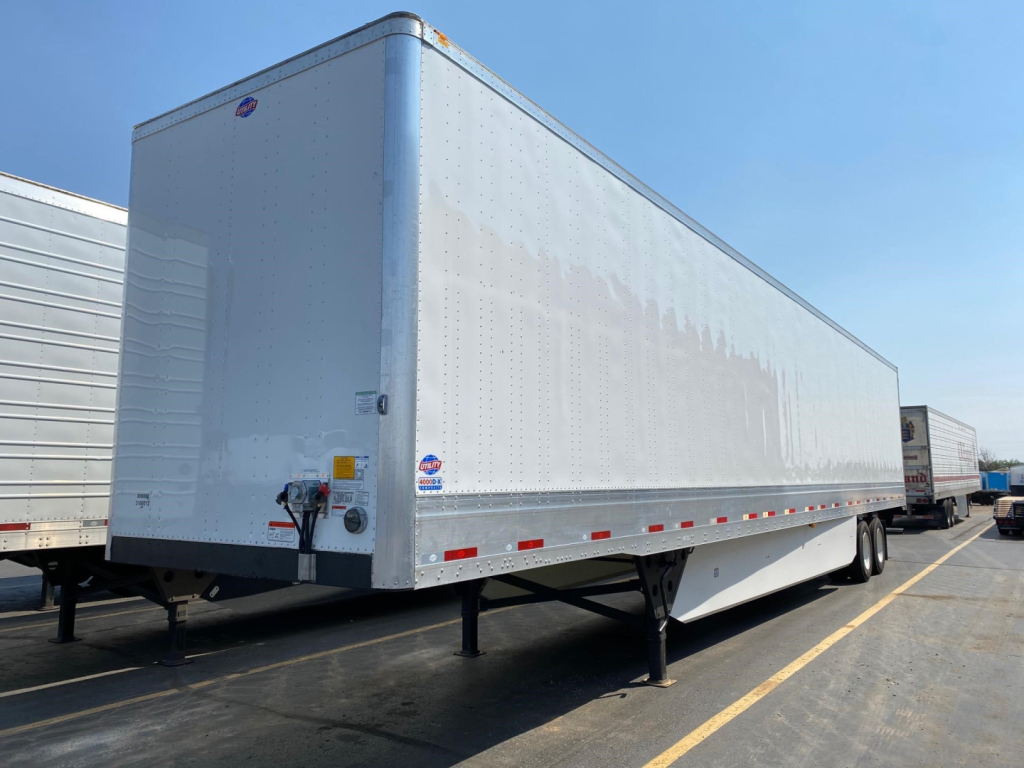
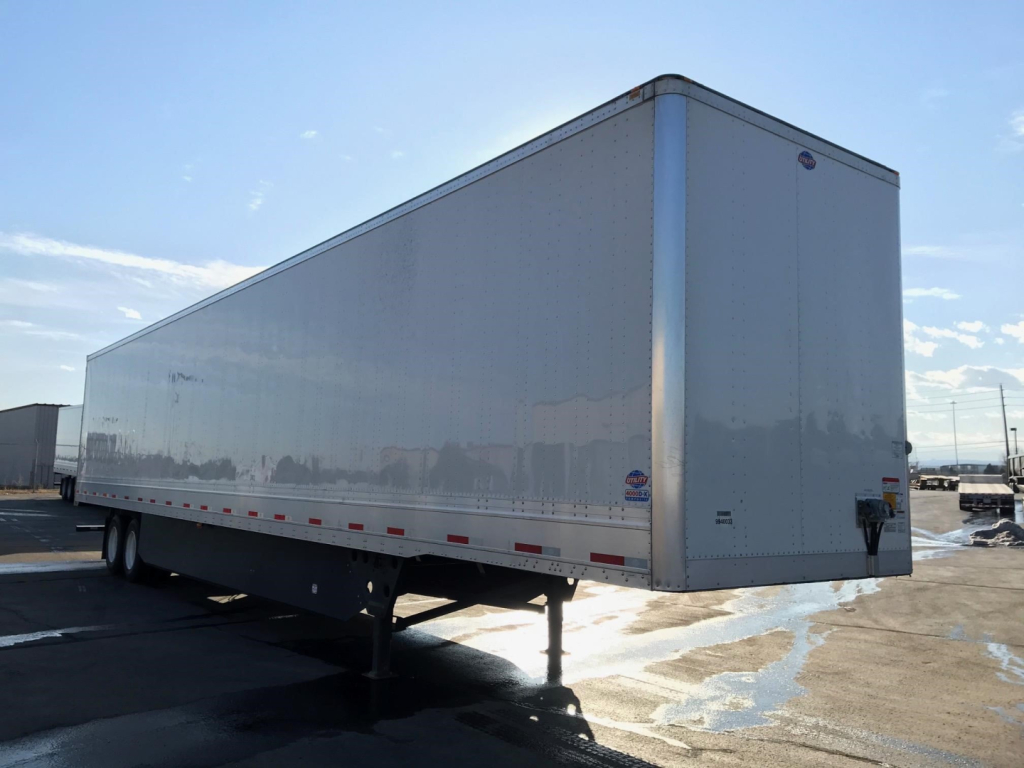
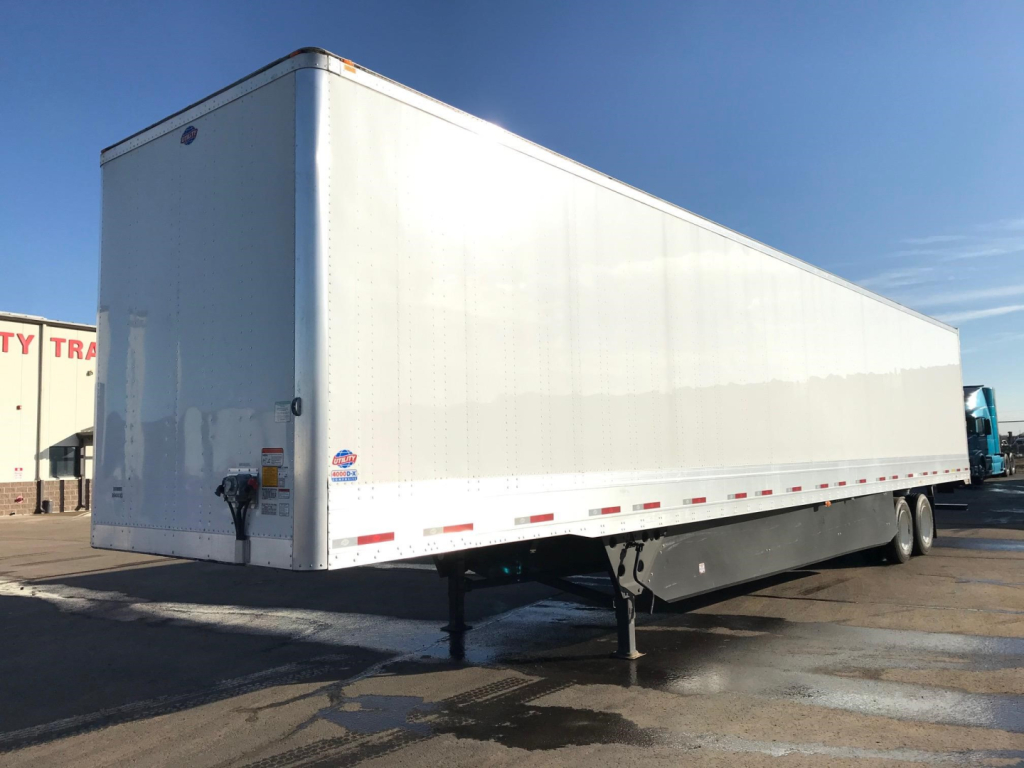
Browse van trailers for sale in Colorado, including 53-foot dry vans with air ride, sliding tandems, logistics posts, roll-up or swing doors.
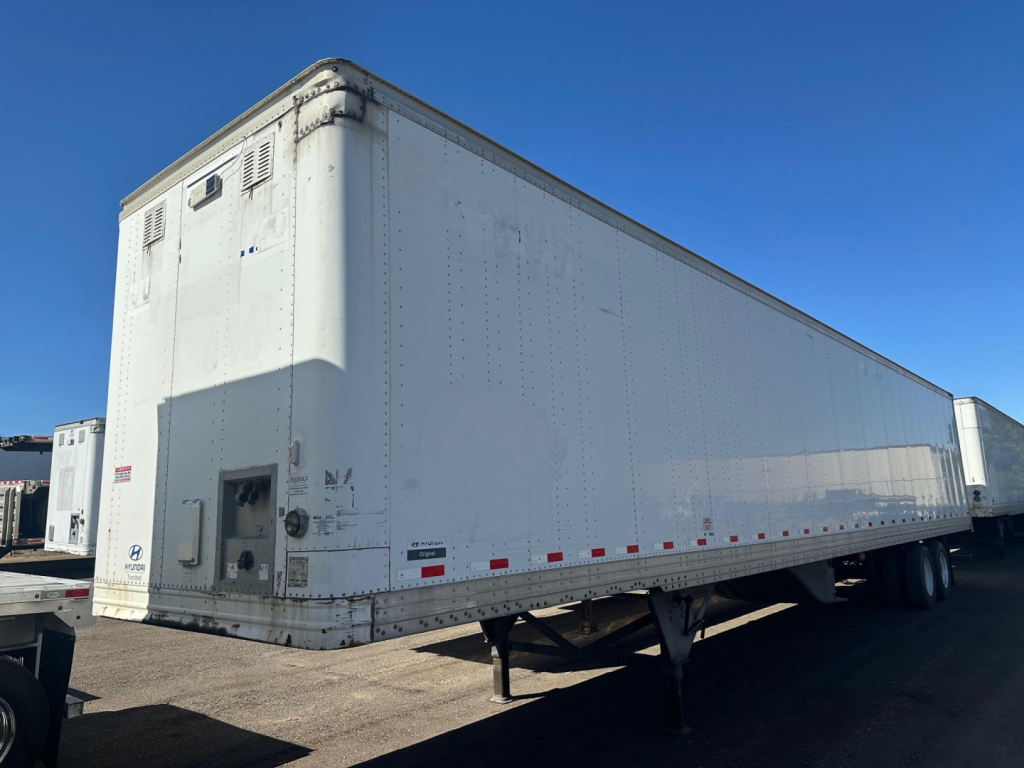
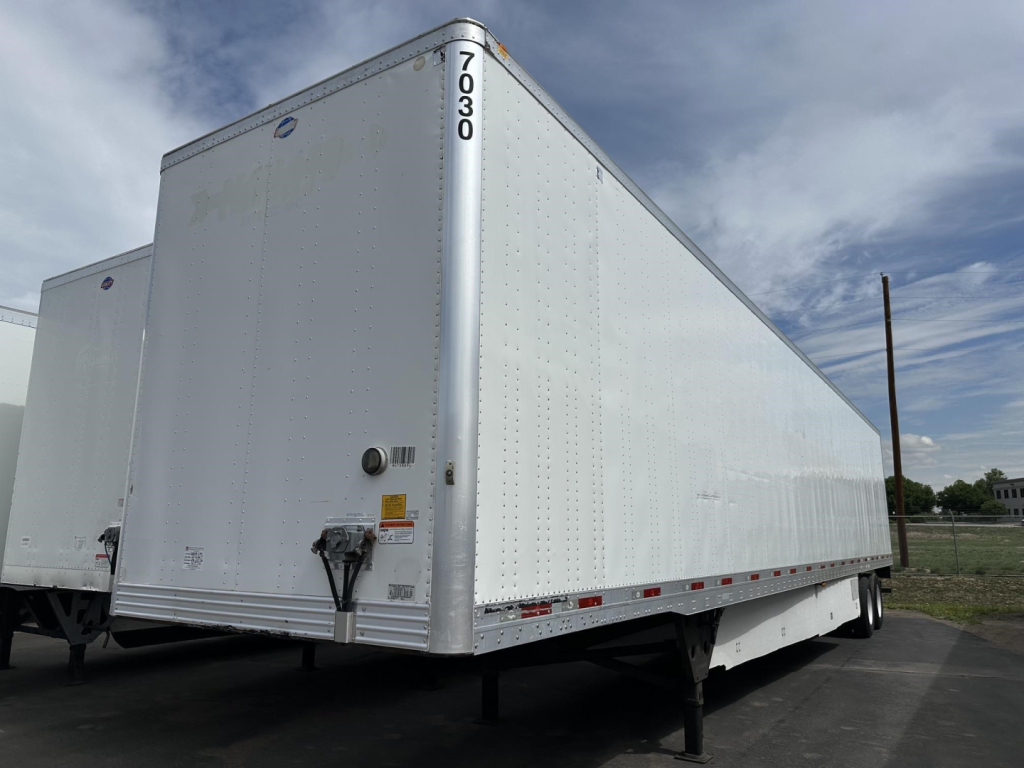
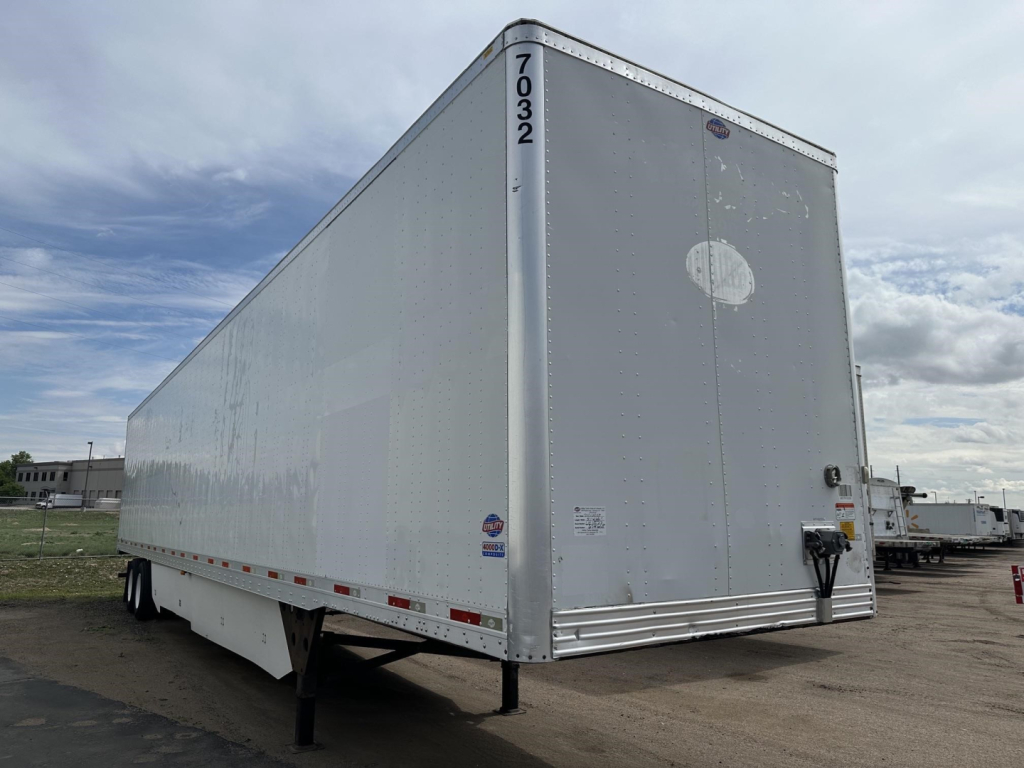
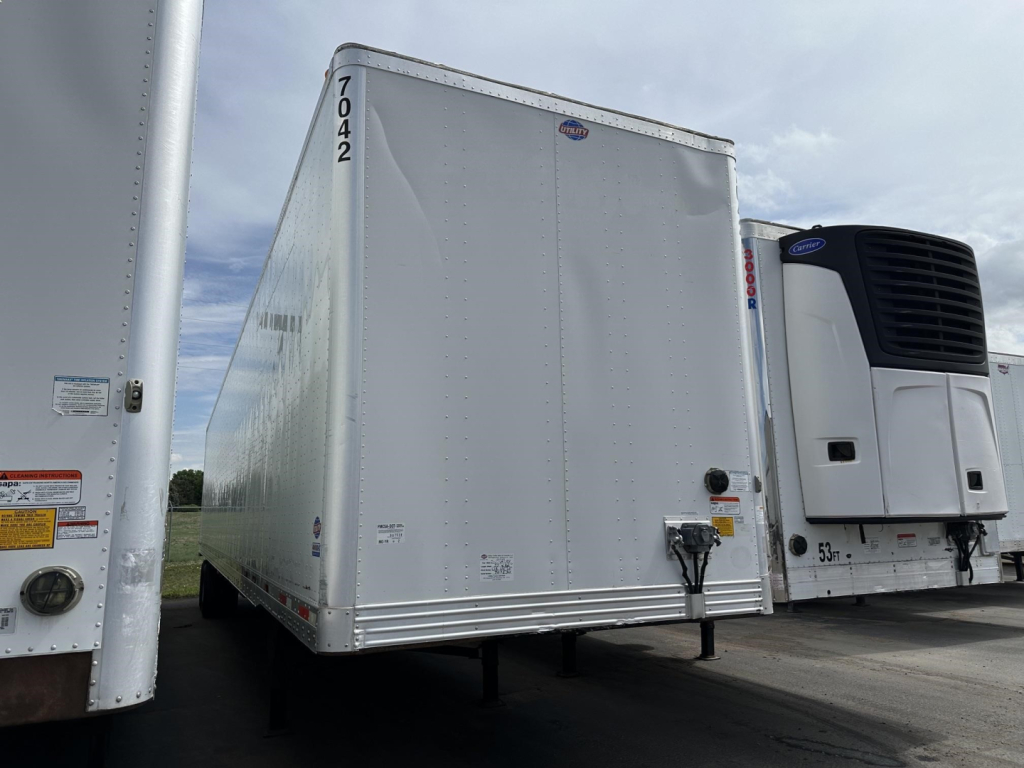
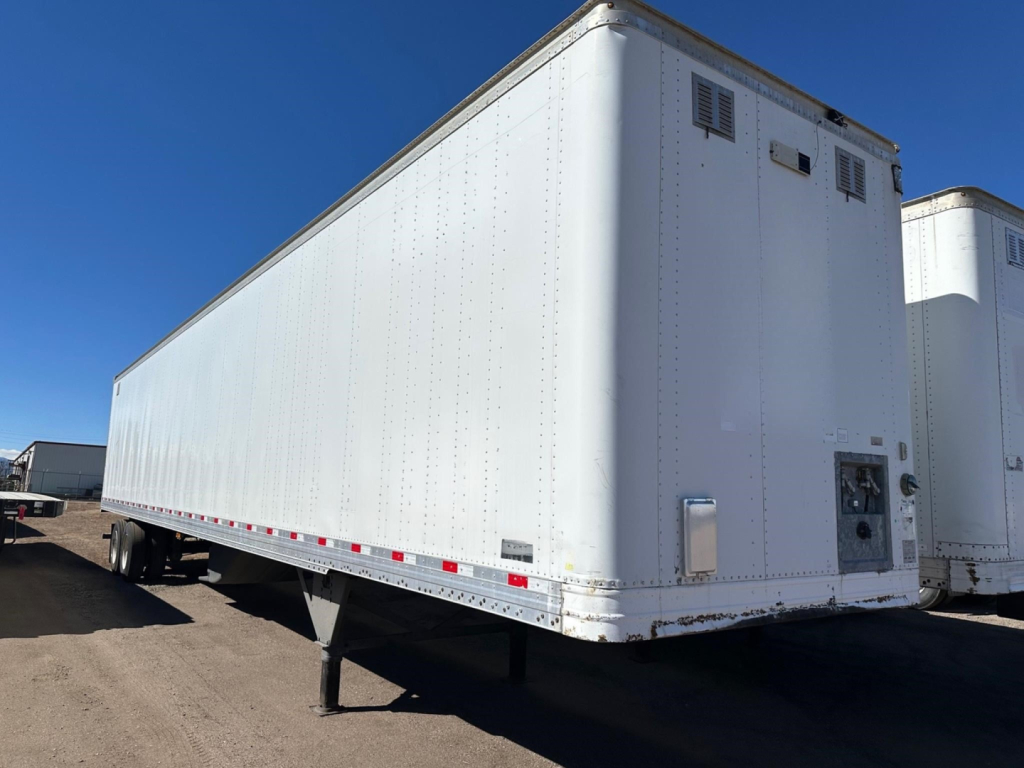
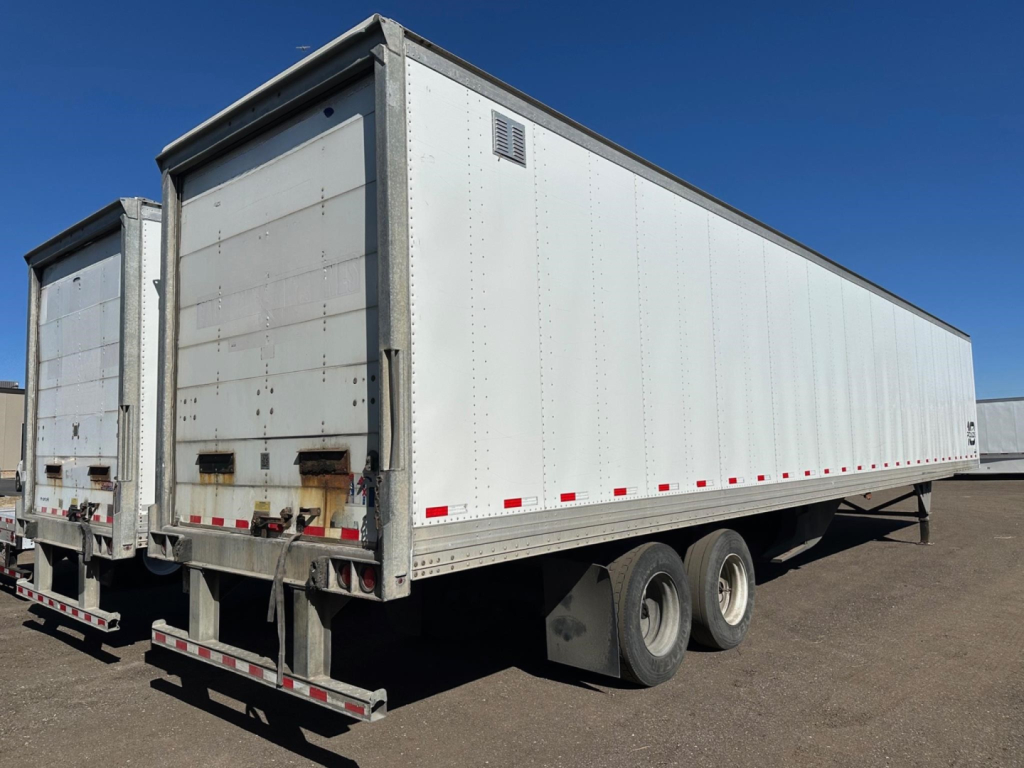
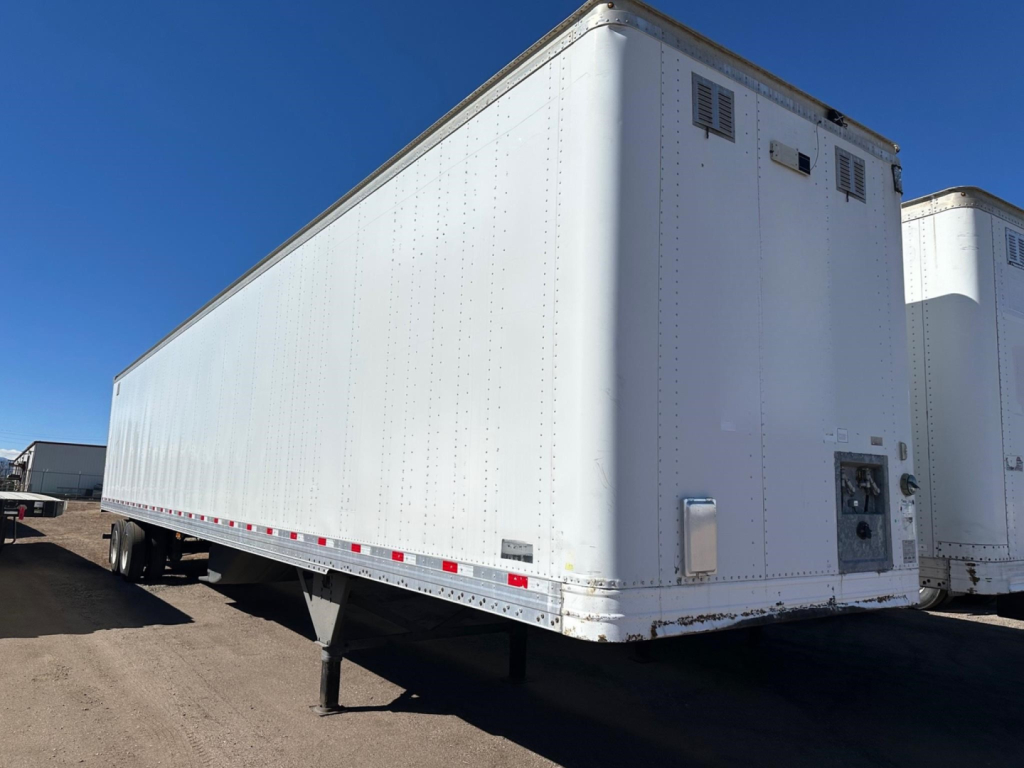
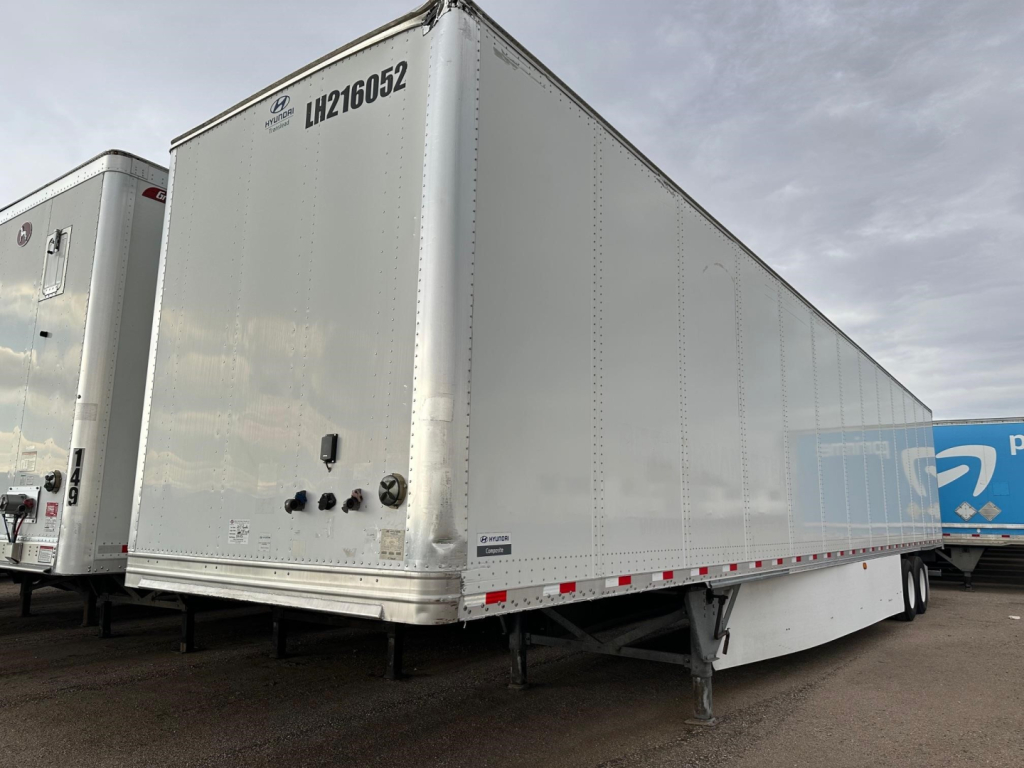

Have van trailer to sell? List it here to reach thousands of buyers.
Van Trailers in Colorado
For most buyers, the key spec decisions start with interior configuration and rear door style. Wood floors remain common because they handle forklift traffic well and are straightforward to repair. Plywood or composite wall liners, aluminum or steel scuff liners, logistic posts, and E-track matter if the trailer will see mixed freight or frequent load securement changes. Rear swing doors can offer full opening width and fewer moving parts, while roll-up doors are popular in tight dock environments where door swing clearance is limited. Threshold plates, galvanized rear frames, dock bumpers, anti-dock walk, and wear bands are all worth checking closely because they affect durability in heavy loading cycles.
Suspension, wheel-end, and tire systems have a direct impact on operating cost. Air ride is common on late-model van trailers because it protects freight better and rides well in regional or over-the-road service. Sliding tandems with air release pins speed axle adjustments, and 22.5 low-profile tires are a typical spec on modern dry vans. Tire inflation systems can reduce irregular wear and roadside downtime, while side skirts may improve fuel economy for fleets running long highway miles across I-70, I-25, and other Colorado corridors. Buyers should also look at roof material, crossmember condition, rear frame integrity, floor wear at high-traffic zones, and any signs of sidewall, threshold, or rear impact damage.
A good van trailer match depends on freight type, loading method, and lane profile. Logistics-equipped trailers are a better fit for LTL-style freight or dedicated contract work where load securement points matter. Smooth side panels, composite lining, and clean interiors can be important for higher-value freight and food-grade dry applications. If the trailer will spend time in mountain corridors or mixed urban routes, pay close attention to brake condition, suspension wear, and overall tare weight. The best value is usually a trailer with a sound floor, straight frame, solid rear structure, and the right cargo-control package for the work rather than simply the newest model year.
Frequently Asked Questions about Van Trailers in Colorado
What is the most common size for a van trailer?
The most common dry van trailer size is 53 feet long and 102 inches wide. That configuration dominates general freight service because it maximizes pallet capacity, works well with standard loading docks, and fits most over-the-road applications. Buyers may also compare interior height, with many trailers spec'd around 12 feet 6 inches to 13 feet 6 inches overall depending on build and equipment.
What is the difference between a dry van trailer and a refrigerated trailer?
A dry van trailer is an enclosed trailer designed for freight that does not require active temperature control. A refrigerated trailer, or reefer, has an insulated body and a refrigeration unit to maintain specific cargo temperatures. Dry vans are generally lighter, simpler, and less expensive to maintain, making them the preferred choice for packaged freight, paper goods, retail freight, and many non-perishable loads.
Are roll-up doors or swing doors better on a van trailer?
The better choice depends on the operation. Swing doors usually provide full rear opening width and are common in linehaul and dock-to-dock freight service. Roll-up doors are useful when space behind the trailer is limited because the door stores overhead instead of swinging outward. Buyers should also consider maintenance history, seal condition, and how often the trailer will be loaded at crowded docks or in tight city locations.
What should I inspect first on a used van trailer?
Start with the floor, rear frame, roof, sidewalls, and tandem suspension. Floor rot, forklift damage, cracked crossmembers, rear impact damage, and roof leaks can be expensive to correct and affect serviceability right away. Then inspect the door hardware, threshold plate, landing gear, brake system, tires, wheel ends, and any cargo-control equipment such as logistics posts, E-track, or scuff liners. A straight frame and solid structural condition usually matter more than cosmetic appearance.
Why do many van trailers have sliding tandems and tire inflation systems?
Sliding tandems let the operator shift axle position to help meet bridge law requirements, improve weight distribution, and adapt to different loading conditions. Tire inflation systems help maintain proper tire pressure across the trailer, which can reduce blowouts, extend tire life, and improve uptime. Both features are especially useful in fleets that run long miles, variable payloads, or frequent interstate routes.