
2027 Van Trailers For Sale in Colorado
Shop 2027 van trailers for sale in Colorado. Compare dry van specs, air ride options, door styles, interior logistics features, and fuel-saving setups.
Have 2027 van trailer to sell? List it here to reach thousands of buyers.
2027 Van Trailers in Colorado
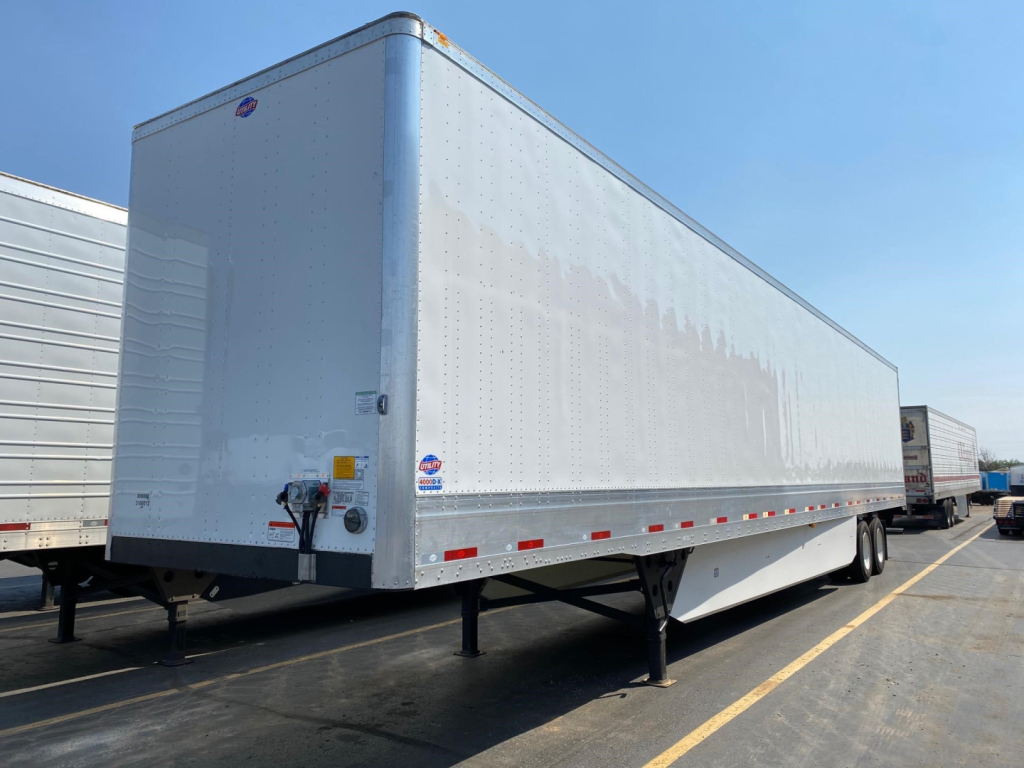
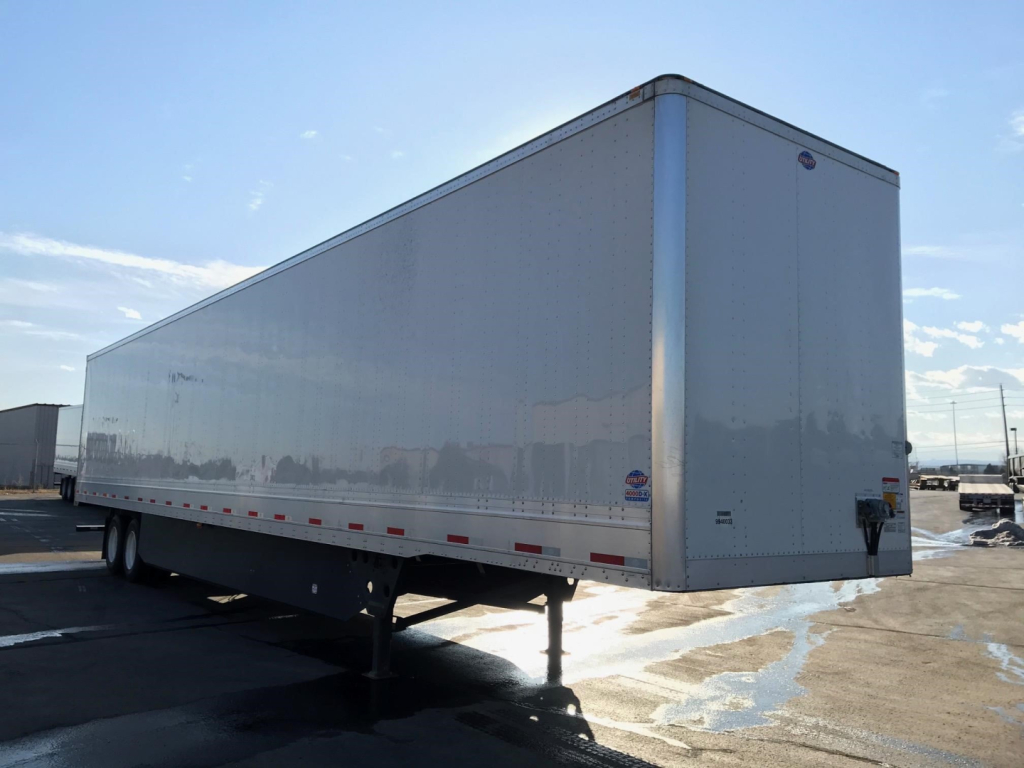
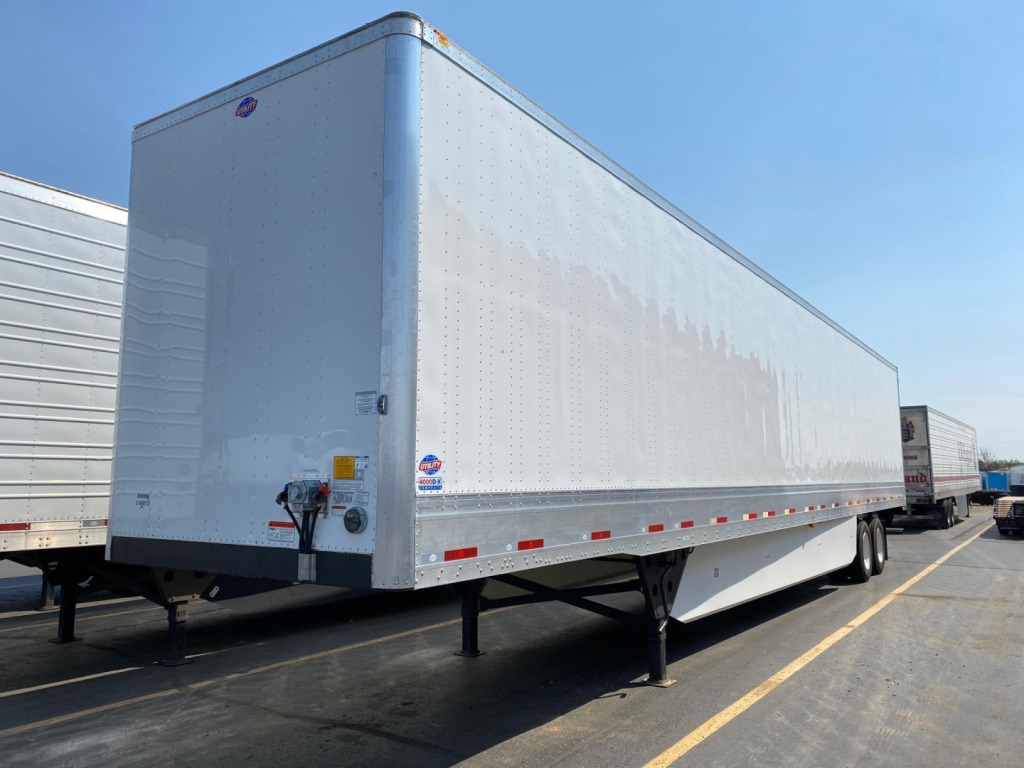
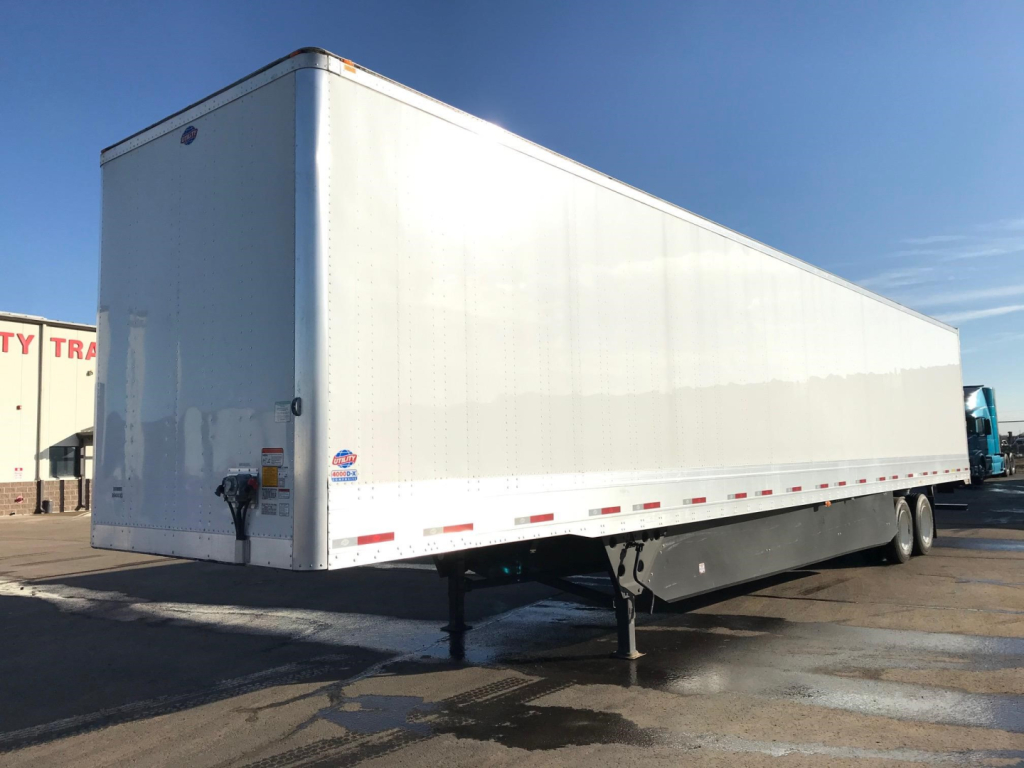
The spec decisions that matter most usually start with suspension, tandem configuration, and door type. Air ride remains the preferred setup for many fleets because it helps protect freight and reduces shock transfer on rough pavement, while a slider tandem gives more flexibility for axle compliance and dock positioning. Rear swing doors are still common for durability and full opening width, but roll doors can be useful in tight dock environments or high-frequency delivery applications. Tire inflation systems, anti-dock walk, LED lighting, and a heavy threshold plate are common upgrades because they directly affect uptime, loading safety, and maintenance cost.
Inside the trailer, buyers should pay close attention to floor construction, wall lining, and freight securement. A wood floor with a strong fastener pattern is still a proven setup for forklift traffic and repeated dock loading. Composite or plywood wall panels, scuff protection, wearbands, and logistic posts on tight centers improve long-term durability and make the trailer more versatile for mixed freight. E-track or other securement options can matter if the trailer will handle partial loads, final-mile transfer freight, or shippers with stricter cargo control requirements. Roof material, front corner design, and bottom rail height also influence service life, especially in fleets that see high loading cycles.
Aerodynamic packages are increasingly important on newer dry vans, especially for carriers running Colorado to neighboring states or longer western lanes. Side skirts, smooth side panels, low rolling resistance tire setups, and inflation systems can help reduce operating cost over time. Buyers comparing 2027 van trailers should look beyond the base length and width and focus on how the trailer is spec'd for actual freight, route profile, dock conditions, and maintenance strategy. The right dry van is not just a box with doors. It is a revenue trailer whose suspension, floor, lining, securement layout, and aero package all affect utilization and cost per mile.
Frequently Asked Questions about 2027 Van Trailers in Colorado
What are the most common specs on a 2027 dry van trailer?
Most 2027 dry van trailers are built in a 53-foot by 102-inch configuration with tandem axles, air ride suspension, a sliding tandem, and either rear swing or roll-up doors. Common construction features include smooth exterior panels, composite or plywood interior wall panels, an aluminum roof, wood flooring, wearbands, logistic posts, LED lighting, and tire inflation systems. Many newer units also include aerodynamic side skirts and upgraded threshold plates to improve fuel economy and durability.
Is air ride worth it on a van trailer?
For many buyers, air ride is worth the added cost because it improves ride quality and helps protect sensitive or palletized freight from excessive road shock. It is especially useful in operations with mixed freight, longer lanes, or rough pavement. Air ride can also support better trailer control and reduce cargo movement compared with some spring ride applications. In resale terms, air ride is often the preferred specification in the dry van market.
Should I choose swing doors or a roll door on a van trailer?
Swing doors are generally favored for full-width rear access, simpler repair, and strong long-term durability in standard dock operations. Roll doors can be a good fit for frequent stop work, tight urban docks, or situations where door clearance behind the trailer is limited. The tradeoff is that roll doors can add weight, reduce rear opening height slightly, and introduce more moving parts. The best choice depends on dock setup, loading frequency, and cargo handling patterns.
What interior features matter most in a dry van trailer?
The most important interior features are the floor rating and construction, wall lining, scuff protection, and freight securement layout. A strong wood floor is critical for repeated forklift loading. Composite or plywood wall panels affect durability and repair cost, while wearbands and scuff liners help protect the lower wall area from pallet and forklift damage. Logistic posts on close centers and E-track improve load flexibility and make the trailer easier to use across different shipper requirements.
Why are aerodynamic options important on newer van trailers?
Aerodynamic options such as side skirts, smooth panel designs, and tire inflation systems can lower drag and help improve fuel economy in sustained highway service. On long regional and over-the-road lanes, those savings can add up over the life of the trailer. Aero equipment also tends to align with newer fleet specifications, which can support stronger resale appeal. Buyers should still weigh fuel savings against route conditions, damage exposure, and maintenance practices.