
2027 Van Trailers For Sale
Shop 2027 van trailers for dry freight hauling. Compare 53-foot specs, air ride, swing or roll doors, floors, lining, and tandem options.
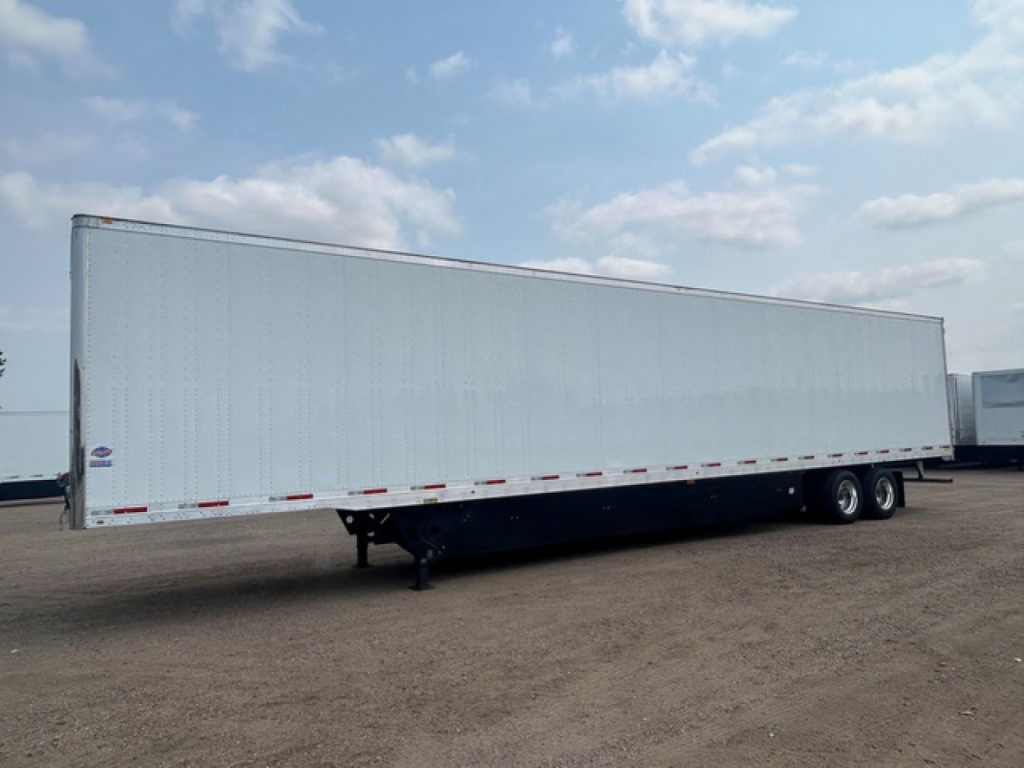


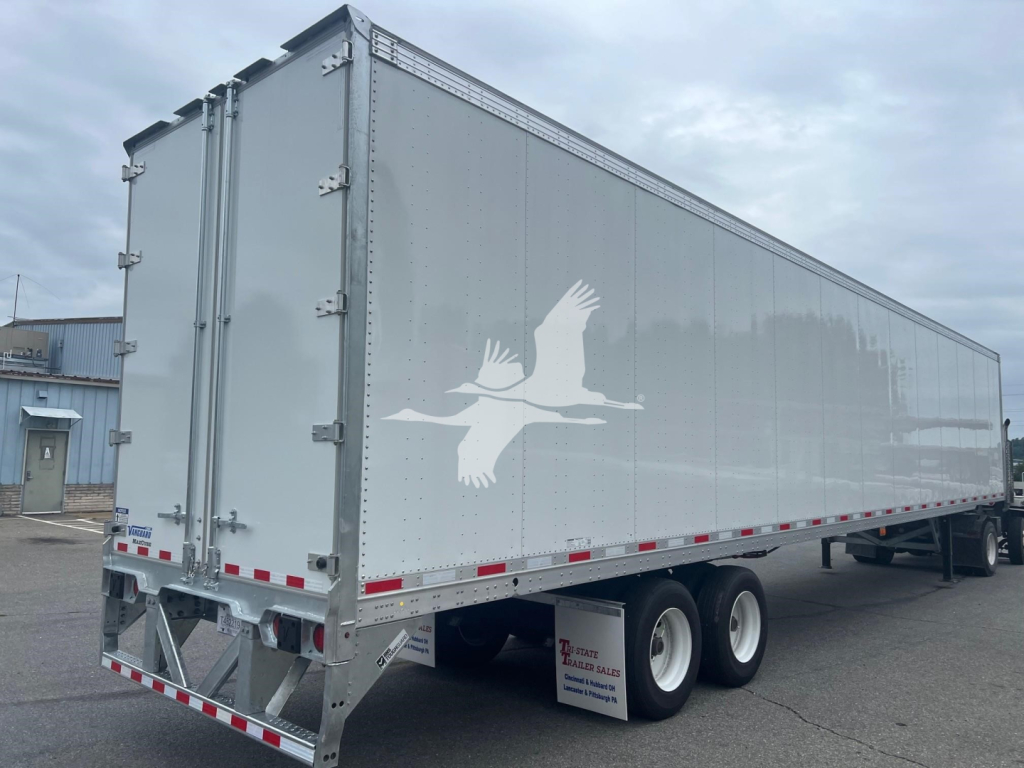
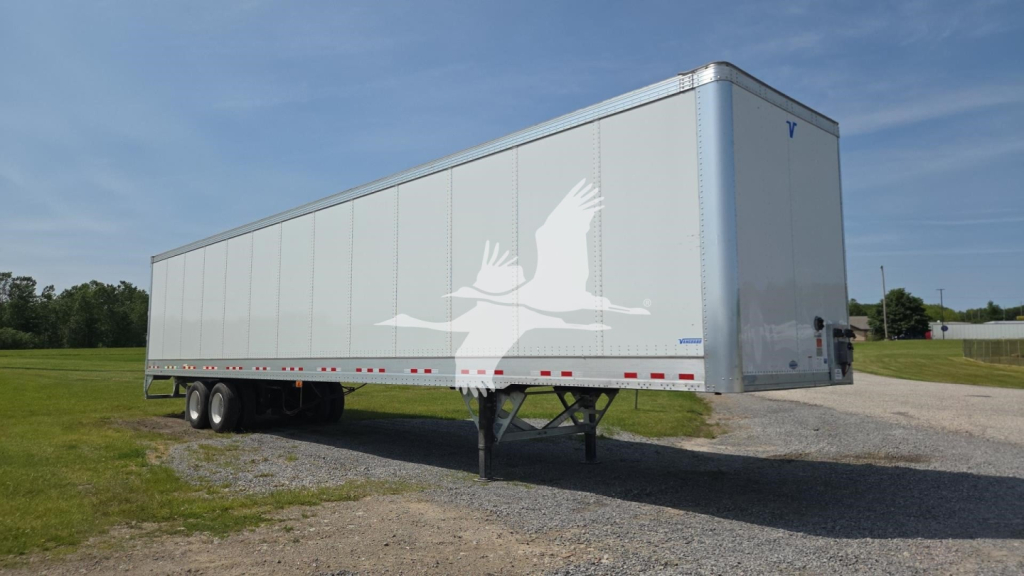
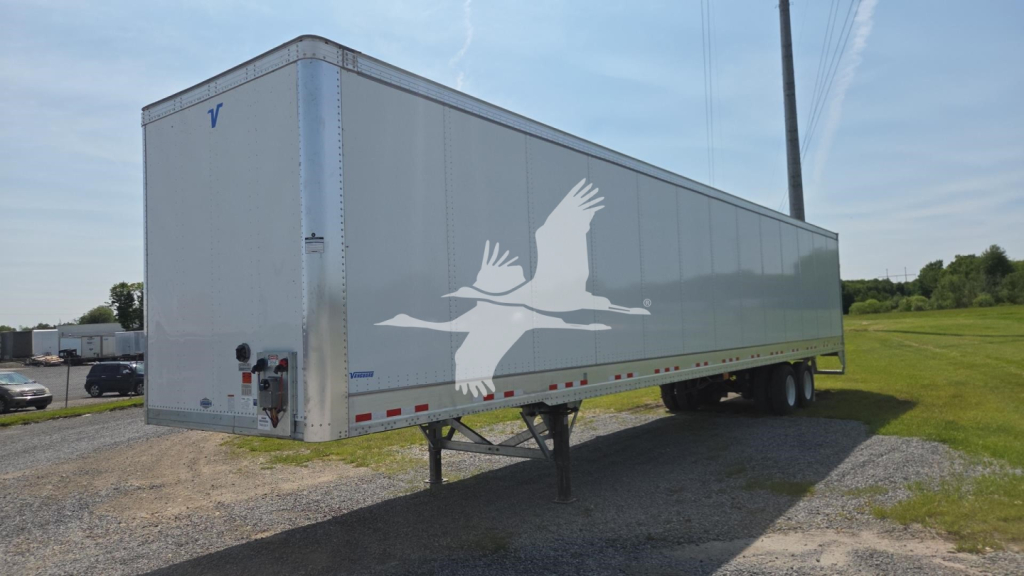
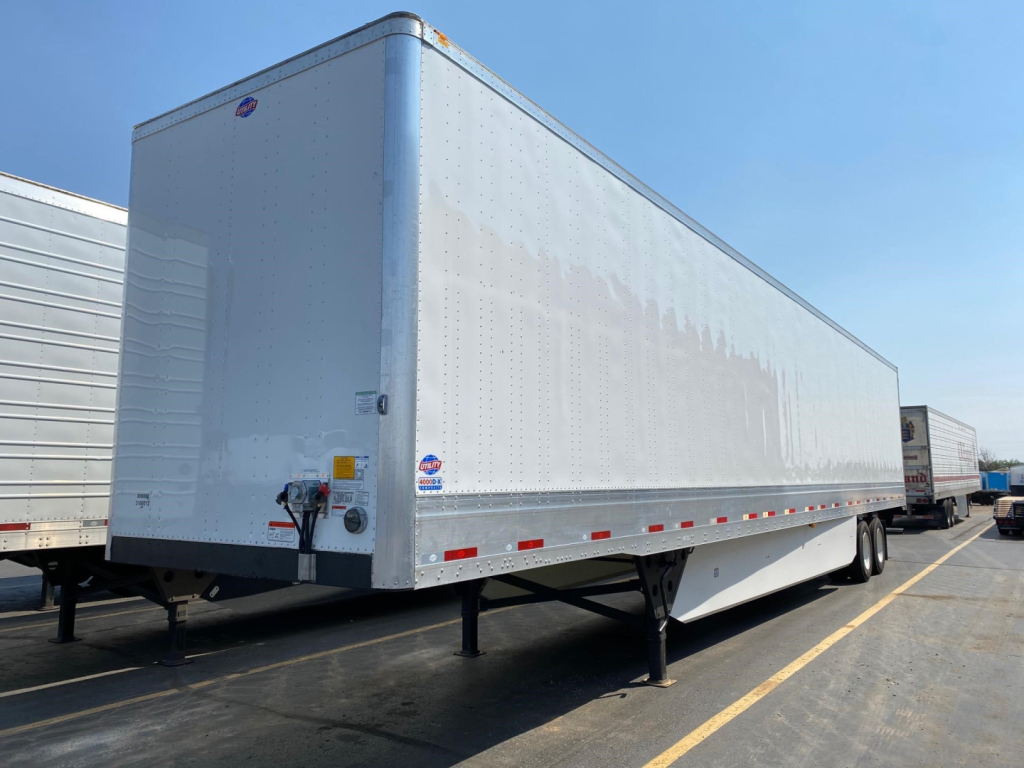
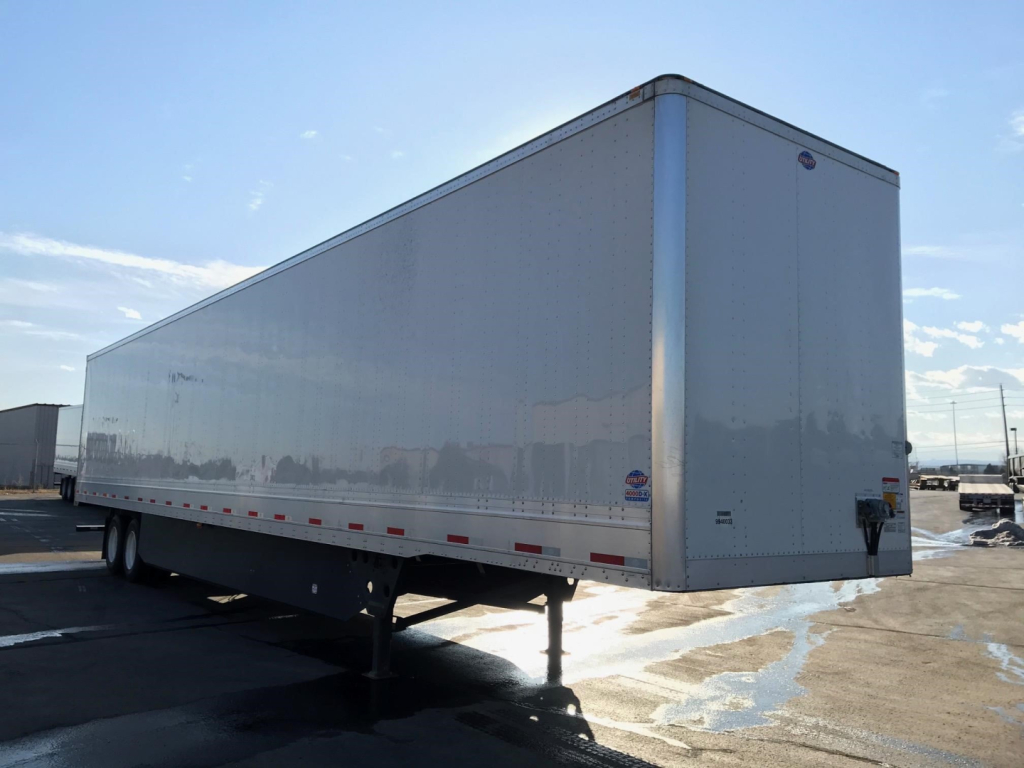
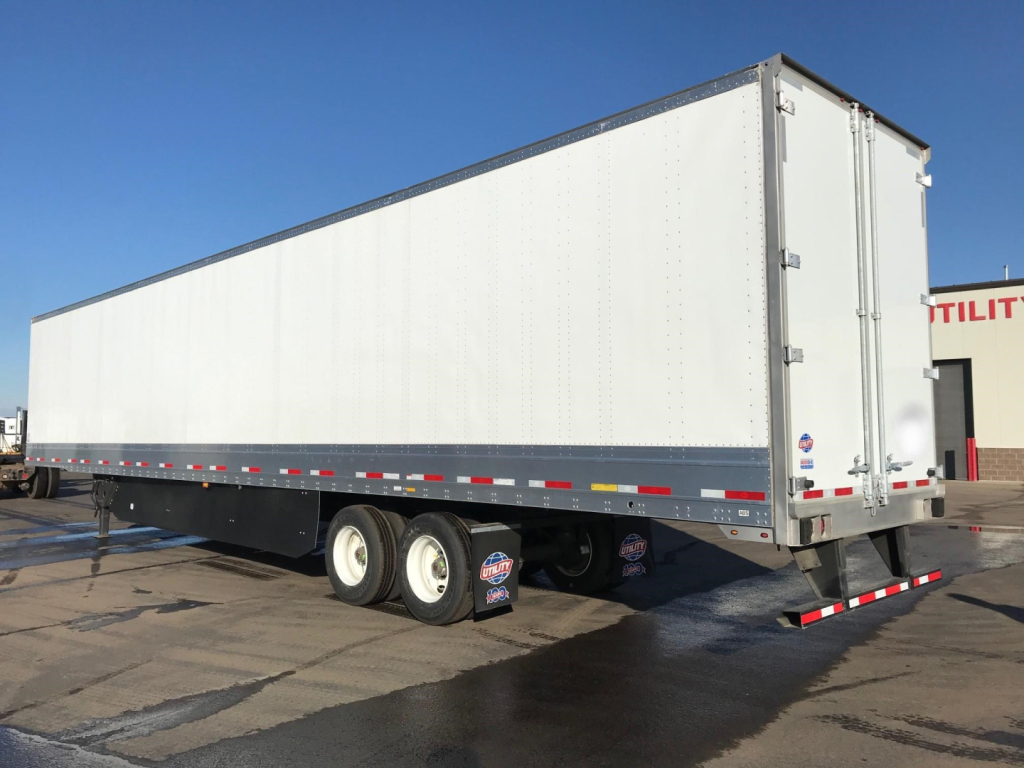
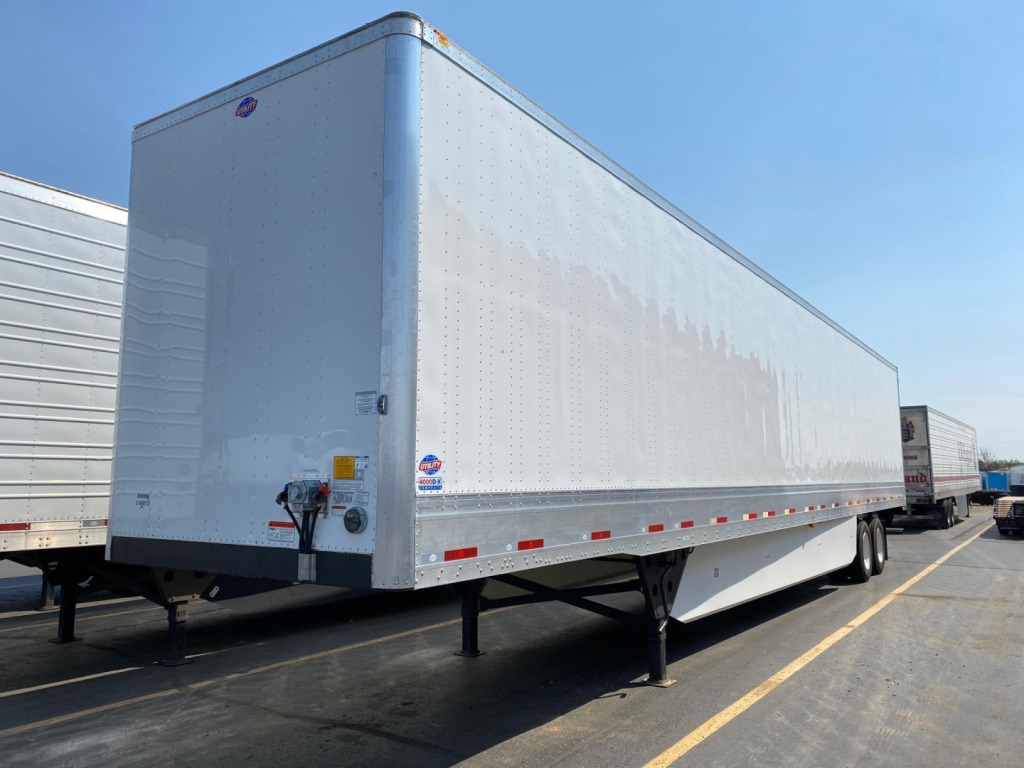
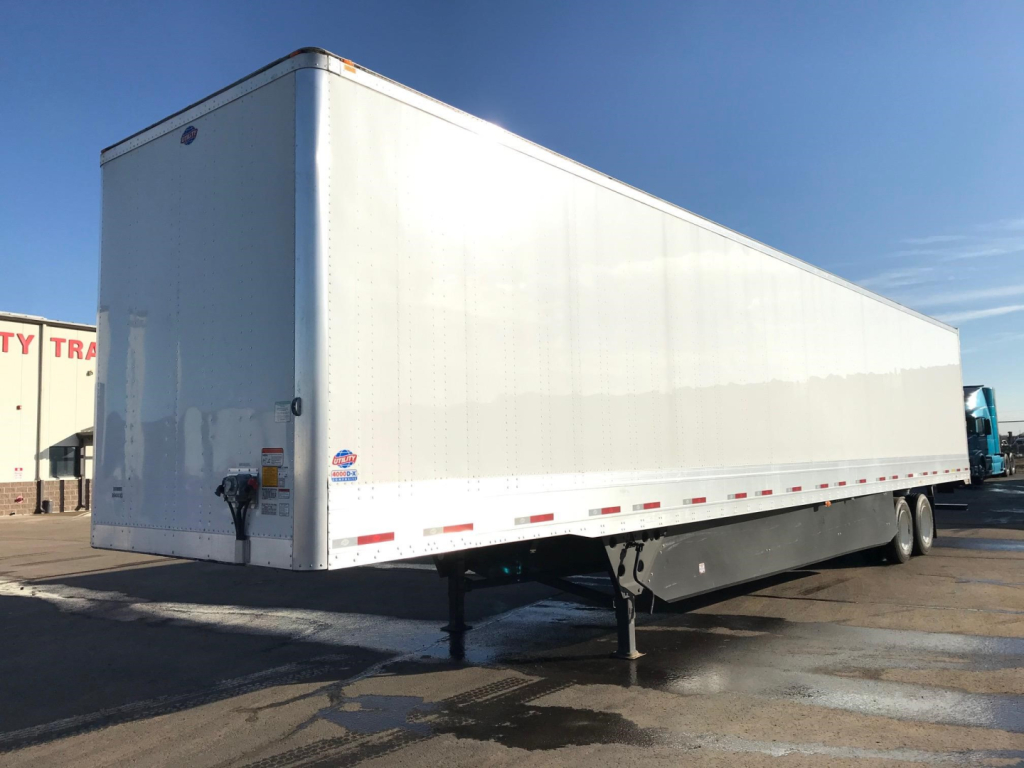

Showing 1 to 24 of 60 results
Have 2027 van trailer to sell? List it here to reach thousands of buyers.
2027 Van Trailers
Construction details make a real difference in lifecycle cost. Common specs include plate or sheet-and-post sidewalls, galvanized or stainless rear frames, aluminum roofs, anti-snag roof bows, hardwood laminated floors, threshold plates, and integral scuff liners. A logistics-ready interior may include posts on 48-inch centers, composite or plated lining, and front wall scuff protection to reduce forklift and pallet jack damage. Floor design matters on high-cycle freight. A 1 3/8-inch laminated hardwood floor with close crossmember spacing in the bay area is a common choice for dock freight and concentrated axle loads. Buyers comparing late-model vans should also look closely at rear door configuration, hinge material, and corrosion protection around the frame, threshold, and bumper.
Running gear decisions affect maintenance, payload, and lane suitability. Air ride remains the standard for ride quality and cargo protection, while sliding tandems help meet bridge law requirements and improve load distribution across varying states and routes. Tire size is typically 22.5 low profile, with steel or aluminum wheels depending on weight targets and maintenance preference. Features such as disc brakes, tire inflation systems, aerodynamic side skirts, and two-speed landing gear can improve uptime and operating cost, especially in long-haul or high-mile fleets. Kingpin setting and suspension location also deserve attention because they influence tractor compatibility, turning clearance, and axle loading.
For many buyers, the best van trailer is the one matched to freight profile and terminal conditions, not just the newest build. Grocery, parcel, retail replenishment, packaging, and light industrial freight all place different demands on interior lining, scuff protection, door type, and floor durability. Swing doors are common and durable for dock work, while some operations prefer roll doors for frequent stops. A well-specified 2027 van trailer should be judged on structural design, cargo protection, repairability, and how easily it fits the fleet's tractors, docks, and maintenance program.
Frequently Asked Questions about 2027 Van Trailers
What are the most common specs on a 2027 van trailer?
The most common configuration is a 53-foot dry van trailer that is 102 inches wide and 13 feet 6 inches tall overall, with tandem axles and air ride suspension. Typical specs include 22.5-inch tires, sliding tandems, swing rear doors, an aluminum roof, a hardwood floor, and either plate or sheet-and-post wall construction. Many units also include scuff liners, threshold plates, galvanized rear components, and logistics posts for freight securement flexibility.
How do I choose between plate and sheet-and-post van trailer construction?
Plate trailers generally offer a smooth, durable sidewall with strong resistance to everyday dock and forklift contact, while sheet-and-post designs can offer a favorable balance of weight, repairability, and structural support. The right choice depends on freight type, damage exposure, and maintenance practices. High-abuse dock operations often value heavier-duty wall and lining protection, while fleets focused on maximizing payload may pay closer attention to tare weight and panel repair cost.
Why does the floor and scuff package matter on a dry van?
The floor and scuff package are critical because most dry vans see repeated forklift traffic, concentrated pallet weight, and frequent dock loading. A laminated hardwood floor with proper crossmember spacing helps support heavy point loads and reduces premature wear. Scuff liners, nose lining, and threshold plates protect the trailer from pallet jack strikes, fork damage, and impact at the rear entry. These details directly affect usable life and repair frequency.
Are sliding tandems important on van trailers?
Yes. Sliding tandems are important because they help adjust axle weight distribution, improve compliance with bridge laws, and make the trailer easier to position for different states and loading situations. They also give fleets more flexibility when pairing trailers with different tractors or when hauling variable-weight freight. For over-the-road operations, a slider setup is often considered a standard requirement rather than an optional feature.
What features help lower operating cost on a van trailer?
Features that often reduce operating cost include tire inflation systems, aerodynamic side skirts, disc brakes, corrosion-resistant rear frames, and durable floor and lining materials. Tire inflation systems can improve tire life and fuel efficiency by maintaining correct pressure. Disc brakes can reduce stopping distance and simplify some service work. Corrosion protection and heavy-wear interior components help reduce downtime and body repair expense over the life of the trailer.