
2027 Vanguard Van Trailers For Sale
Shop 2027 Vanguard van trailers. Compare 53' dry van specs, composite sidewall construction, air-ride tandems, and dock-ready freight options.
Have 2027 vanguard van trailer to sell? List it here to reach thousands of buyers.
2027 Vanguard Van Trailers
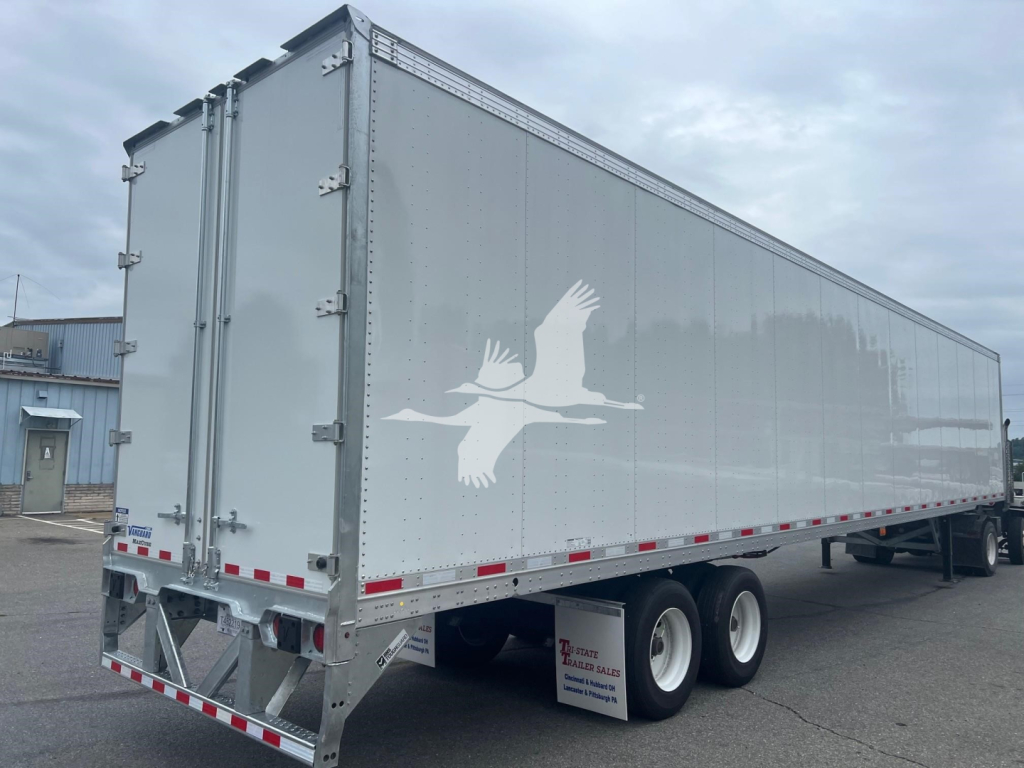
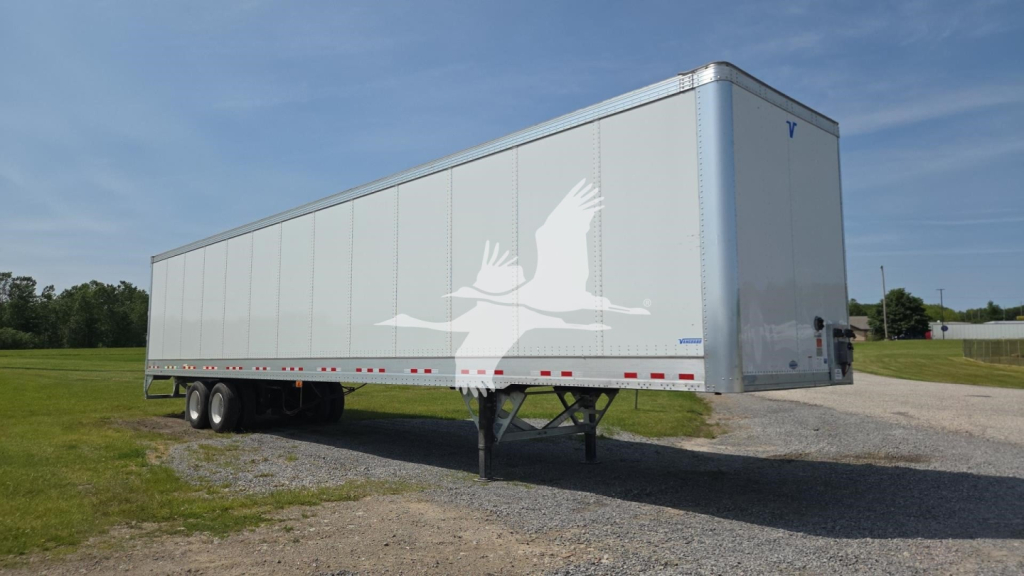
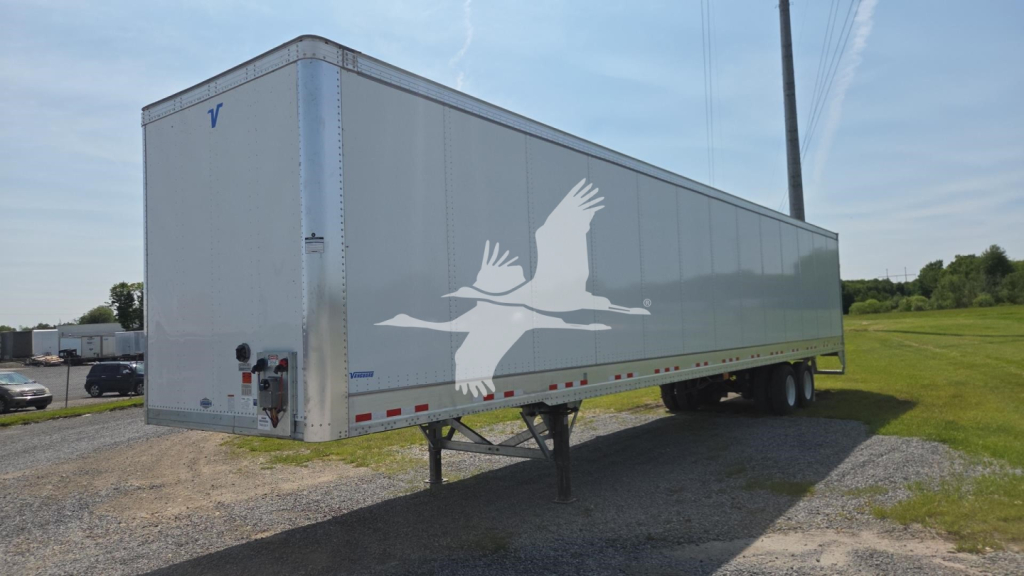
Vanguard dry vans are commonly configured with composite plate sidewalls, logistics posts, aluminum roofs, galvanized rear frames, and oak flooring built for forklift traffic. Details like integrated scuff protection, full-height nose lining, galvanized threshold plates, and reinforced dock-lock bumpers matter because they directly affect repair frequency and trailer life in high-cycle loading environments. Many buyers also pay attention to crossmember spacing, roof bow design, and the quality of the rear door assembly since those areas tend to show wear first in fleet service. A plate van with a strong floor, straight rear frame, and well-supported wall construction will usually hold up better in grocery, retail, and LTL-support applications.
Running gear is another major decision point. Most Vanguard van trailers in this class use tandem axles with air-ride suspension, often on a 49-inch sliding tandem with 216-inch slide rails, plus a standard 36-inch kingpin setting. That setup gives carriers flexibility for bridge-law compliance, dock approach, and axle weight distribution across different states and freight mixes. Common wheel and tire packages include 22.5-inch rubber, and buyers should compare suspension brand, slider condition, brake specification, wheel-end setup, and landing gear type before narrowing down options. If the trailer will stay in dense urban or high-turn regional service, suspension condition, slider operation, and rear impact protection deserve extra scrutiny.
For most operations, the right van trailer comes down to freight profile and duty cycle. A shipper handling boxed consumer goods may prioritize interior condition, logistics compatibility, and clean plate walls, while a fleet working heavier palletized freight may care more about floor integrity, scuff liner design, and rear frame reinforcement. Vanguard VXP units are well-known in the market as straightforward dry van trailers, also known as enclosed van trailers or box trailers, built for standard non-refrigerated freight. When comparing 2027 models, look closely at sidewall construction, floor fastening method, galvanized components, kingpin and tandem configuration, and any features that reduce downtime at the dock or on the road.
Frequently Asked Questions about 2027 Vanguard Van Trailers
What are the typical dimensions of a Vanguard van trailer?
Most Vanguard dry van trailers in this category are built as 53-foot by 102-inch plate vans with a 13-foot 6-inch overall height. Buyers will commonly see about 101 inches of inside width, around 110 inches of inside height, and a rear door opening near 110 inches. Those dimensions are standard for palletized dry freight and give good cubic capacity for retail, packaged goods, and general van freight.
What suspension and axle setup is common on a Vanguard dry van?
A common configuration is a tandem axle trailer with air-ride suspension and a sliding tandem. Many fleet-spec units use a 49-inch slider setting on 216-inch slide rails with a 36-inch kingpin setting. This setup gives flexibility for axle weight distribution, state bridge compliance, and loading conditions that vary by lane or commodity.
What construction features matter most on a van trailer used in dock service?
The most important durability items are usually the floor, rear frame, threshold, scuff protection, and door assembly. Buyers should look for a solid oak floor, galvanized rear frame, reinforced dock-lock bumper, quality threshold plate, and plate wall construction with adequate scuff lining. These are the areas that take the most abuse from forklifts, repeated dock contact, and high-cycle loading.
Are Vanguard VXP trailers suitable for general freight?
Yes. Vanguard VXP dry vans are commonly used for general non-refrigerated freight, including retail merchandise, boxed goods, consumer products, and other palletized shipments. They are designed for enclosed cargo protection and efficient dock loading, making them a practical choice for long-haul, dedicated contract, and regional fleet applications.
How should a buyer compare one van trailer listing to another?
Start with the structural specs and then move to wear items. Compare sidewall construction, inside dimensions, floor type, crossmember spacing, roof and rear frame materials, tandem slide setup, and kingpin setting. After that, evaluate suspension condition, brakes, tires, wheels, landing gear, rear doors, and signs of forklift or dock damage, since those factors will affect maintenance cost and uptime more than cosmetic differences.