
2027 Van Trailers For Sale in South Dakota
Browse 2027 van trailers for sale in South Dakota. Compare dry van specs, suspension, wheels, roof design, and axle settings for fleet use.
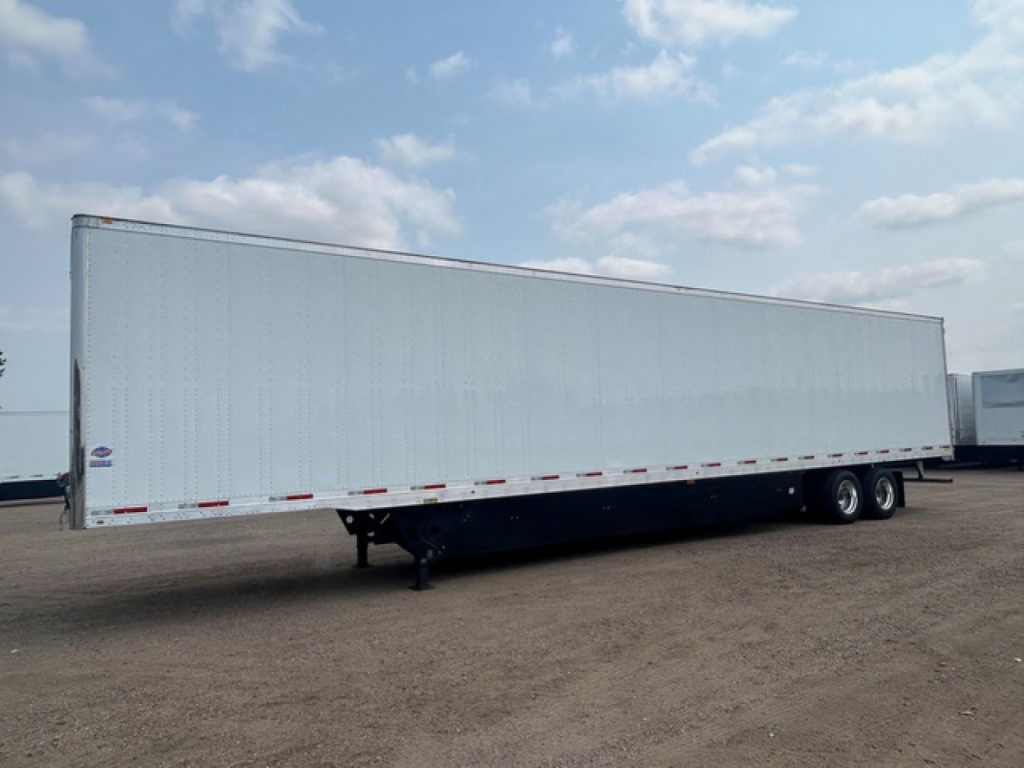

Showing 1 to 24 of 41 results
Have 2027 van trailer to sell? List it here to reach thousands of buyers.
2027 Van Trailers in South Dakota
Spec choices matter because dry vans cover a wide range of freight. Air ride suspension is common for palletized consumer goods, packaged food, paper products, and other damage-sensitive loads. Sliding tandem axles help with bridge law compliance and dock positioning, while 22.5-inch tires remain the standard for serviceability and replacement availability. Roof construction, sidewall lining, floor rating, and rear door hardware all affect long-term durability. Buyers hauling high-cycle freight should pay close attention to floor condition, threshold wear, crossmember spacing, and the type of interior liner, especially if forklifts and repeated dock impact are part of the duty cycle.
Newer van trailers often come with aerodynamic roof and skirt options, LED lighting, anti-lock brakes, and telematics-ready wiring, but the core buying decisions still come down to tare weight, cubic capacity, and maintenance profile. Aluminum wheels can trim weight and resist corrosion, while steel wheels may be preferred for lower replacement cost. Common inspection points include roof bow condition, side sheet damage, swing door alignment, suspension bushings, brake life, tire match, and signs of water intrusion around seams and rivet lines. If the trailer will stay in regional freight, frequent drop-and-hook use, or mixed dock work, durability at the rear frame and landing gear is worth as much as any lightweight spec.
For many fleets and owner-operators, the best van trailer is the one that fits the freight lane and loading environment without adding avoidable maintenance. A basic 53-foot dry van with air ride, sliding tandems, and a sound floor can handle a broad range of contract freight. Buyers moving lighter cube freight may prioritize low tare weight, while buyers in rugged service may lean toward heavier-duty flooring, scuff liners, and robust rear impact protection. The category is broad, but the right decision usually comes from matching freight type, dock frequency, axle requirements, and expected trailer lifecycle.
Frequently Asked Questions about 2027 Van Trailers in South Dakota
What is the most common configuration for a 2027 van trailer?
The most common setup is a 53-foot dry van trailer with tandem axles, sliding axle spacing, 22.5-inch tires, swing rear doors, and air ride suspension. That configuration works for a wide range of palletized dry freight and gives carriers flexibility for bridge law compliance, dock approach, and resale value. In most fleets, it remains the baseline specification because it balances cubic capacity, serviceability, and operating cost.
Why do buyers choose air ride suspension on a van trailer?
Air ride suspension is widely preferred because it reduces cargo shock and helps protect freight that can shift, crush, or scuff during transit. It also tends to improve ride quality for the trailer structure itself, which can matter over time on rough roads and repetitive dock cycles. For dry van applications involving consumer goods, food packaging, paper, and retail freight, air ride is often considered the standard rather than an upgrade.
Are aluminum wheels better than steel wheels on a dry van trailer?
Aluminum wheels are typically chosen to save weight and improve corrosion resistance, which can be valuable when every pound of payload matters or when appearance and long-term finish are important. Steel wheels usually cost less to replace and are still common in hard-use fleet service. The better choice depends on how the trailer is spec'd for payload, maintenance budgeting, and expected resale condition rather than one wheel type being universally better.
What should I inspect first on a used or late-model van trailer?
Start with the floor, roof, rear frame, suspension, brakes, and tire condition because those areas drive the biggest repair costs and the most downtime. Then check door alignment, seals, sidewall damage, landing gear operation, crossmembers, and any signs of leaks around seams or rivets. On a van trailer, structural integrity and cargo area condition matter more than surface appearance because freight claims and repeated maintenance usually come from hidden wear, not cosmetics.
Is a dry van trailer a good fit for South Dakota freight?
Yes. Dry van trailers are a strong fit for South Dakota lanes because they protect freight from snow, wind, dust, and temperature swings while staying versatile enough for agricultural inputs, retail freight, packaged goods, and general palletized cargo. Buyers operating in the region should pay extra attention to tire condition, brake performance, door seals, and corrosion resistance, especially if the trailer will see winter roads, drop lots, and high-mile regional service.