
2027 Utility Van Trailers For Sale in South Dakota
Shop 2027 Utility van trailers in South Dakota. Compare dry van specs, suspension, axle settings, roof options, and trailer condition.
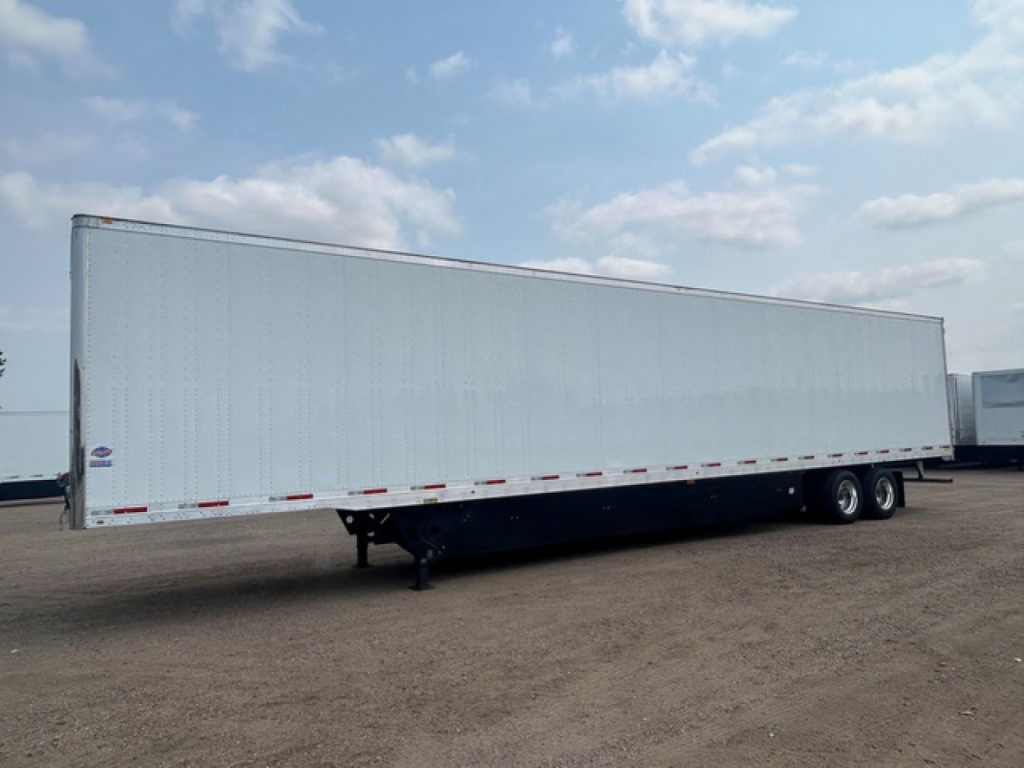

Showing 1 to 24 of 53 results
Have 2027 utility van trailer to sell? List it here to reach thousands of buyers.
2027 Utility Van Trailers in South Dakota
The sample units point to several common spec themes buyers will recognize, including air ride suspension, 22.5-inch tires, steel wheels, and sliding tandem axle spacing. Air ride is a preferred setup for many carriers handling packaged consumer goods, food products that do not require refrigeration, paper loads, and higher-value palletized freight because it helps reduce cargo shock compared with spring ride. Sliding tandems matter for bridge law compliance, dock positioning, and day-to-day weight distribution across varying loads. Roof design also deserves attention because roof bow spacing, roof material, and overall trailer height affect durability, leak resistance, and interior cube. On a van trailer, small spec differences can directly impact payload, maintenance cost, and resale strength.
Interior specification is just as important as the running gear. Many Utility vans are equipped with scuff liners, plywood or composite lining, hardwood or laminated floors, and swing doors at the rear. Buyers moving forklift-loaded freight should pay close attention to floor rating, crossmember spacing, and signs of floor patching or delamination on used trailers. If the trailer will stay in regional distribution, frequent dock contact makes rear frame condition, door hardware, and ICC bumper integrity worth checking closely. South Dakota operators should also consider winter exposure, corrosion protection, lighting reliability, and the condition of seals around doors and roof components, since snow, road treatment chemicals, and temperature swings can accelerate wear on older trailers.
A Utility van trailer is usually a practical fit for fleets that want a standard dry van accepted almost everywhere freight is loaded. It is not a refrigerated trailer and it is not designed for cargo that needs open-side or open-top access, but for dry freight it remains one of the most versatile trailer types on the road. Buyers comparing listings should look beyond model year and focus on GVWR, tare weight, suspension brand, brake setup, tire condition, wheel material, interior dimensions, and maintenance history. Those details determine how well a van trailer will perform in dedicated contract freight, spot market work, warehouse shuttle runs, or mixed route operations.
Frequently Asked Questions about 2027 Utility Van Trailers in South Dakota
What is a Utility van trailer typically used for?
A Utility van trailer is a dry van used to haul non-temperature-controlled freight such as palletized consumer goods, boxed products, paper, building materials, and general merchandise. It is designed for enclosed transport, which protects freight from weather, road debris, and theft better than an open trailer. The most common application is 53-foot over-the-road freight, but these trailers also work well in regional distribution and dock-to-dock shuttle service.
Why does sliding tandem axle spacing matter on a dry van trailer?
Sliding tandems give the operator flexibility to adjust axle position for bridge law compliance, kingpin-to-rear axle measurements, and load distribution. That matters when freight weight changes from load to load or when different states and shippers have specific axle requirements. A trailer with sliding tandems is generally easier to adapt across long-haul, regional, and mixed freight operations than a fixed tandem setup.
Is air ride suspension a good choice on a Utility van trailer?
Air ride suspension is a common and desirable spec on dry vans because it helps cushion freight and can reduce vibration and impact compared with mechanical spring suspension. That is especially useful for packaged retail freight, electronics, paper products, and other cargo that can shift or get damaged from excessive shock. Air ride can also support better trailer stability and driver acceptance, although maintenance condition of airbags, valves, and related components should always be verified.
What should I inspect first on a used Utility dry van?
Start with the floor, roof, rear frame, door seals, suspension, brakes, and tire wear. The floor condition is critical because forklift traffic can hide structural fatigue, patched sections, or weakened areas between crossmembers. Roof leaks, damaged door hardware, corrosion, liner damage, and uneven tire wear can all point to higher future repair costs or alignment and suspension issues that are not obvious in a listing summary.
How do I choose between trailer specs that look similar on paper?
Look at the details that affect payload, uptime, and resale. Tare weight, floor rating, lining type, roof construction, wheel material, tire brand and condition, brake system, and maintenance history often matter more than a simple model name. Two van trailers with the same year and basic configuration can perform very differently depending on prior use, repair quality, and how well the trailer was spec'd for the freight you intend to haul.