
2027 Van Trailers For Sale in Indiana
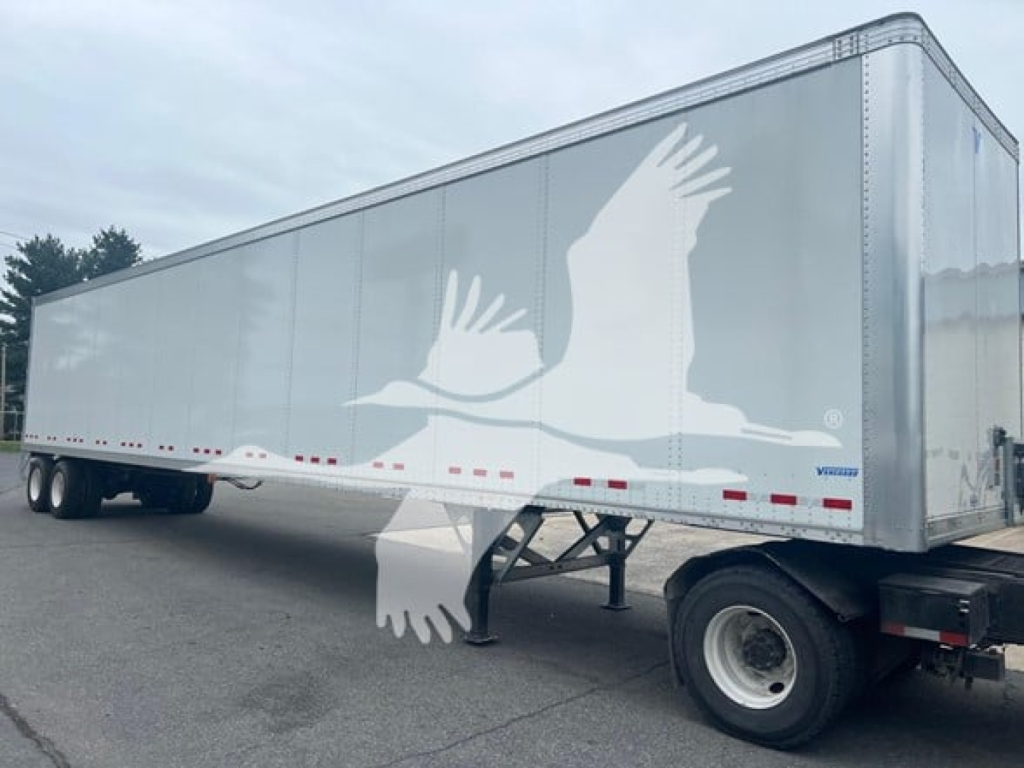
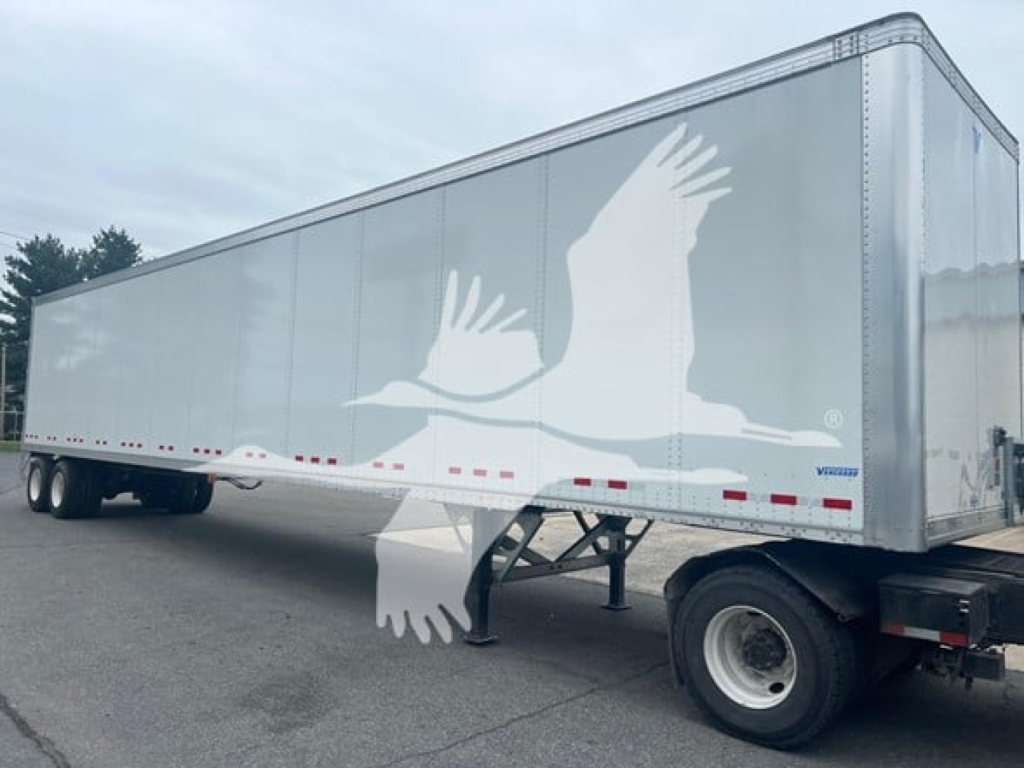
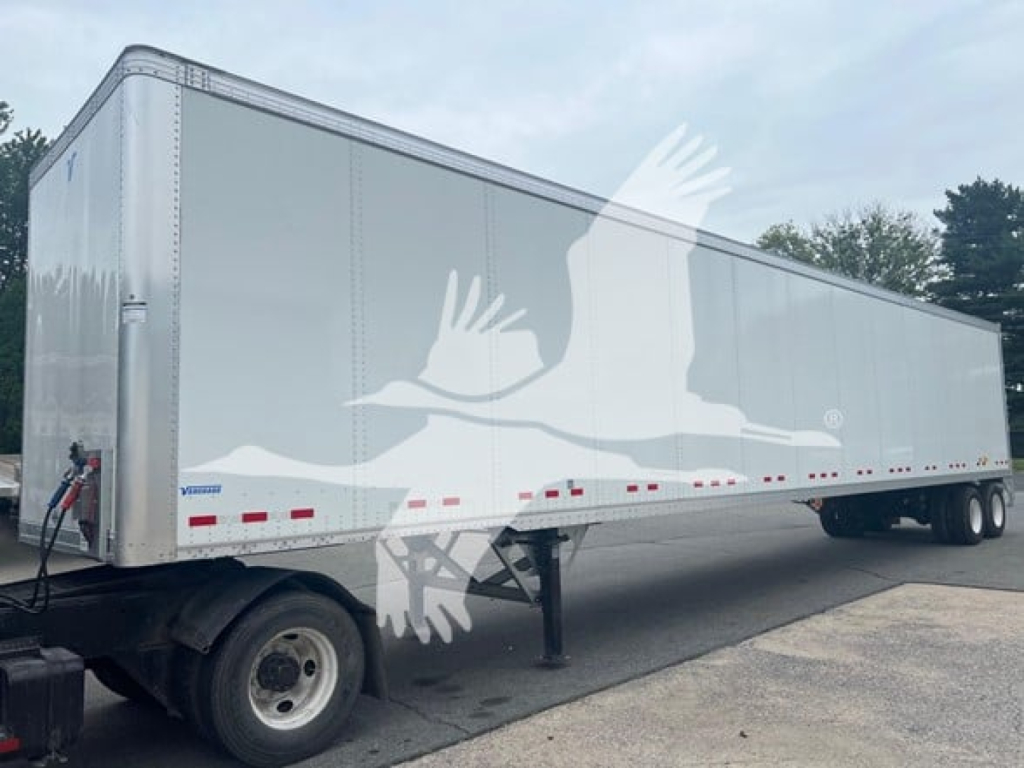
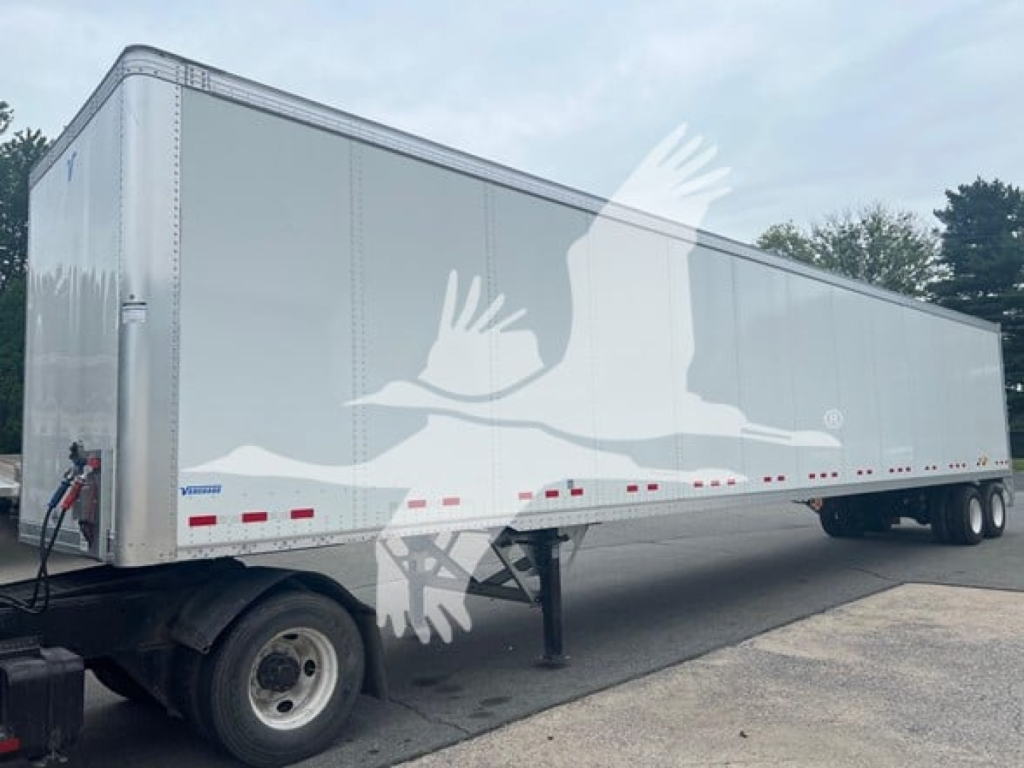
Have 2027 van trailer to sell? List it here to reach thousands of buyers.
2027 Van Trailers in Indiana
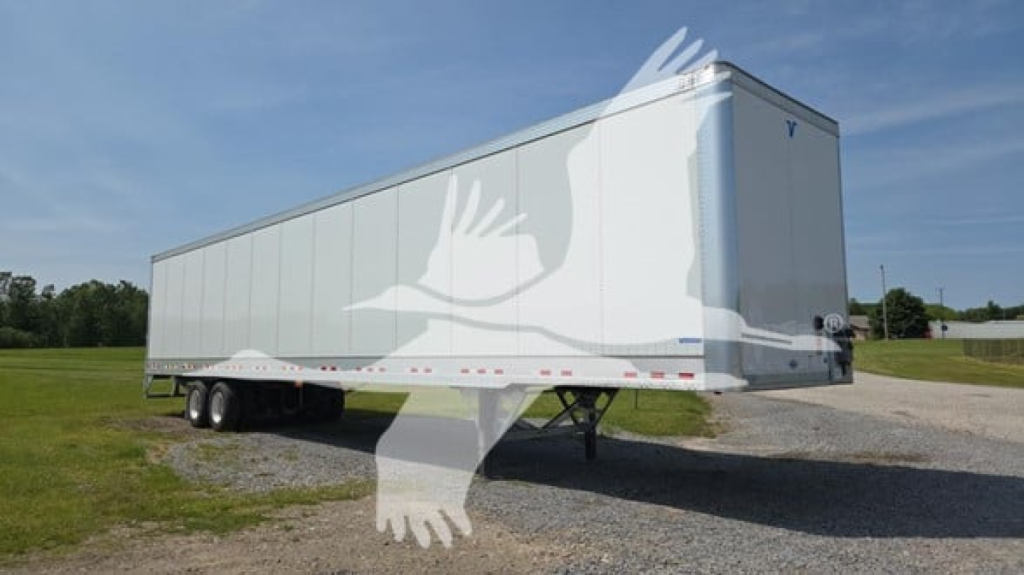
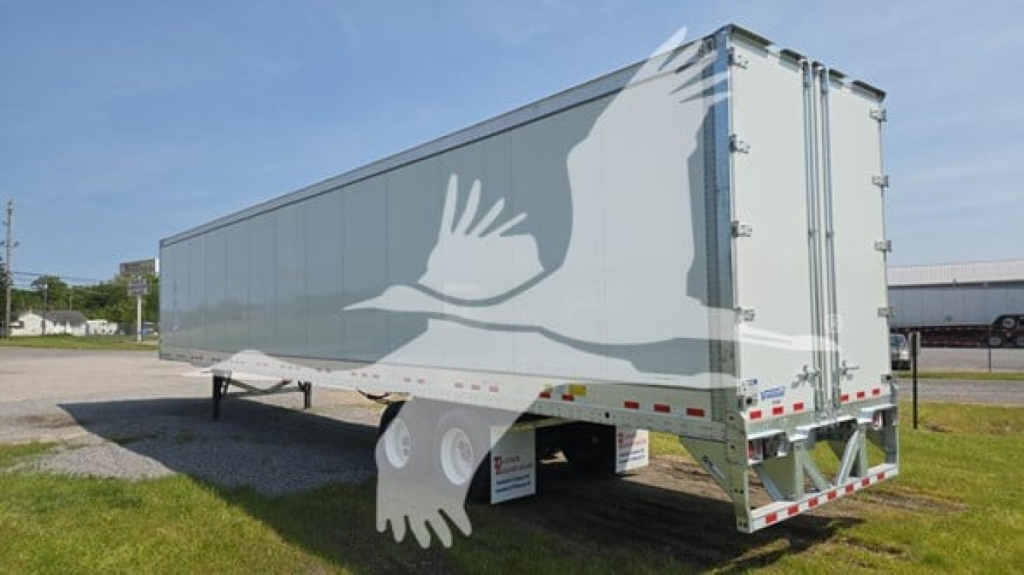
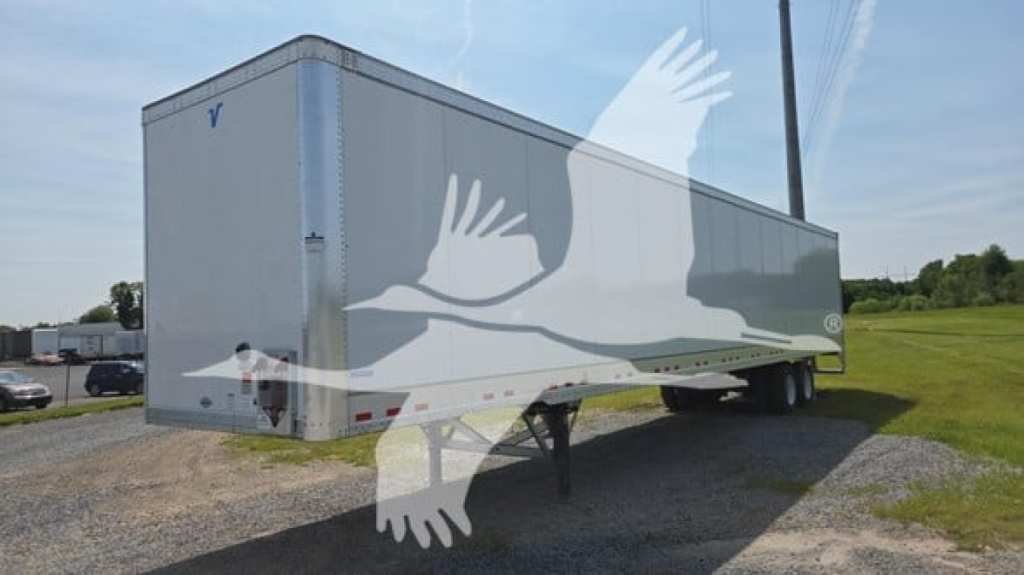
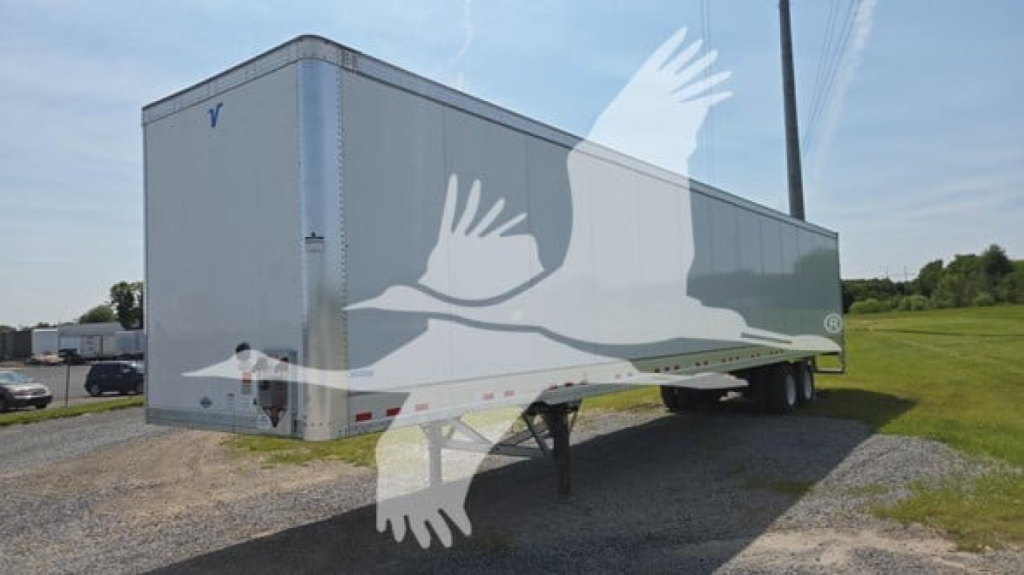
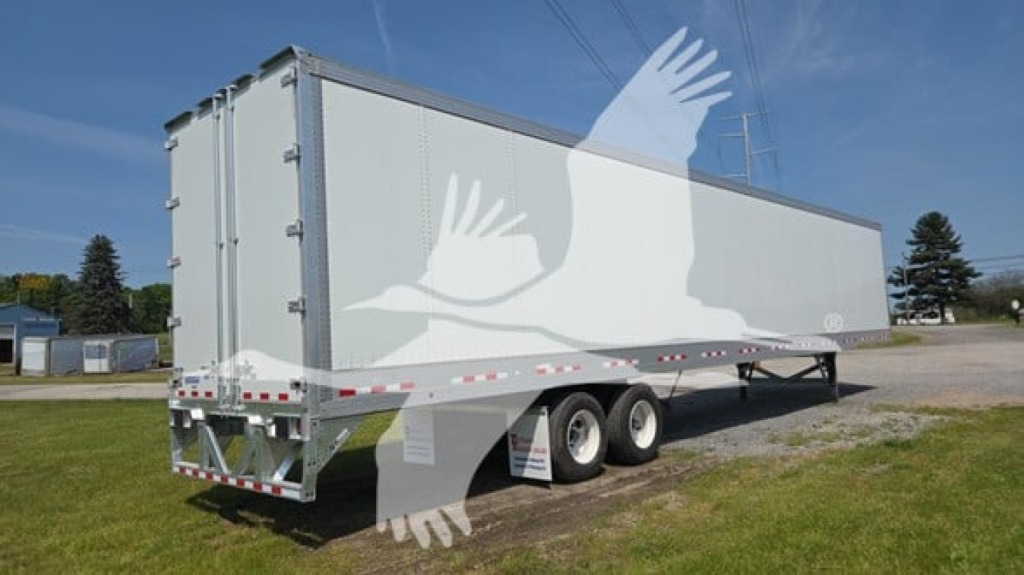
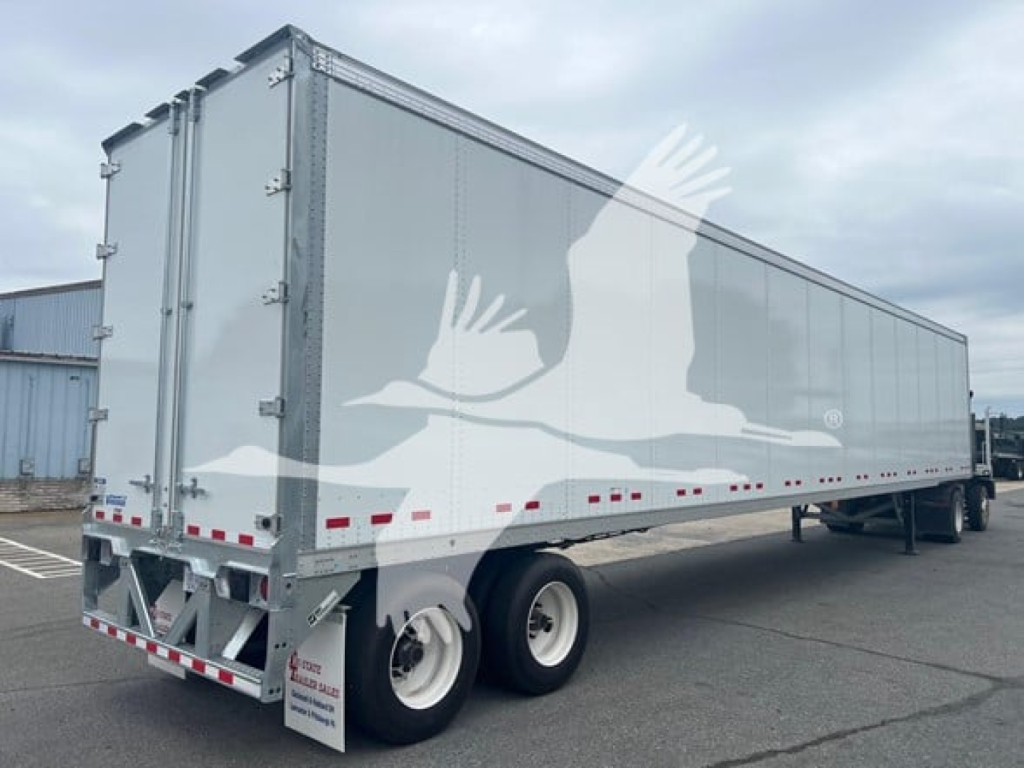
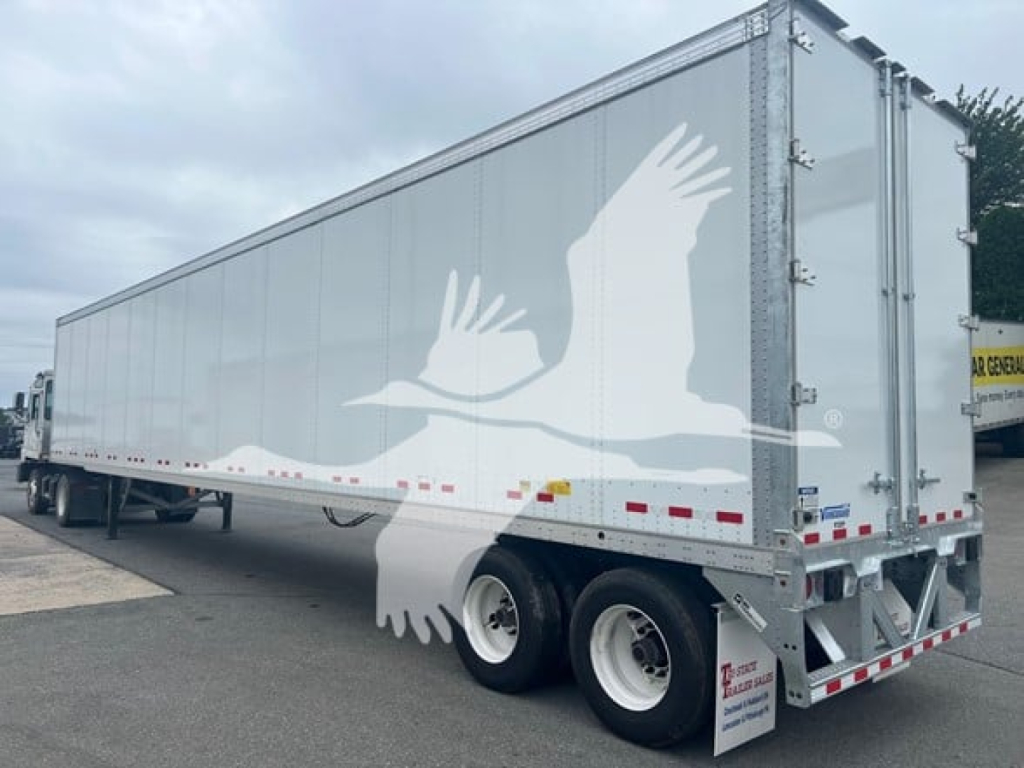
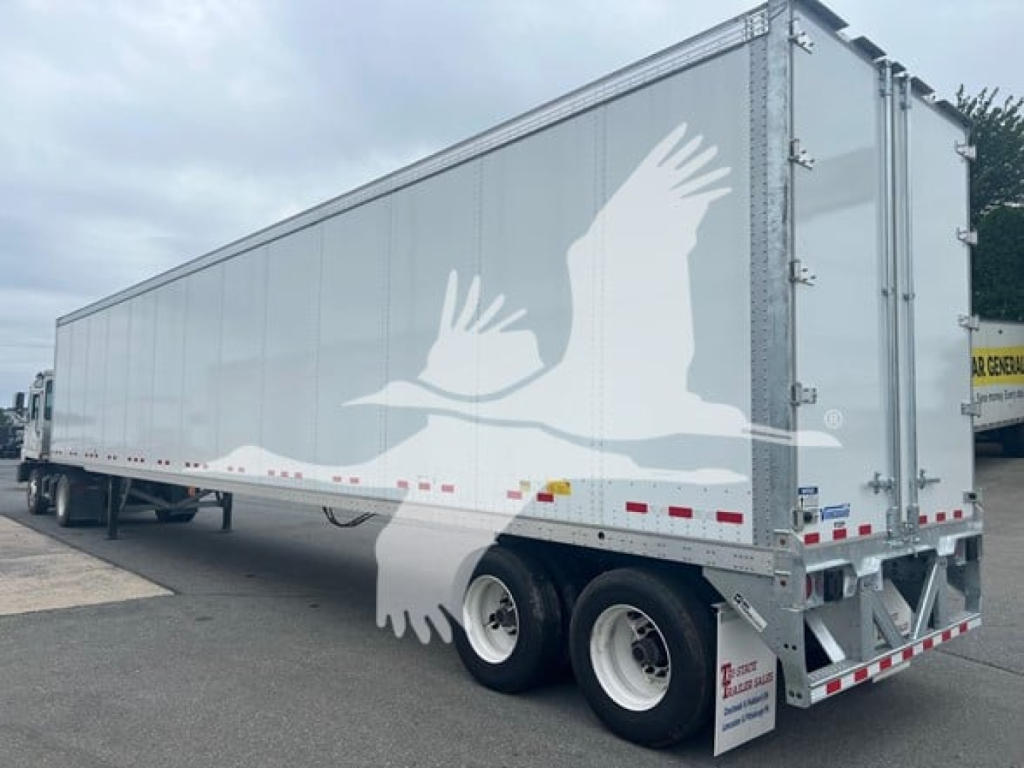
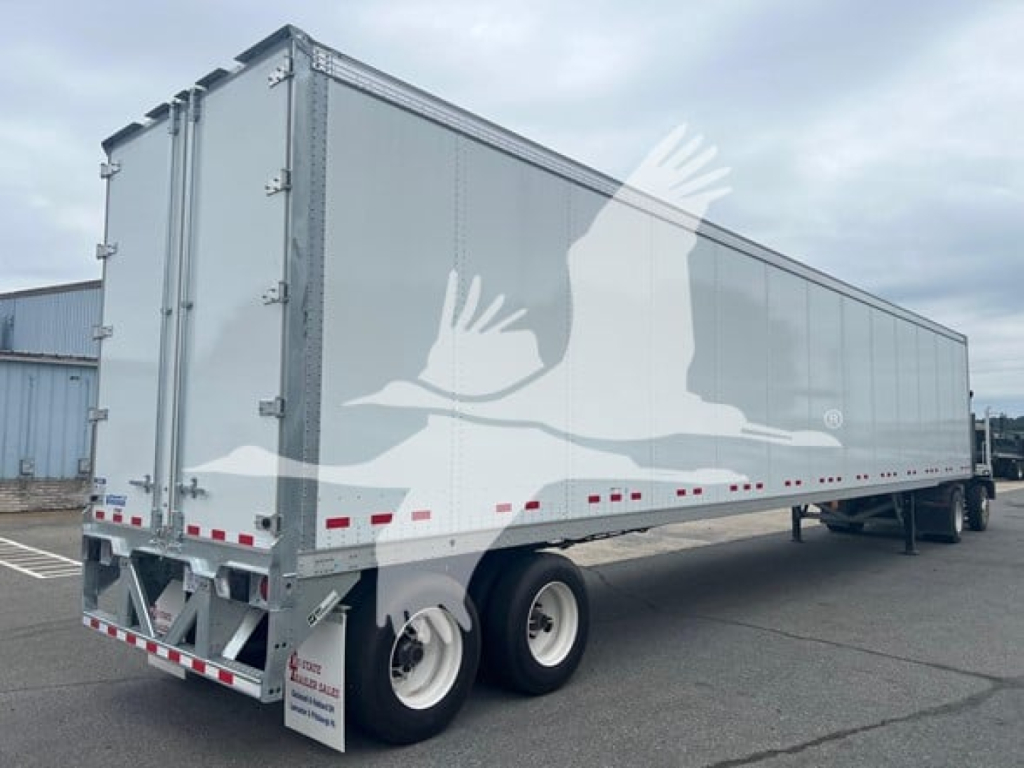
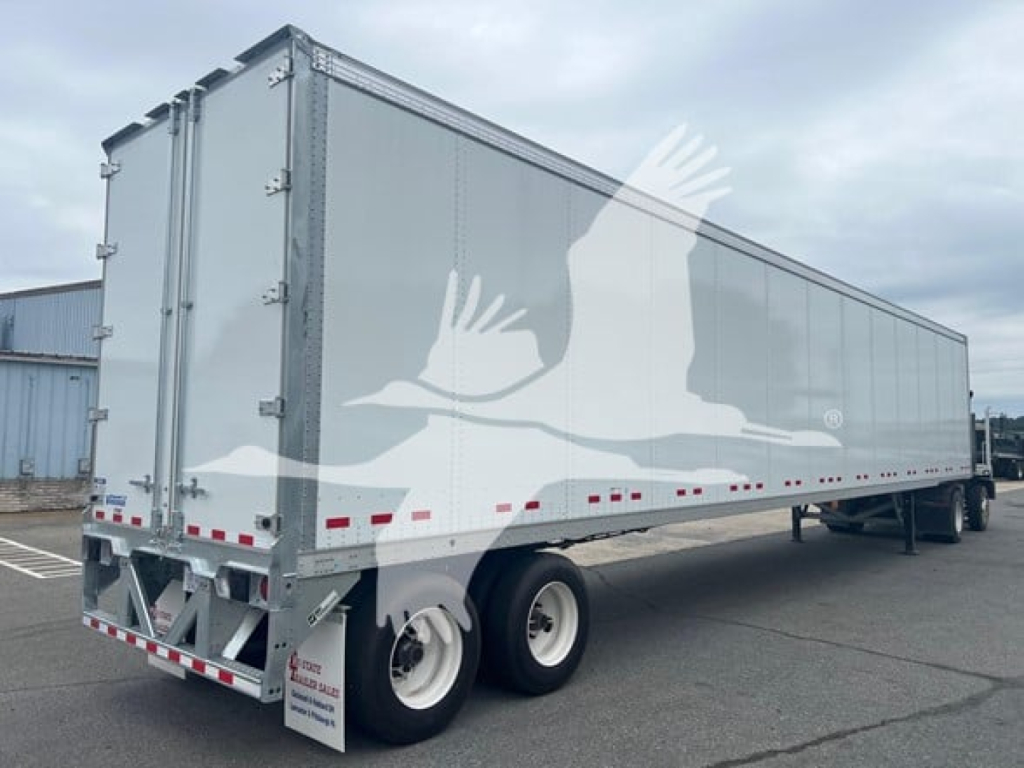
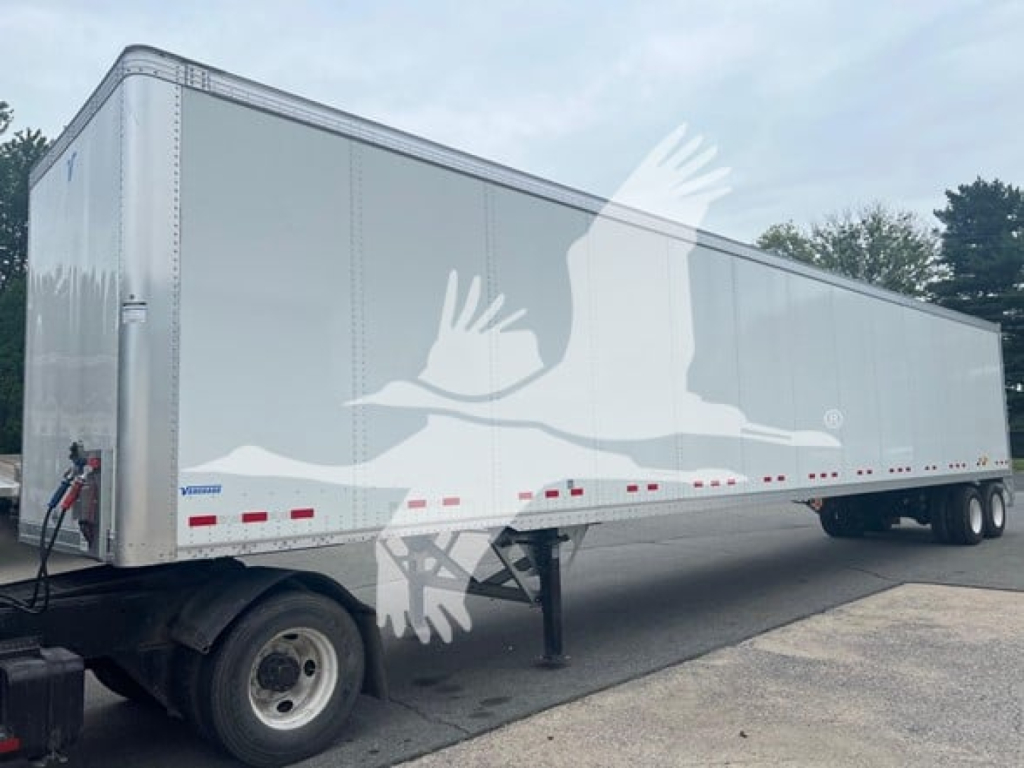
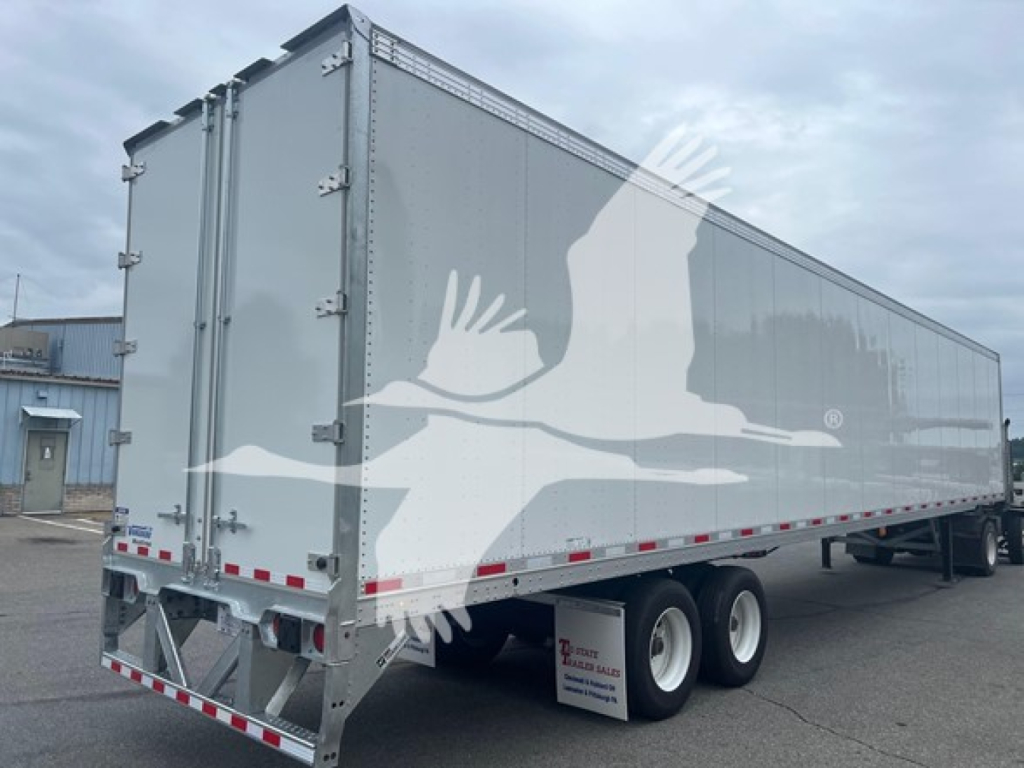
The common setup in this category is a plate or composite plate sidewall trailer with logistics posts, an oak floor, and air ride suspension. Many late-model vans use 48-inch post spacing, full-height nose lining, galvanized rear frames, and reinforced dock bumpers to handle repeated loading dock contact. A 1 3/8-inch oak floor is still a standard benchmark because it balances repairability, forklift durability, and resale value. Buyers comparing dry vans should look closely at crossmember spacing, floor fastener count, threshold plate construction, and scuff configuration. A high base rail design or heavier scuff package can make a difference in operations that routinely drag pallets, haul dense boxed freight, or see hard forklift turns near the walls.
Running gear matters just as much as the box. A typical 2027 van trailer in this class will have a sliding tandem, often on a 49-inch suspension setting, with air ride from suppliers like Hendrickson and standard ABS. Tire inflation systems are increasingly common and can cut roadside tire issues and irregular wear, especially in long regional or over-the-road service. A 36-inch kingpin setting is a familiar fleet spec for tractor compatibility, but buyers should still confirm bridge law needs, axle spread requirements, and how the trailer will match existing day cabs or sleepers. In Indiana and across the Midwest, galvanized rear structures, anti-snag roof bows, and quality landing gear are worth paying attention to because they directly affect trailer uptime through winter road treatment, dock impacts, and constant trailer shuttling.
The main buying decision usually comes down to freight profile and abuse level. Standard dry vans fit most palletized freight, while heavier-duty base rail and floor packages make more sense for beverage, paper, packaging, and dense warehouse freight with frequent forklift traffic. Also known as a dry van trailer or enclosed van trailer, this category is the backbone of general freight because it protects cargo from weather, secures loads, and works across nearly every major shipping lane. When comparing listings, focus on interior dimensions, rear door opening, suspension spec, floor rating, scuff protection, and corrosion-resistant components. Those are the specs that determine how well a van trailer holds up after years of dock work, not just how it looks on day one.
Frequently Asked Questions about 2027 Van Trailers in Indiana
What is the most common size for a dry van trailer?
The most common dry van trailer size is 53 feet long, 102 inches wide, and 13 feet 6 inches tall overall. That configuration gives fleets the cube and dock compatibility needed for standard over-the-road and regional freight. Interior dimensions vary slightly by manufacturer, but buyers typically expect around 110 inches of inside height and a rear door opening built for standard palletized freight and forklift access.
What should I look for in a 2027 van trailer floor and wall construction?
Floor and wall construction should match the kind of freight and forklift traffic the trailer will see. A 1 3/8-inch oak floor remains a strong all-around choice because it is durable, serviceable, and widely accepted in resale markets. On the wall side, composite plate construction, full-height nose lining, and a proper scuff package help the trailer handle pallet rub, shifting cargo, and repeated loading cycles. If the freight is dense or the docks are rough, heavier scuff and base rail designs are worth serious consideration.
Why is a sliding tandem important on a van trailer?
A sliding tandem gives the trailer flexibility for axle weight distribution, bridge law compliance, and dock positioning. It helps carriers adjust the axle location to meet state bridge requirements and to better balance loads between tractor and trailer axles. For operations running across Indiana and into surrounding Midwestern states, a sliding tandem is a practical requirement because freight weights, customer docks, and route restrictions can vary from stop to stop.
Is air ride suspension worth it on a dry van trailer?
Air ride suspension is the preferred spec for many van trailer buyers because it improves ride quality and helps reduce cargo shock compared with harsher suspension designs. It is especially useful for higher-value palletized freight, packaged consumer goods, and lanes where trailer stability matters during long highway runs. Air ride also tends to support better resale appeal, particularly when paired with quality components such as a reputable suspension brand, ABS, and a tire inflation system.
What features improve durability on a dry van used in Midwest service?
For Midwest service, corrosion resistance and dock-impact protection are key. Galvanized rear frames, galvanized bumpers, reinforced dock-lock areas, recessed dock bumpers, and anti-snag roof bows all help extend trailer life in harsh weather and high-contact loading environments. Buyers should also look at landing gear quality, rear door hardware, threshold plate construction, and tire management systems because those components see constant wear in regional distribution and drop-and-hook operations.