
Hyundai Van Trailers For Sale in Colorado
Shop Hyundai van trailers for sale in Colorado. Compare 53-foot dry vans with air ride, roll doors, logistics posts, wearbands, and sliders.
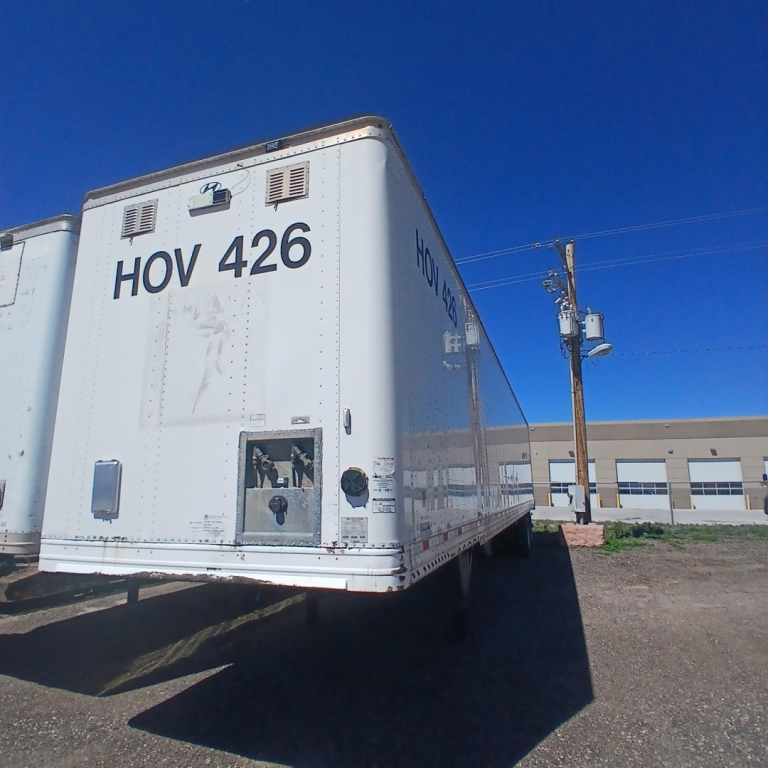
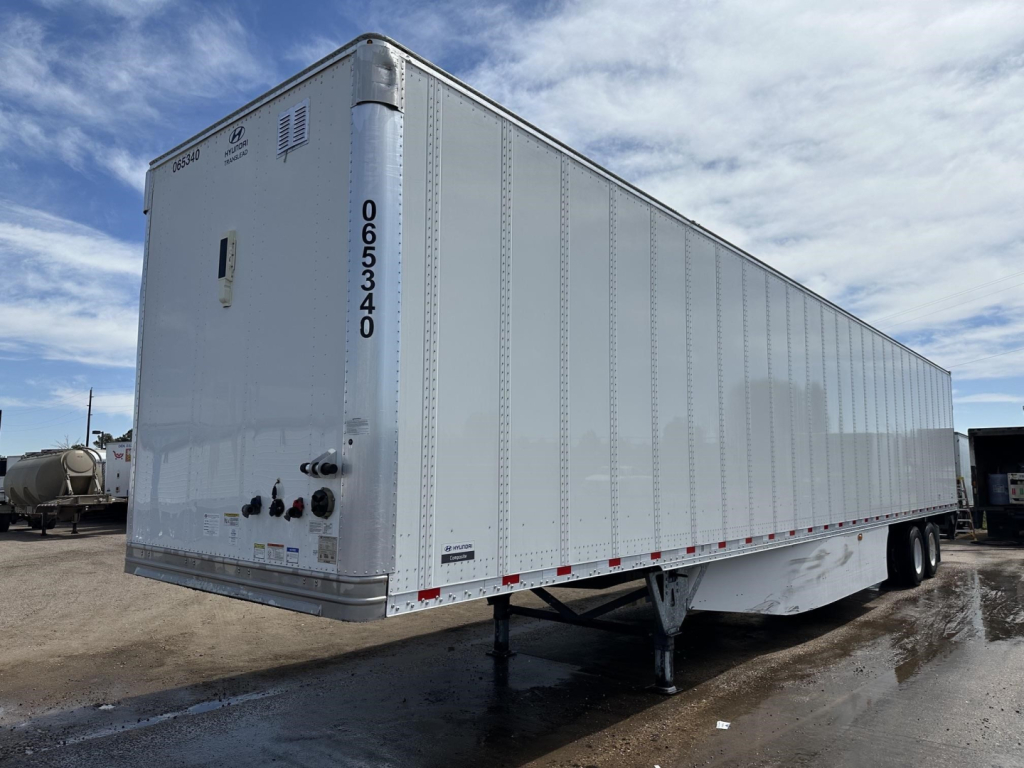
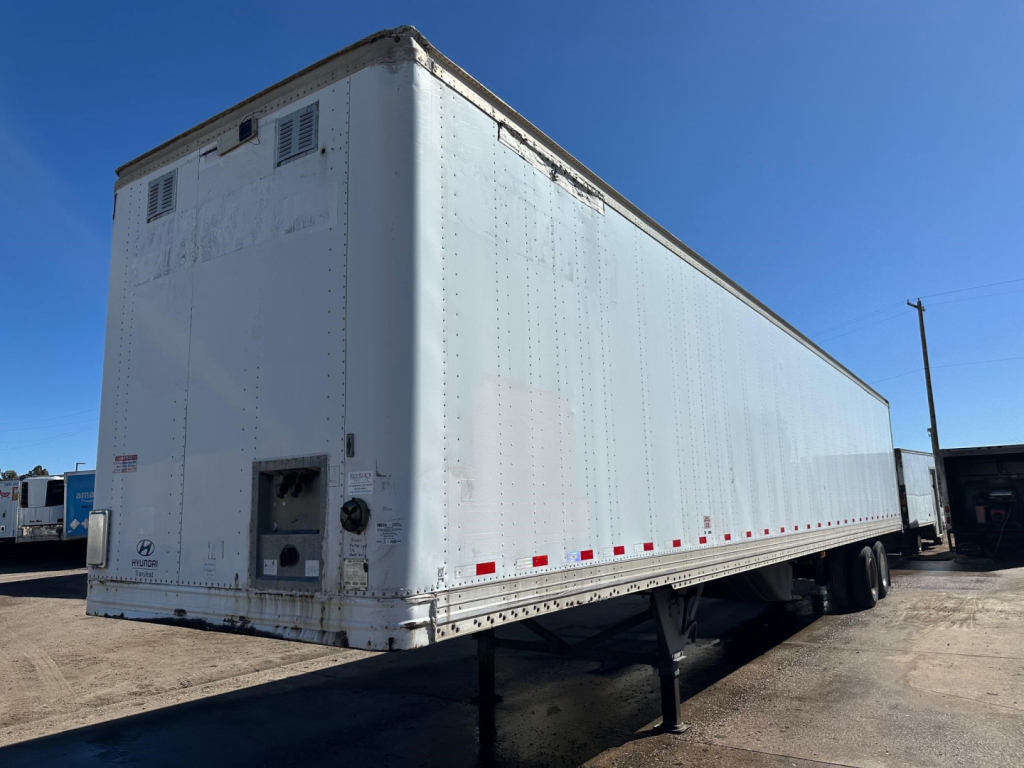
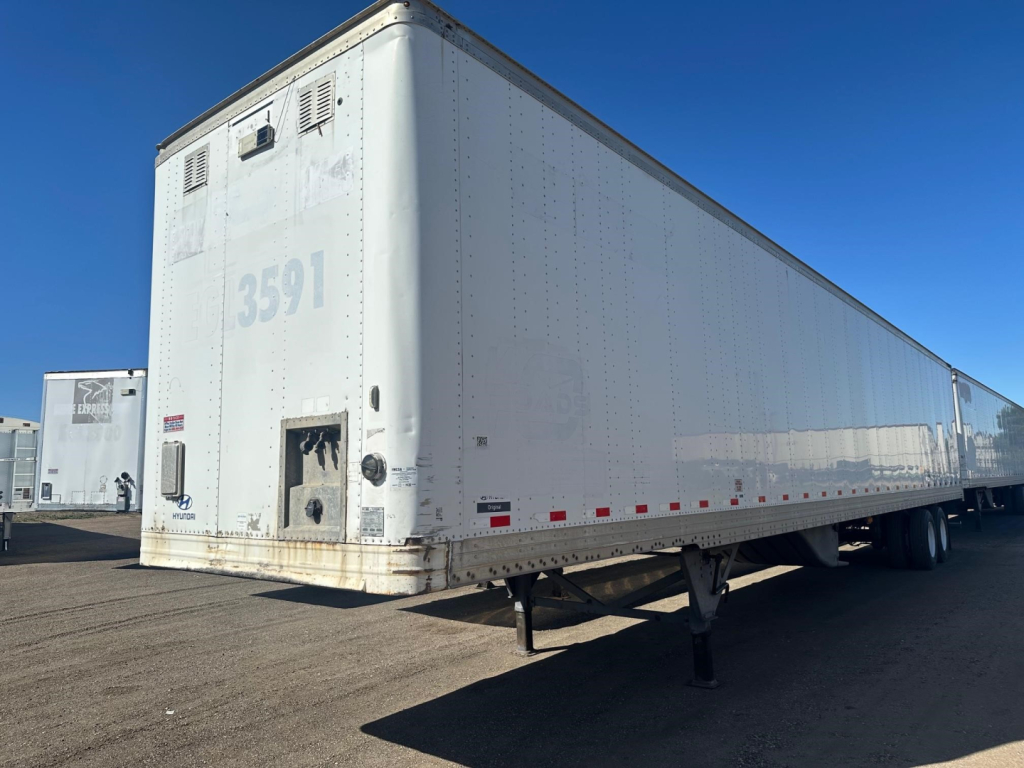
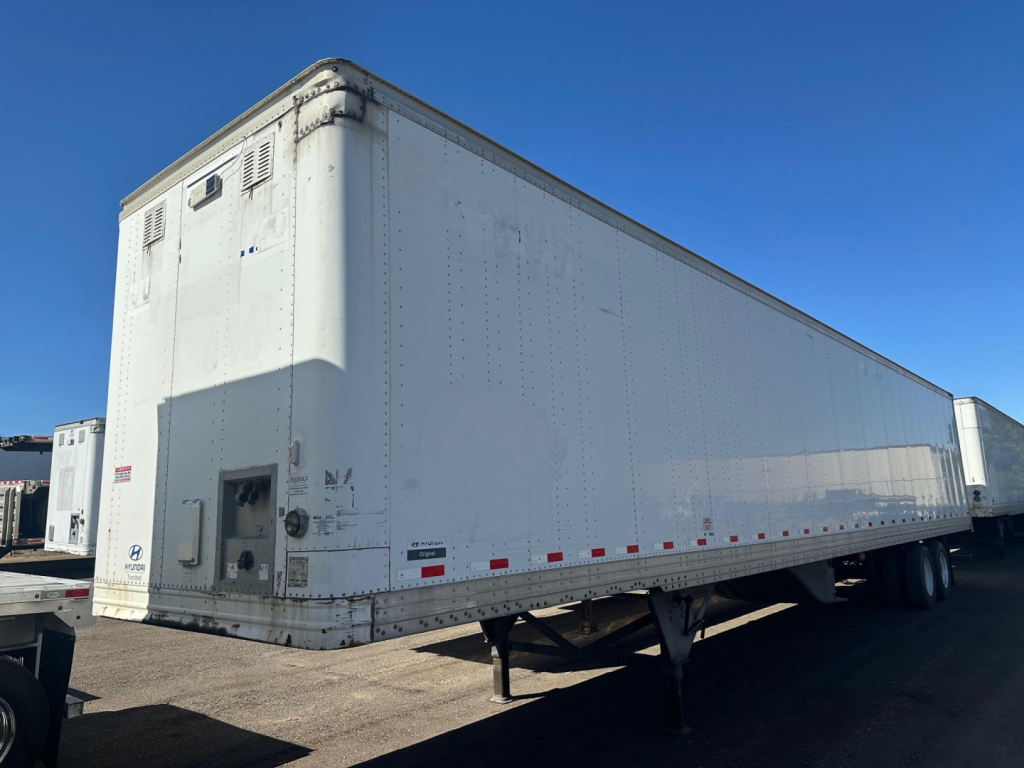
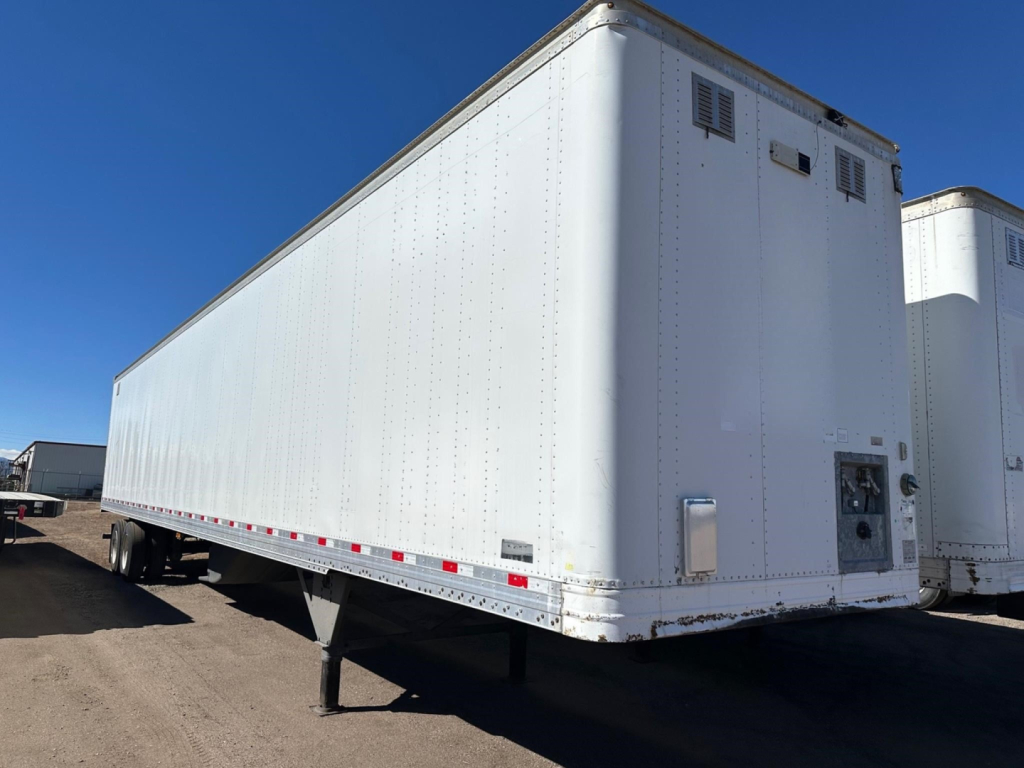
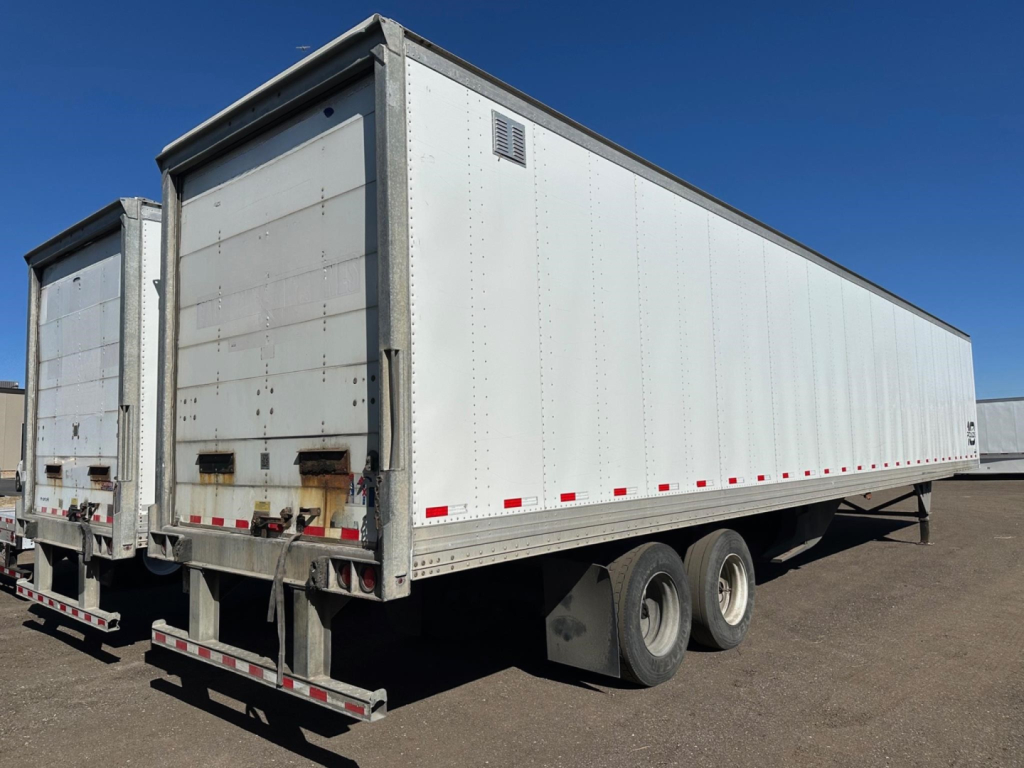
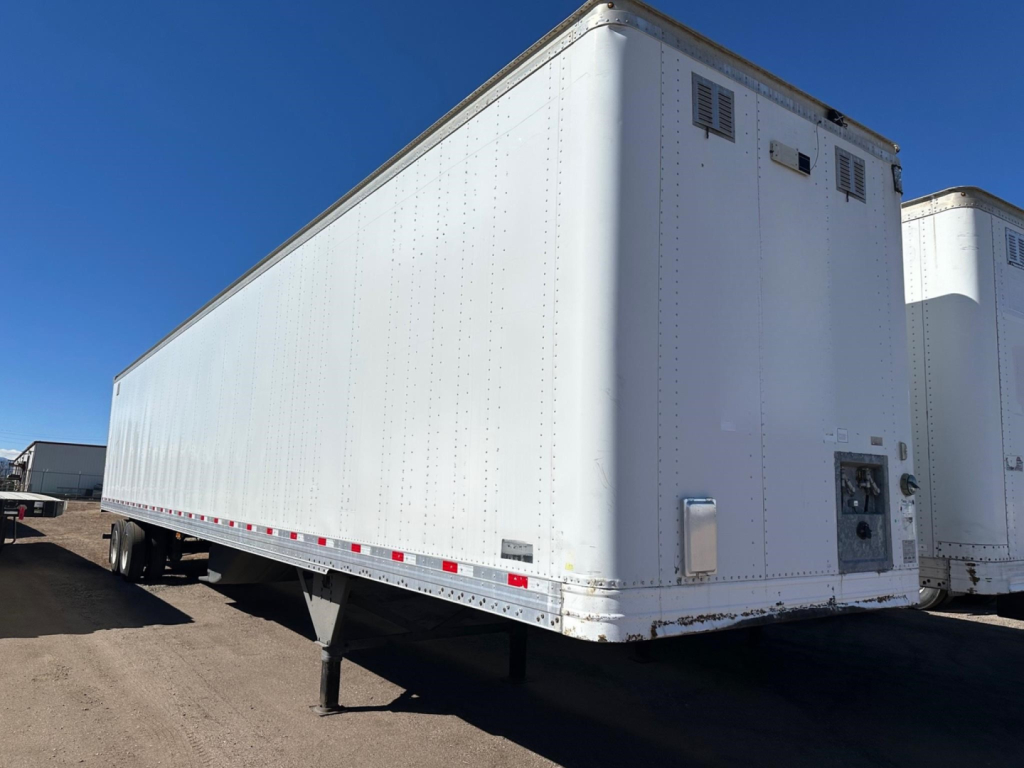
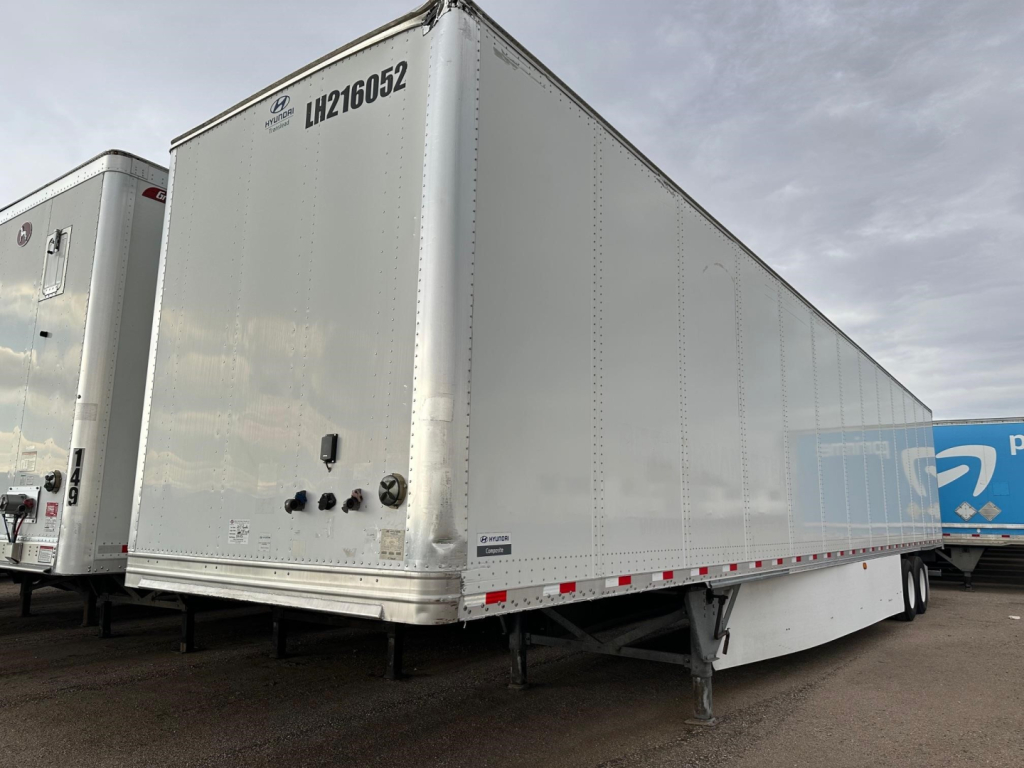
Have hyundai van trailer to sell? List it here to reach thousands of buyers.
Hyundai Van Trailers in Colorado
A lot of the buying decision comes down to trailer configuration rather than brand name alone. Common Hyundai dry van specs include roll-up rear doors, air slide suspensions or air pin sliders, smooth aluminum side panels, aluminum roofs, wood floors, and plate or plywood interior wall liners. Logistics posts, E-track, and scuff liners or wearbands are especially important if the trailer will handle mixed LTL, grocery, packaged goods, or freight that shifts between shippers with different securement requirements. Closed tandem setups are common on fleet-style vans, and buyers should pay close attention to kingpin setting, slider travel, crossmember condition, threshold plate wear, rear frame structure, and evidence of repeated dock impact.
For Colorado buyers, suspension and tire spec deserve extra attention. Air ride is preferred for protecting freight on rougher secondary roads and for reducing shock on higher-value loads. Tire inflation systems such as PSI can be a real advantage on long runs and temperature swings, helping maintain casing life and reduce roadside downtime. Roll doors are popular in multi-stop service because they hold up well at busy docks, though swing doors can still appeal to fleets that prioritize full rear opening and lighter rear hardware. If fuel economy matters, side skirts can improve efficiency on highway lanes, but they should be inspected for damage if the trailer has seen heavy dock and yard use.
A used Hyundai van trailer is usually best evaluated by floor life, roof integrity, door operation, and suspension condition before cosmetics. Look for floor repairs around forklift traffic zones, moisture intrusion at seams, bowing in sidewalls, and cracking near upper coupler or rear sill areas. Also confirm the interior layout matches the freight profile. Two rows of E-track may be useful for mixed freight and partial loads, while a simpler plate-wall and wood-floor setup may be enough for straight dock-to-dock dry freight. For many fleets and owner-operators, Hyundai dry vans remain a practical, easy-to-spec trailer class with parts familiarity and configurations that fit a wide range of hauling needs.
Frequently Asked Questions about Hyundai Van Trailers in Colorado
What are the most common specs on a Hyundai van trailer?
Most Hyundai van trailers in this category are 53 feet long and 102 inches wide with tandem axles, air ride suspension, and dry van bodies built for general freight. Common equipment includes roll-up rear doors, aluminum roofs, smooth side panels, wood floors, plate or plywood wall liners, wearbands or scuff protection, and sliding tandem systems such as air pin sliders. Many units also include logistics posts or E-track for better cargo securement flexibility.
Is air ride important on a Hyundai dry van trailer?
Air ride is a strong advantage for most dry van operations because it helps reduce vibration and cargo shock compared with basic mechanical suspension. That can matter for packaged goods, retail freight, food-related loads, and any lane with rough pavement or long mileage. It also tends to be preferred in fleet service because it supports better ride quality, helps protect the trailer structure over time, and is widely accepted by shippers handling more damage-sensitive freight.
What should I inspect first on a used Hyundai van trailer?
Start with the floor, roof, rear frame, suspension, and door assembly. The floor tells you a lot about forklift traffic and overall use, especially around the threshold plate and high-impact loading zones. Check the roof and seams for leaks, inspect sidewalls for damage or interior bulging, and look closely at crossmembers, slider rails, and suspension components for corrosion, cracks, or hard use. Rear roll doors should track smoothly and seal correctly, and dock impact damage around the rear sill and bumper should be evaluated carefully.
Are roll doors better than swing doors on a dry van trailer?
Roll doors are often preferred for frequent dock work because they are quick to operate and less likely to be damaged by tight dock conditions when opened properly. They are common on fleet dry vans used in regional distribution and multi-stop service. Swing doors can provide a wider full-height rear opening and slightly simpler hardware, which some operators prefer for certain loading patterns. The better choice depends on freight type, dock environment, and how often the trailer is loaded and unloaded.
Why do logistics posts, E-track, and wearbands matter in a van trailer?
These features improve cargo control and help protect the trailer interior. Logistics posts and E-track give drivers and warehouse crews more tie-down options for partial loads, mixed freight, and freight that cannot simply be blocked by pallet position alone. Wearbands or scuff liners help shield the lower walls from repeated contact by pallets and forklifts, which can extend trailer life and reduce interior wall damage in heavier-use operations.