
2017 Hyundai Van Trailers For Sale in Colorado
Shop 2017 Hyundai van trailers for sale in Colorado. Compare 53-foot dry vans with air ride, sliding tandems, logistics posts, and roll or swing doors.
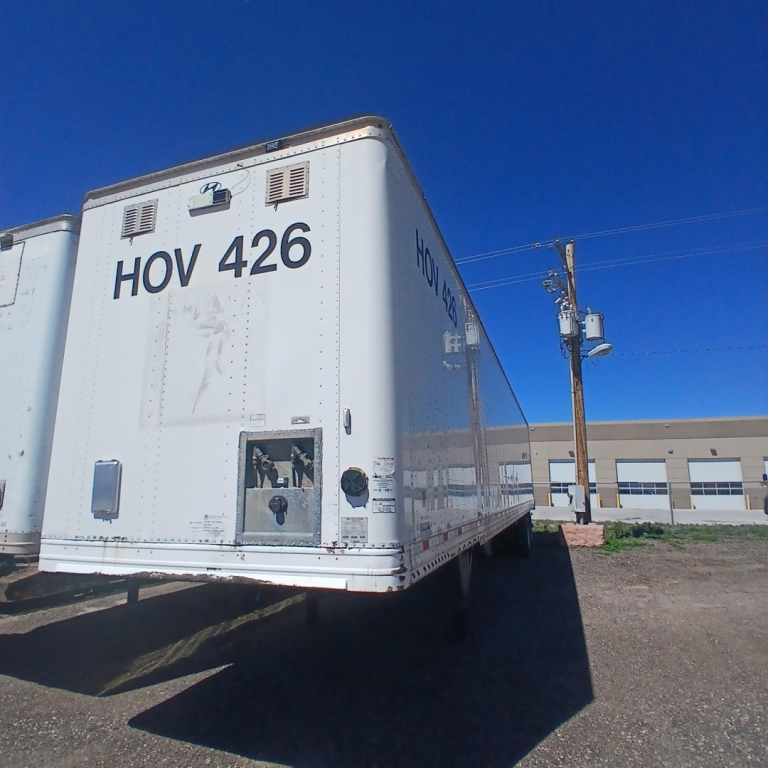
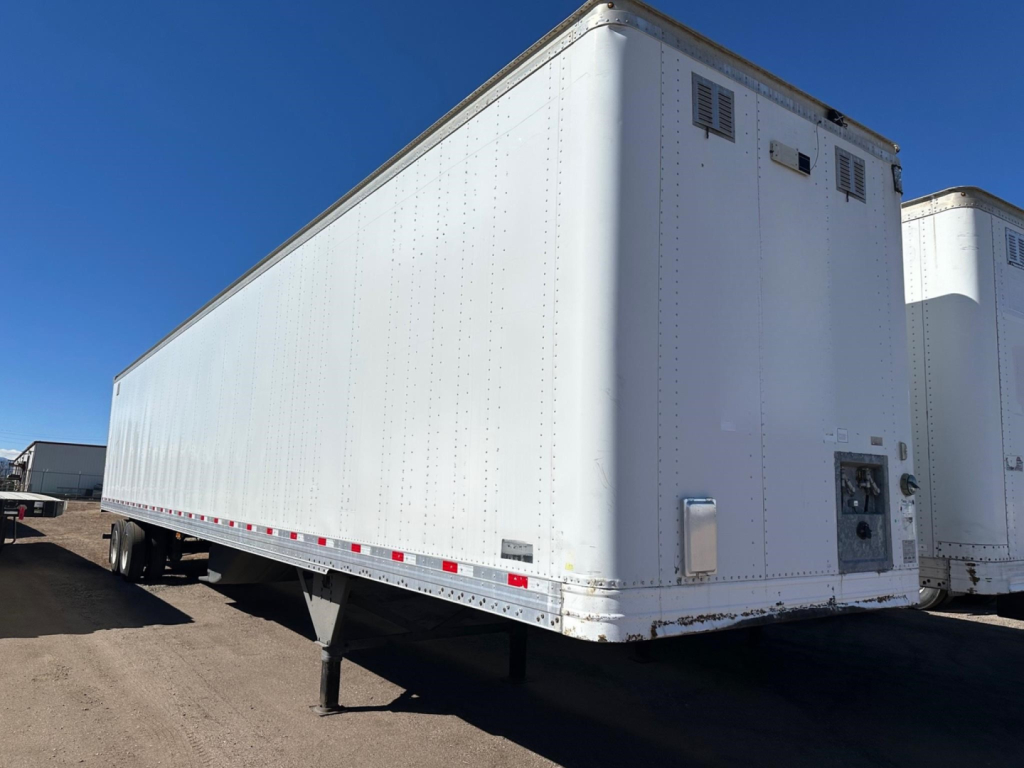
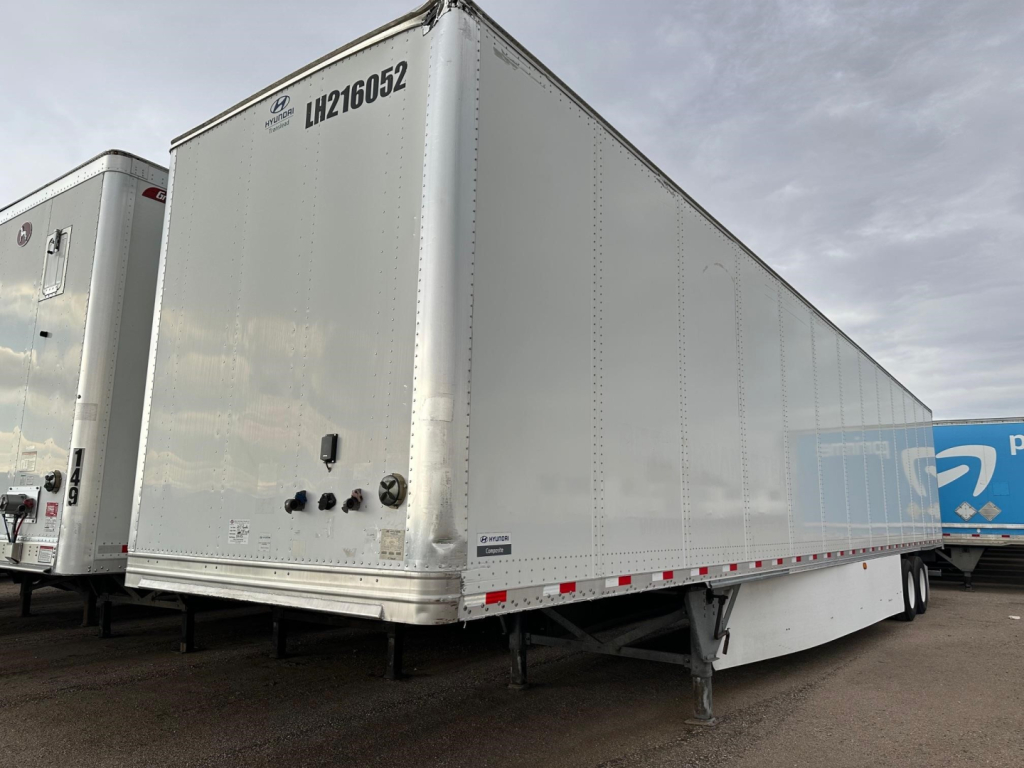
Have 2017 hyundai van trailer to sell? List it here to reach thousands of buyers.
2017 Hyundai Van Trailers in Colorado
Many 2017 Hyundai van trailers in Colorado are set up with aluminum roofs, plywood liner walls, aluminum scuff bands, threshold plates, and either aluminum or mixed-material floor systems. Roll doors can make sense for frequent dock work in tight urban stops, while swing doors are simpler and often preferred for long-haul fleet service because they are lighter and easier to maintain when hinges and seals are kept in shape. Logistics posts, E-track, wear bands, and anti-dock walk systems add practical value if the trailer will handle mixed freight or repeated dock loading.
Running gear matters as much as the box. Air ride is the common spec in this class because it protects freight better than spring ride and is widely accepted in dedicated and contract freight. Sliding tandems with air pin release help with bridge law compliance and dock positioning, especially on regional and interstate lanes. Tire inflation systems, 22.5 low-profile tires, disc or steel wheels, and side skirts are all features buyers should evaluate for maintenance cost, fuel economy, and uptime. On a used 2017 unit, pay close attention to slider rail wear, suspension bushings, brake condition, tire age, rear frame corrosion, roof bow integrity, and evidence of prior wall or floor repair.
Colorado buyers often look closely at undercarriage condition because temperature swings, elevation, and year-round highway use can expose weaknesses in brakes, seals, and structural components. A clean 2017 Hyundai dry van with a solid floor, straight sidewalls, smooth roof, and undamaged rear frame can still fit demanding fleet or owner-operator service. If the trailer includes plywood lining, scuff protection, and logistics securement, it is usually better suited for versatile freight than a bare-wall spec. Hyundai dry vans are known in the market for practical fleet specifications, broad parts familiarity, and straightforward resale appeal, which makes this model year a relevant option for buyers focused on utility and operating cost.
Frequently Asked Questions about 2017 Hyundai Van Trailers in Colorado
What are the common specs on a 2017 Hyundai van trailer?
Most 2017 Hyundai van trailers on the used market are 53-foot by 102-inch dry vans with a 13-foot 6-inch overall height. Common specifications include air ride suspension, sliding tandems, 22.5 low-profile tires, aluminum roofs, plywood liner walls, scuff bands, threshold plates, and either swing or roll doors. Many are also equipped with logistics posts, E-track, tire inflation systems, and aerodynamic side skirts depending on their original fleet assignment.
Is a roll door or swing door better on a used Hyundai dry van?
It depends on the freight pattern and operating environment. Roll doors are useful in frequent dock work and tight delivery spaces because they open straight up and reduce door swing issues at crowded docks. Swing doors are mechanically simpler, often lighter, and can be less expensive to maintain over time if hinges, seals, and locking hardware are in good condition. On a used trailer, condition matters more than door style alone, so buyers should inspect tracks, cables, hinges, frame alignment, and seal integrity.
What should I inspect first on a 2017 used van trailer?
Start with the floor, rear frame, roof, and running gear. Check for soft spots, patchwork, excessive wear at forklift lanes, cracked crossmembers, rear sill damage, corrosion, and signs of impact around the door frame. Then inspect the tandem slider operation, suspension components, brake system, tire condition, wheel ends, and any tire inflation system. Inside the trailer, look for liner damage, missing scuff protection, wall repairs, moisture intrusion, and securement equipment condition.
Are 2017 Hyundai van trailers good for general freight?
Yes. This trailer class is widely used for dry freight, packaged goods, consumer products, palletized shipments, and contract distribution. A 2017 Hyundai dry van with air ride and a logistics-equipped interior is especially useful for mixed commodity work because it balances freight protection, loading flexibility, and broad shipper acceptance. The best fit depends on floor condition, cube requirements, dock frequency, and whether the trailer has the securement setup your freight requires.
Do side skirts and tire inflation systems add value on a used dry van?
They can, especially in fleet service where fuel economy and uptime are measured closely. Side skirts may help reduce aerodynamic drag on highway lanes, and an automatic tire inflation system can help maintain more consistent tire pressure and reduce irregular wear. On a used trailer, these features only add value if they are complete and functioning correctly. Damaged fairings, leaking air lines, or neglected wheel-end components can offset the benefit, so buyers should inspect them carefully.