
2017 Hyundai Van Trailers For Sale
Browse 2017 Hyundai van trailers with specs buyers want most, including 53-foot dry vans, air ride, sliding tandems, logistics posts, and door options.
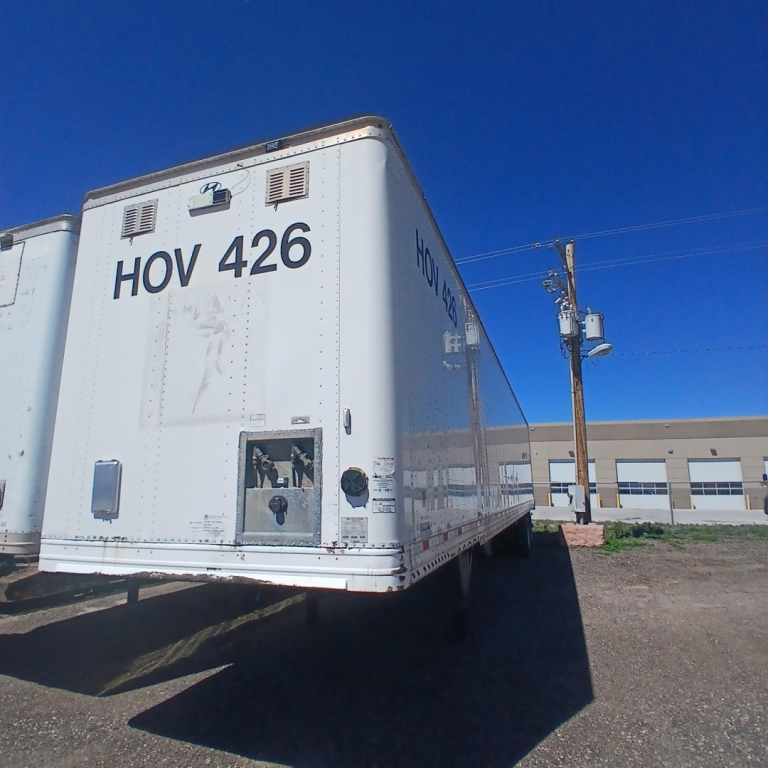
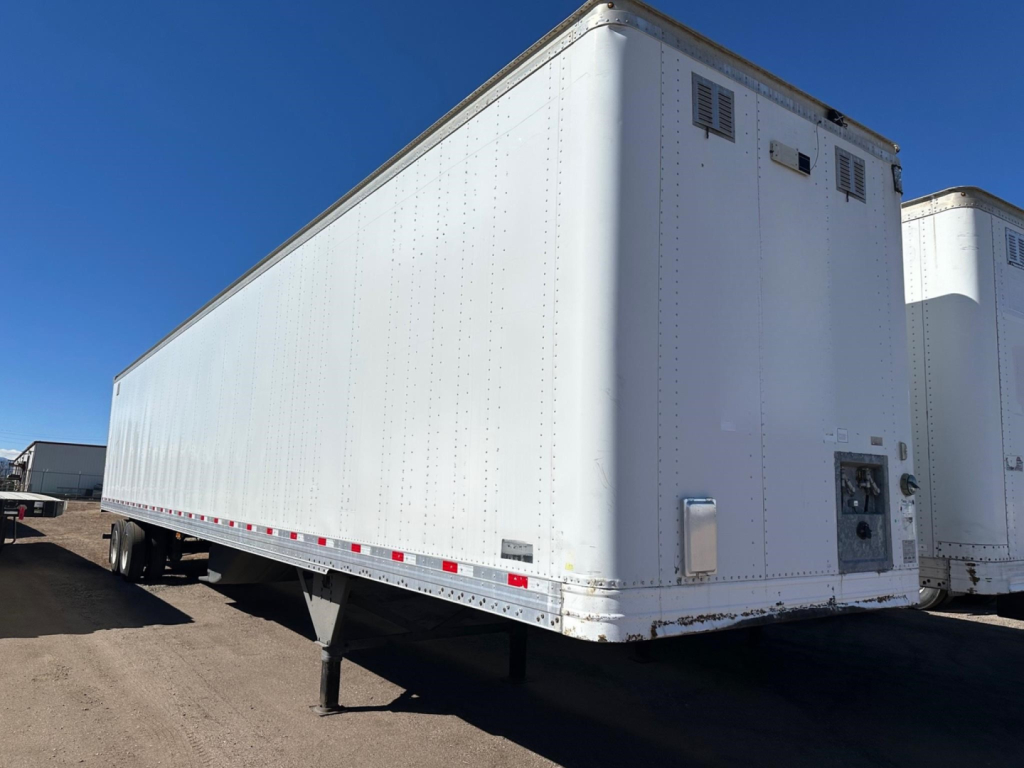
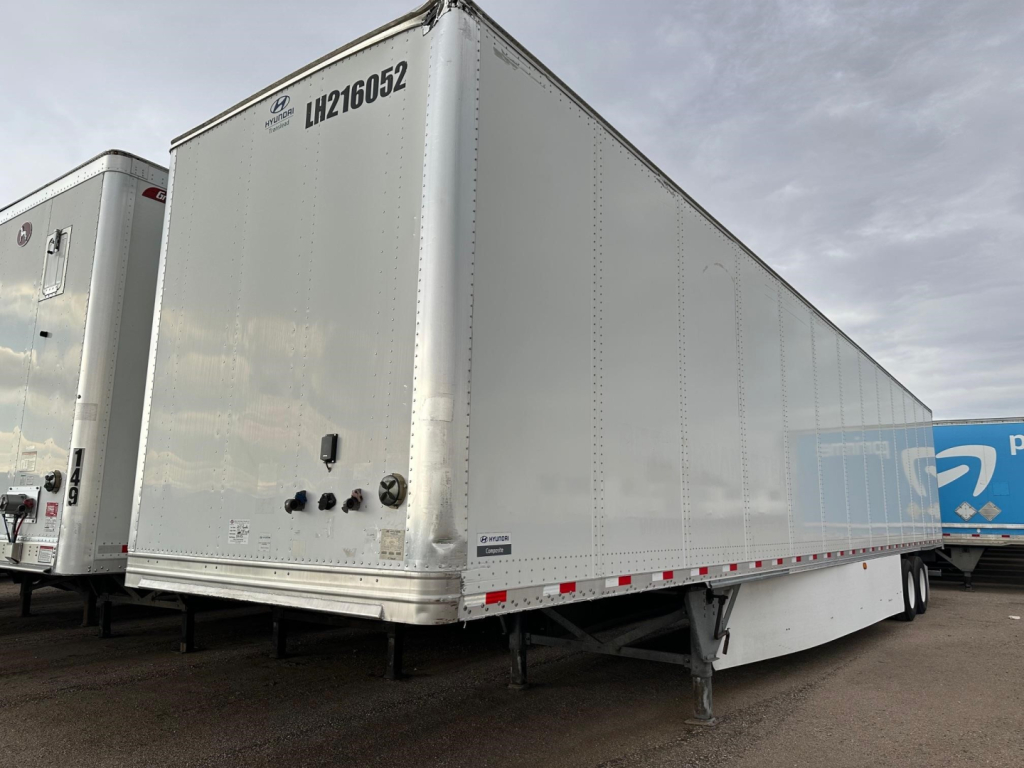

Have 2017 hyundai van trailer to sell? List it here to reach thousands of buyers.
2017 Hyundai Van Trailers
The most important buying decisions on a 2017 Hyundai van trailer usually come down to interior spec and rear access. Logistics posts or full-length E-track add flexibility for load securement, especially for mixed freight and dedicated customer freight with changing pallet counts. Plywood or Kemlite lining, scuff plates, and threshold plates help protect the trailer in daily forklift service and can make a big difference in long-term wall and floor condition. Rear door style matters too. Swing doors are simple and durable, while roll-up doors can speed dock work and reduce door swing clearance issues in tight yards. A wood floor remains the standard on many dry vans because it is proven, serviceable, and familiar to most fleets and repair shops.
Running gear is another key area to compare across listings. Many 2017 Hyundai van trailers are equipped with air ride suspension and a sliding tandem, a combination that supports load protection, axle compliance, and day-to-day flexibility in bridge law and weight distribution. Buyers should verify kingpin setting, tandem slide range, tire size, wheel type, brake condition, and whether the trailer has standard steel components or corrosion-resistant pieces such as galvanized rear frames and bumpers. On aerodynamic fleet specs, side skirts are common and can add fuel-saving value on long highway routes. Tire inflation systems, when present, are worth noting for fleets focused on tire life, roadside reduction, and maintenance control.
Condition matters more than model year in this category, so a close look at structural and wear items is essential. Check roof condition, nose integrity, crossmember spacing, floor wear at forklift travel paths, door frame alignment, and signs of wall delamination or heavy interior impact. Review suspension type, landing gear operation, ABS status, and the condition of the underframe in northern or corrosive regions. A well-maintained 2017 Hyundai van can still be a strong fit for regional or over-the-road service if the trailer has a solid floor, straight body, clean maintenance history, and the interior specs needed for your freight profile.
Frequently Asked Questions about 2017 Hyundai Van Trailers
What are the common specs on a 2017 Hyundai van trailer?
Most 2017 Hyundai van trailers on the used market are 53-foot dry vans with a 102-inch exterior width and 13-foot 6-inch overall height. Common specs include air ride suspension, sliding tandems, 22.5 low-profile tires, wood floors, scuff liners, threshold plates, and either swing or roll-up rear doors. Many are also equipped with logistics posts or E-track for flexible cargo securement.
Is a 2017 Hyundai dry van a good choice for general freight?
Yes. A 2017 Hyundai dry van is well suited for general freight, retail freight, packaged goods, and palletized warehouse freight. This trailer class is popular because it offers broad shipper acceptance, enclosed cargo protection, and straightforward maintenance. The right trailer for your operation depends on interior lining, door style, suspension, and overall structural condition more than the badge alone.
What should I inspect first on a used 2017 Hyundai van trailer?
Start with the floor, roof, rear frame, doors, and suspension. Floor wear from forklift traffic can be expensive to correct, and roof leaks can lead to hidden interior damage. Buyers should also inspect crossmembers, sidewall condition, landing gear, ABS function, brake and tire wear, tandem slider operation, and any corrosion on the underframe or rear structure. A clean maintenance record adds real value in this category.
What is better on a dry van, swing doors or a roll-up door?
That depends on the freight environment. Swing doors are common, lighter in many specs, and easier to service when damaged. Roll-up doors can be useful in tight loading areas because they do not require door swing clearance behind the trailer. The tradeoff is that roll-up systems add moving parts and can reduce full rear opening height slightly depending on design.
Do side skirts and tire inflation systems matter on a 2017 van trailer?
They can. Side skirts may help fuel economy on highway-heavy operations, especially in large fleets or dedicated lanes with consistent mileage. Tire inflation systems can reduce irregular wear, help maintain proper tire pressure, and lower the risk of roadside tire events. On a used trailer, the value of these options depends on system condition, maintenance history, and how much linehaul exposure the trailer will see.