
2025 Trailers For Sale in Colorado
Shop 2025 trailers for sale in Colorado, including dry vans, reefers, flatbeds, and drop decks with specs that fit freight, routes, and payload.
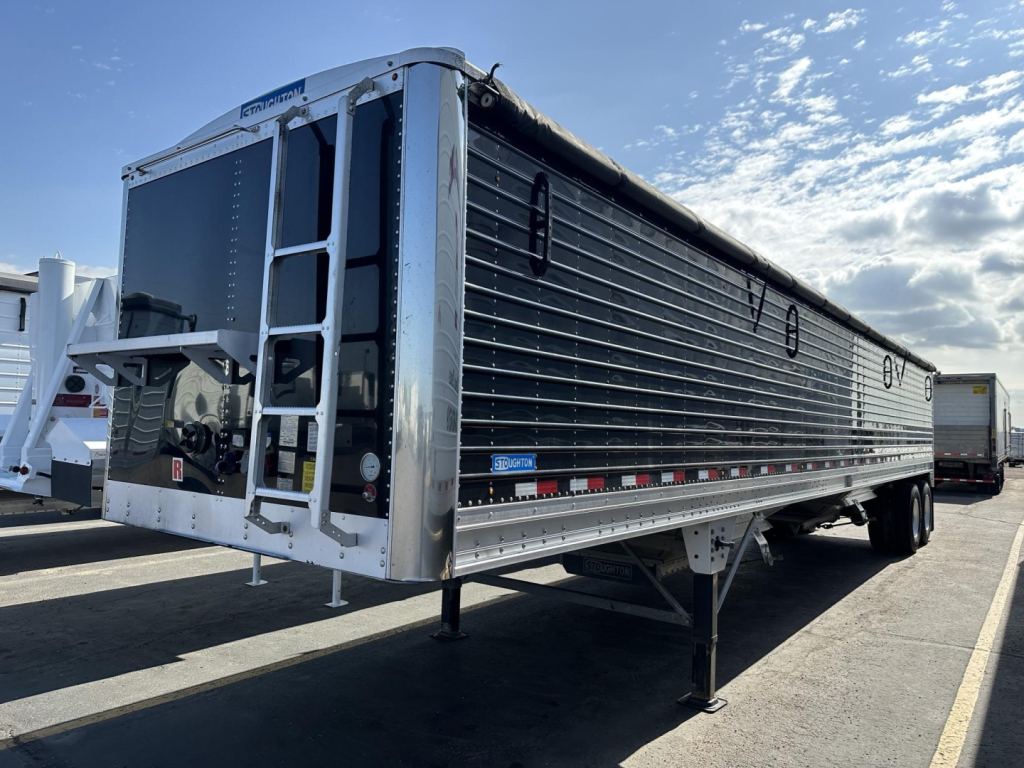
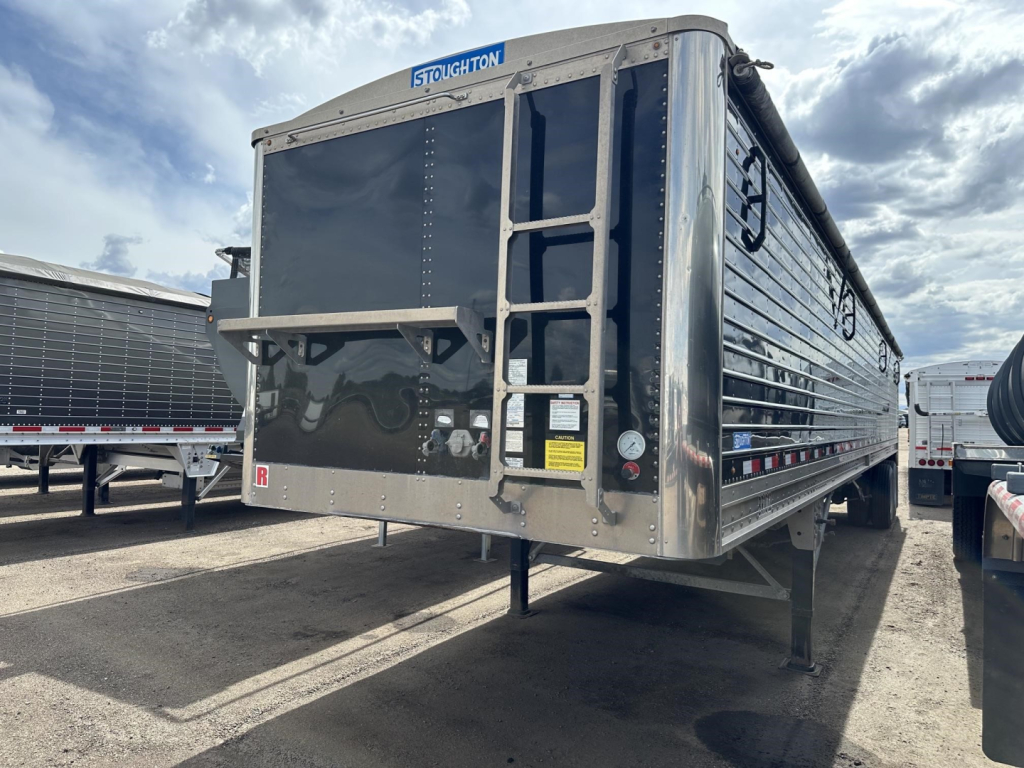
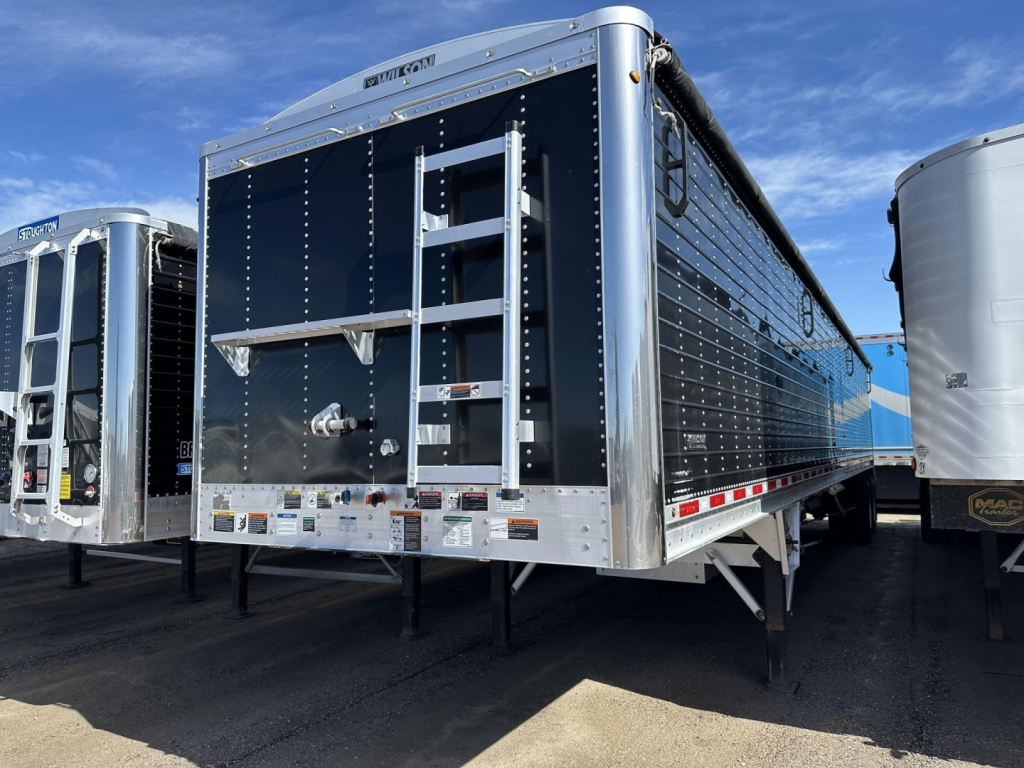
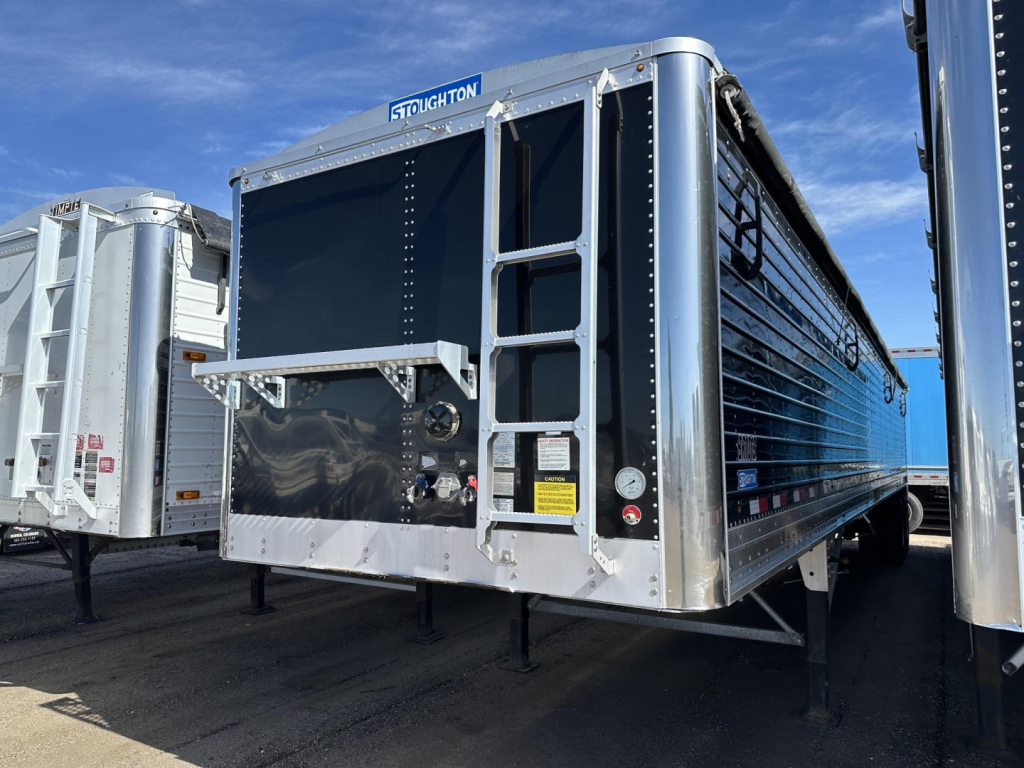
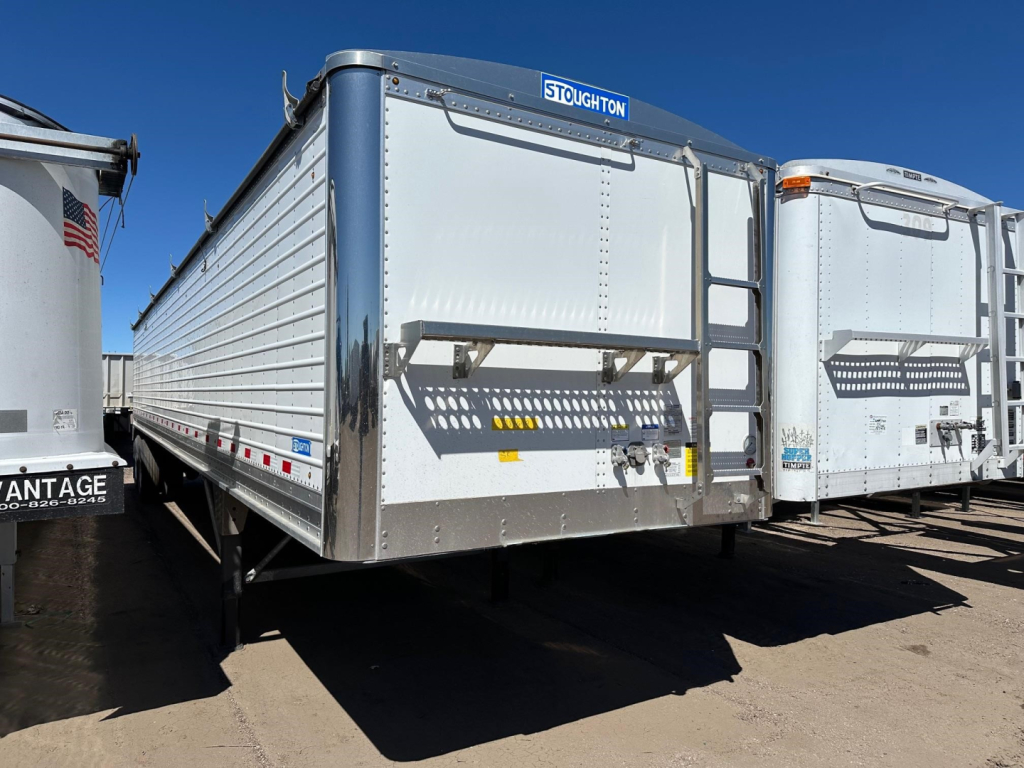
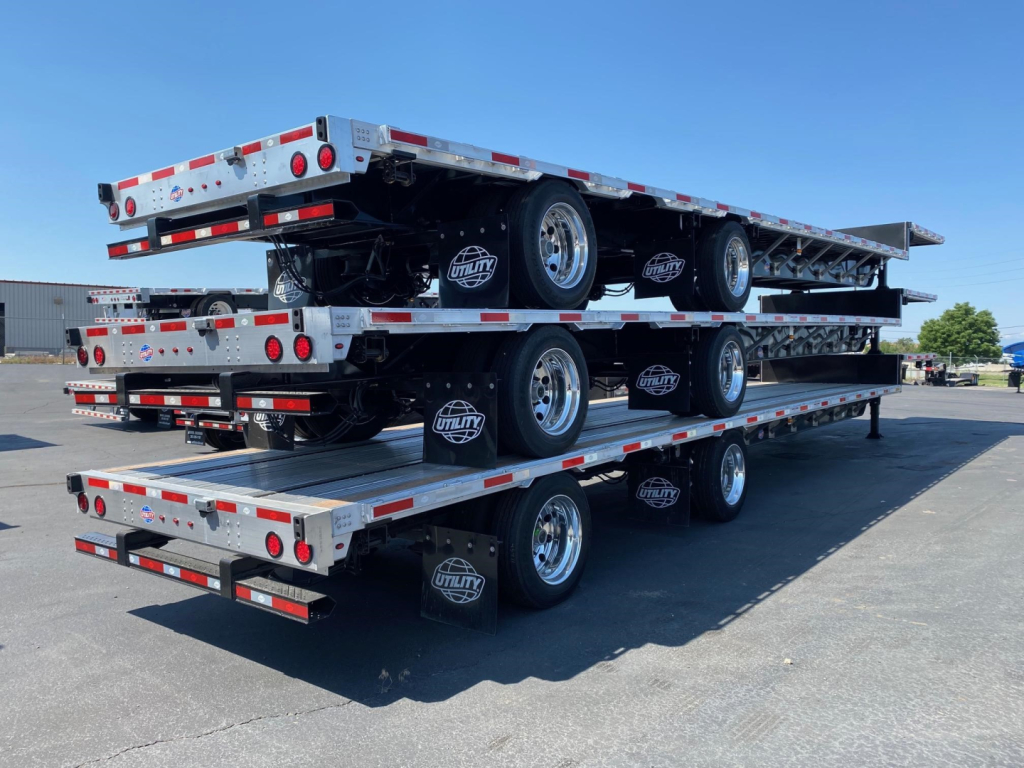
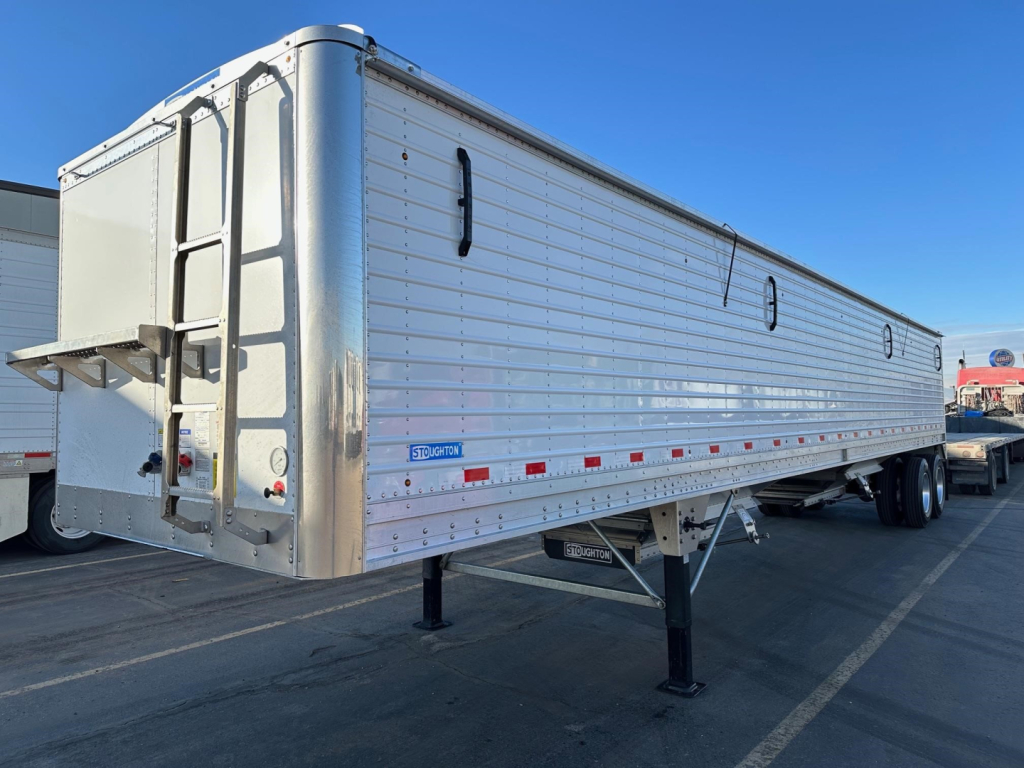
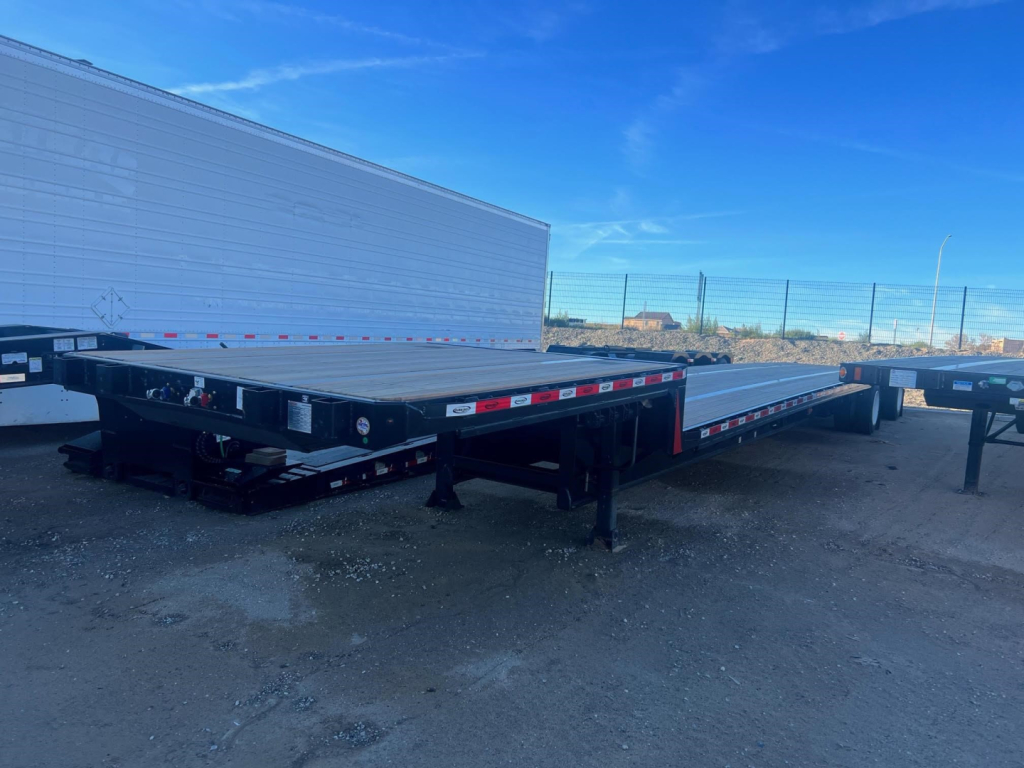
Selling a 2025 trailer? List your 2025 trailer for sale and reach thousands of commercial buyers.
2025 Trailers in Colorado
For dry van buyers, common 2025 configurations include 53-foot length, 102-inch width, air ride suspension, and sliding tandems with air pin release. Composite or plate sidewall construction, aluminum roofs, wood floors, steel or aluminum scuff liners, threshold plates, and logistics posts on 24-inch centers are all worth comparing from listing to listing. Side skirts and tire inflation systems are now common on late-model highway trailers because they help with operating cost control and tire life. Door style also matters. Swing doors are simple and durable, while roll-up doors can be useful in certain delivery applications but may affect interior clearance and rear opening maintenance costs.
On refrigerated trailers, buyers should focus on more than just box age. Reefer performance depends heavily on unit hours, maintenance history, start-run behavior, insulation condition, and floor design that supports proper airflow under the load. Thermo King and Carrier units dominate the market, and both can be strong choices when service history is documented. Aluminum duct floors, bulkheads, scuff liners, rear vents, and insulated swing doors are standard features that directly affect cargo protection and uptime. For Colorado operations, reefer buyers should also consider elevation, winter starts, and long western lanes where dependable temperature pull-down and fuel efficiency matter.
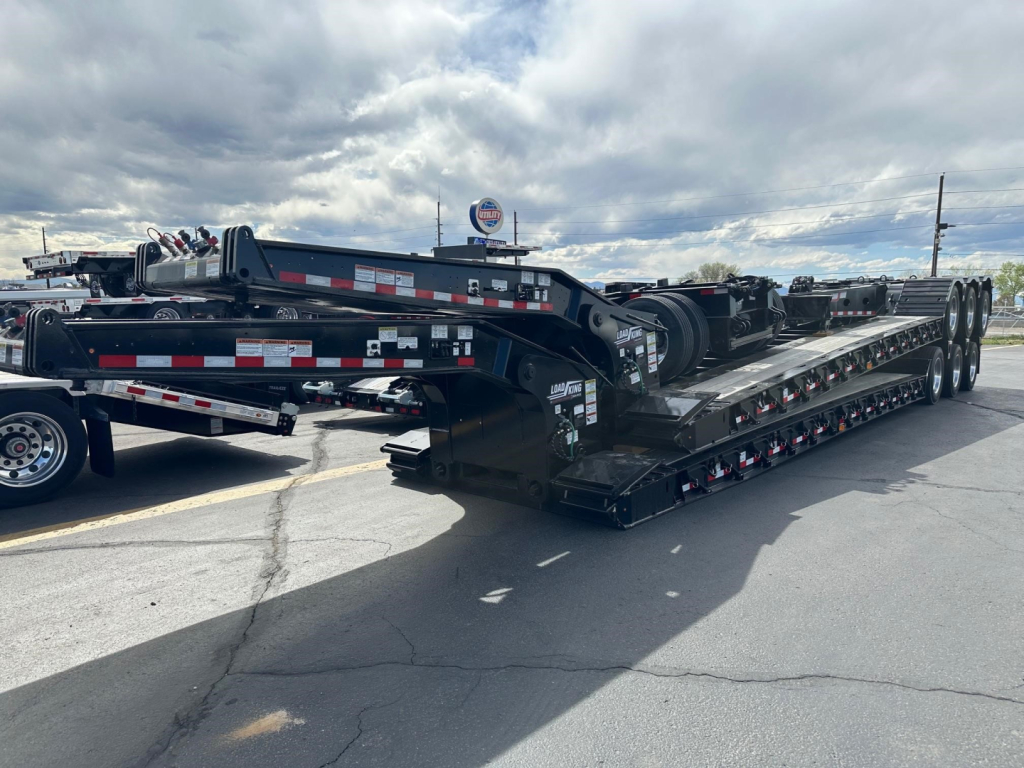
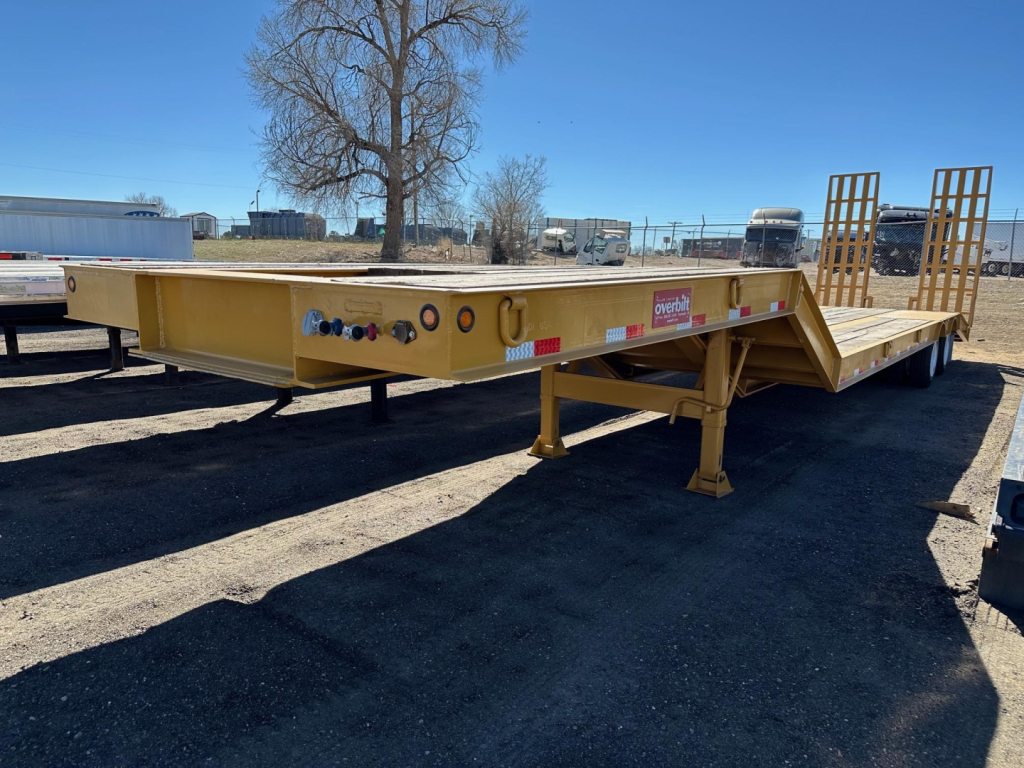
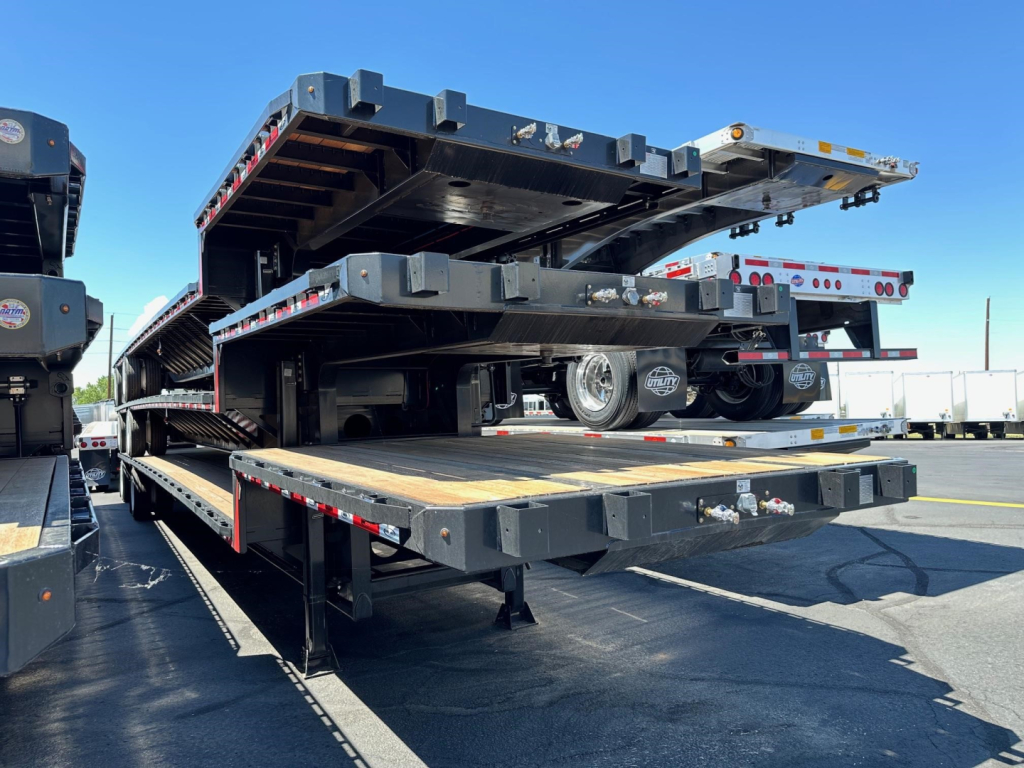
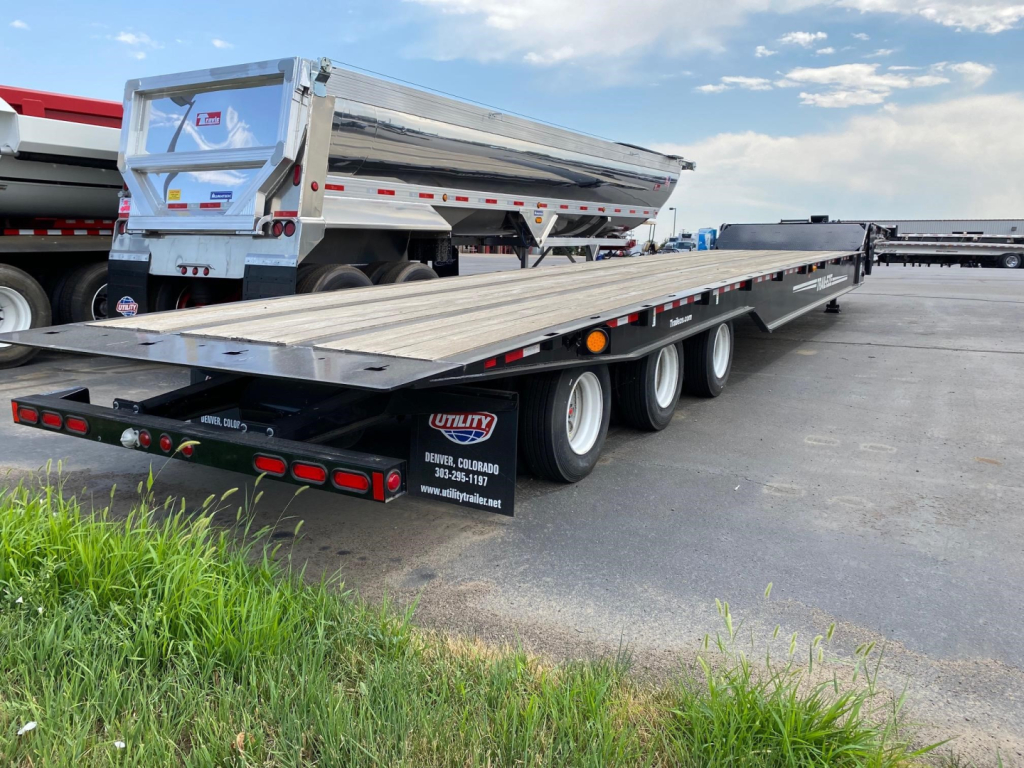
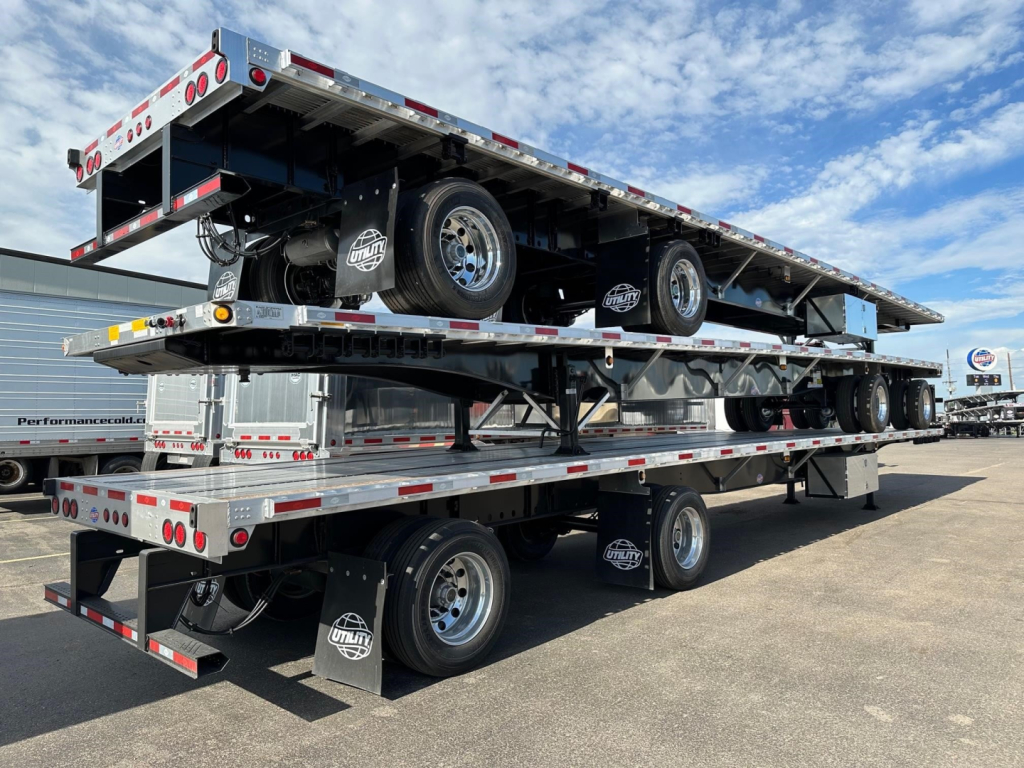
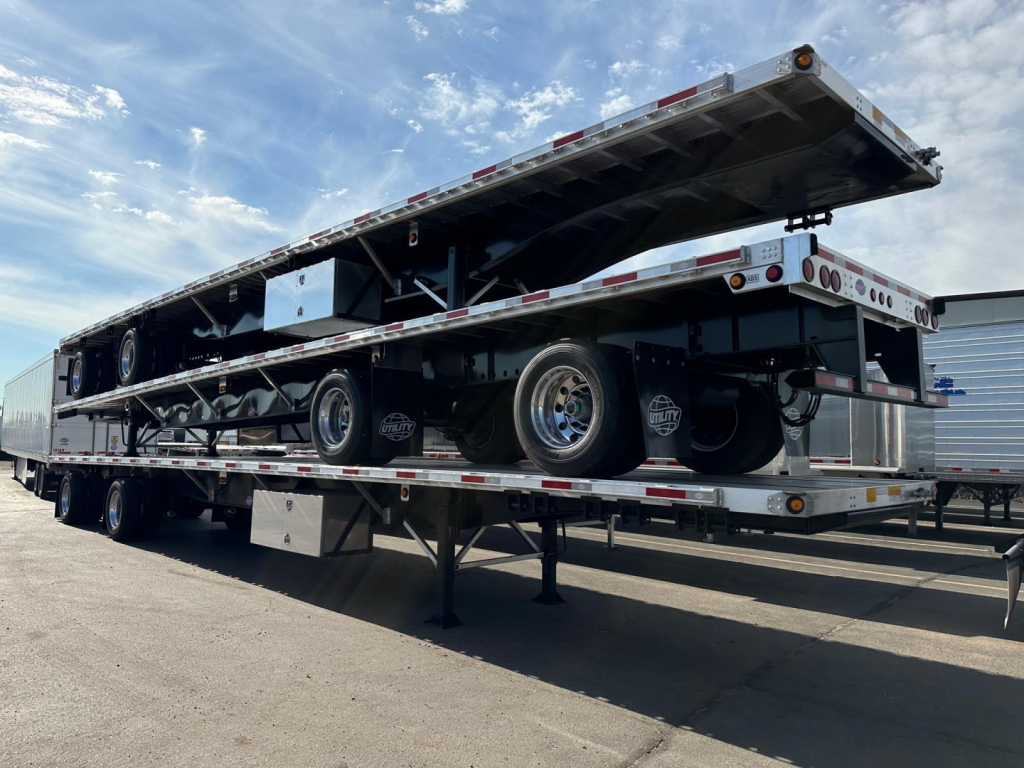
Flatbeds and drop deck trailers, including expandable and fixed-spread configurations, are the right fit for machinery, building materials, pipe, and oversized freight that cannot ride in a van. Important details include deck length, loaded deck height, axle spacing, air ride versus spring suspension, lift axle setup, winch track, sliding winches, stake pockets, pipe spools, and floor condition. Steel construction offers durability, while aluminum can improve payload. If the trailer will cross mountain grades or uneven jobsite approaches, suspension condition, brake spec, tire size, and overall tare weight deserve close attention. A strong 2025 trailer listing should tell you how the trailer is built, how it is equipped, and how well it matches the freight you intend to haul.
Frequently Asked Questions about 2025 Trailers in Colorado
What trailer types are most common in the 2025 market?
The most common 2025 trailer categories are dry vans, refrigerated trailers, flatbeds, and drop decks. Dry vans handle general freight and warehouse distribution. Reefers are insulated and use a refrigeration unit for food, pharmaceuticals, and other temperature-controlled cargo. Flatbeds and drop decks serve open-deck freight such as steel, lumber, equipment, and oversized loads. The right choice depends first on cargo type, loading method, and route requirements.
What specs should I compare first on a 2025 trailer?
Start with trailer type, length, width, axle configuration, suspension, floor construction, and door style. On vans and reefers, compare sidewall construction, scuff liners, logistics posts, tire inflation systems, tandem slider setup, and aero equipment like side skirts. On reefers, reefer unit brand, model, hours, and compliance status are critical. On flatbeds and drop decks, focus on deck height, tiedown equipment, axle spread, lift axles, and trailer tare weight because those items directly affect legal loading and usable payload.
Is air ride suspension worth it on a 2025 trailer?
Air ride is a strong choice for many fleets because it helps protect freight, improves ride quality, and is widely preferred on highway van, reefer, and higher-spec open-deck trailers. It is especially useful for delicate freight, food loads, and longer regional or over-the-road lanes. The tradeoff is added system complexity compared with simpler suspension designs. Buyers should still verify bushing, bag, valve, and slider condition because suspension performance depends on maintenance, not just spec sheet features.
What matters most when buying a 2025 refrigerated trailer?
The reefer unit matters as much as the trailer body. Buyers should look at unit brand, engine hours, maintenance records, fuel system condition, and whether the trailer has a sound duct floor, chute, bulkhead, and tight door seals. Insulation performance and airflow design are just as important as raw cooling capacity. If the trailer will run lanes that touch California or fleets with strict emissions rules, CARB compliance should be confirmed before purchase.
How does Colorado use affect trailer buying decisions?
Colorado operations put extra focus on brakes, tires, suspension condition, and overall durability because trailers may see mountain grades, winter weather, and longer western freight lanes. Reefer buyers need dependable cold-start performance and stable temperature control at elevation. Open-deck buyers should pay attention to deck height, axle setup, and load securement options for machinery and construction freight. Aero equipment, tire inflation systems, and lighter-weight specs can also make a difference on longer interstate runs where fuel economy and payload both matter.