
2025 Hopper Trailers For Sale in Colorado
Shop 2025 hopper trailers for grain, feed, fertilizer, and sand hauling in Colorado. Compare lengths, hopper styles, axles, tarps, and suspensions.
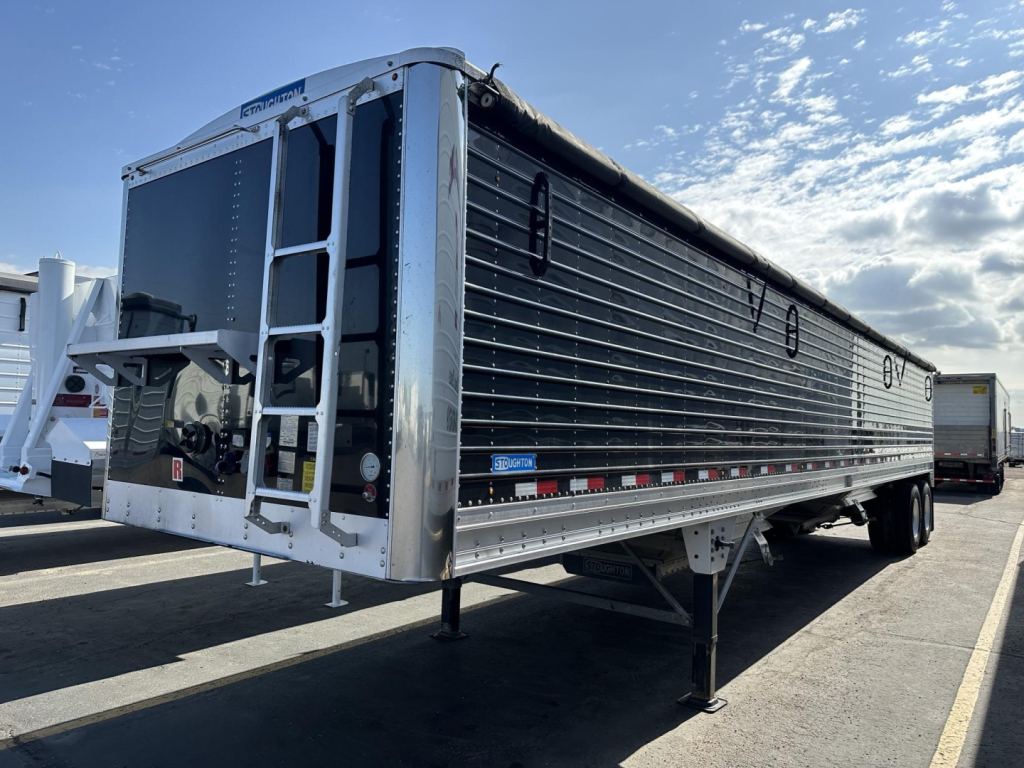
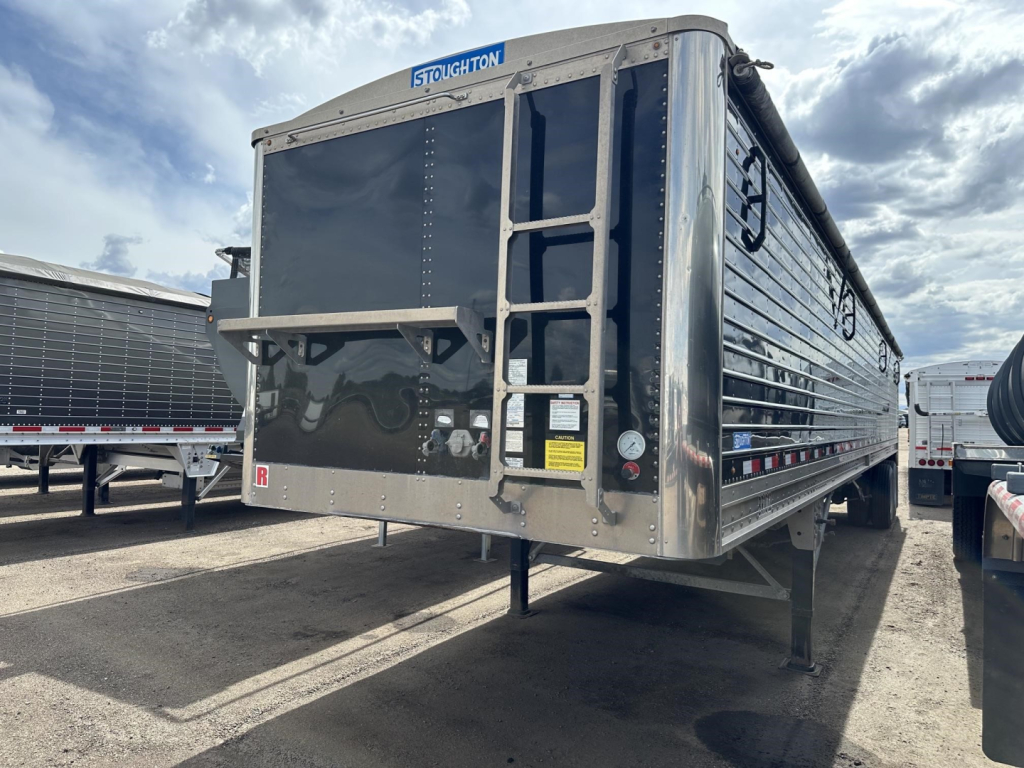
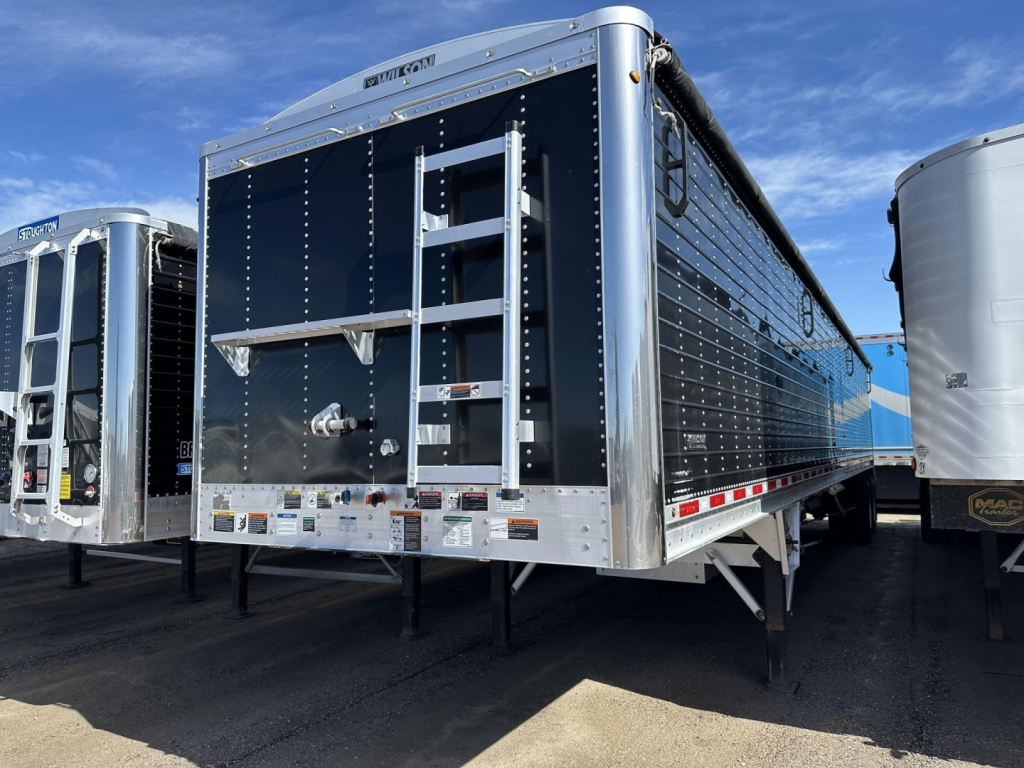
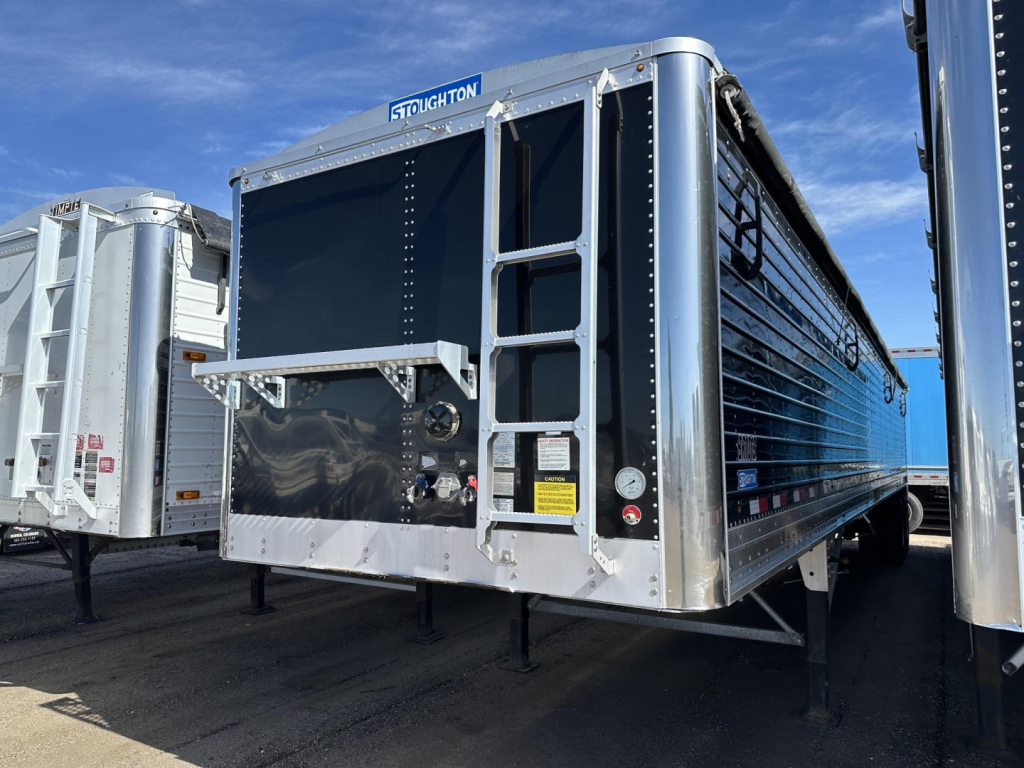
Selling a 2025 hopper trailer? List your 2025 hopper trailer for sale and reach thousands of commercial buyers.
2025 Hopper Trailers in Colorado
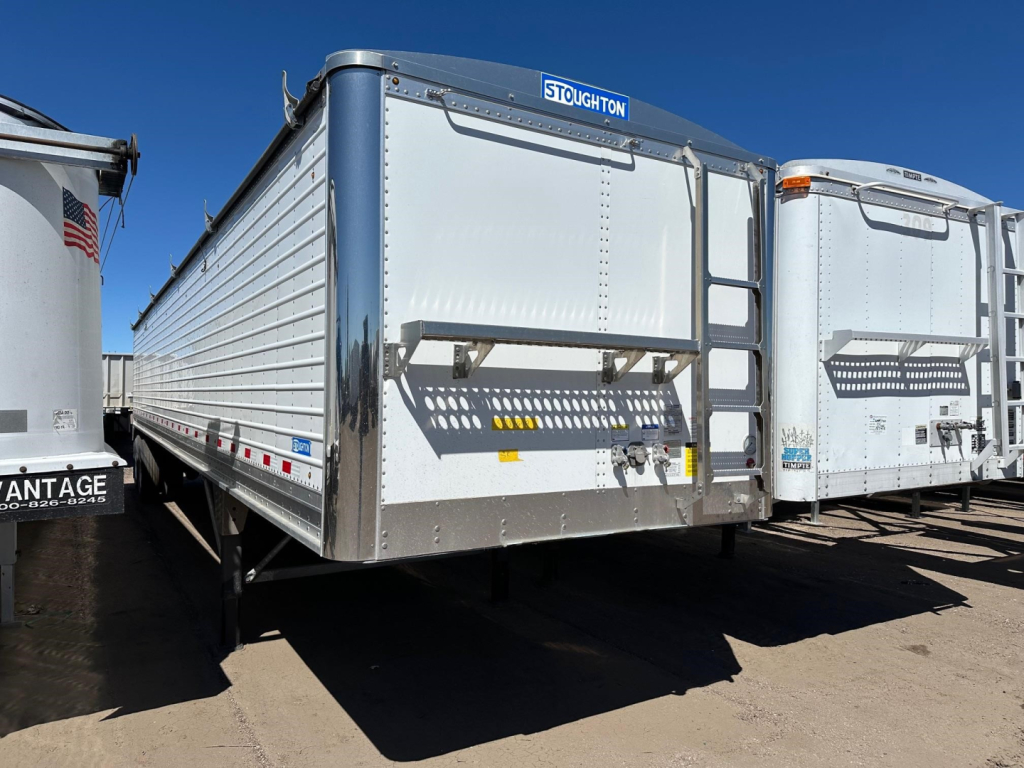
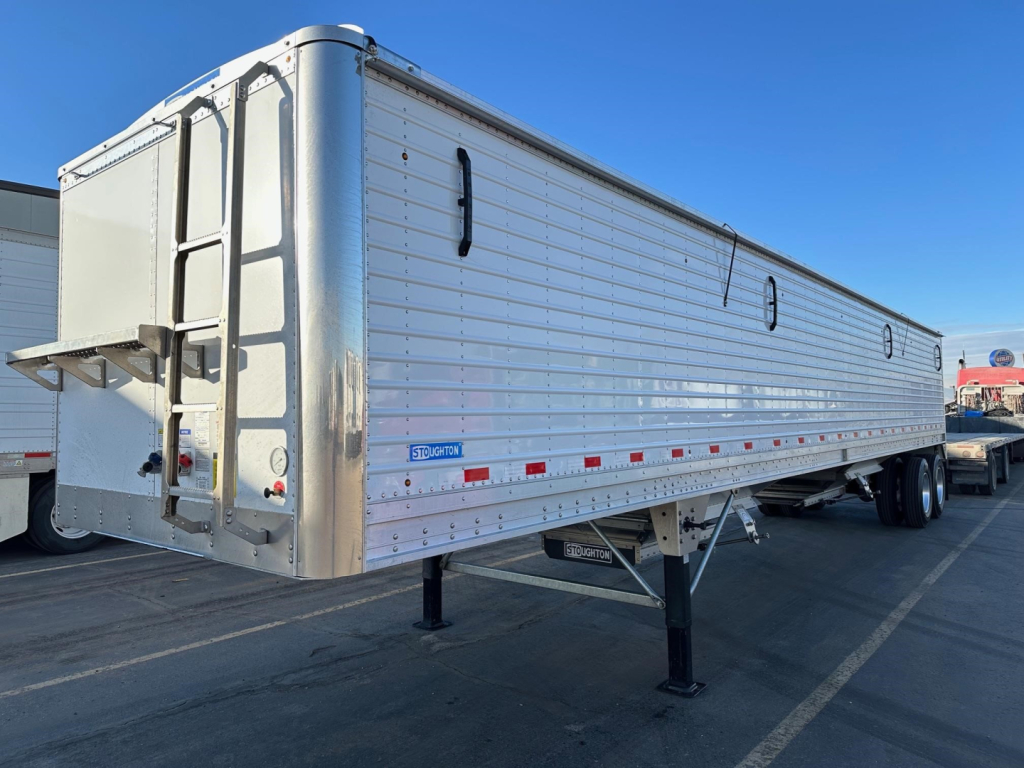
Two-hopper grain trailers remain the most common setup for farm, elevator, and regional commodity hauling. They are straightforward to unload, widely accepted across ag facilities, and easy to spec with manual or electric trap openers and manual or electric roll tarp systems. Single-hopper and frac sand variants are more application-specific and are often paired with specialized gate designs such as hydraulic or high-flow trap systems. Corrugated side panels are common on modern aluminum hopper trailers because they add rigidity without a major weight penalty, while features like stainless front corners, full stainless rear panels, knock rails, and catwalk-equipped ladder packages improve durability and day-to-day use. If drivers climb the trailer regularly for inspection or tarp access, ladder placement, catwalk design, and grab handle layout are practical details worth checking.
Running gear deserves as much attention as the box. Closed tandem suspensions are still common, but tri-axle hopper trailers with lift axles can make sense for heavier legal payload strategies and operations balancing bridge requirements with tire scrub and maintenance. Air ride suspension is the standard choice for commodity protection and ride quality, and wheel setup often mixes outside aluminum with inside steel to manage cost without giving up appearance or corrosion resistance where it matters most. Tire size, axle spacing, dump valves, onboard scales, and brake spec all affect how the trailer performs on mixed highway and rural roads. In Colorado, altitude, weather swings, and mountain grades also make lighting quality, tarp reliability, and brake condition more important than many buyers first assume.
For 2025 model-year hopper trailers, the best value usually comes from matching cubic capacity and discharge system to the commodity, then backing into the axle and suspension spec needed for your legal payload target. A lighter trailer can improve revenue on bulk hauls, but a more robust spec may pay off if the work includes fertilizer, abrasive materials, rough yard surfaces, or frequent loading cycles. Look closely at trap door design, seal condition, tarp operation, subframe integrity, rivet lines, landing gear, and signs of stress around suspension hangers and hopper openings. A well-chosen hopper trailer should unload consistently, stay tight against moisture intrusion, and fit the exact lanes, elevators, scales, and jobsite conditions it will run every week.
Frequently Asked Questions about 2025 Hopper Trailers in Colorado
What is a hopper trailer used for?
A hopper trailer is used to haul dry bulk commodities that unload by gravity through bottom hopper gates. Common loads include grain, corn, wheat, soybeans, feed, seed, and fertilizer, with some specialized hopper trailers configured for frac sand or other granular materials. The main advantage is quick unloading without a walking floor or tipper, which helps reduce cycle time at elevators, mills, and bulk facilities.
What sizes are common for hopper trailers?
Common hopper trailer sizes in the market include 42-foot to 48-foot lengths, 96-inch width, and side heights from roughly 66 inches to 78 inches depending on the desired cubic capacity. Shorter trailers can be easier to maneuver and may fit certain operations better, while 48-foot trailers are popular for maximizing volume in grain service. Side height, hopper shape, and material thickness all influence how much the trailer can carry and how easily product flows during unloading.
Should I choose a tandem or tri-axle hopper trailer?
A tandem hopper trailer is the standard choice for many grain and feed operations because it is lighter, simpler, and typically less expensive to maintain. A tri-axle hopper trailer can offer advantages where bridge law, legal payload strategy, or seasonal route requirements justify the added axle. The tradeoff is usually more tare weight, more tire expense, and more complexity, so the best choice depends on commodity density, route length, and state weight rules.
What features matter most on a 2025 hopper trailer?
The most important features are hopper gate design, tarp system, suspension type, axle layout, and body construction. Electric trap openers and electric roll tarps can improve driver efficiency, especially on frequent stop-and-drop routes, while air ride suspension remains the preferred setup for ride quality and trailer control. Buyers should also look at corrugated versus post side construction, stainless wear areas, onboard scales, lighting package, ladder and catwalk access, and overall empty weight relative to the intended payload.
Are hopper trailers only for grain?
No. Grain is the most common use, but hopper trailers are also used for feed ingredients, fertilizer, seed, and certain industrial bulk products. The key is matching the trailer to the commodity's flow characteristics, weight, and contamination sensitivity. Some products need tighter seals, different gate styles, or more durable interior and discharge components, so commodity type should drive the trailer specification rather than assuming all hopper trailers are interchangeable.