
2025 Hopper Trailers For Sale
Shop 2025 hopper trailers for grain and bulk commodities. Compare aluminum and steel builds, capacities, hopper styles, suspensions, and tarp options.
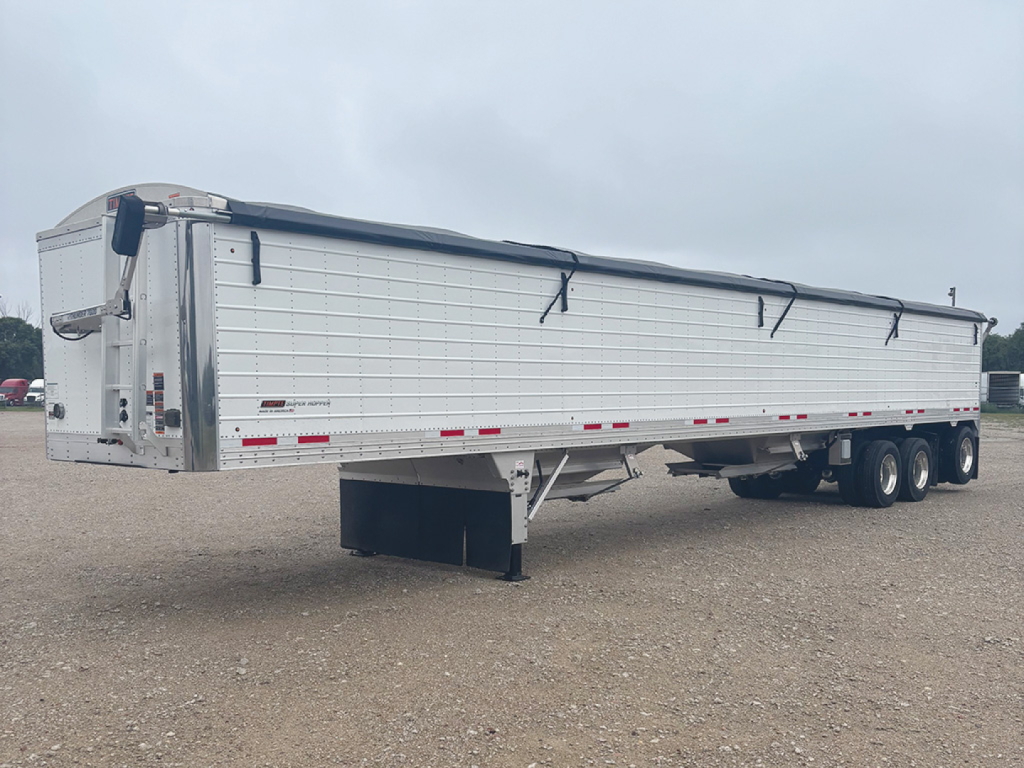
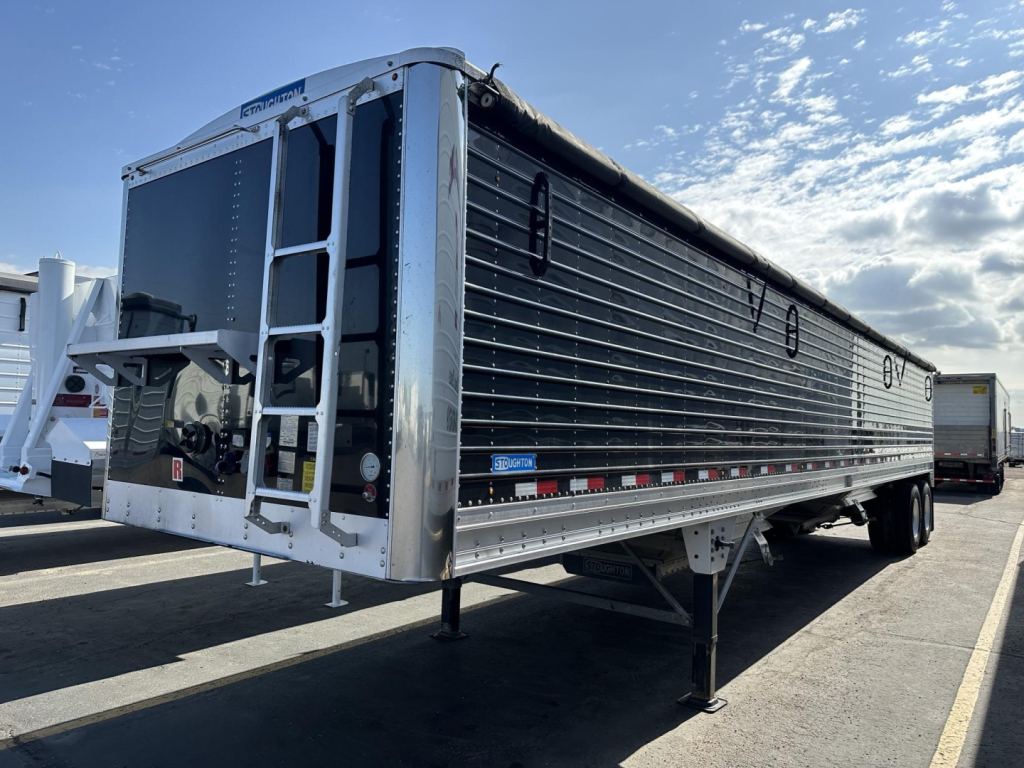
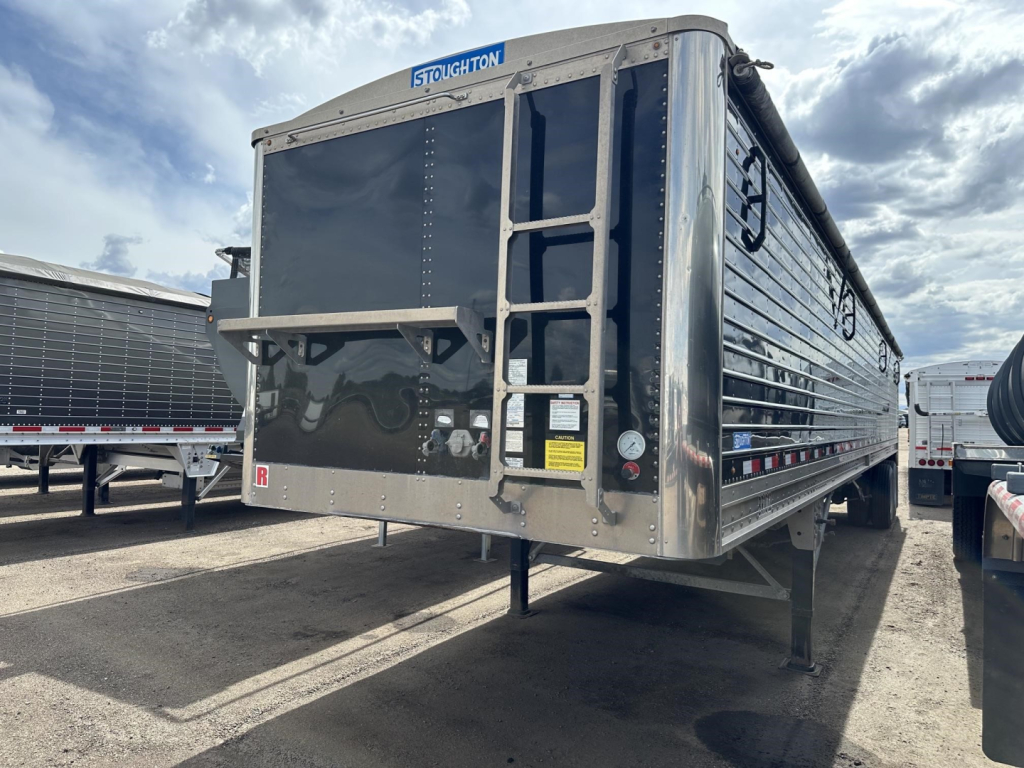
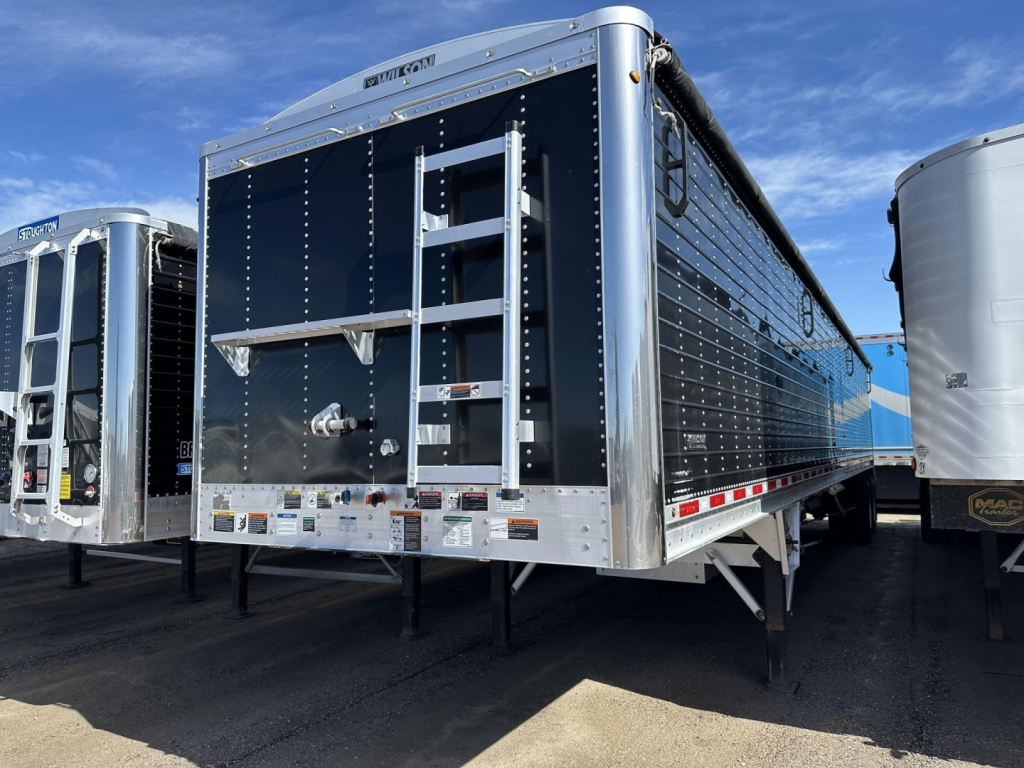
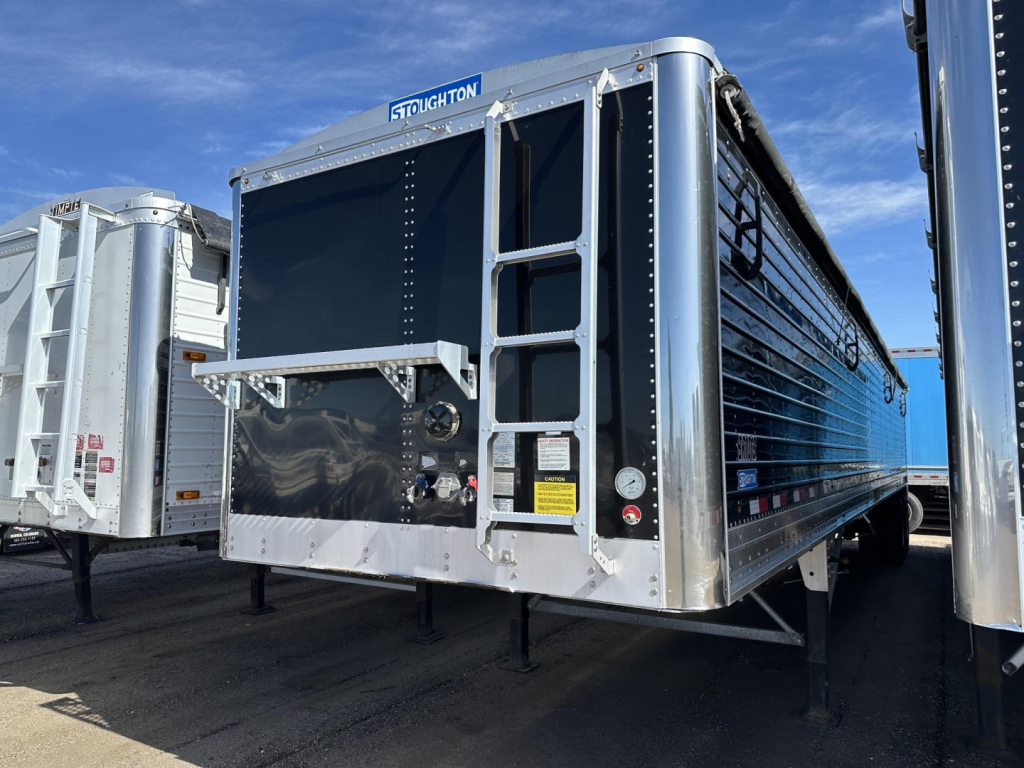
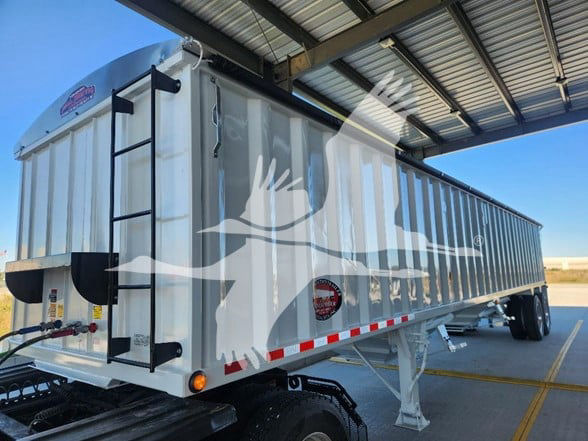
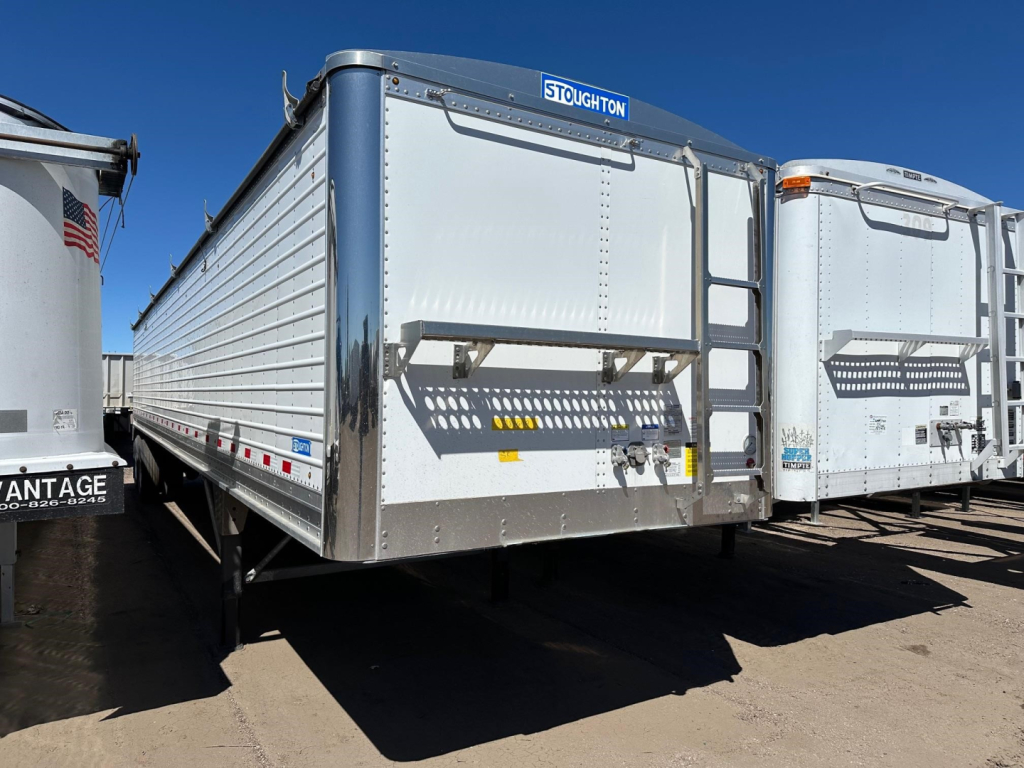
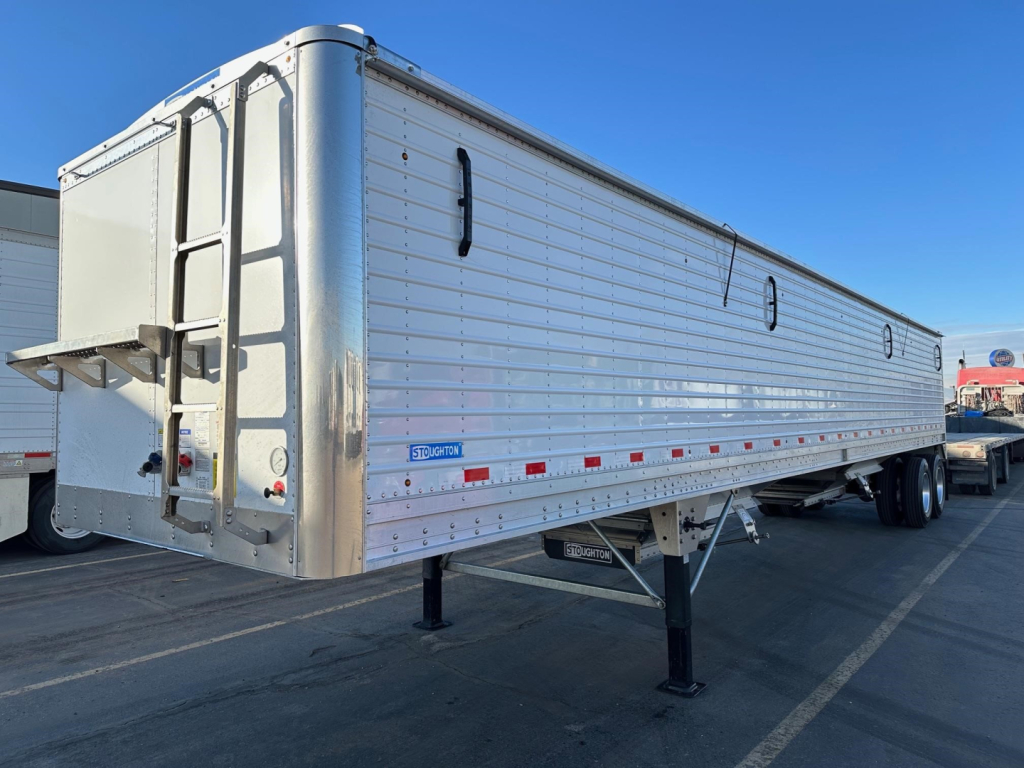
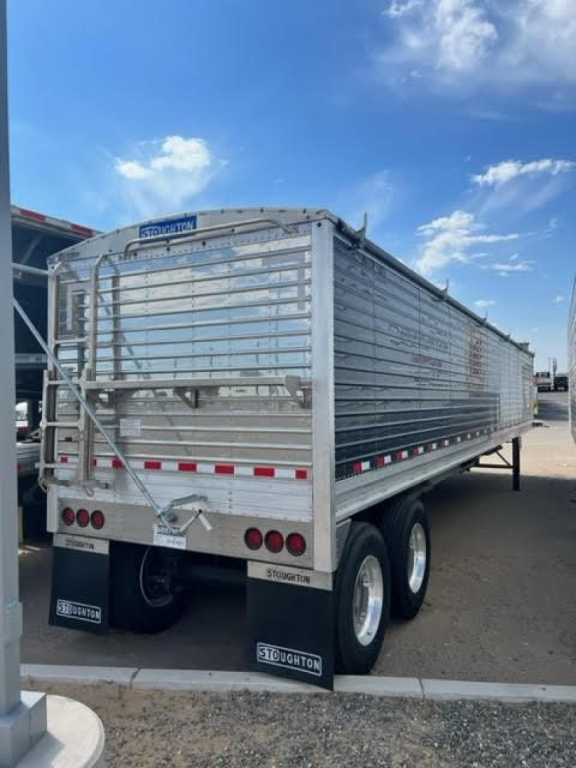
Selling a 2025 hopper trailer? List your 2025 hopper trailer for sale and reach thousands of commercial buyers.
2025 Hopper Trailers
Material choice matters. Aluminum hopper trailers are favored for lower tare weight and corrosion resistance, which helps maximize payload and makes sense for grain and other commodity work where every pound counts. Steel hopper trailers usually cost less up front and can be a practical fit for shorter hauls, rougher use, or operations that prioritize purchase price over tare weight. Buyers should also look closely at subframe design, sidewall construction, hopper slope, and door operation. Features like 2-speed hopper doors, knock rails, stainless front corners, stainless rear panels, and sealed wiring harnesses can affect long-term durability and day-to-day ease of use more than a paint-deep spec sheet suggests.
Suspension, axle layout, and tire spec should match the route and legal environment. Tandem axle hopper trailers remain the standard for many grain operations, while tri-axle configurations can be useful where bridge laws, heavier commodity loads, or seasonal hauling patterns justify the extra axle. Air ride is common for ride quality and cargo protection, while spring suspension still appeals to buyers who want a simpler, lower-cost setup. Tire sizes such as 11R22.5 and 11R24.5 are typical, and wheel choice between steel, aluminum, and super singles affects maintenance cost, weight, and serviceability. If payload tracking matters, onboard scale systems and air scale gauges are worth attention, especially for operations loading at multiple sites without certified scales nearby.
A strong hopper trailer listing is about more than year and brand. Look at cubic capacity, bushel rating, side height, hopper opening size, kingpin setting, landing gear, lift axle spec if equipped, and tarp type. Confirm whether the trailer is set up for grain only or if it will also see feed ingredients, meal, or fertilizer service, since corrosion exposure and cleanout standards can change the right spec. Lighting package, dump valve configuration, catwalk layout, and ladder placement also matter in daily farm and elevator use. For a 2025 hopper trailer, the best value usually comes from matching capacity, tare weight, suspension, and discharge hardware to the exact commodity and haul pattern instead of simply buying the largest trailer on the page.
Frequently Asked Questions about 2025 Hopper Trailers
What is the typical size and capacity range for a hopper trailer?
Most hopper bottom grain trailers are found in the 40-foot to 48-foot range and are typically 96 inches wide. Side heights commonly run from about 70 inches to 79 inches, with capacity often measured in both cubic feet and bushels. Exact payload depends on the trailer material, axle configuration, commodity density, and local weight laws, so buyers should compare tare weight and legal operating weight instead of bushel numbers alone.
Is an aluminum hopper trailer better than a steel hopper trailer?
Aluminum hopper trailers usually offer lower empty weight and better corrosion resistance, which makes them attractive for grain haulers trying to maximize payload and reduce long-term oxidation issues. Steel hopper trailers generally cost less up front and can be a solid choice for buyers who run shorter routes, rougher conditions, or a tighter acquisition budget. The better choice depends on annual miles, commodity type, desired payload, and how strongly tare weight affects revenue in the operation.
What suspension should I look for on a hopper trailer?
Air ride suspension is common on hopper trailers because it improves ride quality, helps protect the trailer structure, and can be easier on cargo during highway hauling. Spring suspension remains a viable option for buyers who want a simpler and often lower-cost design with fewer components. The right choice depends on road conditions, maintenance preferences, commodity sensitivity, and how much time the trailer will spend on paved roads versus field approaches and rural routes.
What hopper trailer features matter most for grain hauling?
The most important features for grain hauling usually include hopper door design, tarp system, ladder and catwalk access, suspension type, and tare weight. Buyers should also pay attention to side height, hopper opening dimensions, landing gear, lighting, sealed wiring, and corrosion-resistant trim such as stainless front corners or rear panels. If loading and unloading speed affect daily turns, door operation and clean discharge are just as important as headline capacity.
Should I consider a tandem axle or tri-axle hopper trailer?
A tandem axle hopper trailer fits many grain operations and is often the most straightforward choice for regional hauling, farm pickups, and elevator deliveries. A tri-axle hopper trailer can make sense where bridge formulas, state regulations, or heavier commodity loads favor the added axle, especially if the trailer includes a lift axle for flexibility. Buyers should review their typical routes, legal gross weights, and maintenance costs before deciding, because the extra axle can improve legal loading in some regions but also adds complexity and operating expense.