
2025 Utility Trailers For Sale in Colorado
Shop 2025 Utility trailers for sale in Colorado, including reefer, dry van, and flatbed models built for durability, payload, and fleet uptime.
Selling a 2025 utility trailer? List your 2025 utility trailer for sale and reach thousands of commercial buyers.
2025 Utility Trailers in Colorado
On reefer models, Utility 3000R trailers are commonly spec'd with Carrier or Thermo King units, aluminum duct floors, rear vents, insulated swing doors, and air ride suspension with an air pin slider. Important reefer details include unit hours, California emissions compliance, chute design, floor wear, and door seal condition. A good reefer spec for grocery, foodservice, and temperature-controlled distribution may also include side skirts, anti-dock walk, tire inflation systems, and low-profile 22.5 tires. If the trailer will run heavy pallets at high cycle counts, pay close attention to floor rating, threshold condition, and any signs of wall or ceiling damage from forklift contact.
For dry van buyers, Utility trailers are known for durable wall construction, solid rear frame design, and practical logistics specs such as closely spaced logistic posts, composite interior liners, wood floors, and HD threshold plates. In regional and long-haul freight, suspension choice and slider function matter as much as the box itself. Hendrickson air ride, closed tandem layouts, and tire inflation systems are common fleet-friendly features because they help with ride quality, tire life, and axle positioning. On Colorado routes, side skirts, aerodynamic options, and wheel-end condition can have a noticeable effect on operating cost, especially for fleets running I-25, I-70, and cross-border lanes year-round.
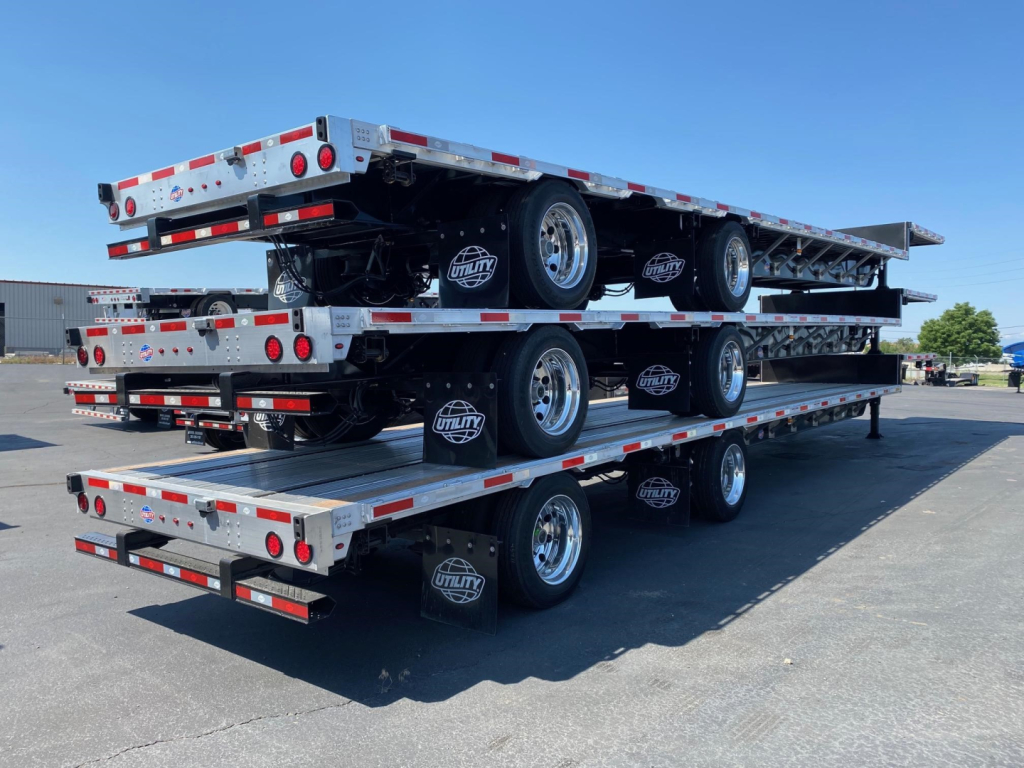
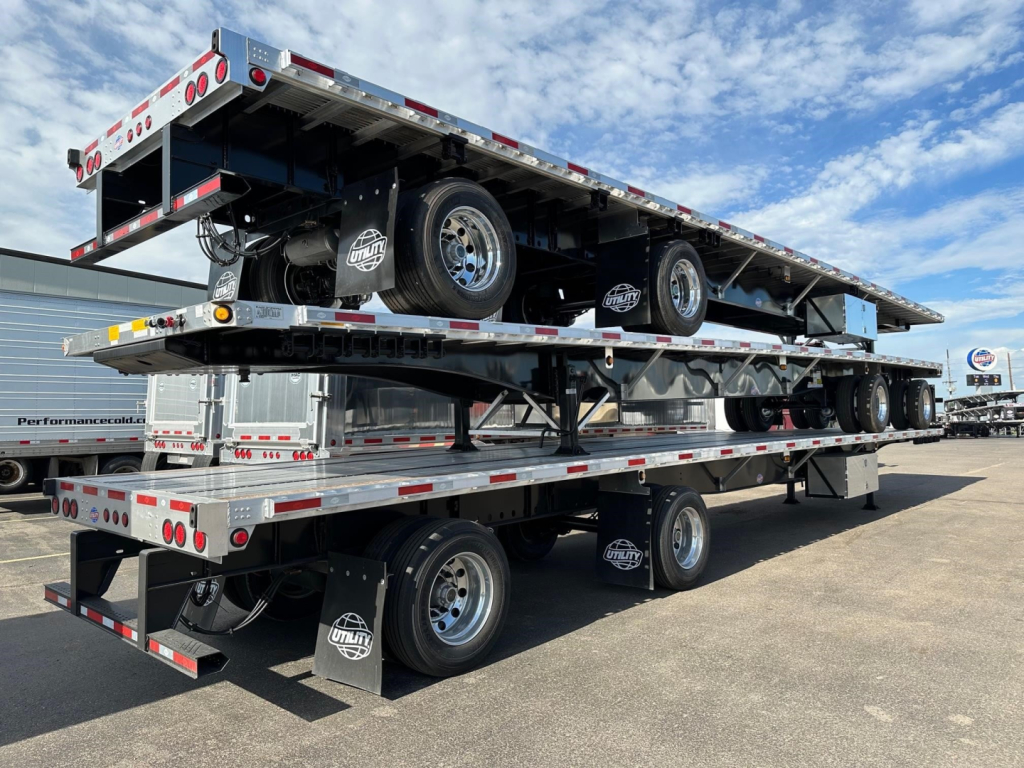
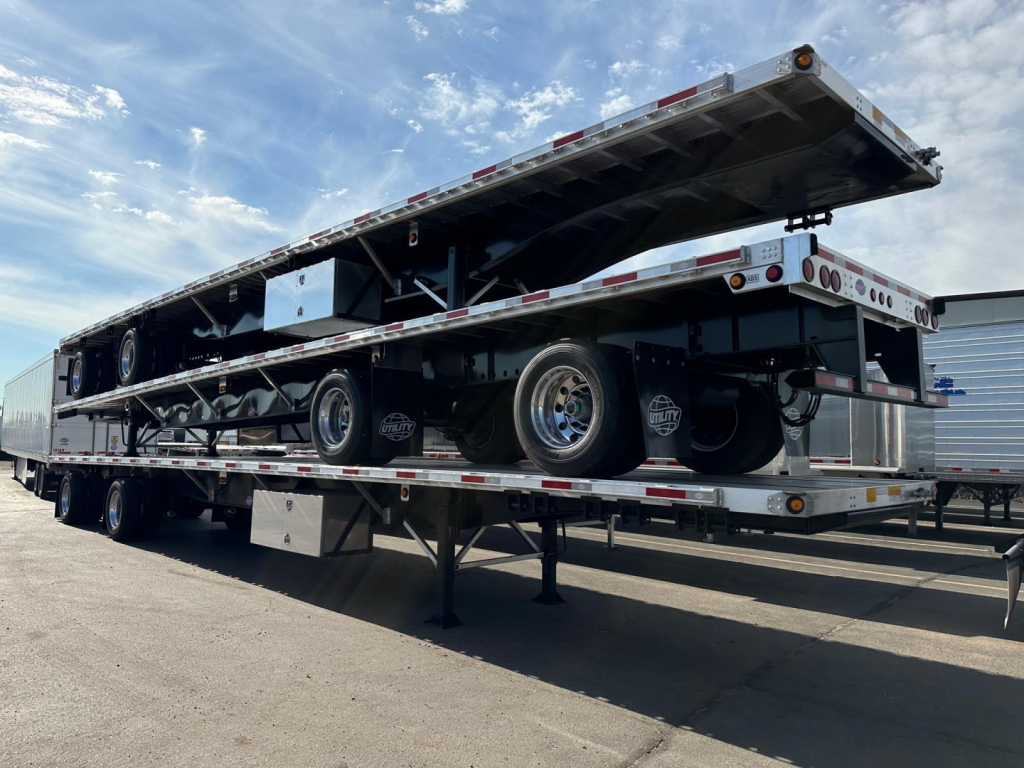
Utility flatbeds, often seen in the 4000 series, are commonly built as combo trailers with steel main beams and aluminum deck, crossmembers, and side rails. That combination gives buyers a practical balance between structural strength and payload. Flatbed specs worth checking include deck condition, bulkhead design, stake pockets, pipe spools, sliding winches, coil package setup, and suspension type. Across all Utility trailer categories, experienced buyers compare tare weight, frame condition, slider wear, brake and tire spec, and how the trailer was originally configured for its freight. The right 2025 Utility trailer is less about the badge alone and more about matching the build to the lane, commodity, loading method, and maintenance standard required by the operation.
Frequently Asked Questions about 2025 Utility Trailers in Colorado
What types of 2025 Utility trailers are most common?
The most common 2025 Utility trailers are refrigerated trailers, dry vans, and combo flatbeds. Utility has a strong reputation in the reefer market with the 3000R, but the brand is also widely used for dry freight and general flatbed hauling. The best choice depends on the cargo, loading method, and route profile. Reefer buyers usually focus on refrigeration unit spec and insulation performance, dry van buyers look closely at floor and wall construction, and flatbed buyers prioritize deck setup, securement features, and tare weight.
What should I look at first on a Utility reefer trailer?
Start with the refrigeration unit model, engine hours, service history, and emissions compliance, especially if the trailer may operate in California-regulated freight networks. After that, inspect the insulated body, door seals, floor condition, chute, evaporator area, and any signs of panel or lining damage. Air ride suspension, slider operation, tire inflation systems, and rear frame condition are also important because reefer trailers often spend a lot of time in high-cycle dock service.
Are Utility dry vans a good fit for regional and long-haul freight?
Utility dry vans are a common fit for both regional and long-haul operations because they are generally easy to spec, maintain, and integrate into mixed fleets. Features like air ride suspension, slider tandems, side skirts, composite interior liners, and durable wood floors make them practical for dock freight, palletized shipments, and high-volume lane work. The right spec depends on freight density, loading frequency, and whether fuel economy, cube, or dock durability is the top priority.
What matters most when buying a Utility flatbed trailer?
On a Utility flatbed, the major buying factors are frame construction, deck material, securement package, suspension, and overall tare weight. Many buyers prefer a combo design with steel main beams and aluminum components to keep strength where it is needed while preserving payload. Bulkheads, stake pockets, winch tracks, pipe spools, and coil package features should match the type of steel, building materials, machinery, or general freight the trailer will haul.
Why do Colorado buyers pay close attention to trailer spec?
Colorado operations often combine elevation changes, winter weather, long interstate runs, and urban dock work, so trailer spec has a direct effect on uptime and operating cost. Reefer units must hold temperature through hot summers and cold winters, while suspension, brakes, tires, and aerodynamics matter on mountain corridors and longer fuel-sensitive routes. Buyers in this market usually benefit from matching the trailer closely to terrain, commodity, and maintenance support instead of relying only on make and model.