
2025 Utility Trailers For Sale
Shop 2025 Utility trailers for sale, including dry van and reefer models with air ride suspension, 53-foot specs, and fleet-ready options.
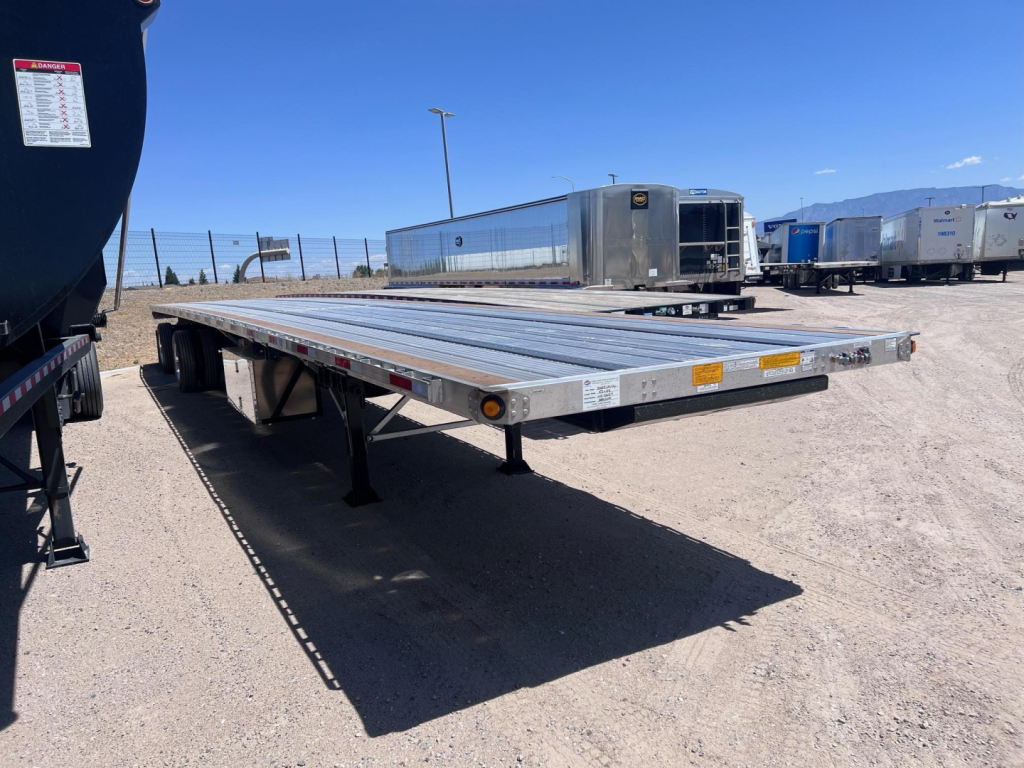
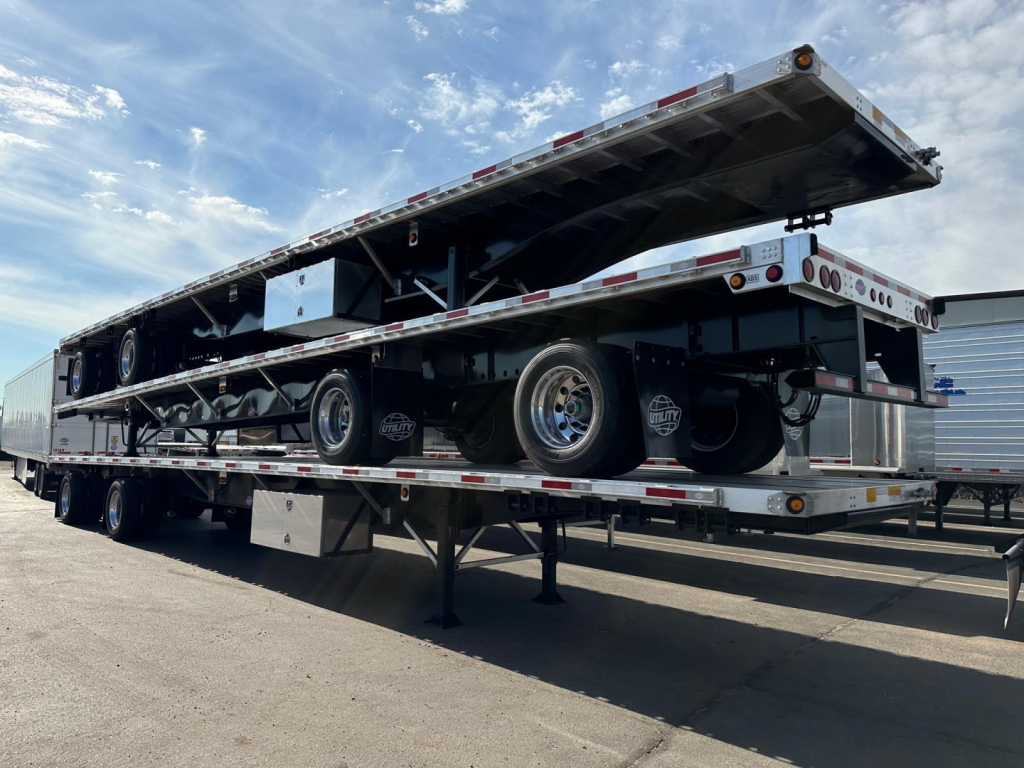
2025 Utility Combo Flatbed
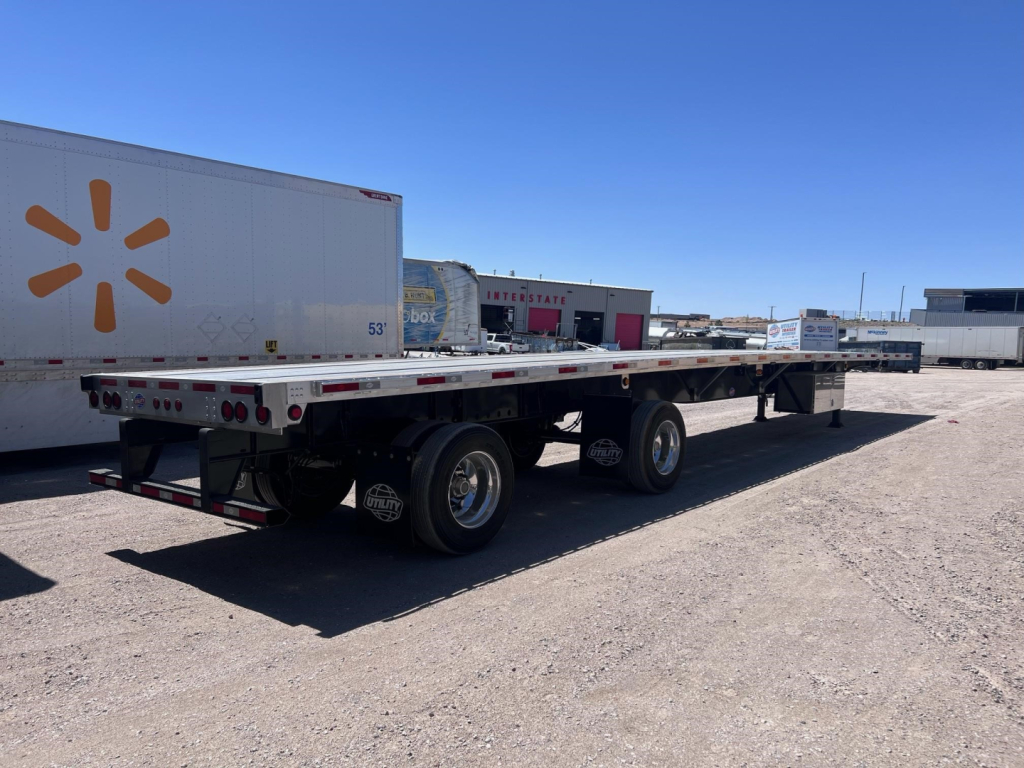
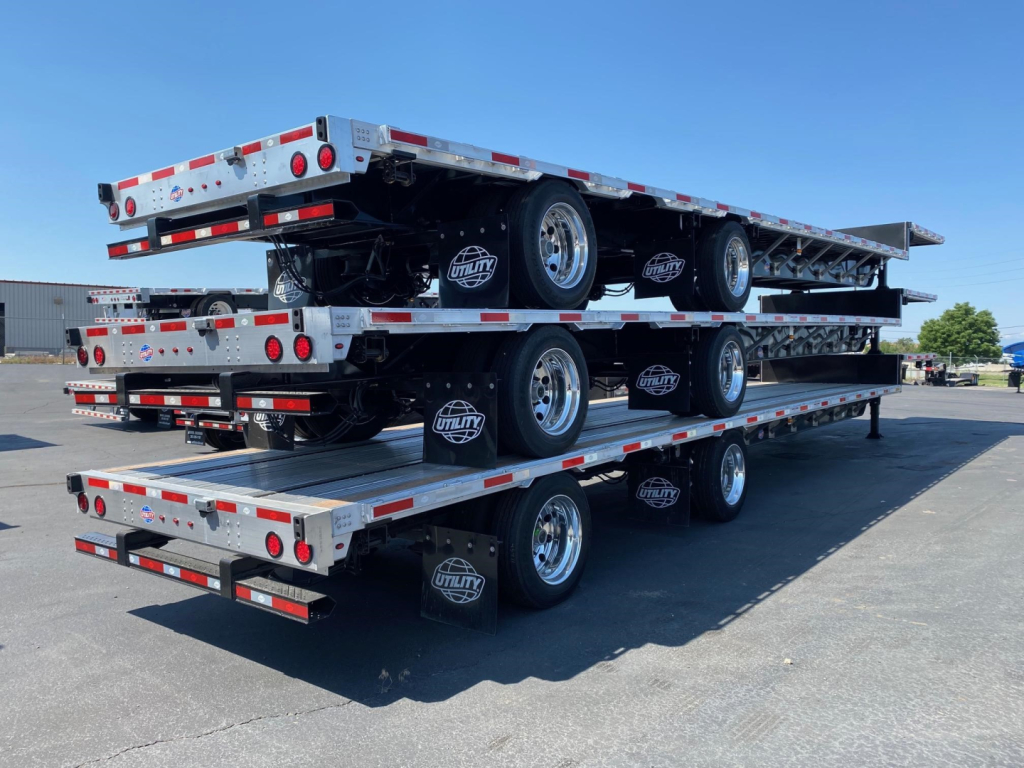
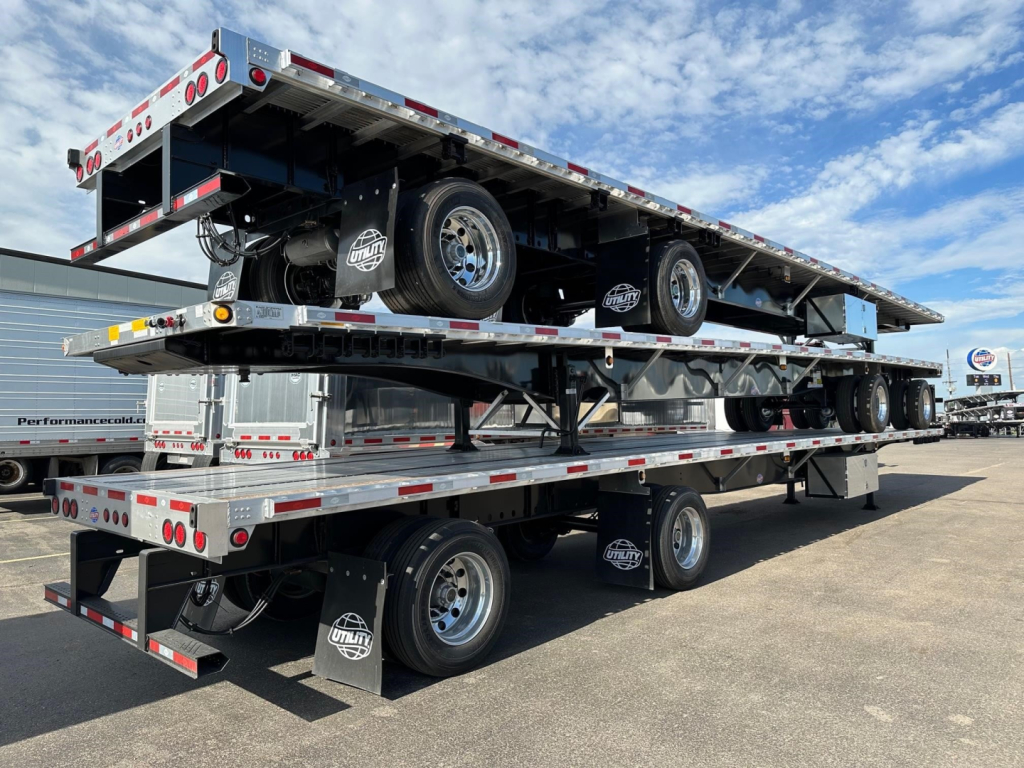
Selling a 2025 utility trailer? List your 2025 utility trailer for sale and reach thousands of commercial buyers.
2025 Utility Trailers
The biggest spec decisions usually come down to body construction, axle setup, and wheel-end package. A closed tandem with air ride and an air pin slider is common for fleets that need flexibility on kingpin settings and bridge-law compliance. Tire size is often 22.5 low-profile, paired with steel or aluminum wheels depending on weight targets and maintenance preference. Features like PSI tire inflation systems, anti-dock walk, heavy-duty threshold plates, scuff liners, logistics posts on 24-inch centers, and wearbands can make a real difference in day-to-day loading cycles and long-term trailer life. Buyers comparing Utility dry vans should pay close attention to floor rating, rear frame condition, door hardware, and roof integrity, especially if the trailer will handle dense freight or frequent forklift traffic.
For refrigerated operations, Utility reefer trailers are a common fit for grocery, foodservice, cold chain, and pharmaceutical freight. Key buying points include insulation performance, interior liner condition, floor type, evaporator clearance, and the reefer unit spec itself if the trailer is sold as a complete refrigerated package. A 2025 model year can be attractive to fleets looking for late-model compliance, improved aerodynamics, and lower total cost of ownership over the first service cycle. In both reefer and dry van applications, Utility trailers are known for widespread service familiarity, which matters when equipment runs across multiple states and needs fast turnaround at shop level.
When evaluating 2025 Utility trailers for sale, match the trailer to the freight before focusing on cosmetic details. General dry freight operations may prioritize side skirts, low-maintenance wheel ends, and strong interior logistics packages, while heavier or higher-abuse freight may call for reinforced floors, durable threshold areas, and careful review of crossmember spacing. Reefer buyers should also verify unit hours, fuel system condition, and temperature recording requirements. Utility remains a strong category for buyers who want a mainstream fleet trailer with predictable specs, broad market acceptance, and practical long-haul durability.
Frequently Asked Questions about 2025 Utility Trailers
What types of 2025 Utility trailers are most common?
The most common 2025 Utility trailers are 53-foot dry van trailers and refrigerated trailers. Dry vans are used for general freight, retail, and distribution, while reefer trailers are built for temperature-controlled freight such as food and pharmaceuticals. Utility is a well-known name in both segments, so buyers usually compare these trailers based on body construction, suspension, interior configuration, and the demands of the freight they plan to haul.
What should I look for in a 2025 Utility dry van trailer?
Start with the core operating specs: overall length and width, tandem configuration, suspension type, floor rating, and door setup. Then review practical fleet features such as air pin sliders, tire inflation systems, side skirts, scuff protection, logistics posts, and threshold reinforcement. For a late-model dry van, buyers should also pay attention to roof condition, wall construction, rear frame durability, and compatibility with the loading environment, especially if the trailer will see repeated forklift traffic or dense palletized freight.
Are Utility reefer trailers a good choice for temperature-controlled freight?
Utility reefer trailers are a common choice for fleets that need dependable temperature control and broad service support. The trailer body itself should be evaluated for insulation integrity, interior liner condition, floor wear, and door seal quality. If the reefer unit is included, unit brand, hours, maintenance history, and temperature-control capability are just as important as the trailer chassis. Buyers running food-grade or pharmaceutical freight should also verify any sanitation, airflow, and recording requirements tied to their contracts.
Why do buyers pay attention to tandem position and kingpin settings on Utility trailers?
Tandem position and kingpin settings directly affect axle weights, bridge compliance, and how easily a trailer can be positioned for different state regulations and customer docks. A sliding tandem with air pin release gives the driver faster adjustment and helps fleets stay flexible across varying payloads and routes. These details matter most for operations running heavier freight, multi-state lanes, or shippers with strict loading and parking constraints.
Do 2025 Utility trailers hold their value well?
Utility trailers generally have strong market recognition, which can support resale value when the trailer has a good maintenance record and a desirable spec. Common configurations such as 53-foot dry vans with air ride, swing doors, and standard fleet options tend to be easier to remarket because parts, service knowledge, and buyer familiarity are widespread. Condition still drives value, so buyers should look beyond model year and confirm the trailer’s structural, tire, brake, and interior condition before making a decision.