
2025 Utility Flatbed Trailers For Sale
Shop 2025 Utility flatbed trailers. Compare 53-foot combo flatbeds with air ride, sliding axles, coil packages, and California-legal specs.
Selling a 2025 utility flatbed trailer? List your 2025 utility flatbed trailer for sale and reach thousands of commercial buyers.
2025 Utility Flatbed Trailers
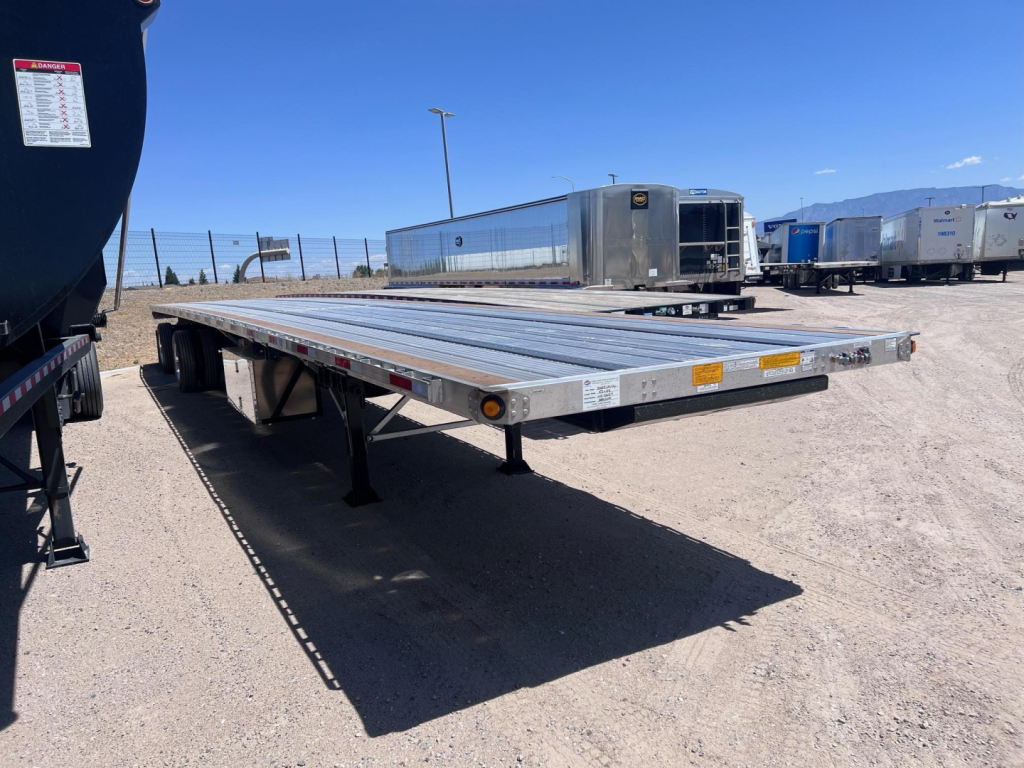
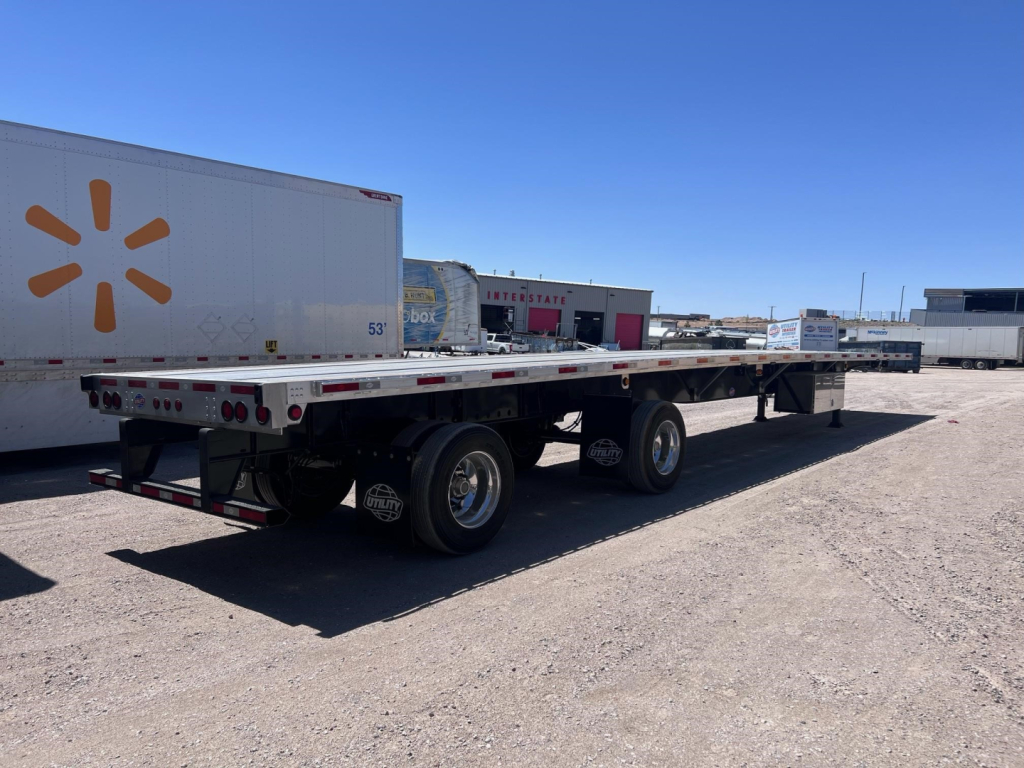
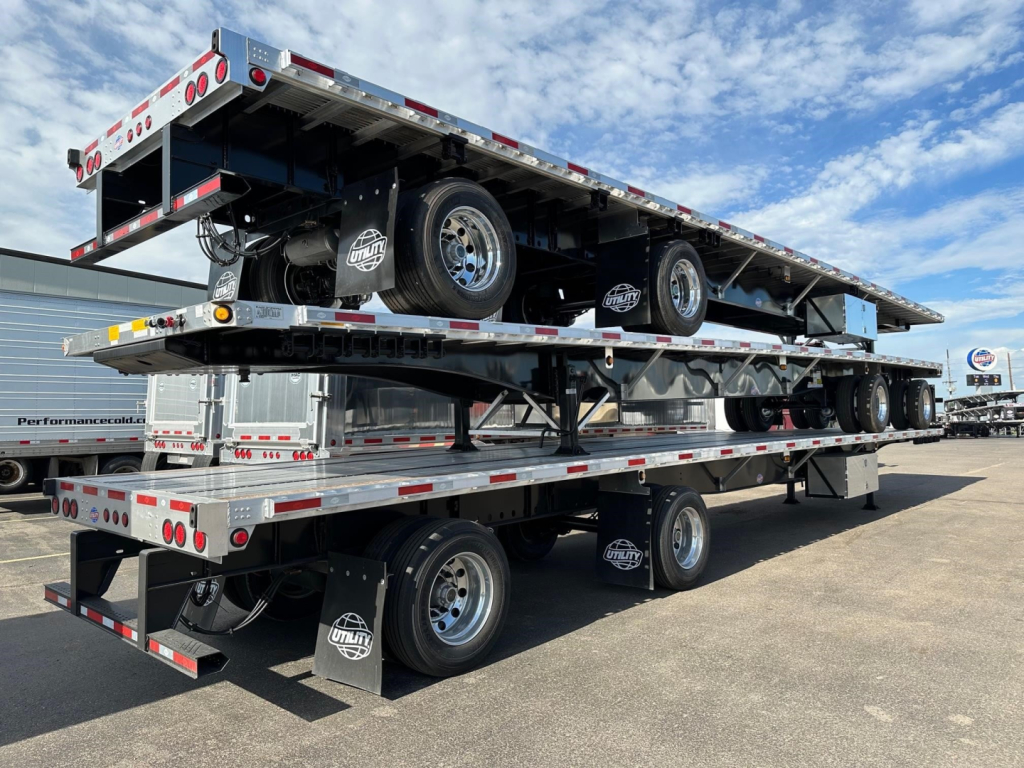
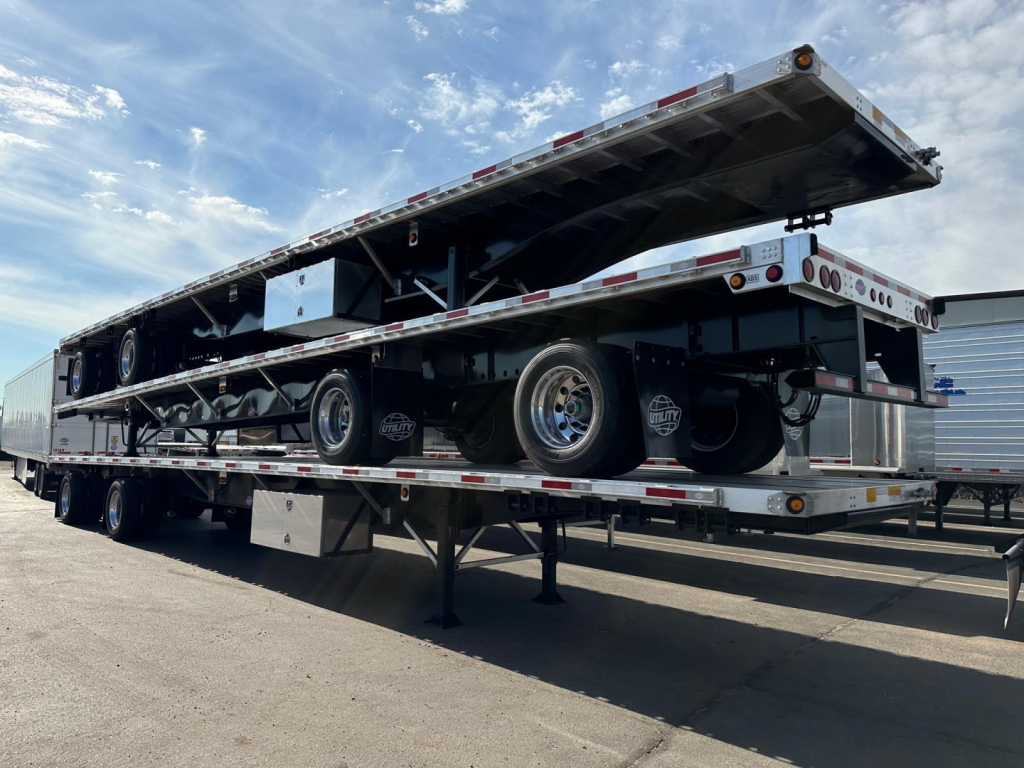
The first buying decision is usually axle layout and bridge compliance. Many 2025 Utility flatbeds are set up as tandem air ride trailers with a rear slide axle, while some are configured as spread axle or fixed spread air ride units. If the trailer will run heavy freight in California or other weight-sensitive lanes, California-legal and bridge-friendly setups matter. A rear slider with air pin release can add flexibility for load positioning and state compliance, while a spread axle can improve weight distribution but may limit maneuverability in tight docks or urban deliveries. Buyers running mixed regional and long-haul freight should pay close attention to axle spread, dump valve configuration, and overall empty weight.
Deck and securement spec matters as much as axle spec. Common Utility flatbed features include stake pockets, double pipe spools, sliding winches, and winch tracks on both road and curb sides. Two nail strips are common and make a difference for lumber, cradles, and custom blocking. A coil package is important for anyone hauling steel coil, not just dedicated steel haulers, because it expands the trailer’s freight options and resale appeal. Tool boxes, ICC bumpers, polished outer aluminum wheels, and low-profile 22.5 tires are also common details buyers look for when comparing otherwise similar flatbeds. On a 2025 model, the value is often in how well these options match the freight mix rather than in one headline spec.
Utility flatbeds are a straightforward choice for carriers that want a widely accepted open-deck platform with familiar parts, standard dimensions, and practical resale demand. When comparing listings, look closely at deck material condition, crossmember spacing, winch count, axle type, tire size, suspension setup, and whether the trailer is spec'd for coils, pipe, or general commodity work. A properly spec'd 2025 Utility flatbed can cover a broad range of freight without locking the buyer into a narrow application, which is exactly why this category remains one of the core trailer types in commercial trucking.
Frequently Asked Questions about 2025 Utility Flatbed Trailers
What is the typical specification for a 2025 Utility flatbed trailer?
Most 2025 Utility flatbed trailers in this category are 53 feet long and 102 inches wide with combo construction. That usually means steel main beams paired with aluminum crossmembers, aluminum side rails, and an aluminum deck. Common equipment includes stake pockets, nail strips, sliding winches, dual-side winch tracks, a coil package, air ride suspension, and either a tandem sliding rear axle or a spread axle configuration.
What does combo construction mean on a Utility flatbed?
Combo construction refers to a trailer built with both steel and aluminum components to balance durability and weight savings. On a Utility flatbed, the main beams are often steel for structural strength, while the crossmembers, deck, and rails are aluminum to reduce tare weight and improve corrosion resistance. This design is popular because it supports a broad range of freight without the empty-weight penalty of a full steel trailer.
Should I choose a tandem slider or a spread axle Utility flatbed?
A tandem slider is usually the more versatile choice for carriers running mixed freight and multiple states because it gives more flexibility for bridge laws, kingpin-to-rear-axle settings, and load placement. A spread axle setup can improve weight distribution and stability on certain heavy loads, but it can be less forgiving in tight turns and may create operational limits in some delivery environments. The right choice depends on freight density, route states, and how often the trailer needs to adapt to different legal weight requirements.
Why is a coil package important on a flatbed trailer?
A coil package adds load securement capability for hauling steel coils by providing the structure and deck arrangement needed for coil bunks and concentrated weight. Even if coil hauling is not the primary application, a trailer with a coil package is often more flexible in the secondary market and better suited for heavy commodity work. Buyers often view it as a valuable option because it broadens the trailer’s usable freight profile without changing its general flatbed function.
What features matter most when comparing Utility flatbed listings?
The most important comparison points are axle configuration, suspension type, legal bridge setup, securement equipment, and overall tare weight. Buyers should also inspect deck condition, nail strip wear, crossmember integrity, wheel and tire spec, winch quantity, and whether the trailer includes practical options like tool boxes, dump valves, and dual-side winch tracks. Small spec differences can materially affect payload, route flexibility, and day-to-day usability.