
2025 CPS Trailers For Sale in Colorado
Shop 2025 CPS trailers for sale, including bottom dumps and dump trailers with air ride, lightweight specs, high-cube bodies, and jobsite-ready setups.
Selling a 2025 cps trailer? List your 2025 cps trailer for sale and reach thousands of commercial buyers.
2025 CPS Trailers in Colorado
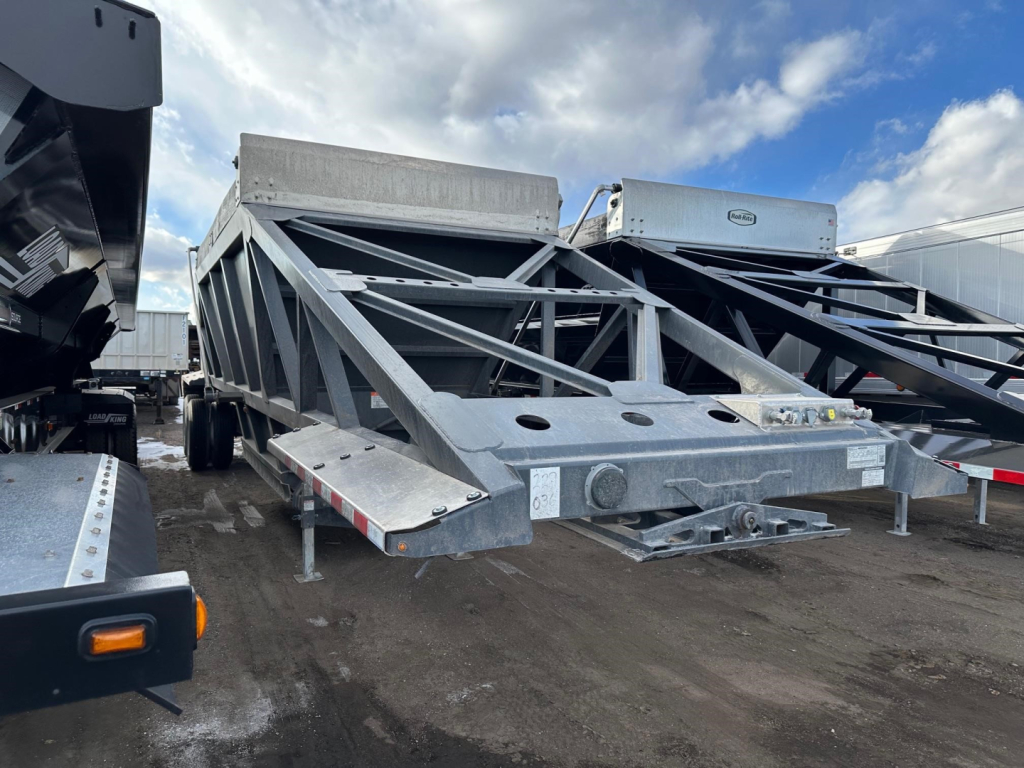
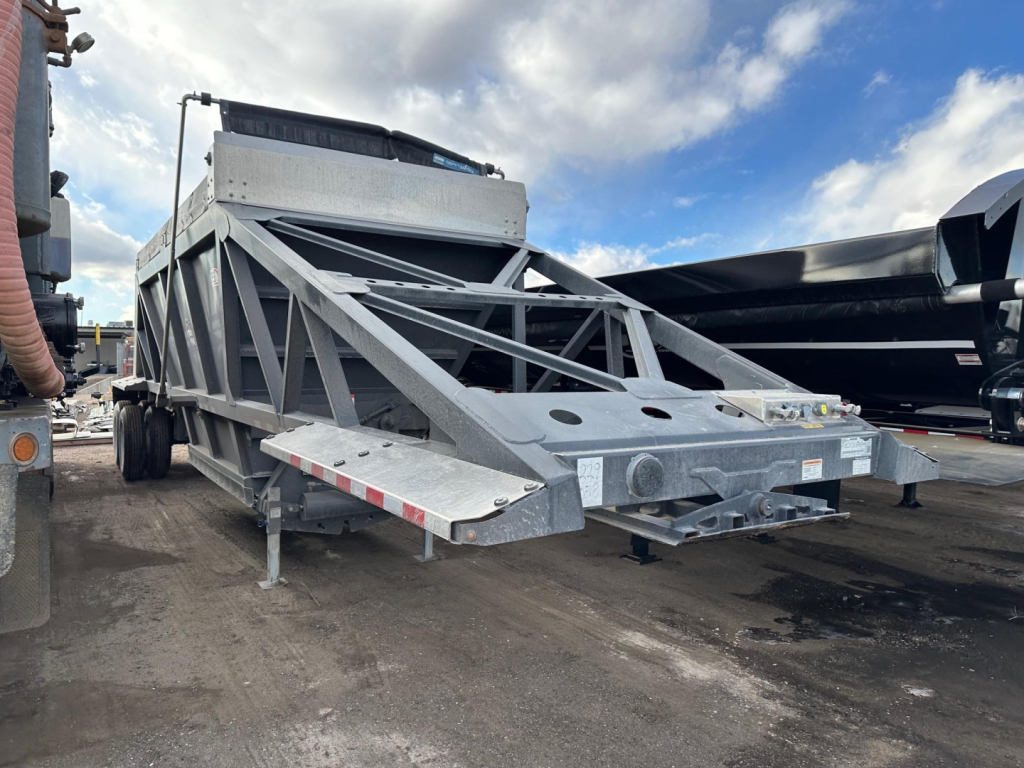
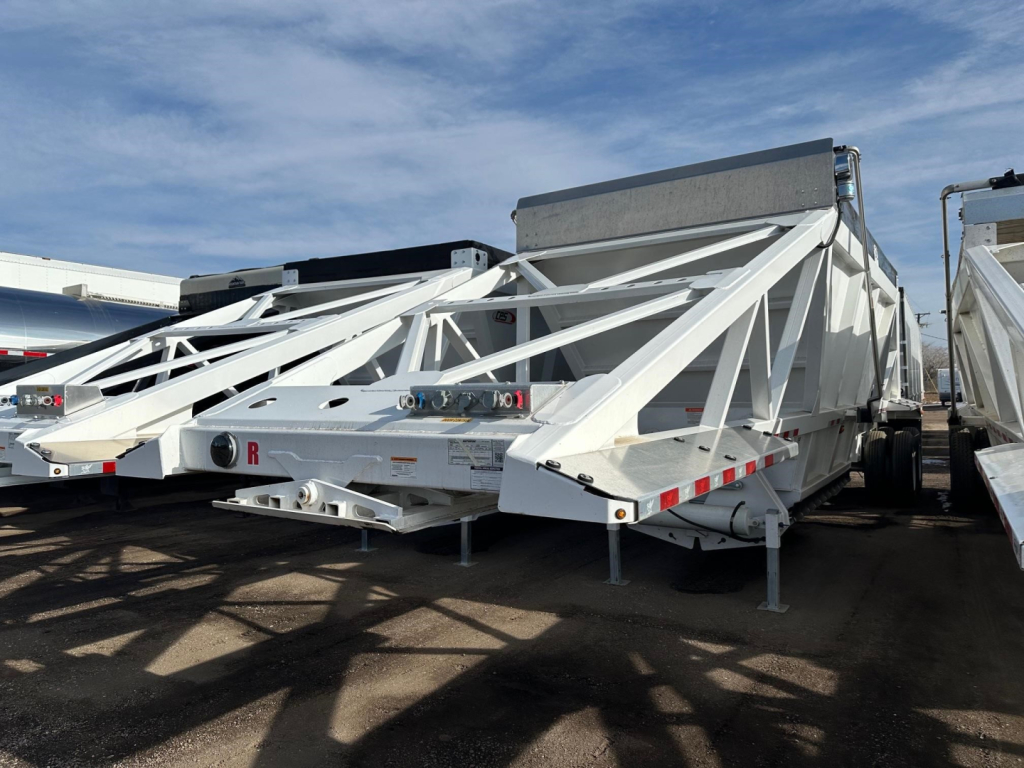
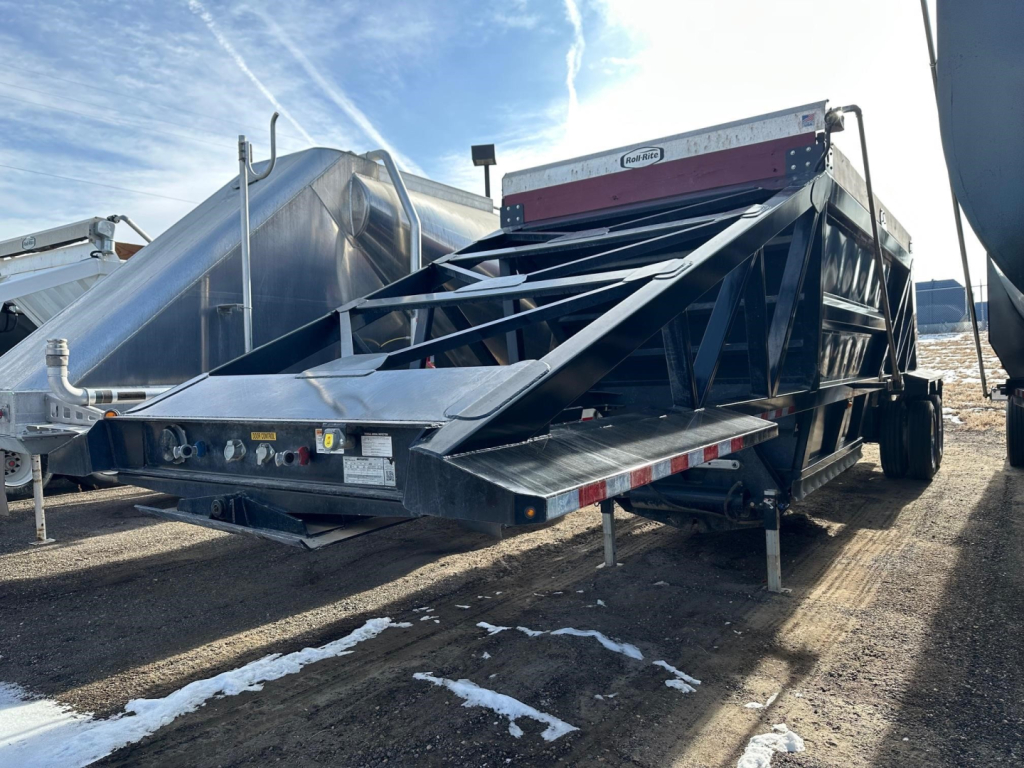
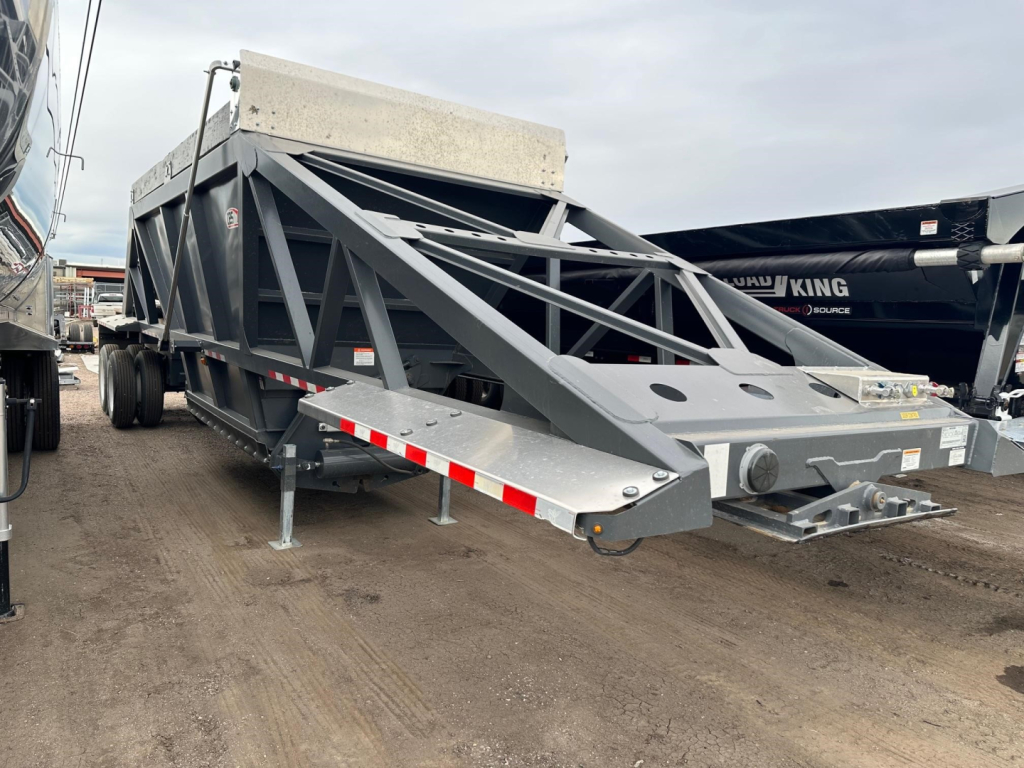
A CPS bottom dump trailer is built for fast, controlled unloading of sand, gravel, base, and asphalt-related material. Common specs in this class include 40-foot to 42-foot lengths, single-hopper layouts, air ride suspensions, tandem or tri-axle configurations, and 11R24.5 rubber on steel wheels. Buyers should pay close attention to gate control systems such as pin setting gate limiters and Versa Valve setups, since those details affect spread accuracy and discharge consistency. Features like windrow deflectors, bang boards, electric flip tarps, push blocks, LED lighting, and front and rear fenders are typical on work-focused configurations. A closed tandem is often preferred for straightforward aggregate service, while a tri-axle with a lift axle can help balance payload flexibility against bridge and state weight considerations.
For bulk scrap, demolition debris, and other light but voluminous loads, CPS dump trailers may also include frameless end dump designs with half-round tubs and high-cube bodies. In that segment, buyers usually focus on body material, cubic yard capacity, side height, gate style, and tub design. AR450 steel tubs, barn door swing gates, and frameless construction are common choices when abrasion resistance and clean discharge are priorities. A half-round body generally sheds material better than a square body in sticky applications, while the frameless design can reduce tare weight and improve payload potential, assuming the application and terrain support it. If the work includes uneven demolition sites or frequent off-camber dumping, stability and center-of-gravity considerations deserve extra attention.
The smartest way to compare 2025 CPS trailers is to match the trailer style to the material stream first, then sort through suspension, axle layout, hopper or tub design, and accessory package. Bottom dumps suit road building, stockpile work, and spread applications where you want material on the ground without raising the body. End dumps suit higher-volume haul work where a full rear discharge is more important than controlled spread. On used units, inspect gate seals, hinge points, tarp systems, suspension components, frame condition, and signs of tub wear or impact damage. On later-model trailers, lightweight construction and simple, proven controls can make a bigger difference in long-term operating cost than small cosmetic upgrades.
Frequently Asked Questions about 2025 CPS Trailers in Colorado
What are 2025 CPS trailers most commonly used for?
2025 CPS trailers are commonly used in aggregate hauling, road construction, excavation, demolition, and scrap operations. Bottom dump models are best suited for controlled material placement such as gravel, sand, and base rock, while end dump or scrap-style trailers are typically chosen for bulk debris, demolition material, and other loads that need full rear discharge. The right application depends on whether the job requires spreading material in motion or unloading it in one pile.
What should I look for in a CPS bottom dump trailer?
The main buying points on a CPS bottom dump trailer are hopper design, gate controls, suspension type, axle configuration, and overall weight. Buyers often look for single-hopper setups, pin setting gate limiters, Versa Valve controls, air ride suspension, and practical options like electric flip tarps, windrow deflectors, fenders, and LED lights. These features directly affect unloading control, maintenance needs, and how efficiently the trailer handles repeated aggregate cycles.
How do I choose between a tandem and tri-axle CPS trailer?
A tandem axle CPS trailer is usually the simpler choice for standard aggregate work where legal weights, maneuverability, and lower operating complexity are the priority. A tri-axle configuration, especially with a lift axle, can offer more flexibility for payload distribution and state bridge law compliance, but it also adds tires, brakes, and suspension components to maintain. The decision should be based on haul distance, material weight, state regulations, and the roads the trailer will run most often.
Are CPS end dump and scrap trailers built differently than bottom dumps?
Yes. CPS end dump and scrap trailers are generally designed around cubic capacity, tub material, and rear discharge performance rather than controlled spread. Buyers will often see frameless construction, half-round tubs, high sidewalls, AR450 steel, and barn door or other rear gate styles on these trailers. Bottom dumps are built around hopper discharge systems and are better for laying material evenly without raising the trailer body.
What matters most when buying a used late-model CPS trailer?
On a used late-model CPS trailer, the most important checks are structural condition, suspension wear, tire condition, gate operation, tarp function, and evidence of hard use around the frame, tub, or hopper. Bottom dumps should be inspected for smooth gate travel, seal condition, and wear at pivot points. Dump and scrap trailers should be checked for floor and sidewall wear, hinge condition, cylinder area stress, and any signs of twisting or impact damage. A clean-spec trailer is valuable, but mechanical condition and prior application history matter more.