
2025 CPS Dump Trailers For Sale in Colorado
Shop 2025 CPS dump trailers for sale, including bottom dump and end dump models with air ride, tarp systems, durable tubs, and hauling specs.
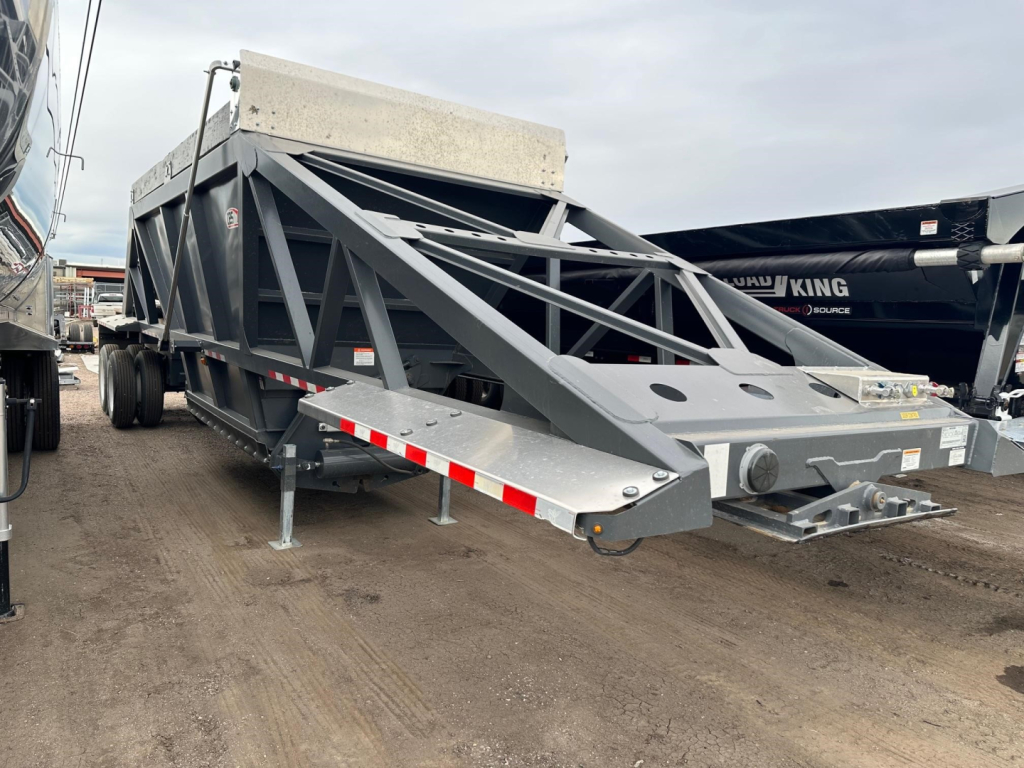
Selling a 2025 cps dump trailer? List your 2025 cps dump trailer for sale and reach thousands of commercial buyers.
2025 CPS Dump Trailers in Colorado
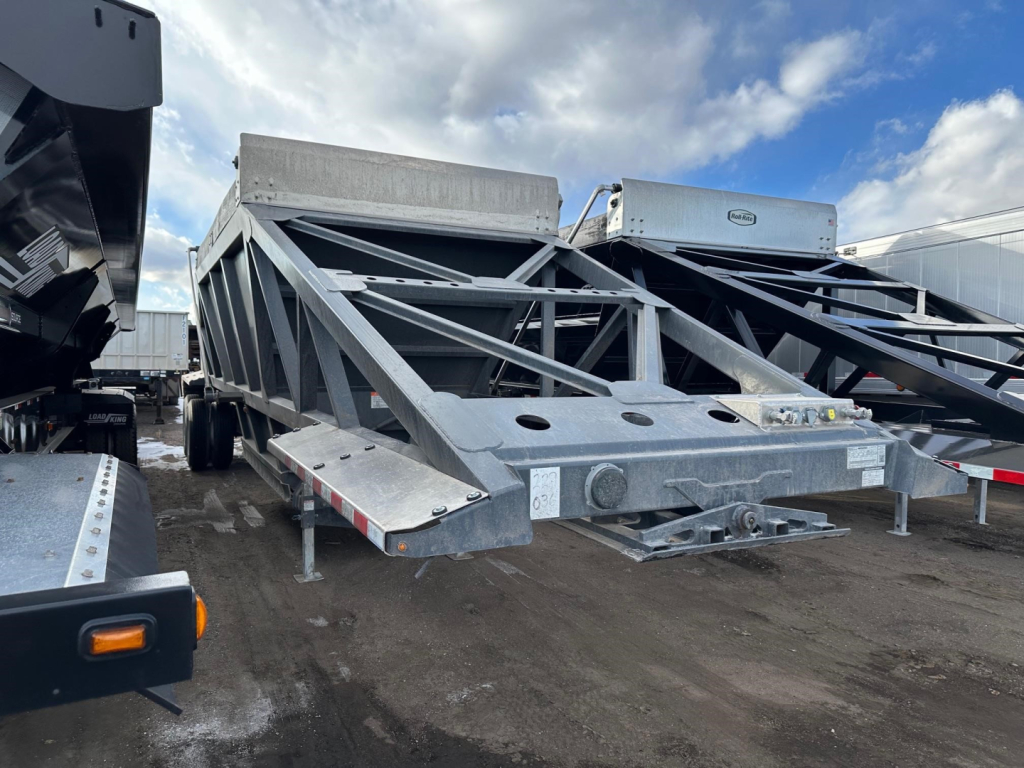
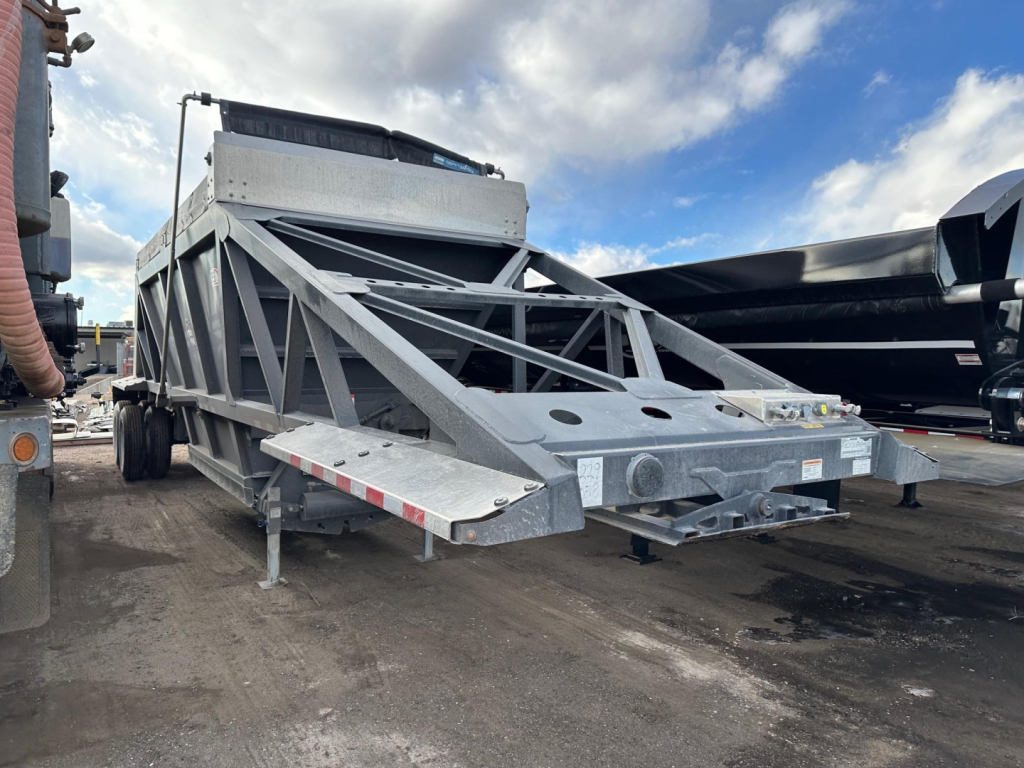
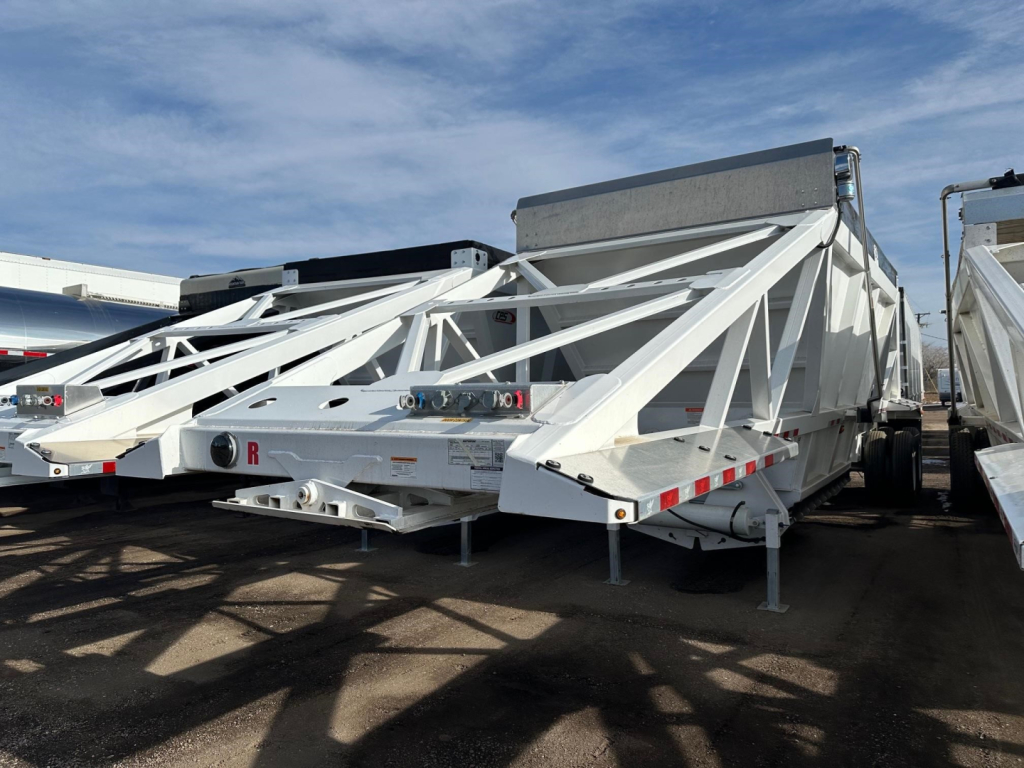
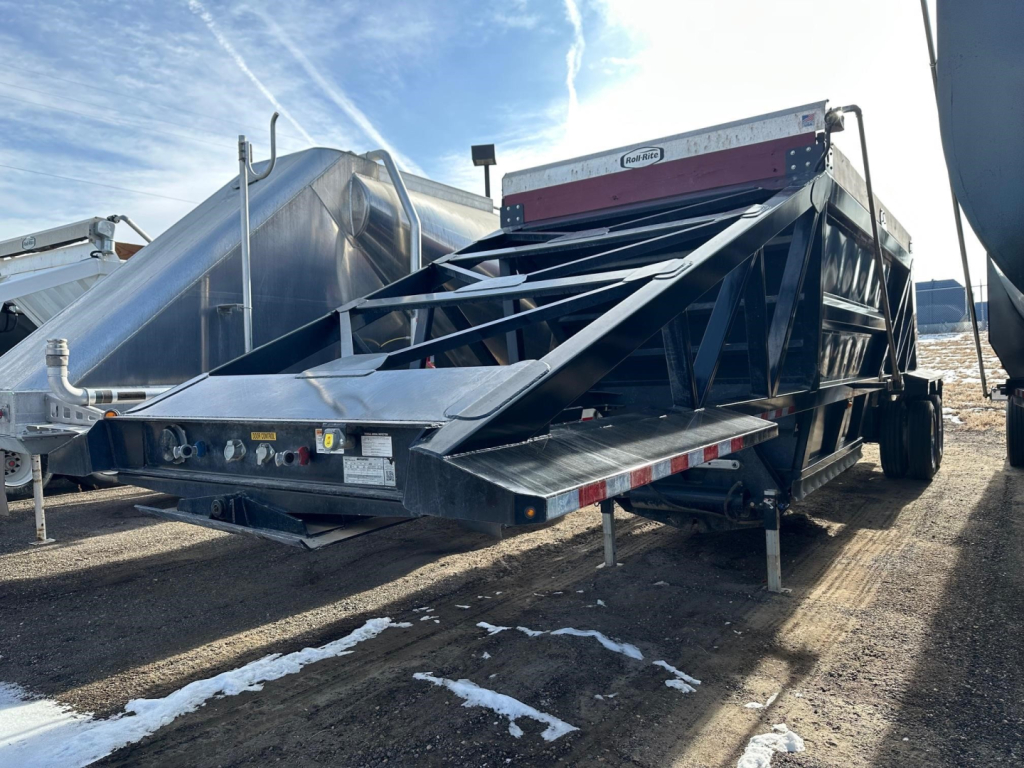
A lot of late-model CPS bottom dumps in this class are 40-foot to 42-foot configurations with single-hopper or tri-axle layouts, air ride suspensions, electric tarp systems, and pin-setting gate limiters. Buyers comparing belly dumps should pay attention to hopper design, gate actuation, kingpin setting, axle spacing, and whether the trailer has a closed tandem or lift axle setup. Features like a Versa valve, windrow deflector, bang boards, push block, and front and rear fenders are common on work-focused specifications because they improve material flow, paving control, and day-to-day durability. Tire size, often 11R24.5, wheel material, and LED lighting package are also worth reviewing if the trailer will see mixed highway and jobsite use in Colorado.
On the end dump side, CPS rock trailers are often frameless steel builds with half-round tubs designed for abrasive material and repeated impact loading. AR450 steel is a common tub material for rock applications because it offers better wear resistance than standard steel when hauling riprap, demo debris, crushed stone, or shot rock. Key spec decisions include tub length, side height, gate style, suspension type, and tarp configuration. A high-lift gate and mesh electric flip tarp are especially relevant for operators hauling larger rock or uneven loads. Suspension choice also affects stability, empty-ride quality, and service life, particularly on rough haul roads or in quarry environments.
For Colorado buyers, terrain, axle laws, and seasonal operating conditions should shape the spec. Air ride bottom dumps are popular for highway-focused hauling and controlled discharge work, while heavier-duty end dumps make more sense for severe-duty material. Frame style, overall length, cubic yard rating, and GVWR should be matched to the actual commodity, not just the biggest number on paper. The right 2025 CPS dump trailer is the one that balances legal payload, unload speed, structural durability, and the type of jobsite it will visit every day.
Frequently Asked Questions about 2025 CPS Dump Trailers in Colorado
What is the difference between a CPS bottom dump trailer and a CPS end dump trailer?
A CPS bottom dump trailer, also called a belly dump, unloads through gates in the floor and is used when controlled material placement is important. It is common in road building, shoulder work, and aggregate spreading because the operator can meter the discharge while moving. A CPS end dump trailer raises the body and dumps out the rear, which makes it better for stockpiling, excavation spoil, demolition debris, and larger rock where fast rear discharge is more important than spread control.
What specs matter most when buying a 2025 CPS bottom dump trailer?
The most important bottom dump specs are trailer length, hopper count, axle configuration, suspension type, gate controls, and tarp system. Buyers should also review kingpin setting, axle spacing, tire size, and any paving-related equipment such as windrow deflectors, bang boards, and pin-setting gate limiters. Those details affect how the trailer tracks, how precisely it unloads, and how well it fits the routes and commodities the operation handles.
Why do many CPS rock end dumps use AR450 steel tubs?
AR450 steel is commonly used in rock end dump bodies because it resists abrasion and impact better than lighter-duty steel. That matters when hauling crushed stone, riprap, demolition material, and other sharp or heavy commodities that wear out the tub floor and sidewalls. A harder wear surface can help extend body life and reduce repair frequency, especially in quarry and severe-duty hauling.
Is air ride a good choice for a dump trailer in Colorado?
Air ride is a strong choice for many Colorado dump trailer applications, especially when the trailer spends significant time on paved roads or needs better ride quality for higher-speed hauling. It can improve load stability and reduce shock transfer compared with harsher suspension setups. For rougher off-road or quarry service, buyers should still compare durability, maintenance requirements, and overall suspension design against the specific material and terrain involved.
How should cubic yard capacity and GVWR be evaluated on a dump trailer?
Cubic yard capacity and GVWR should be evaluated together with the material being hauled. Light material may cube out before reaching legal weight, while aggregate, sand, wet dirt, or rock can hit axle limits well before the body is full. The better buying decision is to match body volume, trailer weight, axle group, and local legal weight requirements to the actual commodity mix so the trailer performs efficiently without running overweight.