
2025 CPS Dump Trailers For Sale
Shop 2025 CPS dump trailers including bottom dump and end dump models with specs for aggregate, asphalt, demolition, and site work.
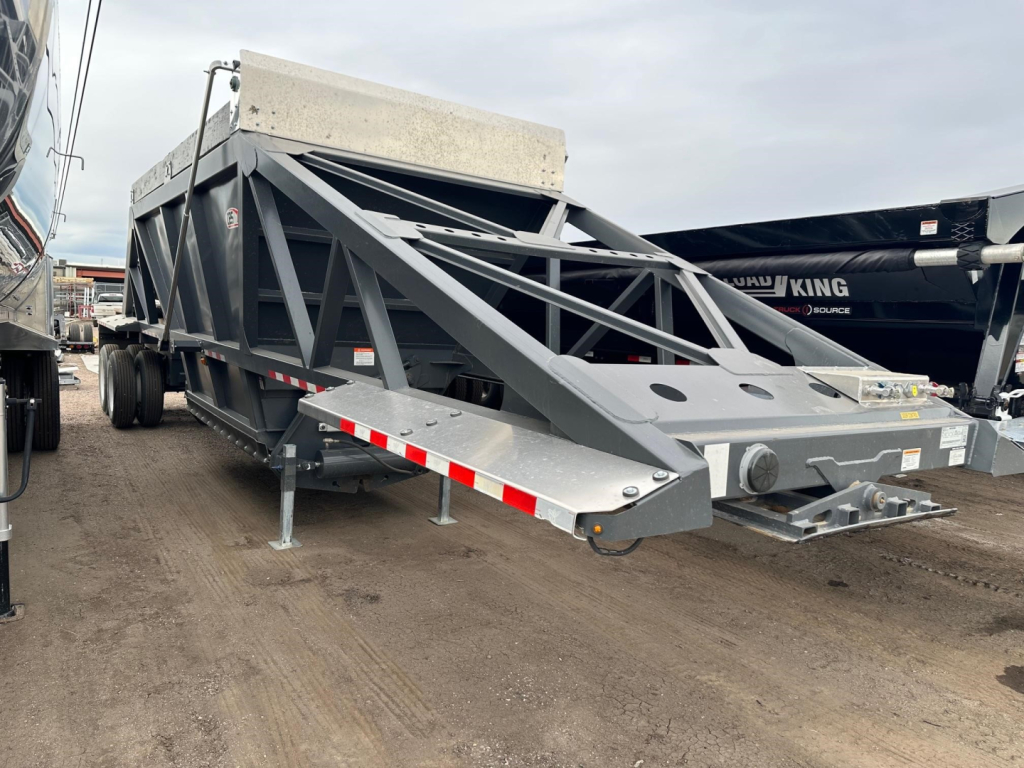
Selling a 2025 cps dump trailer? List your 2025 cps dump trailer for sale and reach thousands of commercial buyers.
2025 CPS Dump Trailers
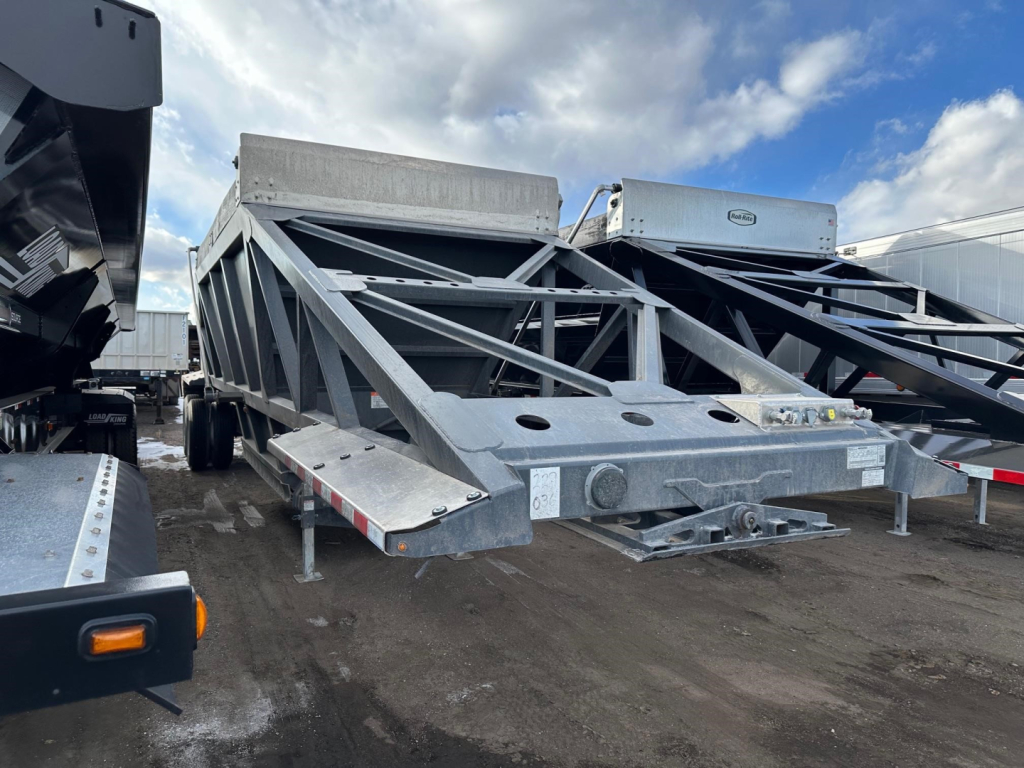
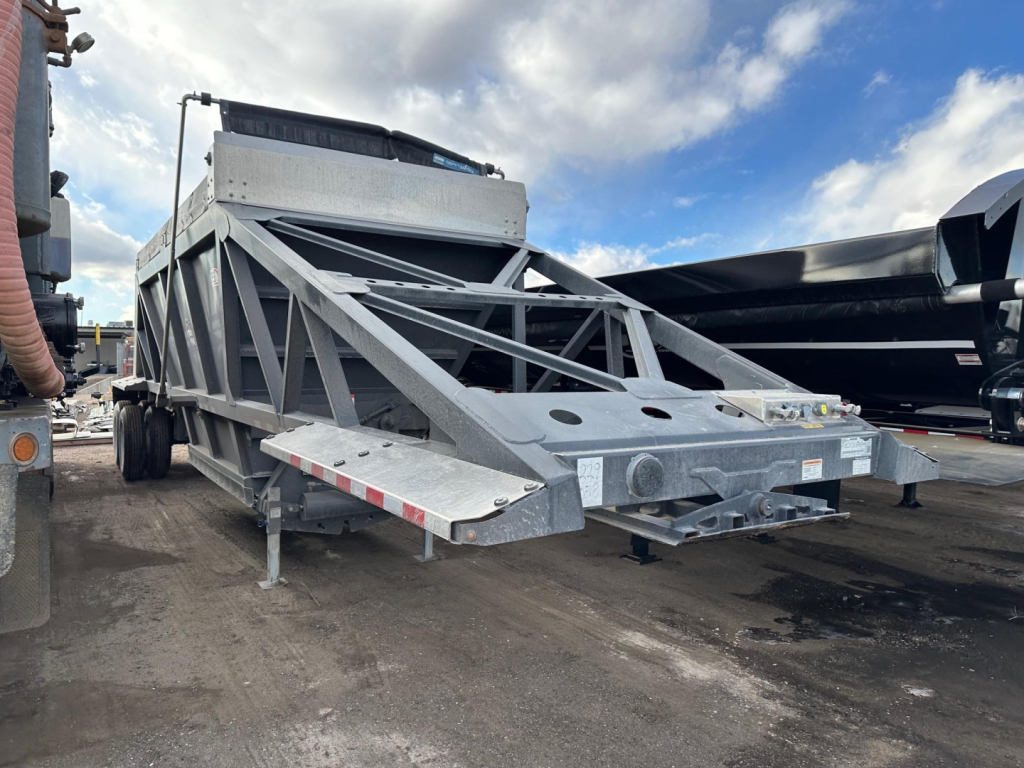
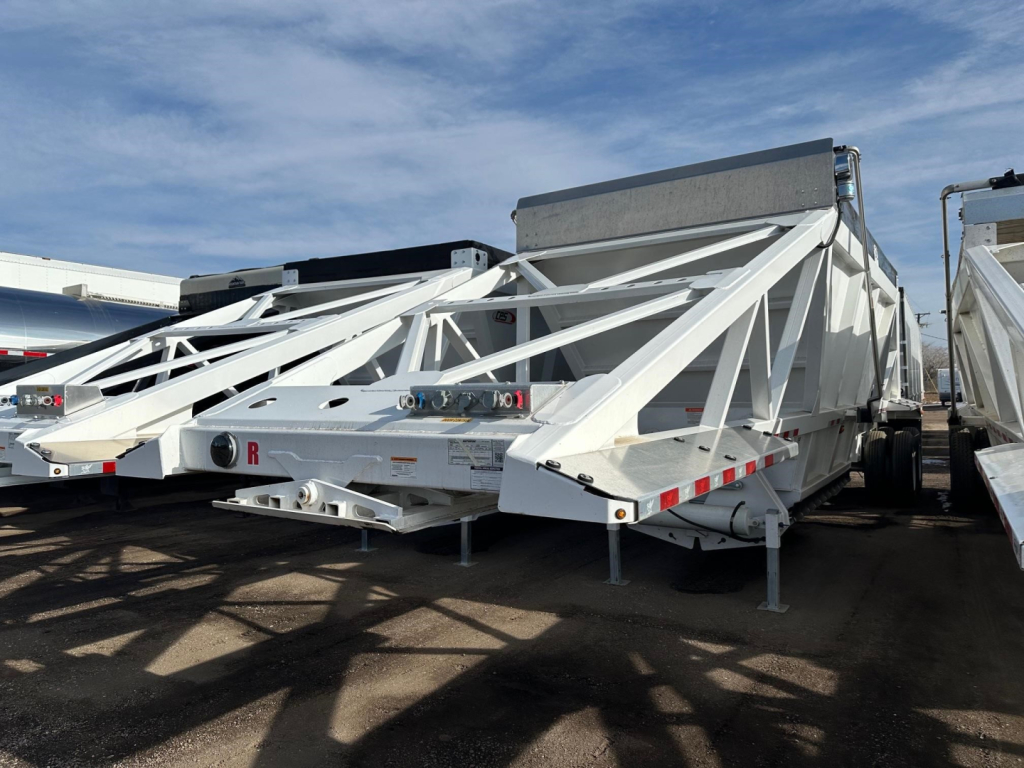
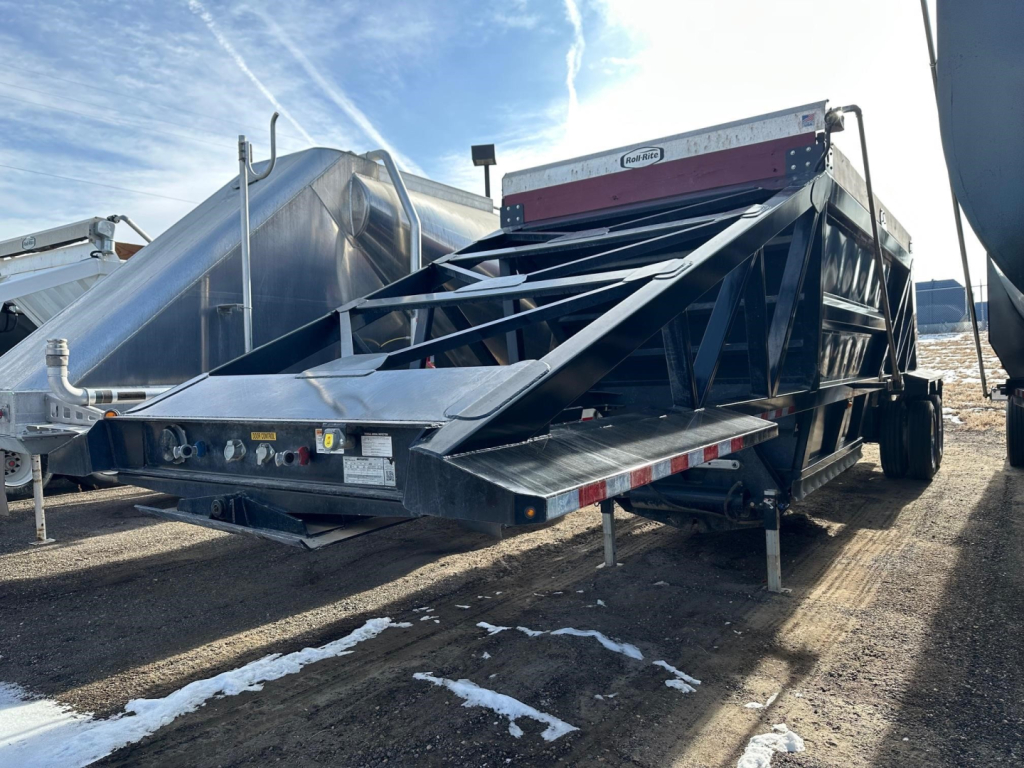
On CPS bottom dump trailers, common configurations include 40-foot to 42-foot lengths, tandem or tri-axle layouts, air ride suspension, and 11R24.5 tires on steel wheels. Buyers should pay close attention to hopper count, gate controls, and kingpin-to-axle spread because those details determine how the trailer works in local bridge law and jobsite conditions. Features such as pin-setting gate limiters, Versa Valve systems, bang boards, windrow deflectors, electric slide or flip tarps, and rear lift axles are practical production options, not cosmetic extras. They affect discharge consistency, cleanout, tarp compliance, and tire wear. GVWR and payload potential also need to be balanced against the tractor spec and the density of material being hauled.
For CPS end dump and scrap or demolition trailers, the body construction is the main buying decision. Frameless designs reduce tare weight and are common in half-round tubs, while AR450 steel bodies are intended for abrasive, high-impact material. High-cube bodies with 100-inch sides and capacities approaching the upper 80-cubic-yard range are aimed at lighter bulk loads such as scrap, C&D, and demolition debris rather than dense aggregates. Gate style also matters. A barn door swing gate works well for bulky material, but buyers should think through loading method, material hang-up, and clearance at the dump site. Ladder placement, fender setup, and whether a tarp system is installed are all worth confirming because they affect safety and road compliance.
A good CPS dump trailer choice comes down to matching the body and axle package to the work cycle. Bottom dumps suit fleets that need fast unloading and smooth material placement with minimal tip risk. End dumps and demolition tubs make more sense when the job involves irregular bulk material, larger chunks, or transfer station work. Buyers comparing listings should focus on cubic-yard rating versus actual legal payload, suspension type, gate hardware, liner or body steel, and how the trailer is spec'd for regional weight laws. The right spec will lower cycle times, reduce maintenance from material abuse, and keep the trailer productive across paving, aggregate, excavation, scrap, and demolition work.
Frequently Asked Questions about 2025 CPS Dump Trailers
What is the difference between a CPS bottom dump trailer and a CPS end dump trailer?
A CPS bottom dump trailer releases material through one or more hopper gates in the floor, which makes it ideal for controlled spreading of aggregate, road base, sand, and paving material. A CPS end dump trailer raises the body and unloads out the rear, which is better for bulk material that does not need precise placement, including demolition debris, rock, and scrap. Bottom dumps generally offer faster, lower-risk unloading on level surfaces, while end dumps handle a wider range of bulky material types.
What should I look for in a 2025 CPS bottom dump trailer spec?
The most important spec points are trailer length, axle configuration, suspension type, hopper design, gate control system, and legal weight distribution. Tri-axle and rear lift axle setups can help with payload and bridge compliance, while air ride suspension can improve material control and ride quality. Features such as pin-setting gate limiters, Versa Valve controls, windrow deflectors, tarp systems, and push blocks all have real operating value. The best spec depends on whether the trailer will be used for paving support, aggregate hauling, or general construction material work.
Are CPS scrap and demolition trailers suitable for aggregate hauling?
They can haul aggregate, but high-cube scrap and demolition trailers are usually better suited to lighter bulk material than dense rock or wet dirt. A large cubic-yard body can cube out before it weighs out, and the steel tub design is often optimized for demolition debris, scrap, or C&D loads. For repeated hauling of dense aggregate, buyers should verify body material, tare weight, GVWR, and the legal payload they can actually run in their state. In many operations, a dedicated bottom dump or a traditional aggregate end dump is the better fit.
Why do features like tarp systems, gate limiters, and windrow deflectors matter on dump trailers?
These features directly affect productivity, material control, and compliance. A tarp system helps meet road rules and reduces loss of material in transit. Gate limiters allow more consistent discharge settings, which is important when laying windrows or controlling spread volume. Windrow deflectors improve placement and reduce spillage around the discharge area. On a trailer that cycles all day, these options can save time, cut cleanup, and improve the quality of material placement.
Is air ride suspension a good choice on a CPS dump trailer?
Air ride is a strong choice for many dump trailer applications because it can improve ride quality, reduce shock to the trailer structure, and help protect the load and running gear on rough roads. It is commonly seen on bottom dump trailers where smooth tracking and material control are important. The tradeoff is that suspension choice should still match the operating environment, maintenance practices, and legal weight requirements. Buyers running severe off-road conditions should compare air ride against other suspension types based on durability and service support.