
2025 Dump Trailers For Sale in Colorado
Shop 2025 dump trailers for sale in Colorado. Compare end dumps, bottom dumps, and side dumps with specs for aggregate, paving, and excavation.
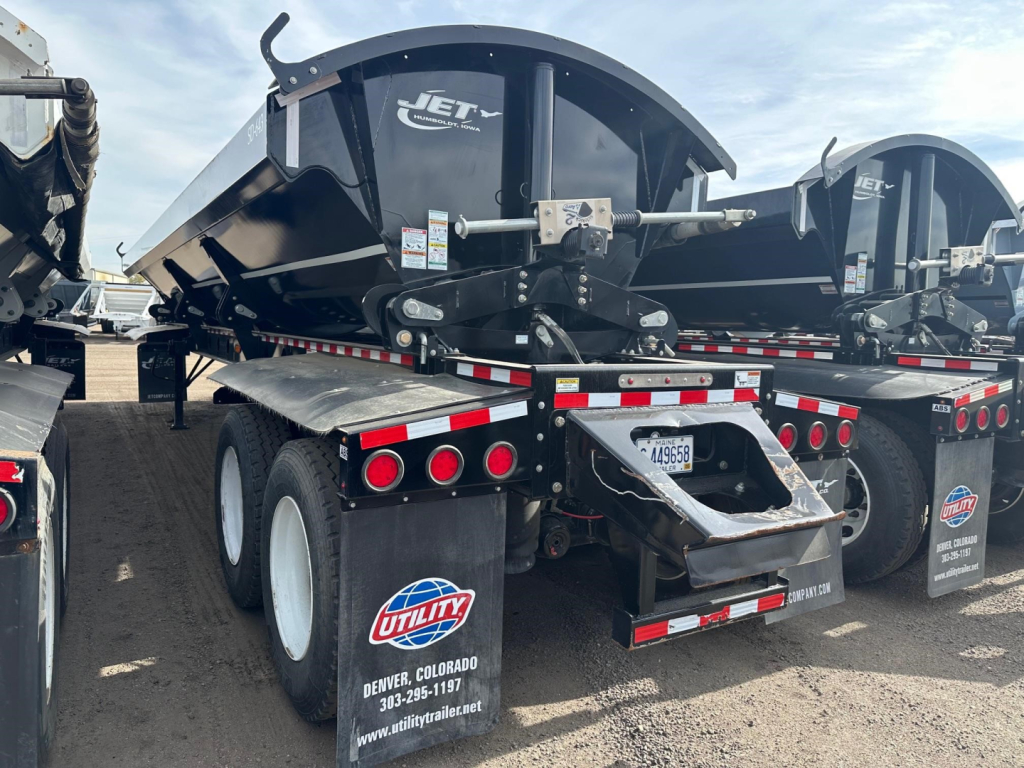
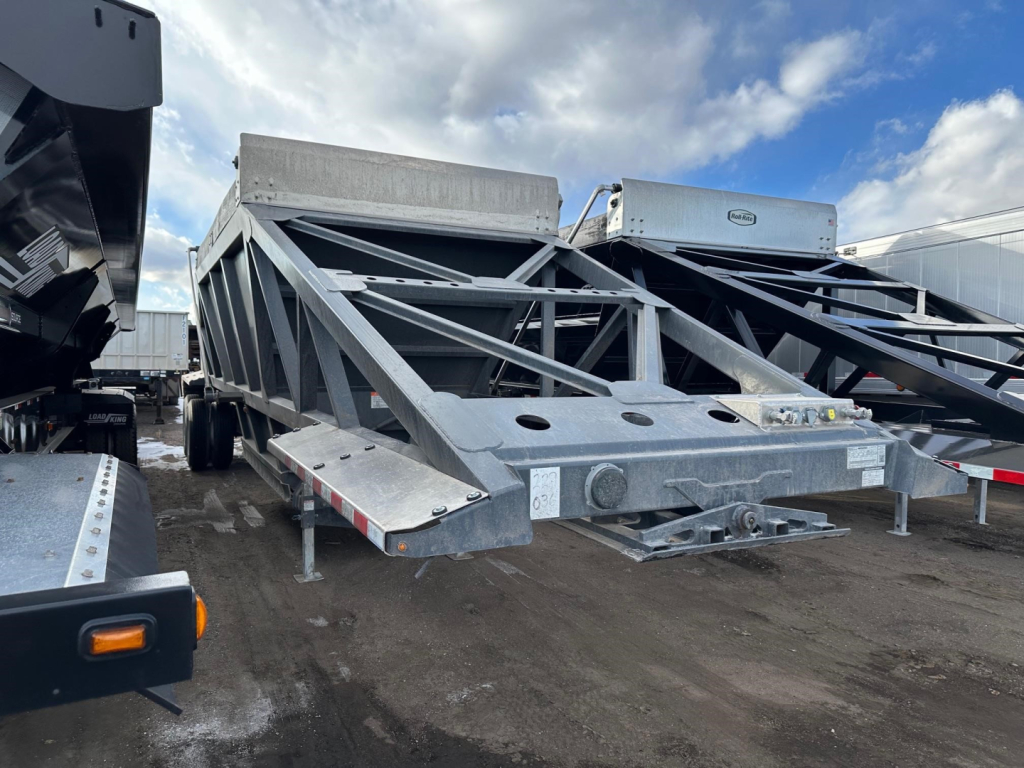
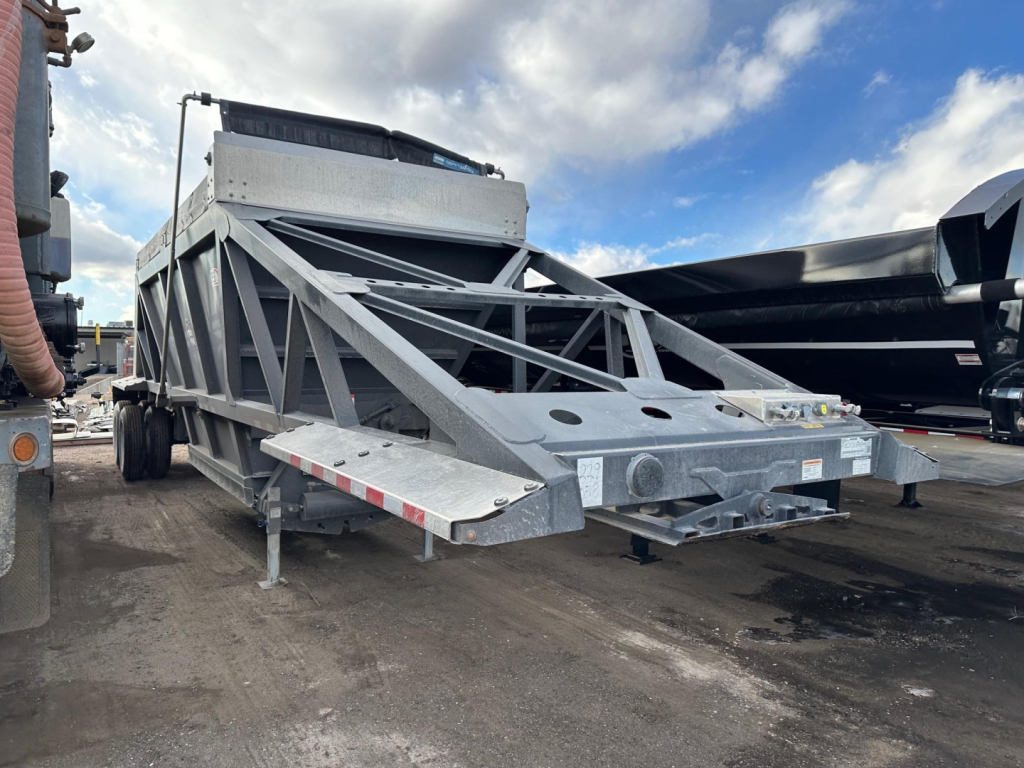
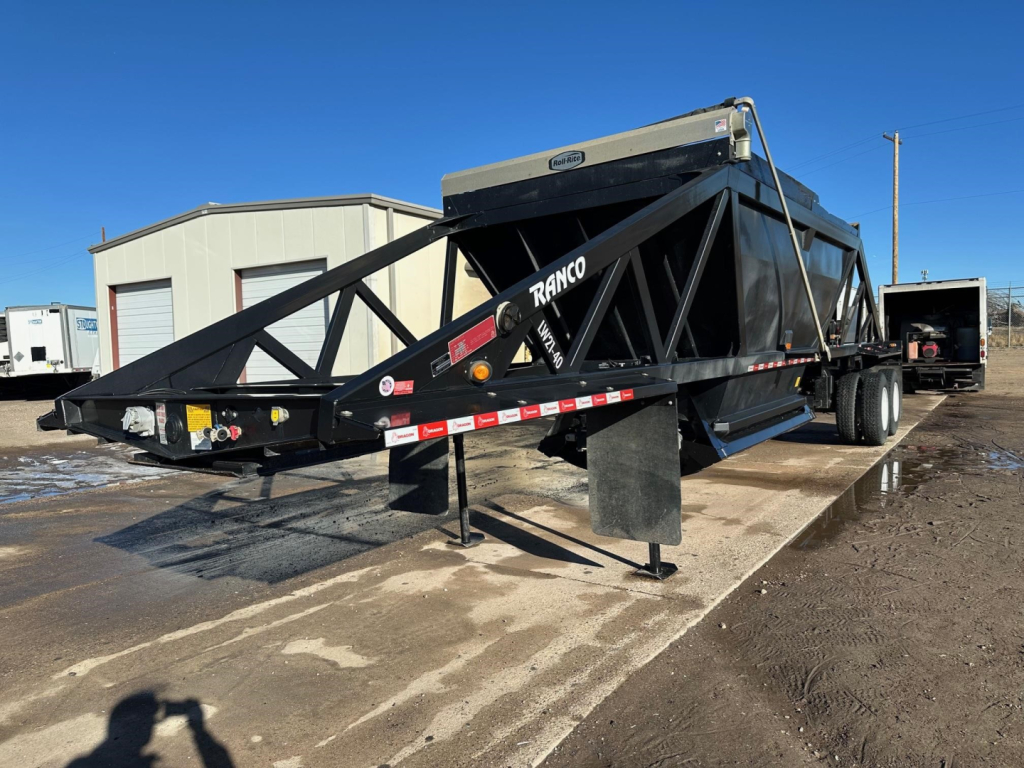
Selling a 2025 dump trailer? List your 2025 dump trailer for sale and reach thousands of commercial buyers.
2025 Dump Trailers in Colorado
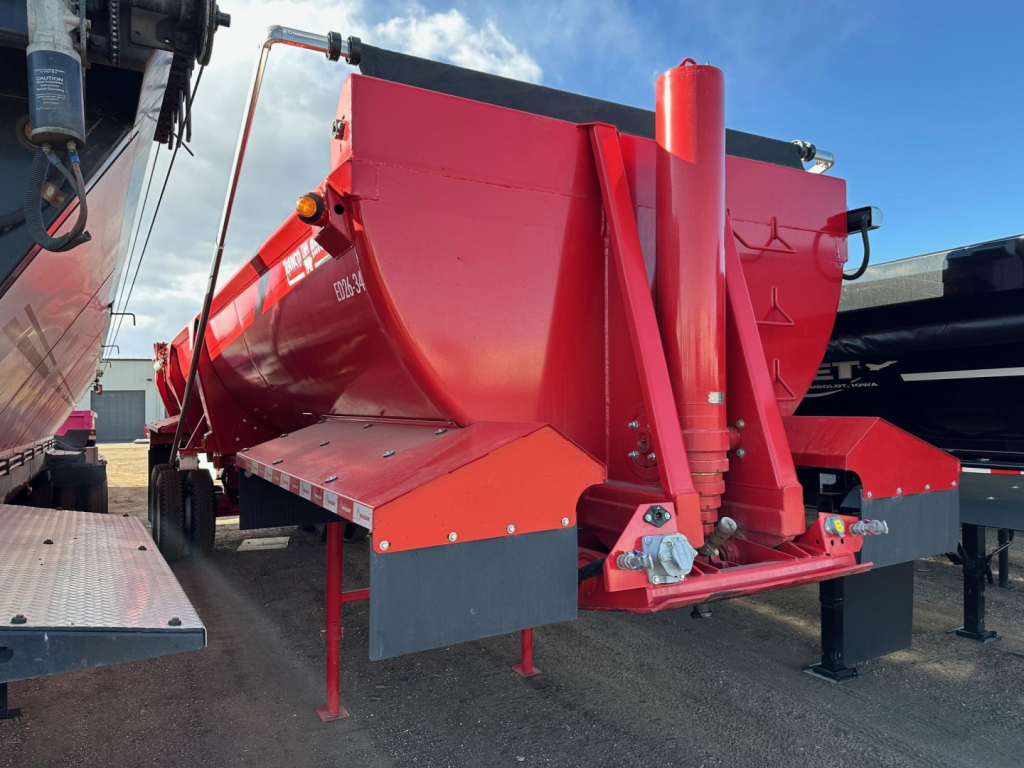
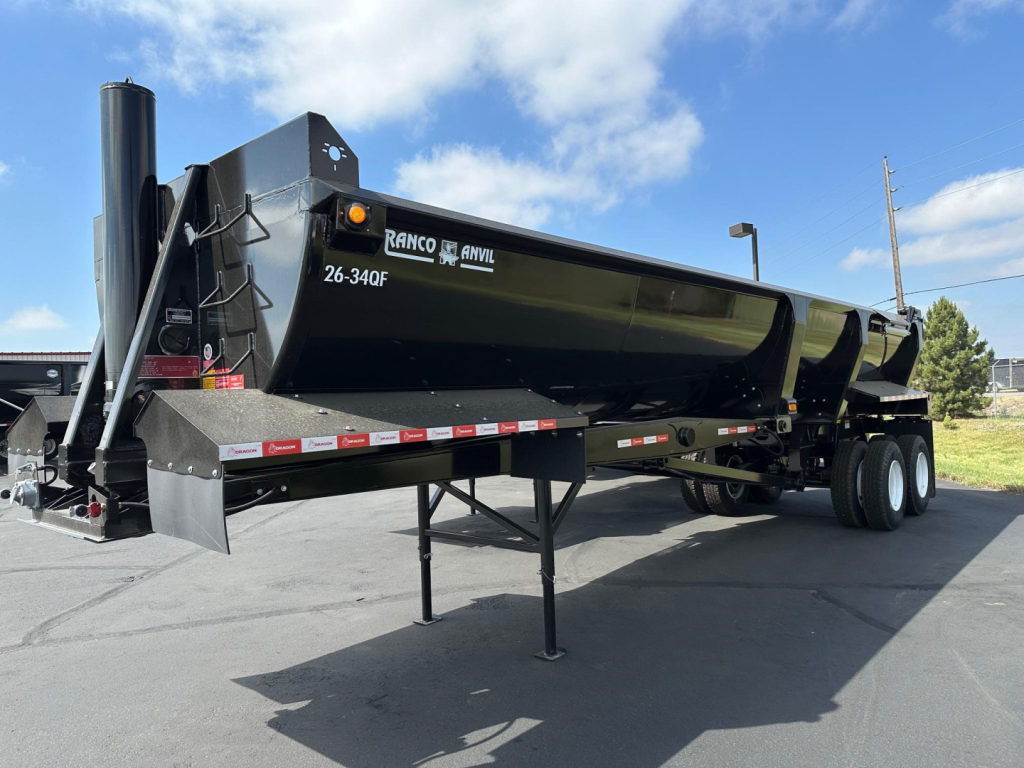
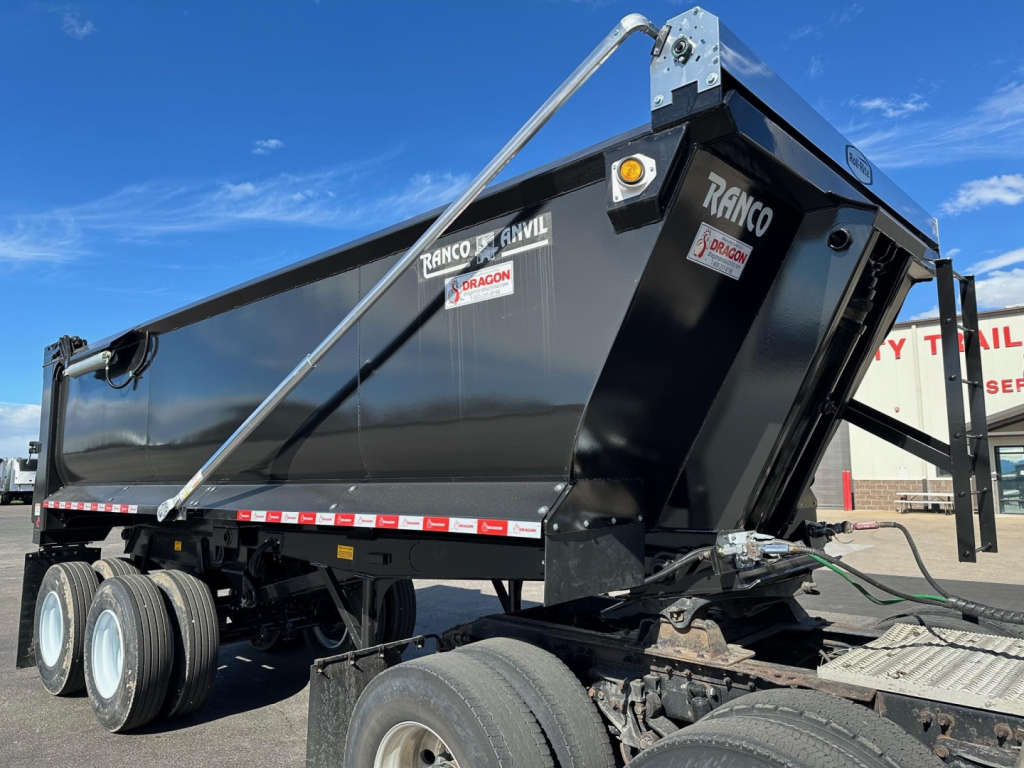
Body style and construction drive operating cost. Frameless aluminum end dumps are popular when payload is the priority, especially for lighter bulk commodities, while steel tubs and AR400 wear surfaces are better suited for rock, riprap, and abrasive material. Half-round tubs shed material cleanly and reduce carryback, which helps on wet or sticky loads. Square or more conventional bodies can offer different volume and loading characteristics depending on the operation. Buyers should pay attention to cubic yard capacity, side height, liner options, gate style, and tarp setup. Common details that matter in daily use include electric slide tarps, roll tarps, flip tarps, sealed gates, high-lift gates, ladders, fenders, and LED lighting.
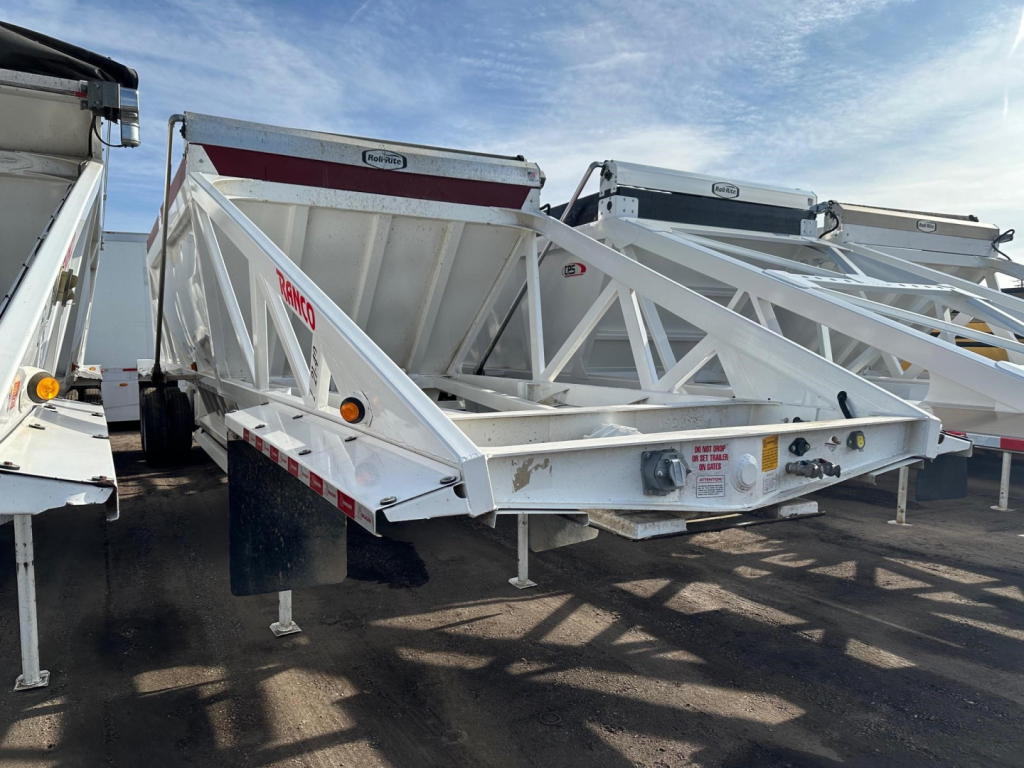
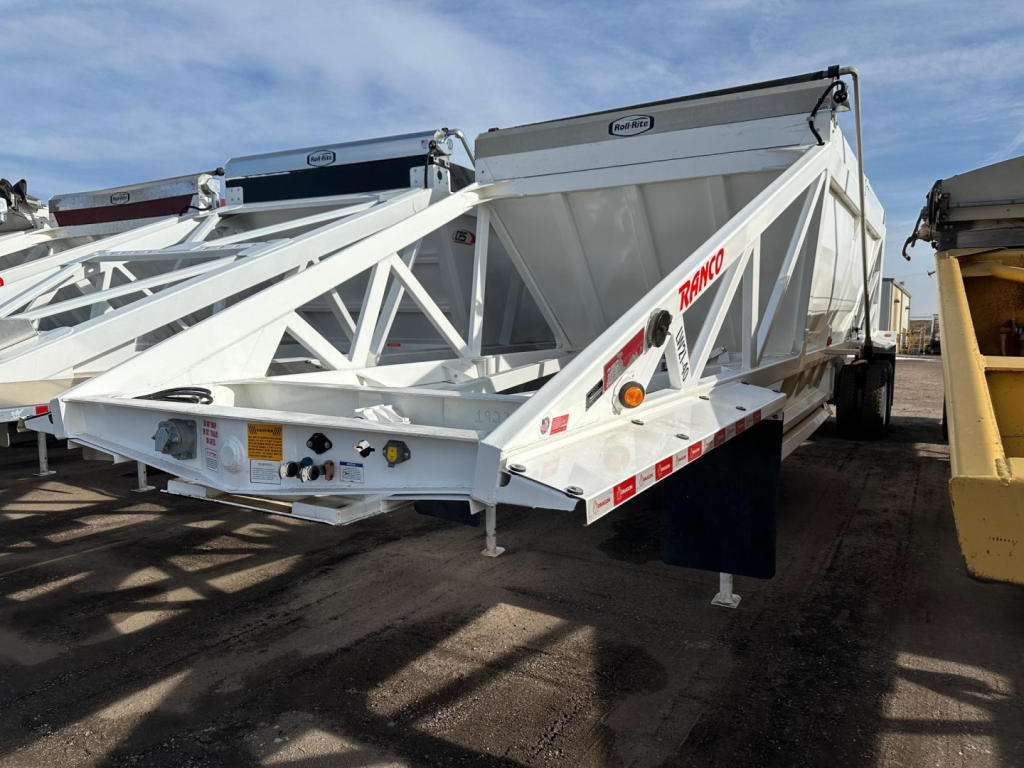
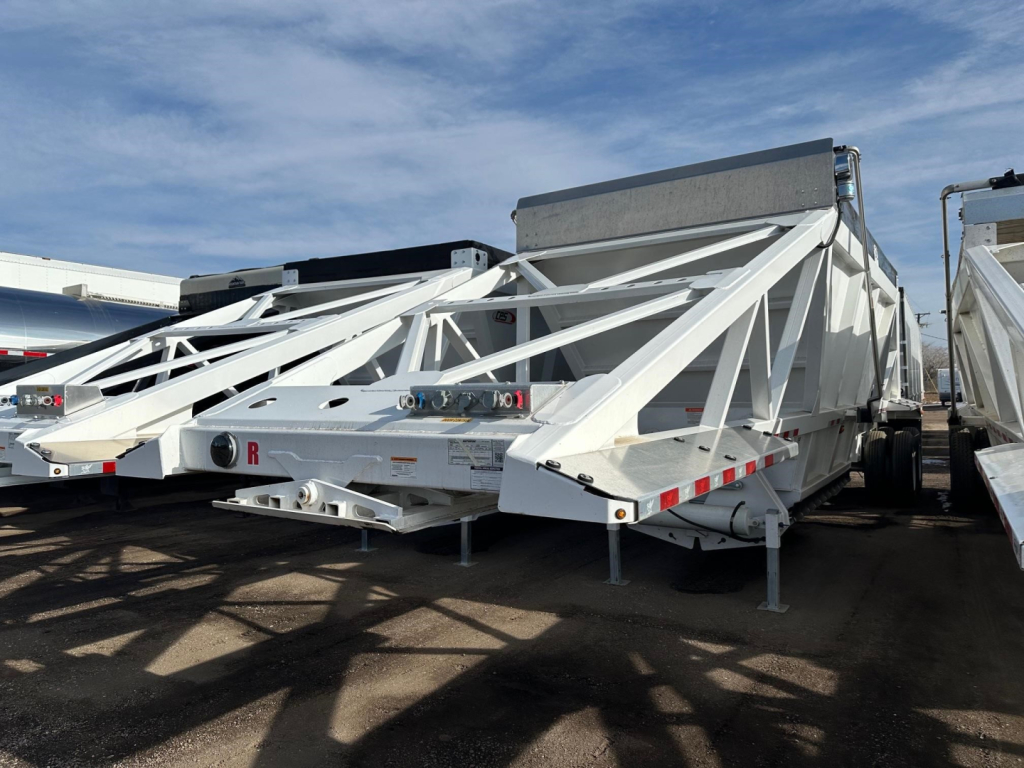
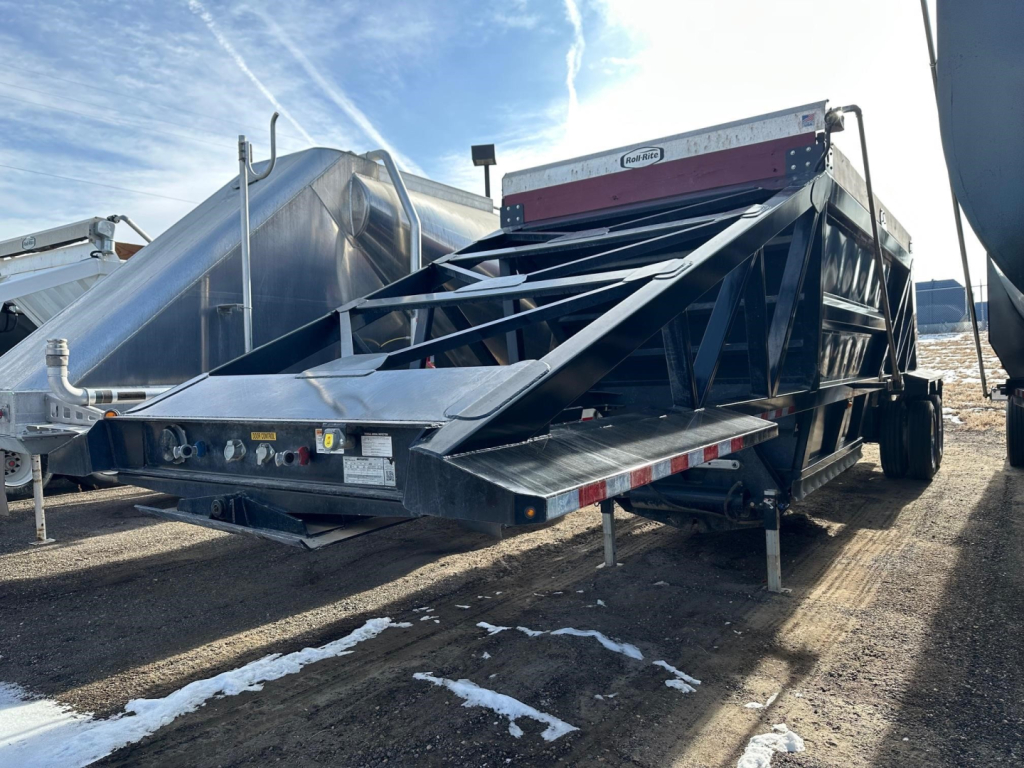
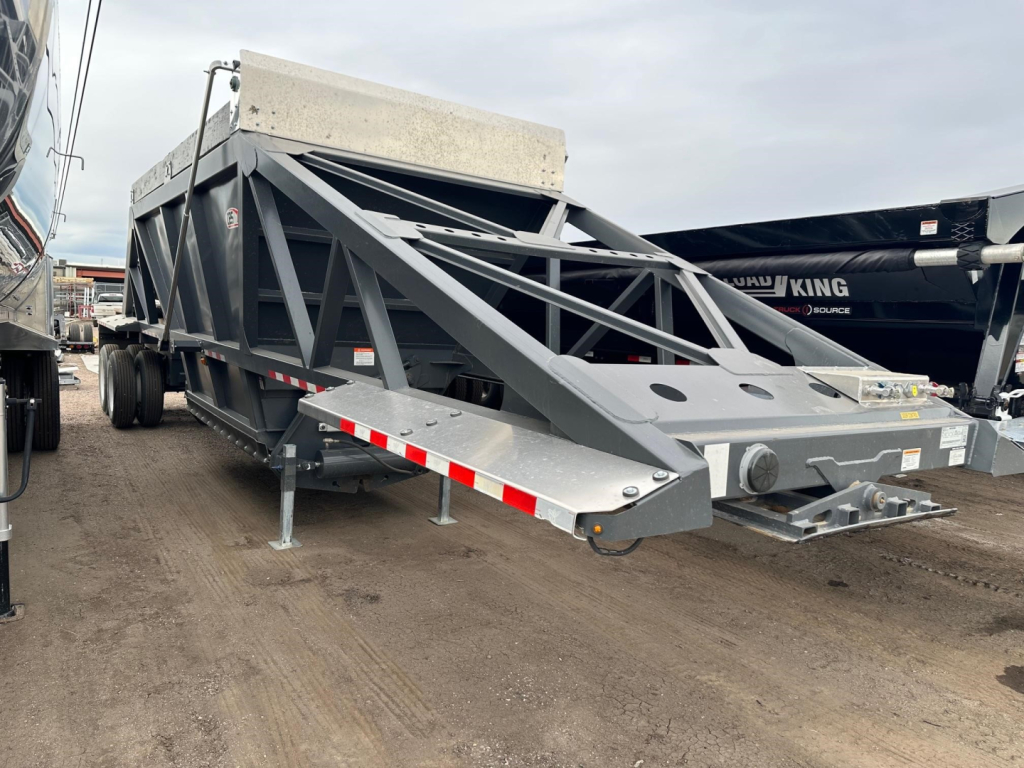
Running gear and dimensions deserve close scrutiny because they affect both legal payload and jobsite performance. Tandem axle dump trailers in the 34-foot to 40-foot range are common, with 11R24.5 rubber, air ride suspension, and either aluminum or steel wheel packages frequently seen in the market. Closed tandem setups, axle spacing, and overall trailer weight can all influence bridge compliance and how the trailer tracks in tight work zones. On bottom dumps, features like pin-setting gate limiters, bang boards, windrow deflectors, and valve systems are important if the trailer will be used for spread work. On side dumps, pivot design, tub corner reinforcement, and cylinder geometry are worth reviewing because they directly affect dump stability, cycle durability, and long-term structural life.
A strong 2025 dump trailer is not just about capacity on paper. It is about matching tub material, suspension, gate design, and tarp system to the loads you actually haul and the terrain you work in. Colorado buyers often need equipment that can handle quarry work, road construction, asphalt support, excavation spoils, and seasonal changes in moisture and material flow. The best choice usually comes down to a simple question: do you need maximum cubic capacity, controlled material placement, or the safest dump cycle on uneven ground. Answer that correctly, and the right dump trailer category becomes much easier to narrow down.
Frequently Asked Questions about 2025 Dump Trailers in Colorado
What is the difference between an end dump, bottom dump, and side dump trailer?
An end dump trailer raises the front of the body and discharges material out the rear, which makes it a strong choice for bulk aggregate, demolition material, and general-purpose dumping. A bottom dump releases material through gates underneath the trailer, allowing controlled spreading for road base, asphalt support, and shoulder work. A side dump empties the tub to the side using hydraulic cylinders and is often preferred for fast cycle times and better stability on uneven ground where a traditional end dump may have higher rollover risk.
Is aluminum or steel better for a dump trailer body?
Aluminum dump trailers usually provide lower empty weight and higher legal payload, which can improve revenue on lighter bulk commodities. Steel bodies, especially with AR400 wear areas or liners, generally hold up better in severe service involving rock, concrete, and abrasive material. The right choice depends on the material stream, not just the advertised payload. Buyers hauling sharp or heavy material should pay close attention to tub thickness, wear package details, and liner options.
What size dump trailer is most common for construction and aggregate work?
Many dump trailers used in construction and aggregate service fall in the mid-30-foot to 40-foot range. End dumps around 34 to 35 feet are common for balancing cubic capacity with maneuverability, while 40-foot bottom dumps and side dumps are frequently used for highway and site work. Capacity is typically expressed in cubic yards, but buyers should evaluate both volume and empty weight because a trailer that carries more yardage may not be the best fit if material density pushes gross weight limits too quickly.
What features matter most on a bottom dump trailer?
For bottom dumps, gate control is critical because it determines how accurately material can be spread. Features such as pin-setting gate limiters, windrow deflectors, bang boards, and reliable valve systems help the operator control flow and maintain a consistent spread pattern. Buyers should also look at push block configuration, tarp style, suspension type, and how the hopper and gate components are built for long-term wear. These details matter more on spread applications than raw cubic capacity alone.
What should Colorado buyers look for in a 2025 dump trailer?
Colorado operations often involve elevation changes, mixed weather, and a combination of highway miles and rough site access, so trailer stability and structural durability should be high on the list. Air ride suspension, durable tub construction, a dependable tarp system, and proper axle configuration are all important. Buyers hauling in quarries or mountain regions should also consider body material, liner needs, and how the trailer handles uneven dumping surfaces. The best setup is the one that matches local material types, legal weight requirements, and the unloading conditions the trailer will face every day.