
2025 Dump Trailers For Sale
Shop 2025 dump trailers for aggregate, asphalt, dirt, and demolition work. Compare end dump and bottom dump specs, capacities, axles, and tarps.
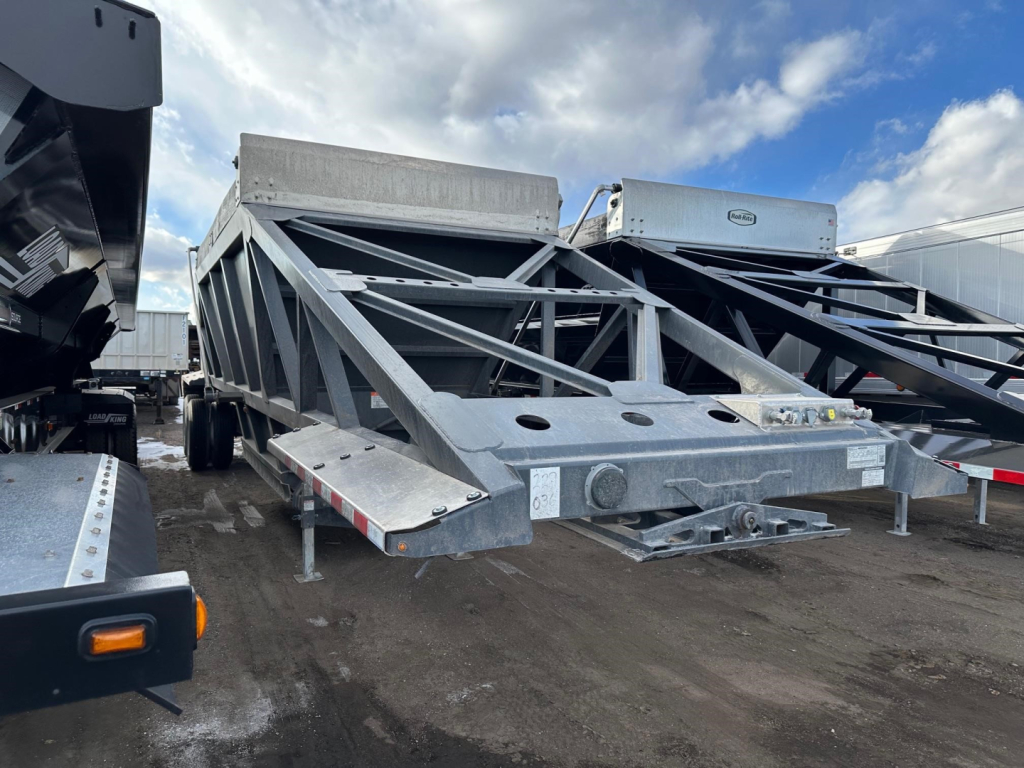
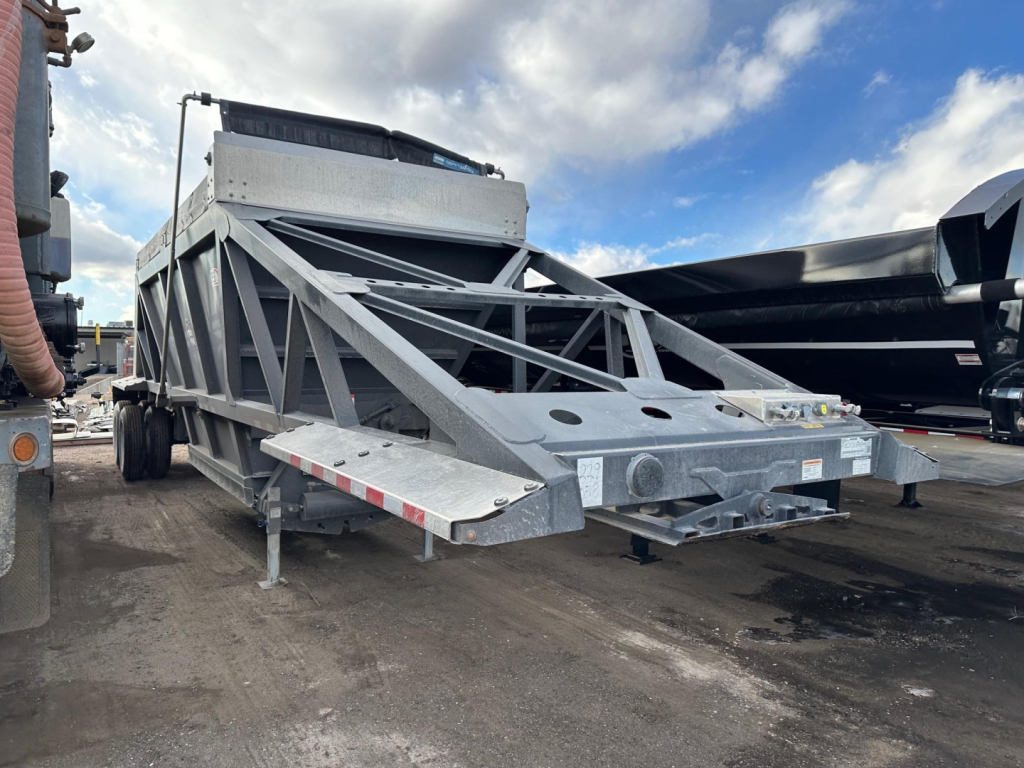
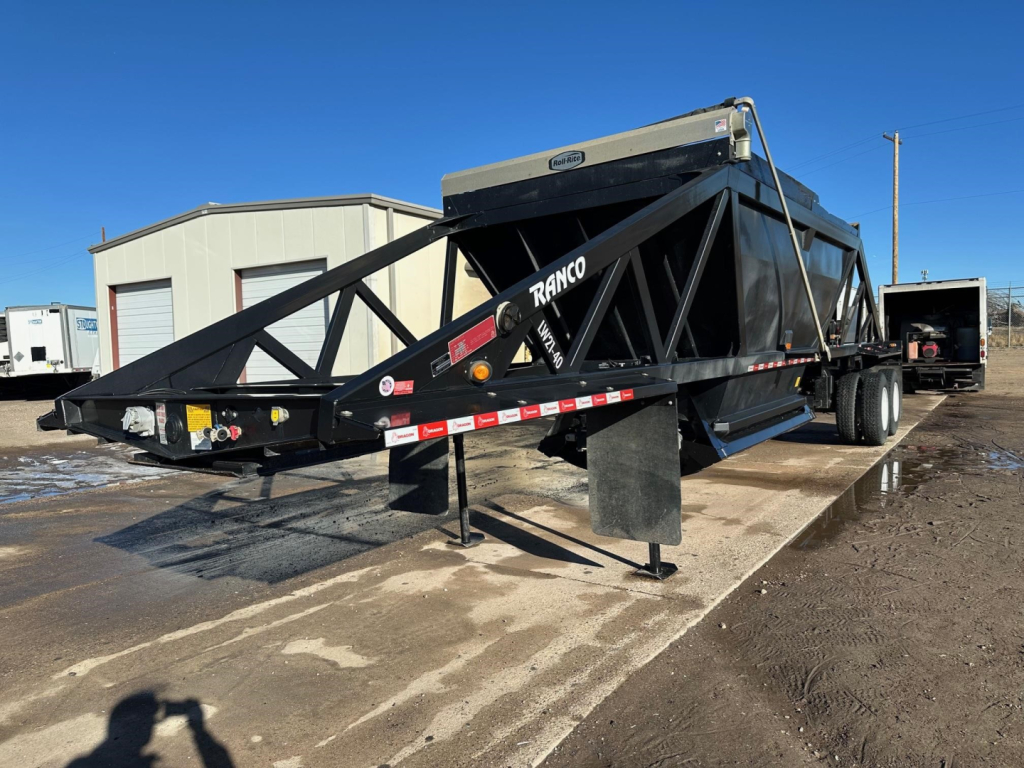
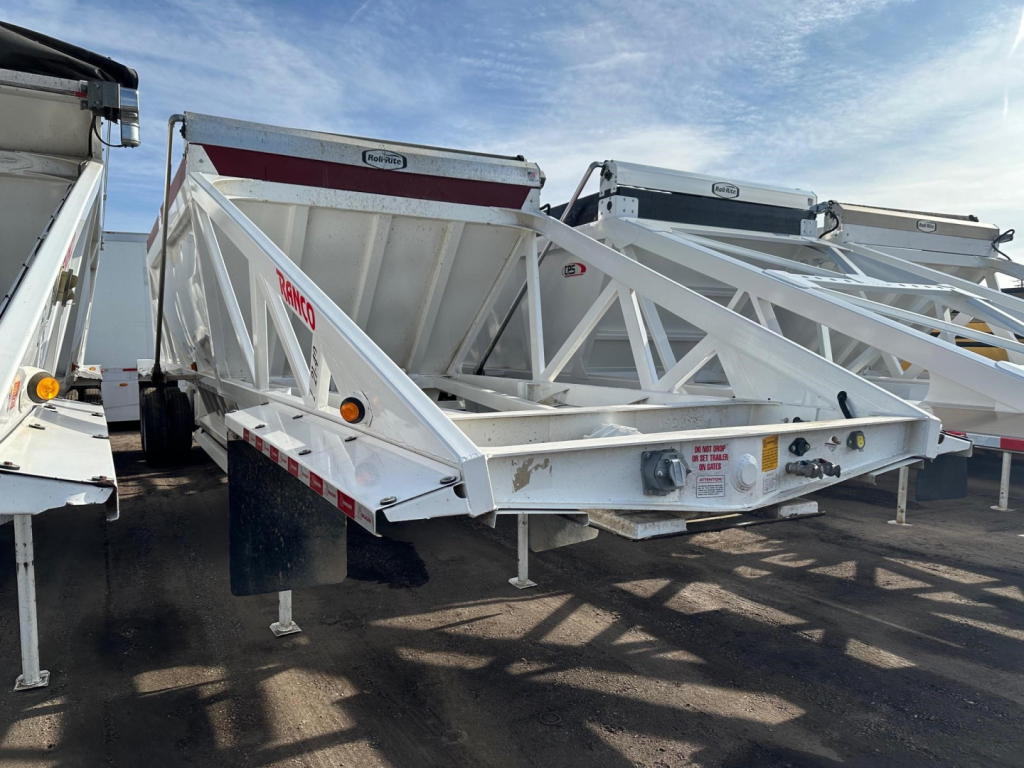
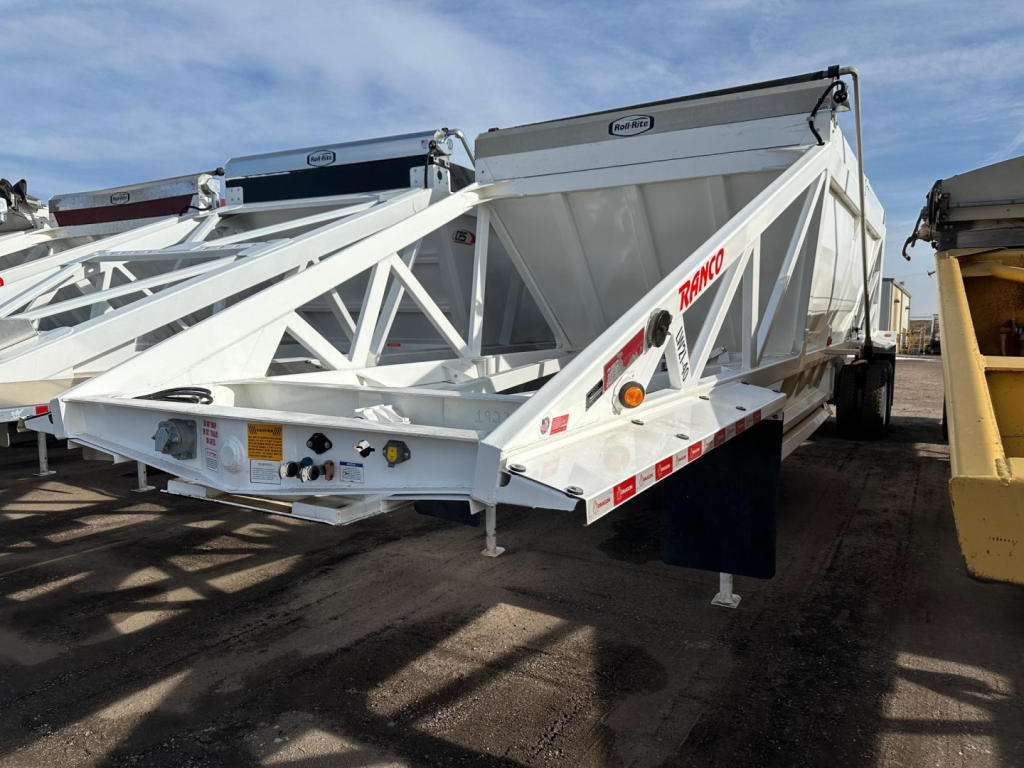
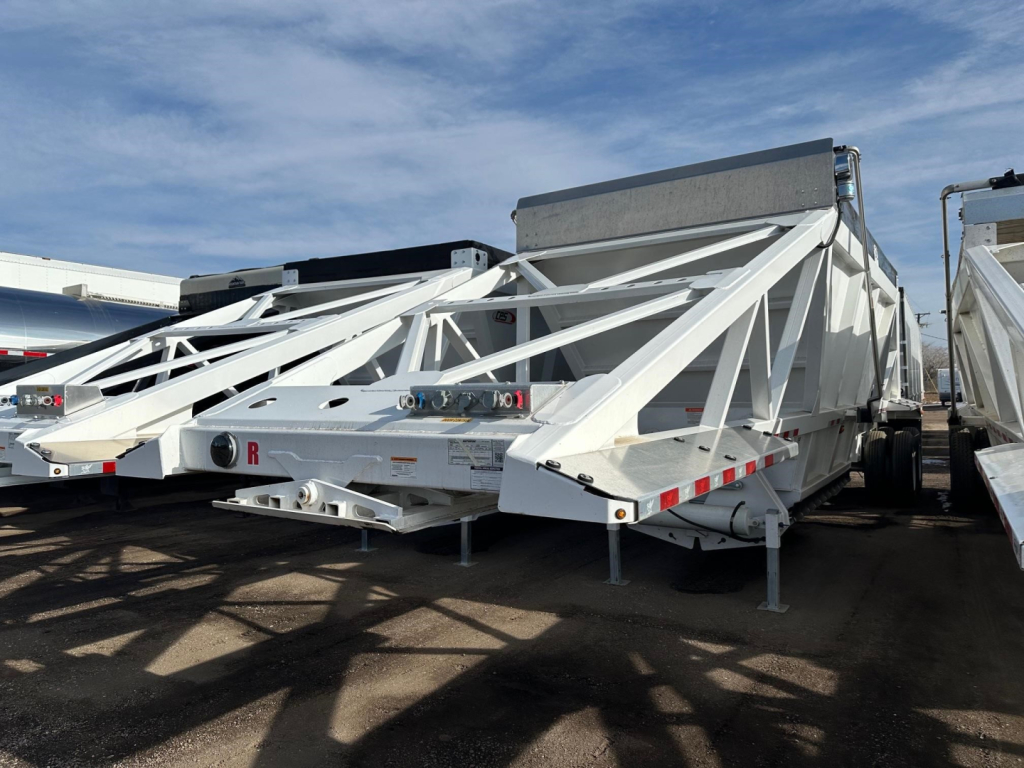
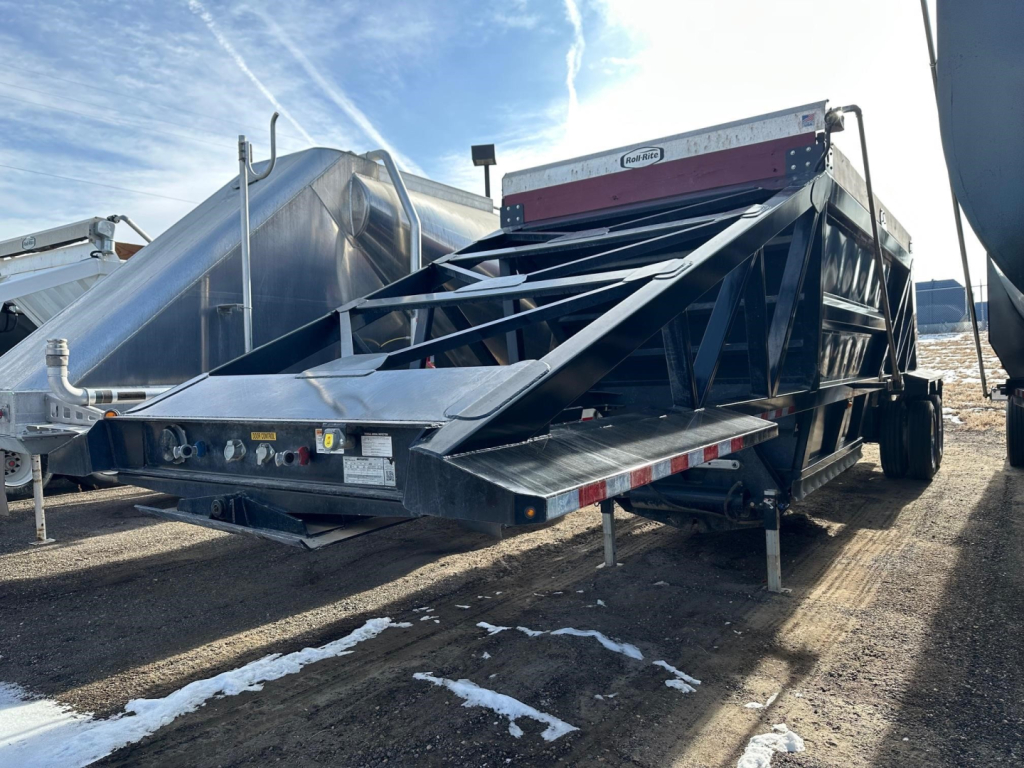
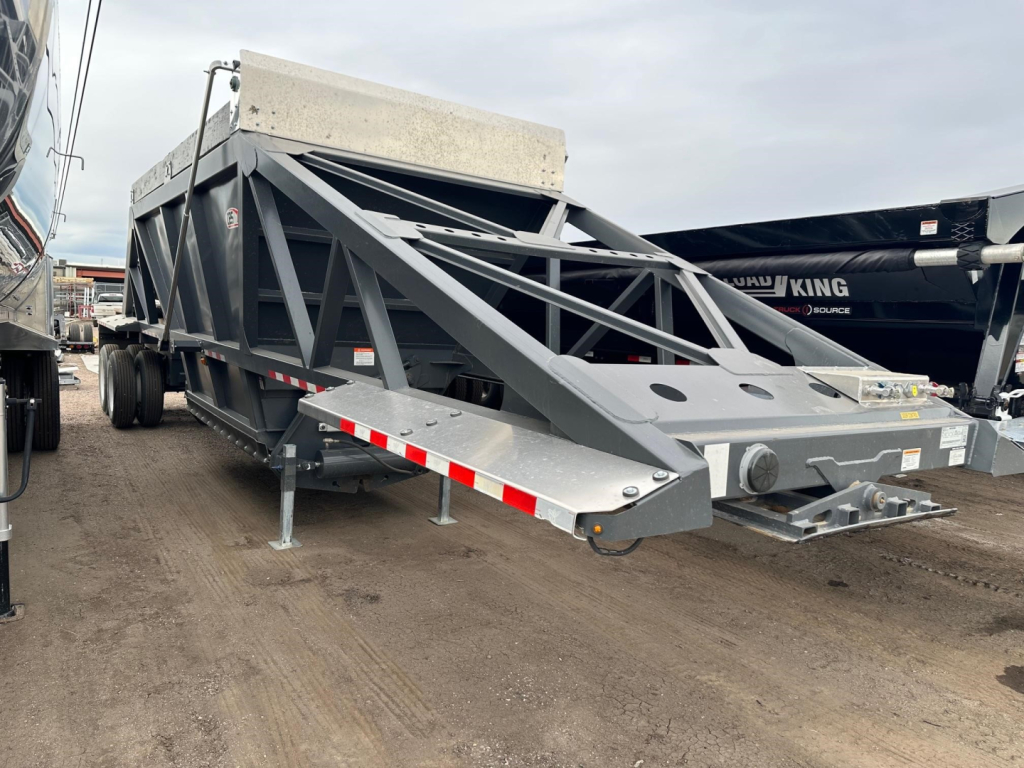
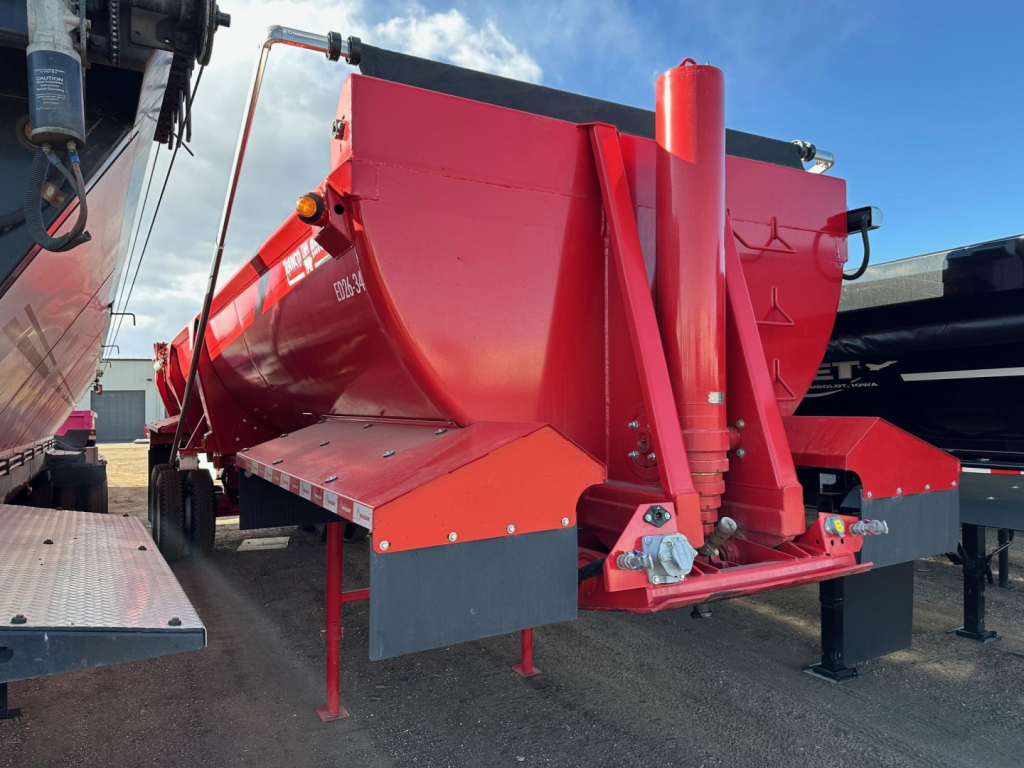
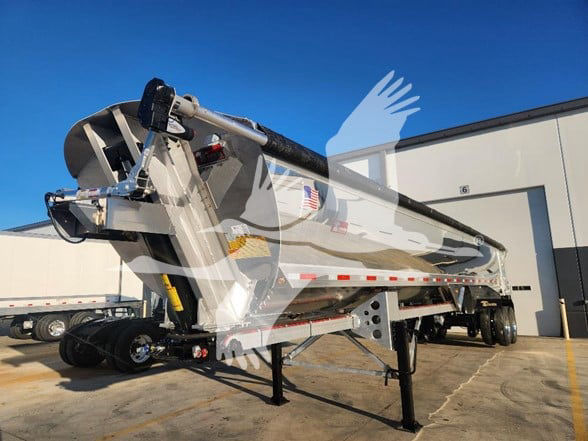
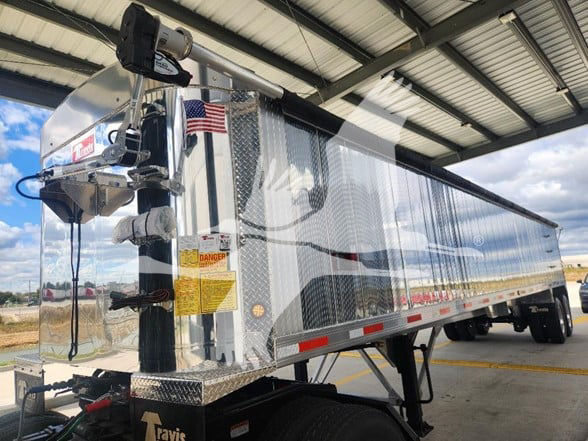
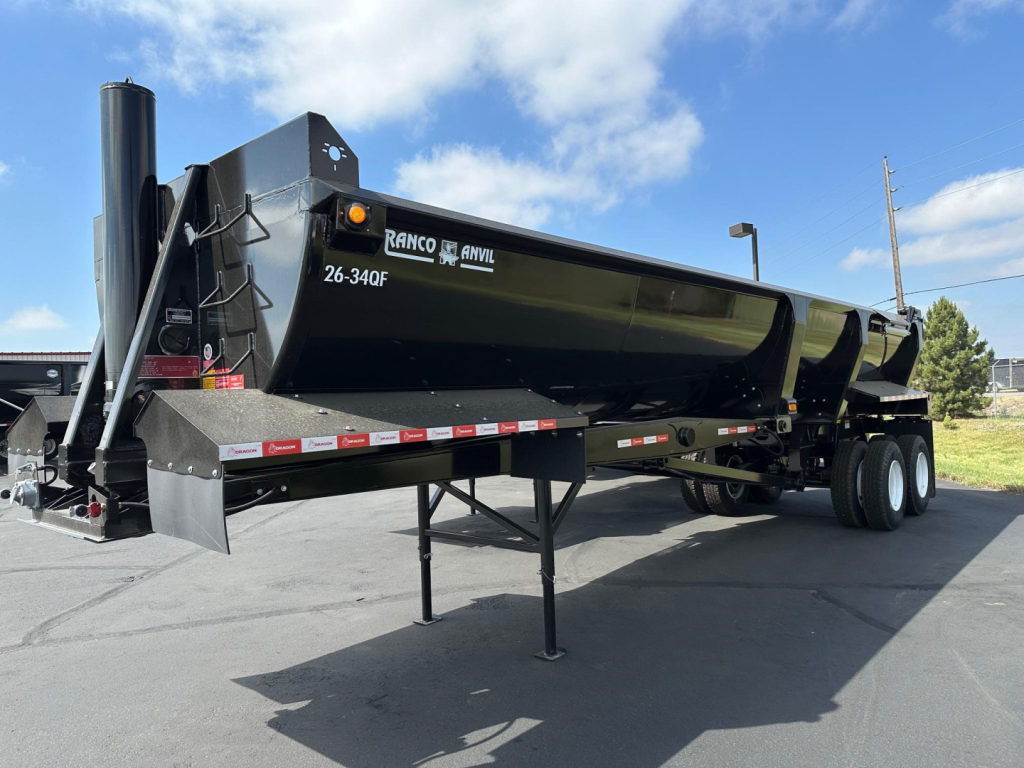
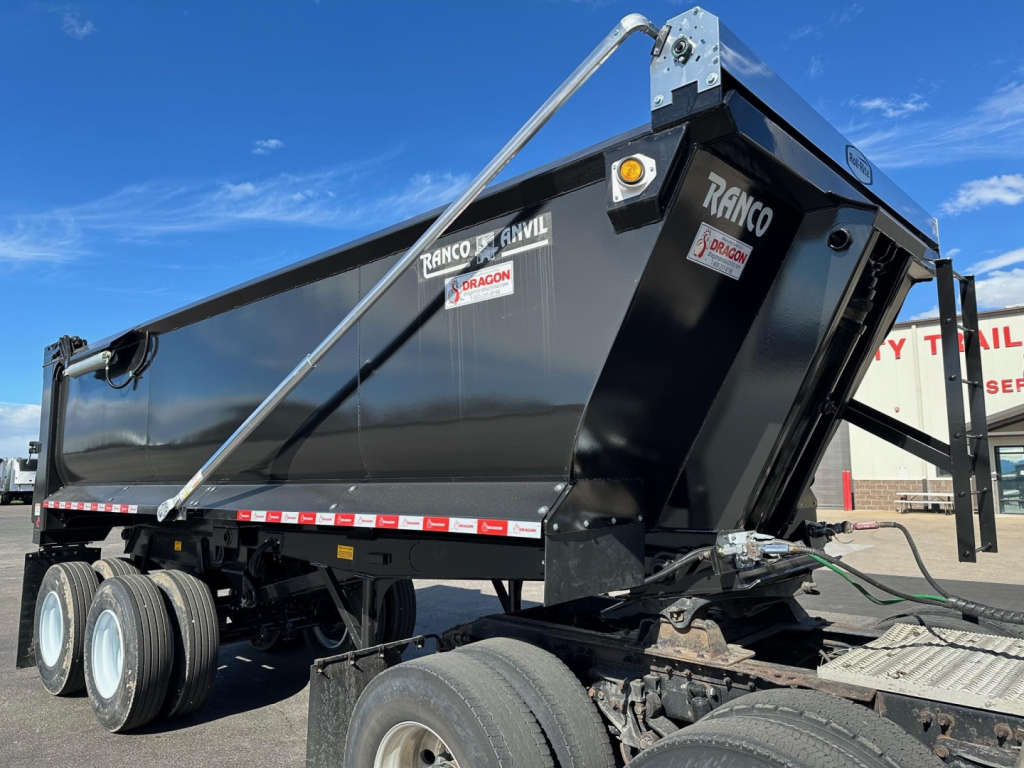
Selling a 2025 dump trailer? List your 2025 dump trailer for sale and reach thousands of commercial buyers.
2025 Dump Trailers
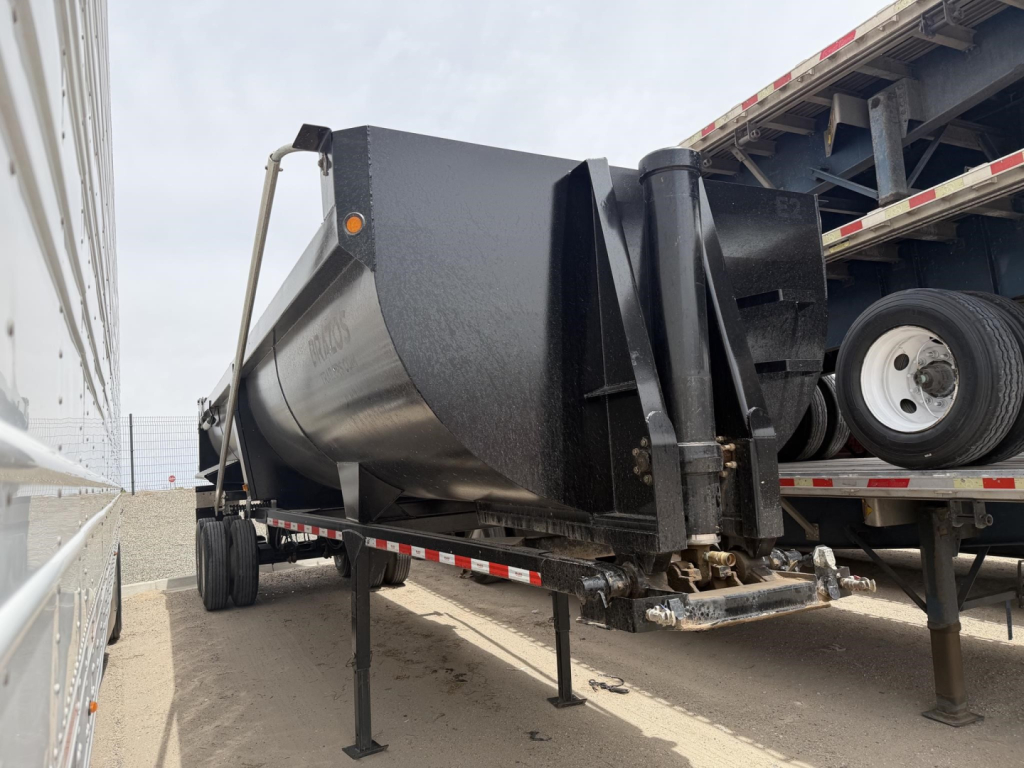
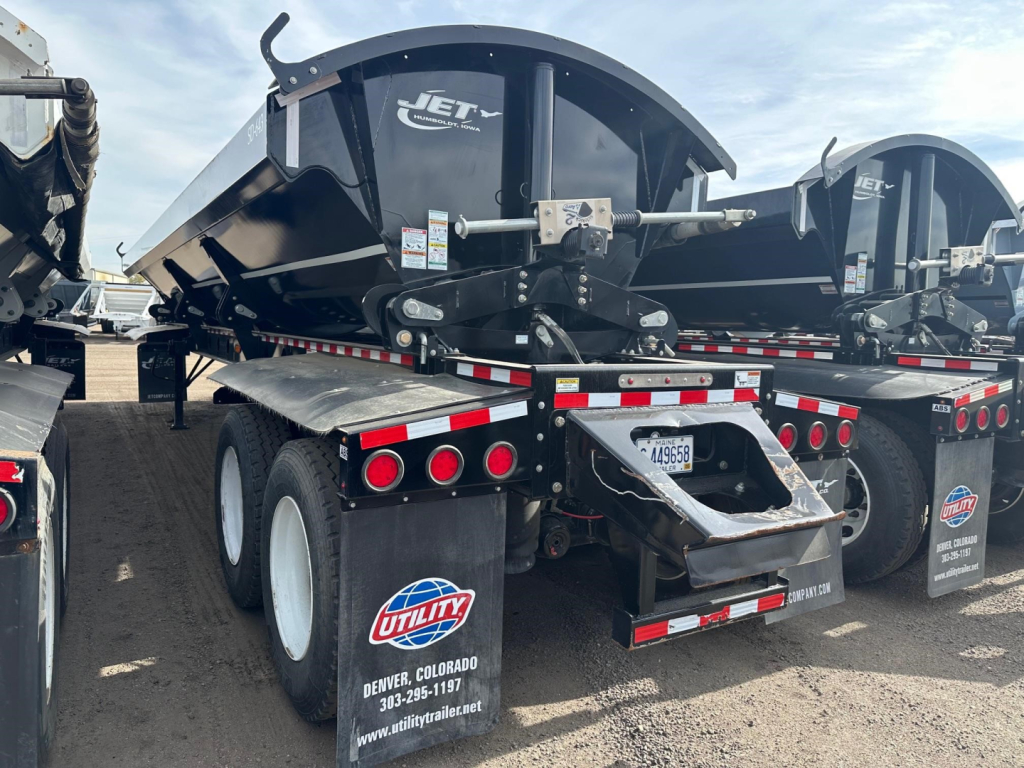
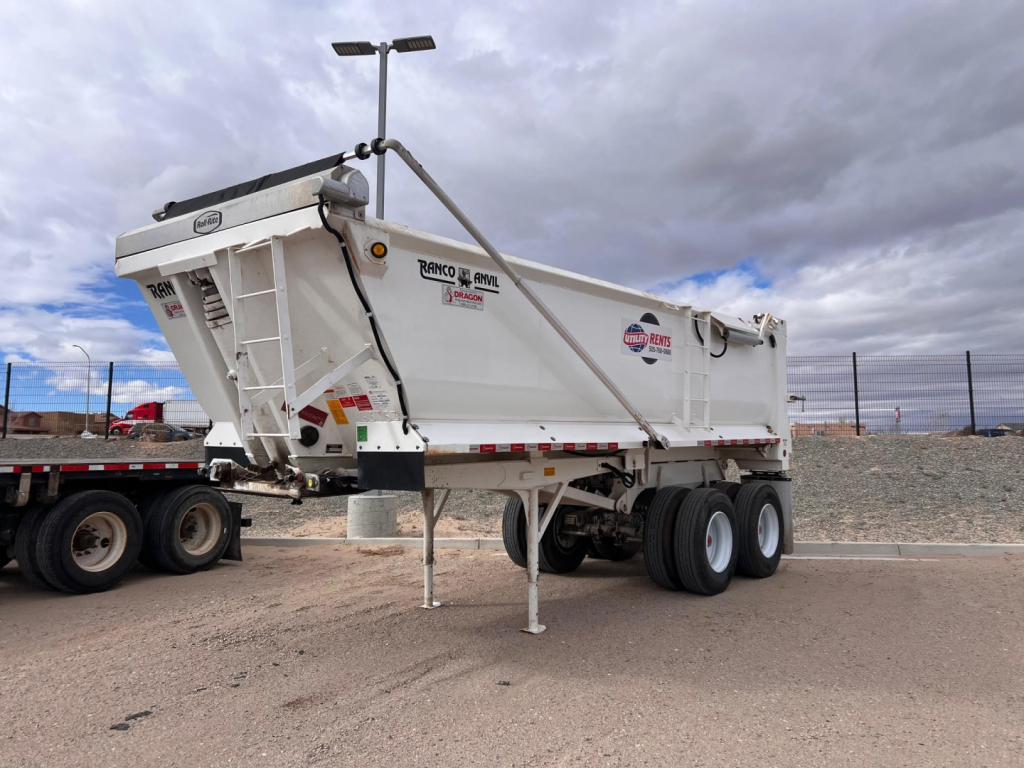
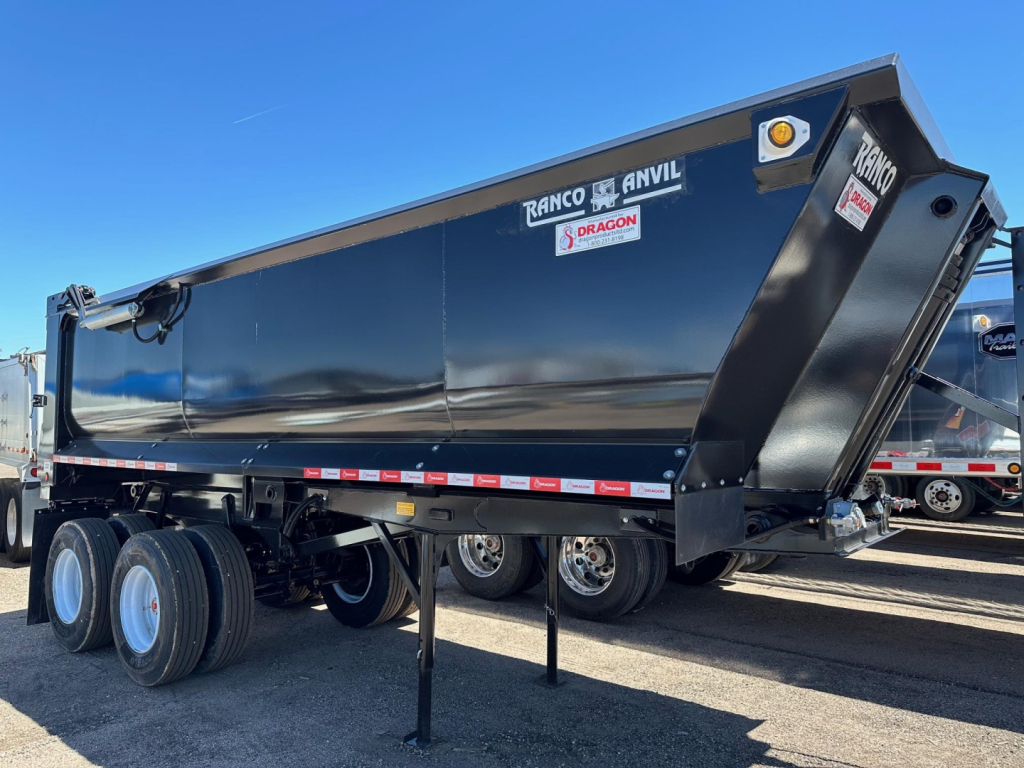
On current-model dump trailers, buyers typically compare body material, cubic yard capacity, axle layout, suspension, and tarp system before anything else. Aluminum bodies reduce tare weight and improve payload for bulk commodities, while steel bodies hold up well in abrasive applications and hard-use environments. Common lengths are around 39 to 40 feet, with capacities often ranging from the low 20-yard class on bottom dumps to 40-plus cubic yards on lightweight end dumps. Tandem and tri-axle configurations are common, and lift axles can help with bridge compliance and tire wear. Suspension choice matters too. Air ride can improve ride quality and help protect the trailer on mixed road conditions, while spring ride remains common on vocational setups where simplicity and durability are priorities.
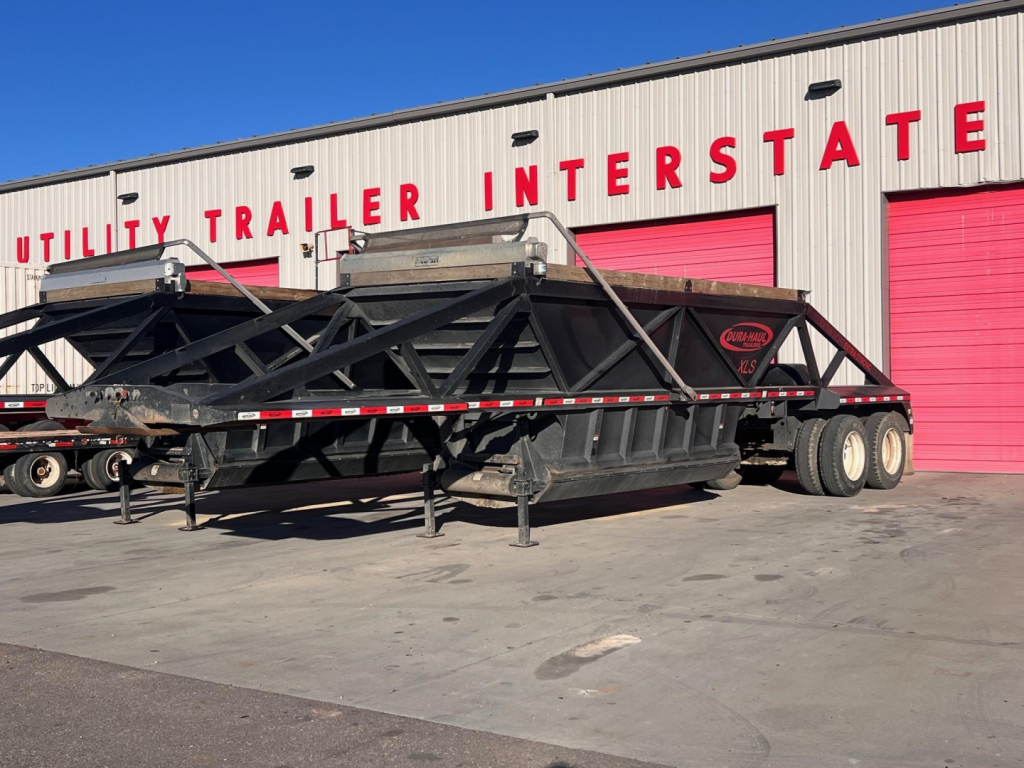
A serious buyer should also look closely at gate design, hoist or cylinder configuration, liner options, and controls. End dumps may use barn door, high-lift, or top-hinge gates depending on material flow and clearance needs. Bottom dumps often include single-hopper or dual-hopper layouts, versa valves, gate limiters, windrow deflectors, and electric or manual tarp systems. For sticky or abrasive material, liners, reinforced floors, and heavy-duty push blocks can make a noticeable difference in service life. Tire size, wheel material, kingpin setting, frame design, draft arms, and fender construction all affect how the trailer behaves in real work, especially on uneven jobsites or when operating with a pup.
The best 2025 dump trailer is the one matched to the material, route, and unloading conditions. A lightweight aluminum end dump can maximize legal payload on bulk commodity runs, but a steel or reinforced trailer may pencil out better in severe service. A bottom dump can outperform an end dump in paving and road-building applications where consistent windrow placement matters, while an end dump is usually the better fit where vertical dumping and loader access are part of the daily cycle. Buyers comparing listings should focus less on generic capacity claims and more on actual spec combinations such as body construction, side height, gate package, axle spread, tarp style, and suspension setup.
Frequently Asked Questions about 2025 Dump Trailers
What is the difference between an end dump trailer and a bottom dump trailer?
An end dump trailer unloads by raising the front of the body and discharging material out the rear gate. A bottom dump trailer unloads through hopper gates in the floor and can spread material while moving. End dumps are common for general aggregate, dirt, scrap, and demolition hauling. Bottom dumps are widely used in road construction, asphalt, and base material applications where controlled placement is important.
Is aluminum or steel better for a 2025 dump trailer?
Aluminum is usually chosen when payload matters most because it lowers tare weight and can increase legal carrying capacity. Steel is often preferred for abrasive materials, demolition debris, and tougher jobsite use because it generally offers better resistance to impact and wear. The right choice depends on what the trailer hauls every day, how rough the loading environment is, and whether the operation values maximum payload or long-term durability more heavily.
How many cubic yards should a dump trailer have?
Capacity should be matched to both commodity density and legal axle weights, not just the largest available body. A lighter material may allow a larger cubic yard body without hitting gross weight limits, while dense aggregates can gross out a trailer well before the body is full. Bottom dumps commonly fall in the low-20-yard range, while end dumps can reach into the 40-yard range or higher depending on body design and material. Buyers should calculate payload by commodity, route, and local bridge laws before choosing capacity.
What features matter most on a dump trailer for paving or aggregate work?
For paving and aggregate work, focus on discharge control, suspension, tarp coverage, and durability features. Bottom dumps often benefit from versa valves, windrow deflectors, gate limiters, and reliable tarp systems for controlled spread performance. End dumps used in aggregate service may need liners, top-hinge or high-lift gates, and stable axle configurations. Tire size, lift axles, and suspension design also matter because they affect ride, wear, and legal compliance across varying haul distances and jobsite conditions.
Are lift axles worth it on a dump trailer?
Lift axles can be valuable when an operation needs flexibility for bridge laws, weight distribution, and reduced tire scrub when running empty or lightly loaded. They are common on both end dumps and bottom dumps in applications where payload and axle compliance are closely managed. The tradeoff is added cost, added maintenance, and more complexity. For buyers running variable load weights or crossing weight-sensitive routes, a lift axle can improve overall efficiency.