
2025 Dump Trailers For Sale in New Mexico
Shop 2025 dump trailers for hauling rock, aggregate, dirt, and debris. Compare end dump and side dump specs, bodies, suspensions, and capacities.
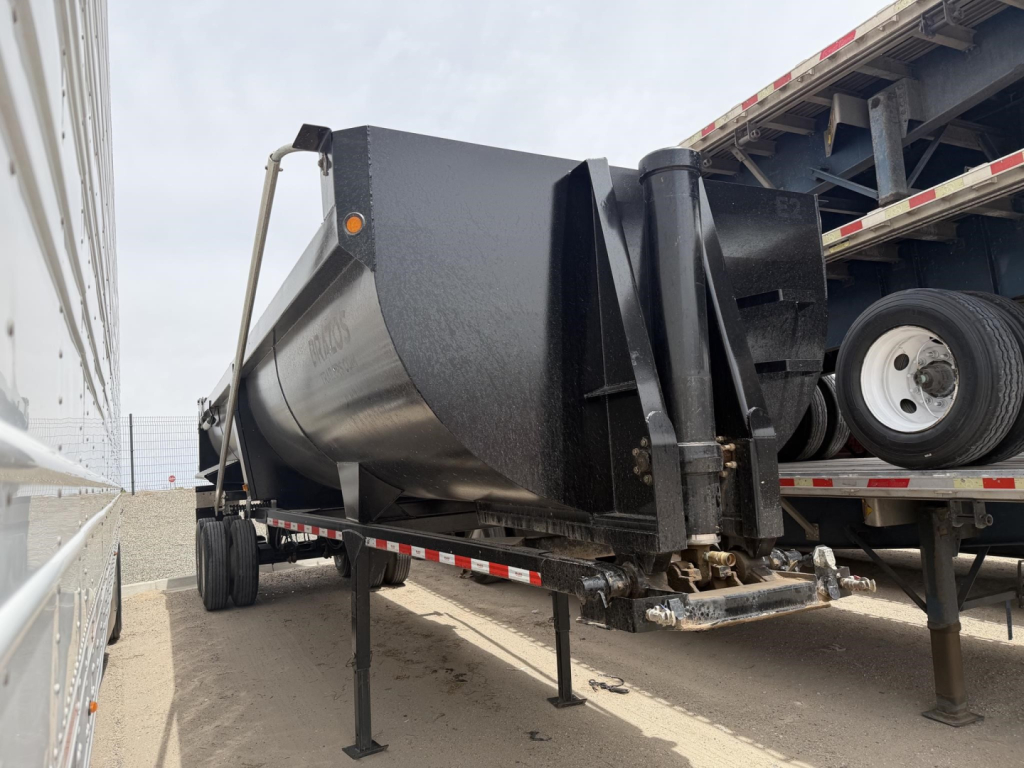
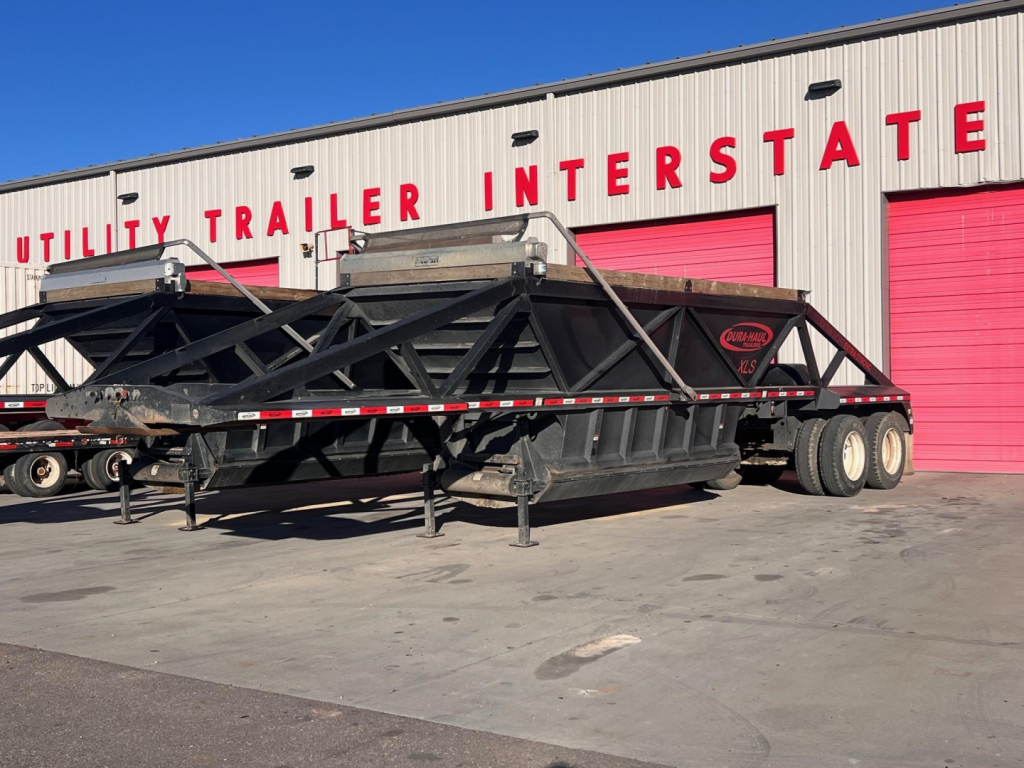
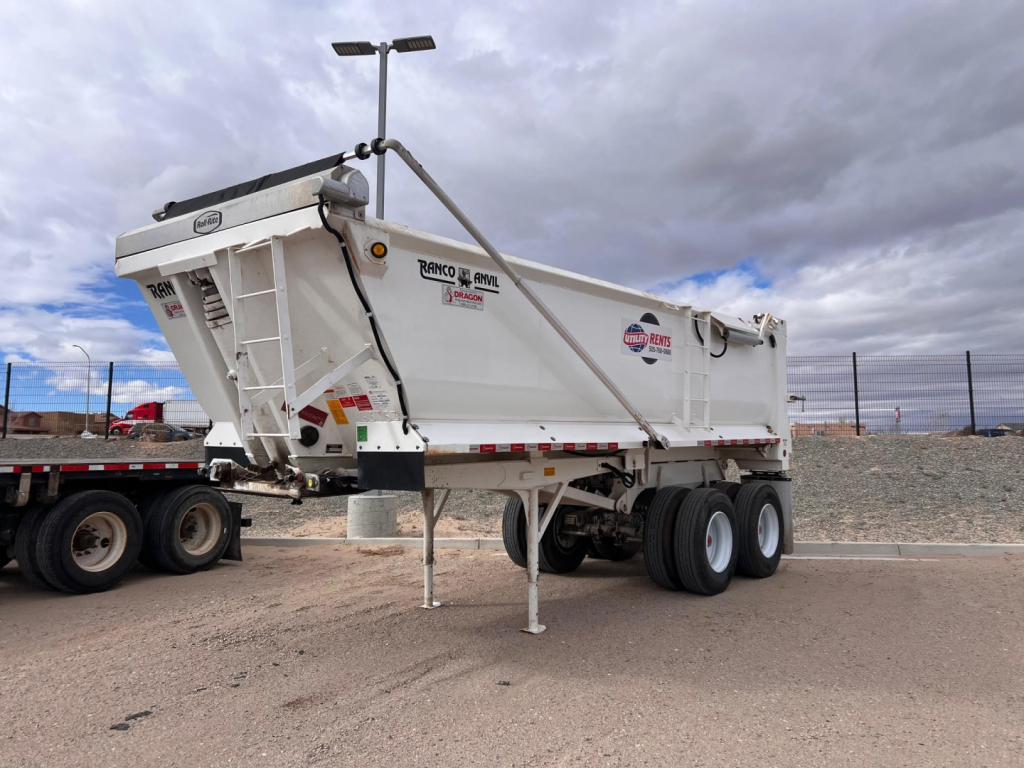
Selling a 2025 dump trailer? List your 2025 dump trailer for sale and reach thousands of commercial buyers.
2025 Dump Trailers in New Mexico
For New Mexico operations, body design and dump style deserve extra attention because terrain, wind, and jobsite conditions can change quickly. Frameless and quarter-frame end dumps remain popular for aggregate and general construction work, especially in half-round or elliptical tubs that shed material cleanly. Side dumps are often favored where uneven ground or rollover risk makes a traditional high-center dump less desirable. Lengths in this class commonly run from around 22 feet on shorter rock tubs to 34 feet and 40 feet on larger end dump and side dump configurations. Capacity varies widely by body style and legal payload targets, but many units fall in the roughly 23 to 25 cubic yard range, with larger volume setups available for lighter materials.
Spec details make the difference between a trailer that survives quarry work and one that spends too much time in the shop. Buyers should look closely at tub construction, gate configuration, suspension, and tarp system. High-lift gates are common on end dumps handling rock and mixed material because they improve discharge clearance. Single-point suspension setups are still widely seen in severe-service applications, while air ride can improve highway manners and cargo stability depending on the route mix. Electric flip tarps and roll-over tarp systems are now standard on many late-model trailers, and features like windrow deflectors, push blocks, ladders, fenders, quick-release valves, and 6-way front connections can matter if the trailer is working every day under loader traffic and tight turnarounds.
A smart buying decision comes down to matching the trailer to the material, the roads, and the dump conditions. Steel tubs generally hold up better in rock and demolition service, while lighter-weight designs can improve payload on less abrasive commodities. Tire size, wheel type, gate controls, kingpin setting, and hoist or cylinder layout should all be reviewed with the intended tractor and loading environment in mind. If the trailer will see off-road entrances, soft shoulders, or unlevel dumps, stability and structural design should carry more weight than pure cubic yard volume. The strongest 2025 dump trailers are the ones spec'd for the job they actually do, not just the biggest body on paper.
Frequently Asked Questions about 2025 Dump Trailers in New Mexico
What is the difference between an end dump trailer and a side dump trailer?
An end dump trailer raises the body and discharges material out the rear gate, which makes it a common choice for aggregate, demolition debris, and stockpile dumping where there is adequate overhead and stable ground. A side dump trailer discharges to the side through a tub that rolls or tips laterally, which can improve stability on uneven surfaces and speed up unloading in some roadbuilding and trench applications. The best choice depends on dump-site conditions, material type, and how much rollover exposure the operation can tolerate.
Is a steel dump trailer better than an aluminum dump trailer?
Steel is usually preferred for severe-duty hauling such as rock, riprap, concrete debris, and abrasive aggregate because it resists impact and wear better than a lighter body. Aluminum can make sense when payload is a priority and the material is less destructive, but the body has to match the service. Many buyers in hard-use applications look for AR400, Hardox, or similarly hardened wear surfaces because the tub floor and sidewalls take the most abuse over time.
What capacity should I look for in a 2025 dump trailer?
Capacity should be matched to material density, axle laws, and the tractor the trailer will run behind. A trailer with 23 to 25 cubic yards may be appropriate for heavier aggregates, while lighter materials can justify larger volume bodies. The important number is not just cubic yards, but legal payload in the states and routes the trailer will operate on. A larger body does not automatically mean more profitable hauling if the material scales out before the trailer cubes out.
What suspension is best for a dump trailer?
Single-point suspension is a long-proven choice in tough vocational work because it is simple, durable, and common in aggregate fleets. Air ride can provide a smoother highway ride and may be preferred in mixed on-road service, but buyers should consider maintenance practices, load stability, and terrain. The right suspension depends on how much off-road use the trailer sees, how rough the haul roads are, and whether the priority is severe-service durability or road comfort.
Which dump trailer features matter most for quarry and construction work?
The most important features are usually the ones tied to uptime and safe unloading. Buyers often prioritize a durable tub material, a gate design suited to the load, a reliable tarp system, and suspension components that hold up under repeated loading cycles. Front ladders, rear or full fenders, push blocks, chip-resistant tires, manual and remote gate controls, and properly sized air and electrical connections can all make a real difference when the trailer is loaded multiple times per day.