
2025 Dump Trailers For Sale in Illinois
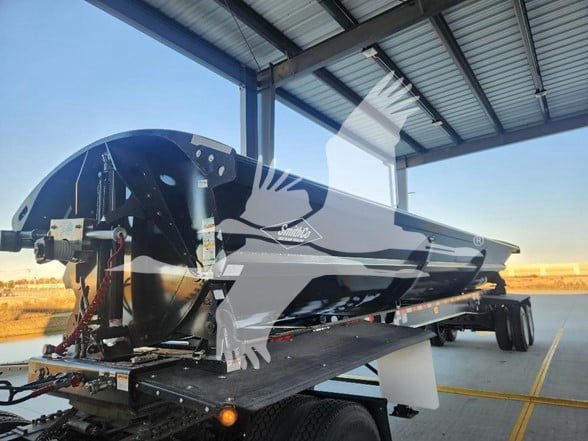
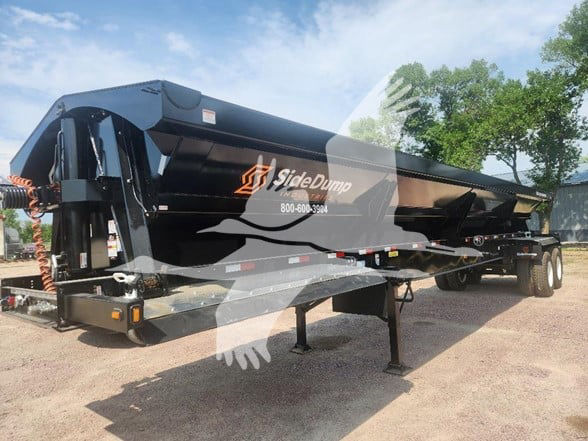
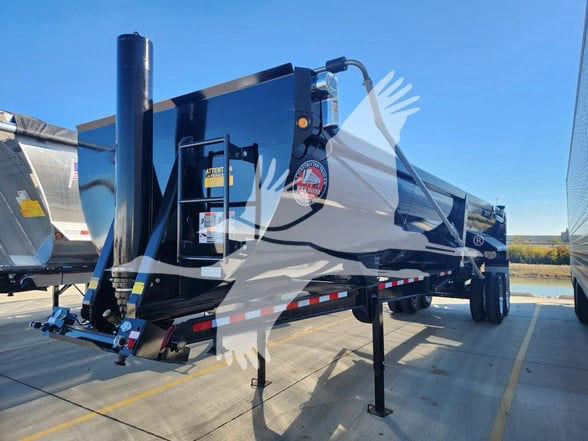
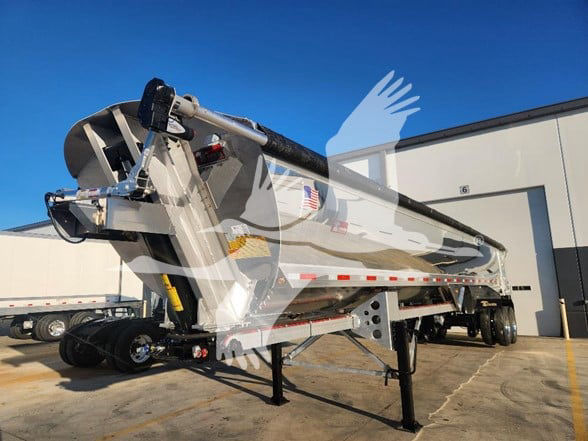
Browse 2025 dump trailers for sale in Illinois, including aluminum and steel end dumps built for aggregate, grain, demolition, and bulk hauling.
Selling a 2025 dump trailer? List your 2025 dump trailer for sale and reach thousands of commercial buyers.
2025 Dump Trailers in Illinois
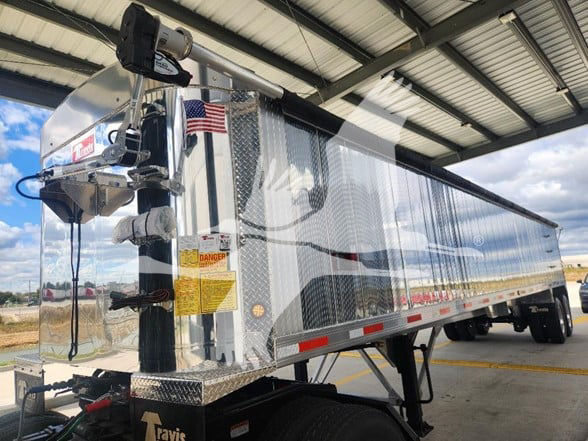
Most late-model dump trailers in this class are end dumps, typically in the mid-30 to 40-foot range, with common specs including air ride or spring ride suspension, 11R22.5 or 11R24.5 tires, and electric tarp systems. Sidewall height, tub shape, and frame design all affect how the trailer unloads and how well material sheds in cold or wet conditions. A grain or coal door is useful when metering product at pits, elevators, or tight dump points. An interior liner can extend body life and improve cleanout, especially with sticky material or corrosive loads. Buyers running Illinois highways and county roads also tend to pay attention to axle spacing, lift axle setups, and wheel choices because bridge law compliance, legal payload, and maintenance costs all matter in daily operation.
Suspension and hoist performance deserve a close look on any dump trailer purchase. Air ride generally offers better road manners and cargo protection, while spring ride remains a durable choice for rough site work and straightforward maintenance. Hoist geometry, cylinder capacity, and trailer stability during a raised dump are especially important if the trailer will see uneven surfaces, soft lots, or high-cycle work. Tire inflation systems, hub and brake spec, and liner condition can have a direct effect on uptime. On new 2025 dump trailers, buyers often compare electric versus manual tarp systems, full aluminum wheel packages versus steel wheels, and the value of factory-installed options such as lift axles, higher sidewalls, and reinforced gate hardware.
The best 2025 dump trailer for sale is the one matched to material, route, and unloading conditions. A lightweight aluminum end dump can maximize revenue on legal loads, while a heavier steel trailer may hold up better in punishing environments. For Illinois operators hauling aggregate, grain, sand, mulch, demolition debris, or coal, the right combination of trailer length, body construction, suspension, and gate setup will have more impact on long-term cost than any single feature on its own.
Frequently Asked Questions about 2025 Dump Trailers in Illinois
What is the difference between an aluminum dump trailer and a steel dump trailer?
Aluminum dump trailers are built to save weight, which helps maximize payload on bulk commodities such as grain, fertilizer, sand, and some aggregate. Steel dump trailers are heavier but usually offer better resistance to impact, abrasion, and severe jobsite use. Buyers hauling demolition debris, scrap, large rock, or abrasive material often prefer steel because body life can outweigh the payload advantage of aluminum.
What length and setup are most common on 2025 end dump trailers?
Many 2025 end dump trailers fall in the 34-foot to 40-foot range, depending on commodity and state weight requirements. Common configurations include tandem and spread axle layouts, air ride or spring ride suspension, electric tarp systems, and 11R22.5 or 11R24.5 tires. The right setup depends on legal payload targets, bridge compliance, unloading space, and the type of material being hauled.
Why does a grain door or coal door matter on a dump trailer?
A grain or coal door allows controlled discharge instead of opening the entire gate at once. That matters when unloading at grain facilities, stockpiles, or locations where a full release would be too aggressive. It also gives the operator better control with free-flowing commodities and can reduce the risk of product surging during unloading.
Is air ride or spring ride better for a dump trailer?
Air ride is often preferred for highway use because it improves ride quality, helps reduce vibration, and can be beneficial when hauling lighter or more flowable products. Spring ride is valued for simplicity, toughness, and lower complexity in harsh jobsite conditions. The better choice depends on how much of the trailer's life will be spent on pavement versus rough surfaces and how important ride quality is to the operation.
What should buyers inspect first on a dump trailer?
The first inspection points should be the body, hoist, suspension, frame, gate hardware, and tarp system. Buyers should also look closely at floor wear, liner condition, cylinder leaks, hinge points, brake and tire condition, and signs of cracking around stress areas. On a new-spec trailer, it is smart to confirm sidewall height, axle configuration, wheel material, and door type match the intended commodity and legal weight plan.