
2012 Trailers For Sale in Colorado
Shop 2012 trailers for sale in Colorado, including van, reefer, lowboy, dump, and bulk trailer types for regional and over-the-road work.
Selling a 2012 trailer? List your 2012 trailer for sale and reach thousands of commercial buyers.
2012 Trailers in Colorado
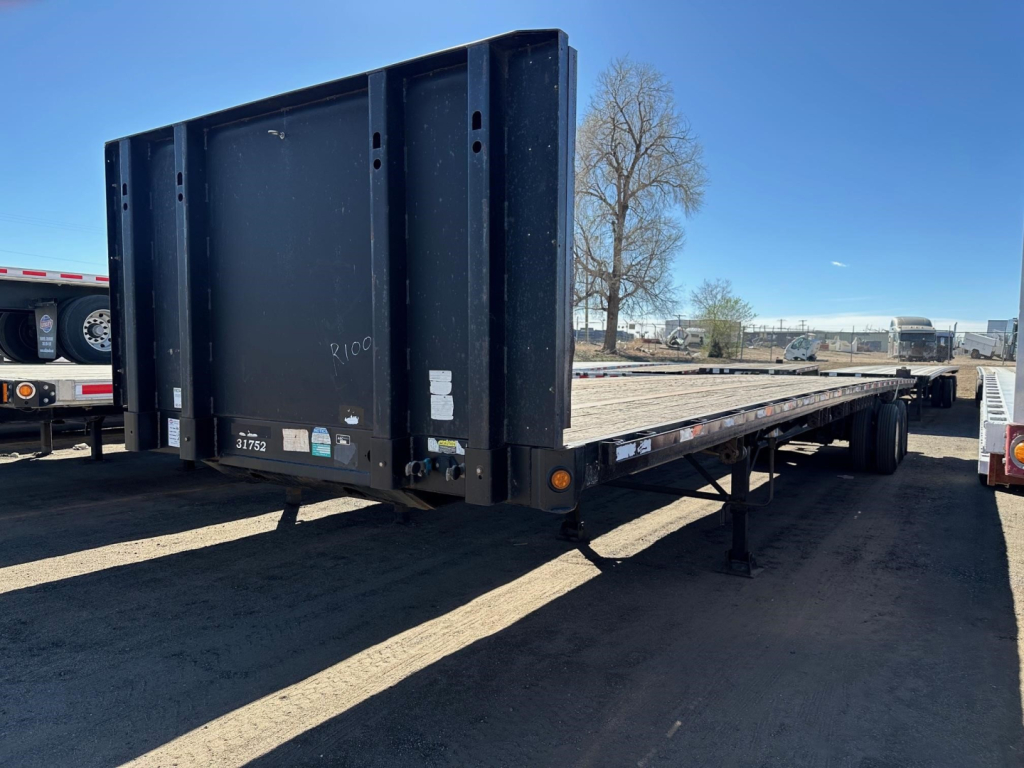
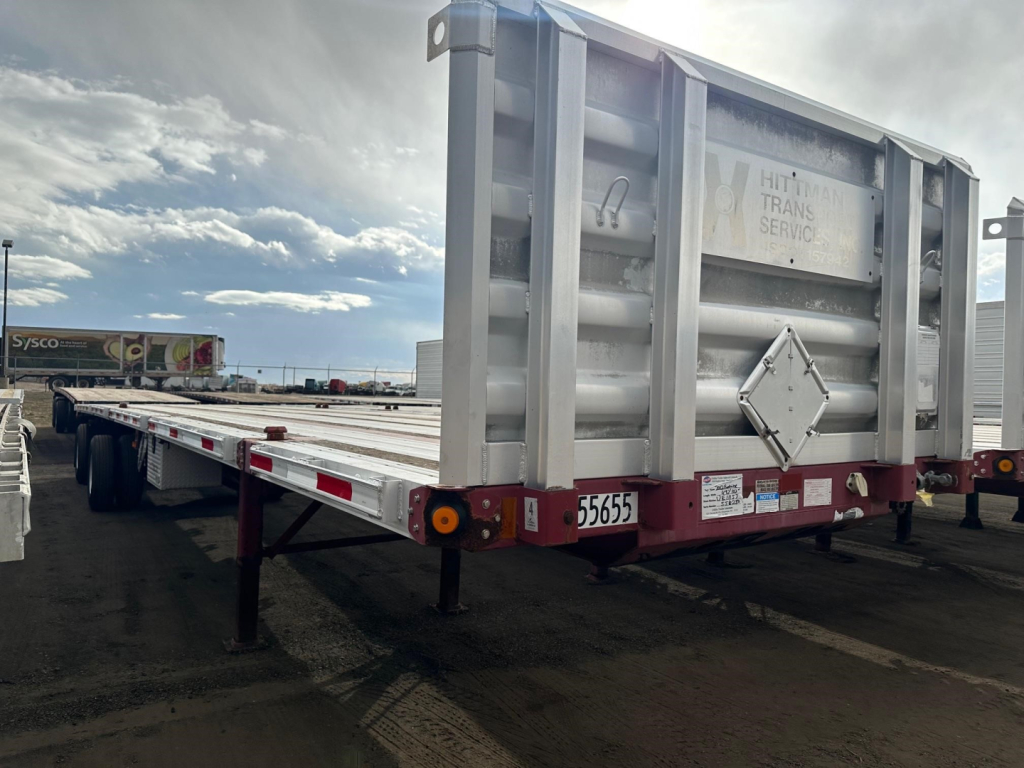
For van and reefer applications, the key checkpoints are trailer floor condition, roof and sidewall repairs, rear frame integrity, door seal condition, and slider function on tandem setups. Reefer buyers should look closely at unit hours, start-run history, fuel system condition, chute and duct floor condition, scuff liners, and insulation performance. A 2012 dry van or refrigerated trailer can still work well in regional distribution, warehouse freight, foodservice support, and general over-the-road use if crossmembers, subrails, landing gear, and suspension have been maintained. In Colorado, corrosion is often less severe than in heavy salt markets, but buyers still need to inspect for rust around the rear sill, bogie area, and any steel-to-aluminum transition points.
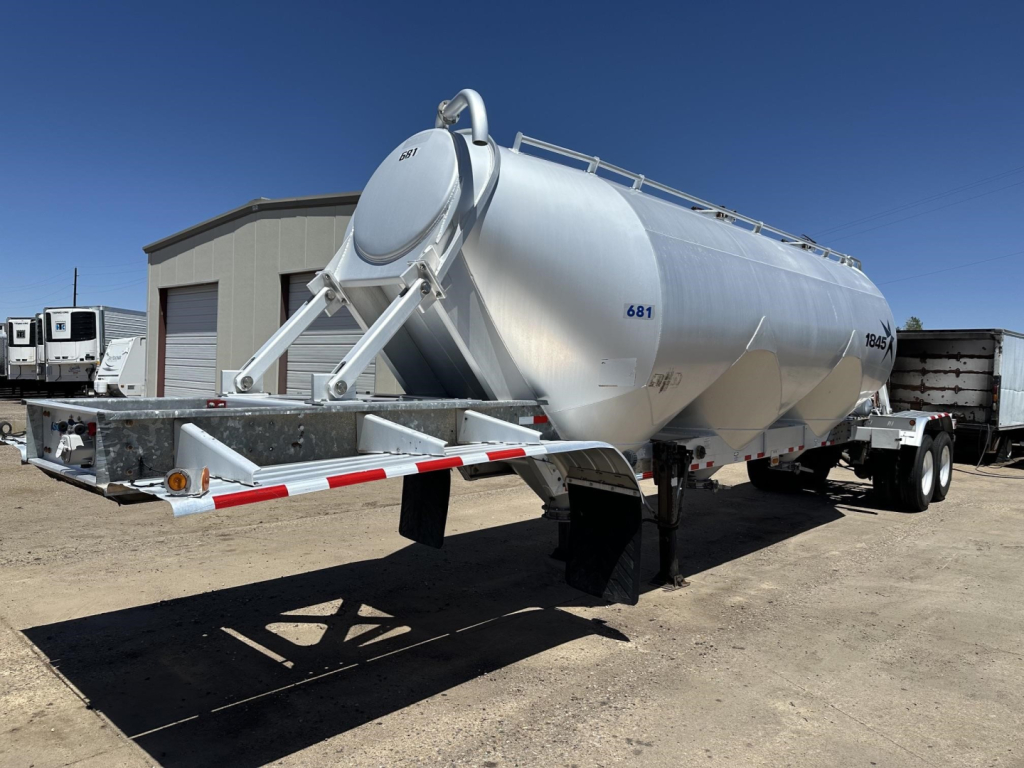
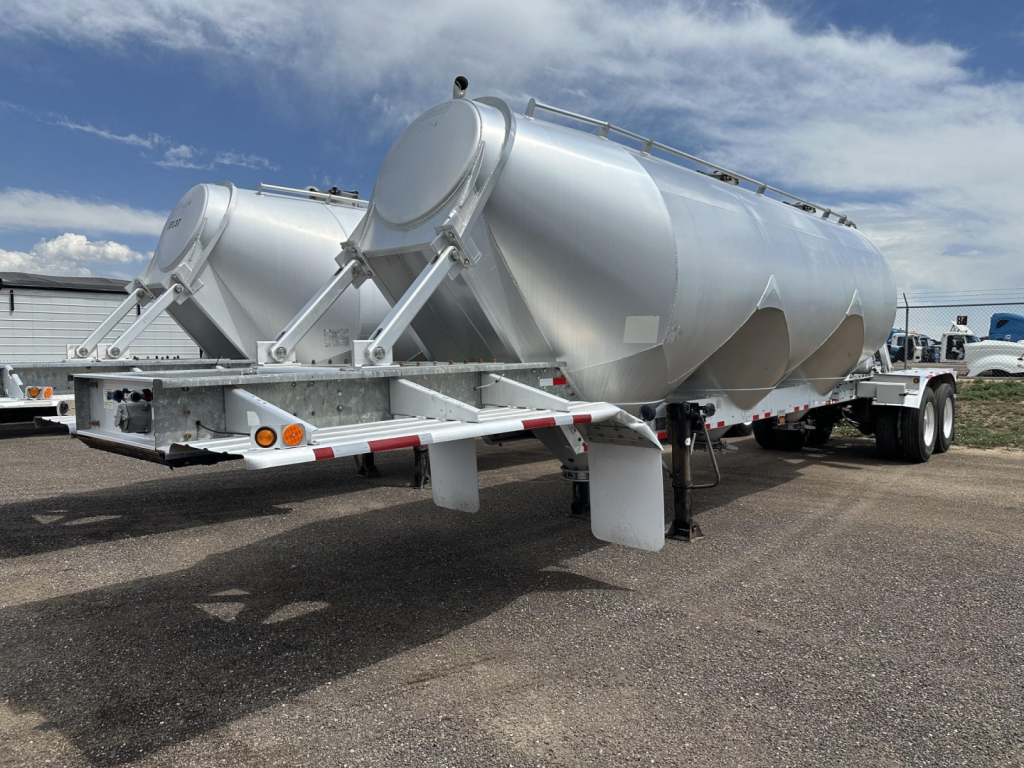
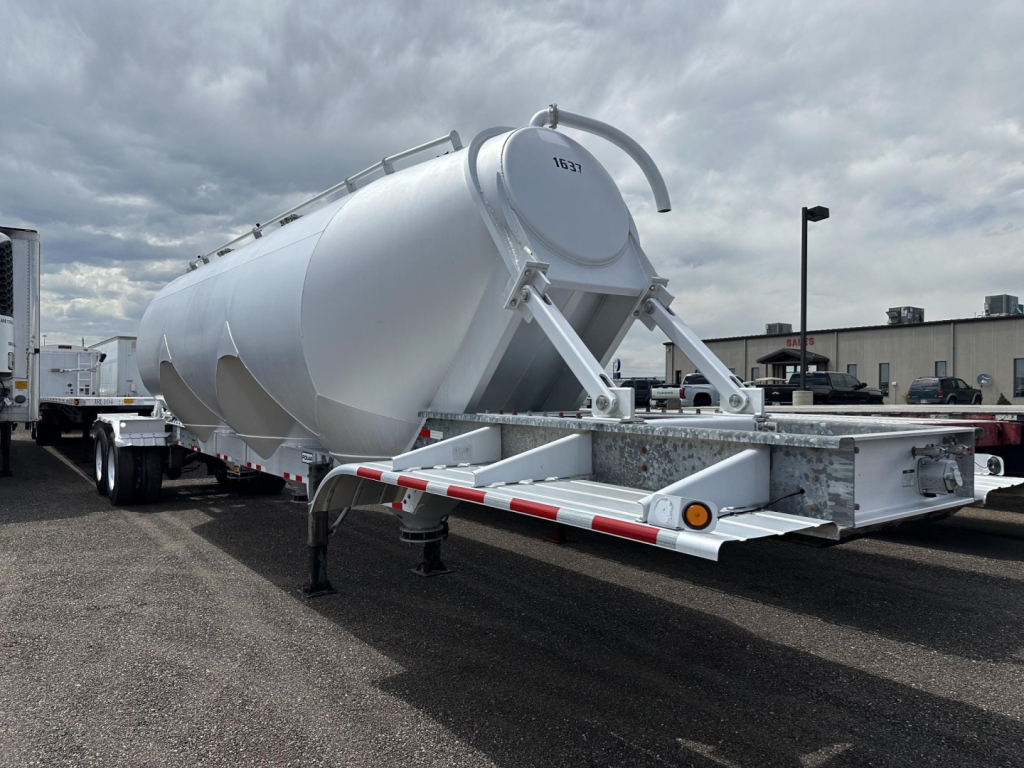
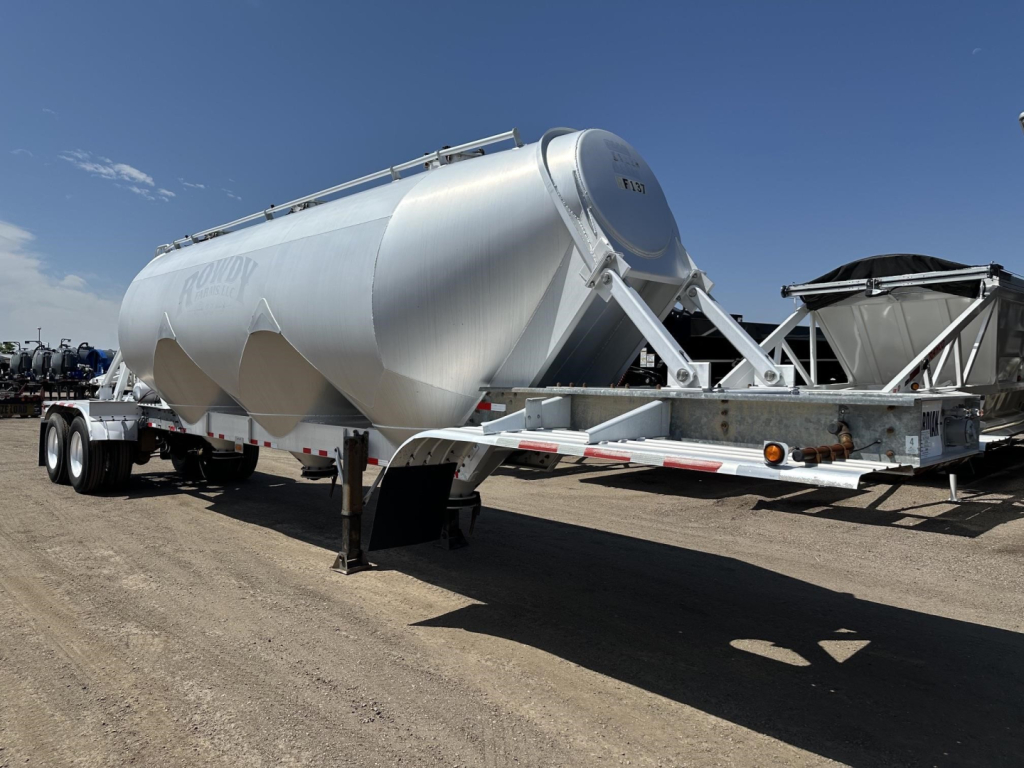
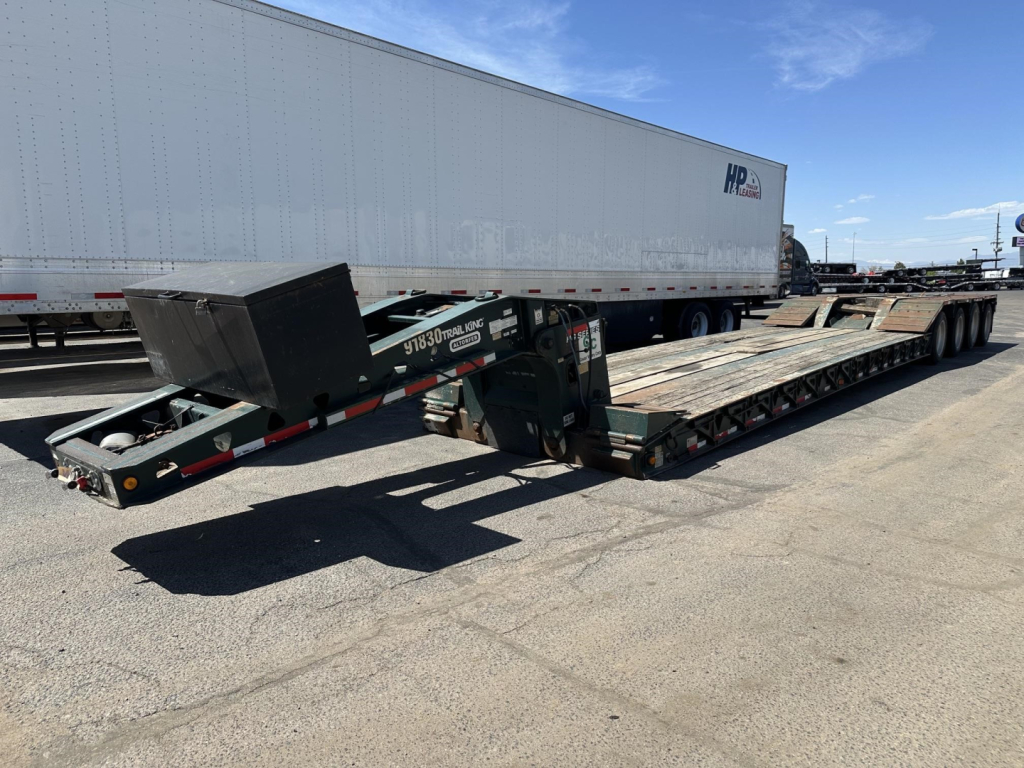
For vocational trailer buyers, a 2012 lowboy, side dump, or pneumatic trailer should be evaluated first by structure and system condition, not just price. On a lowboy, pay attention to kingpin settings, deck and well dimensions, outriggers, hydraulic detach systems, ride height control, and axle group configuration. On side dumps and other dump trailers, check tub condition, hinge and pivot wear, cylinder seals, tarp systems, frame alignment, and liner or steel thickness if applicable. On pneumatic dry bulk units, hopper configuration, plumbing layout, blower compatibility, aeration system condition, dome lids, discharge valves, and tank integrity are central to the trailer’s usable value. These details determine how well the trailer fits aggregate, heavy equipment, grain, cement, sand, fly ash, or other commodity work.
Most buyers looking at 2012 trailers are balancing acquisition cost against refurbishment risk. Tires, brakes, wheel-end service, air system leaks, lighting, ABS function, bushings, and current inspection status can quickly change the real cost of ownership. It also helps to match dimensions and weight ratings to the lanes you run, especially for specialized hauling in Colorado where bridge laws, mountain routes, and jobsite terrain can affect trailer choice. A well-kept 2012 trailer can still be a productive freight asset, but the best purchase is usually the one with the clearest service history, the right axle and suspension spec, and the least compromise for your intended application.
Frequently Asked Questions about 2012 Trailers in Colorado
What should I inspect first on a used 2012 trailer?
Start with the frame, suspension, brakes, tires, wheel ends, and floor or deck condition. Those items drive safety, uptime, and repair cost faster than cosmetic appearance. On vans and reefers, inspect crossmembers, subrails, rear frame, roof, doors, and slider operation. On lowboys, dumps, and bulk trailers, focus on structural cracks, pivot points, hydraulic components, kingpin area, and running gear wear. A maintenance file with brake work, tire replacement, and wheel-end service is a major advantage on a 2012 trailer.
Is a 2012 trailer too old for commercial use?
Not necessarily. Many 2012 trailers remain productive in commercial service if they were built for the application and maintained correctly. Age alone matters less than structural condition, corrosion level, prior accident repairs, and the remaining life in major wear items. A 2012 trailer with solid rails, good suspension, current brakes and tires, and clean repair history can still be a practical fleet or owner-operator asset.
Which 2012 trailer types hold value best?
Value retention usually depends on demand and spec. Dry vans and reefers generally stay liquid because they serve broad freight markets, while well-spec'd lowboys, side dumps, and pneumatic dry bulk trailers can hold strong value in specialized segments if their systems and structure are in good shape. Reefer resale is often tied to refrigeration unit hours and service history. Specialized trailers depend more heavily on exact configuration, such as well length, axle count, hopper layout, or tub material.
What matters most when buying a 2012 reefer trailer?
The refrigeration unit condition is only part of the equation. Buyers should also inspect the duct floor, chute, insulation, interior lining, scuff liners, door seals, and rear frame. Unit hours, start-run performance, alarm history, and compliance requirements can affect operating cost. A reefer with a healthy unit but poor insulation or damaged flooring can still become expensive to run and repair.
Are 2012 trailers a good fit for Colorado operations?
They can be, provided the trailer matches the terrain and duty cycle. Colorado operations often benefit from reliable air ride suspension, strong brake performance, and sound structural condition because mountain grades and mixed road surfaces expose weaknesses quickly. For freight trailers, check brake response, air leaks, and tire condition. For vocational trailers, pay extra attention to frame stress, suspension wear, and hydraulic system performance under load and on uneven ground.