
2012 Polar Trailers For Sale in Colorado
Browse 2012 Polar trailers for sale in Colorado, including dry bulk pneumatic models with common specs, capacities, and application insights.
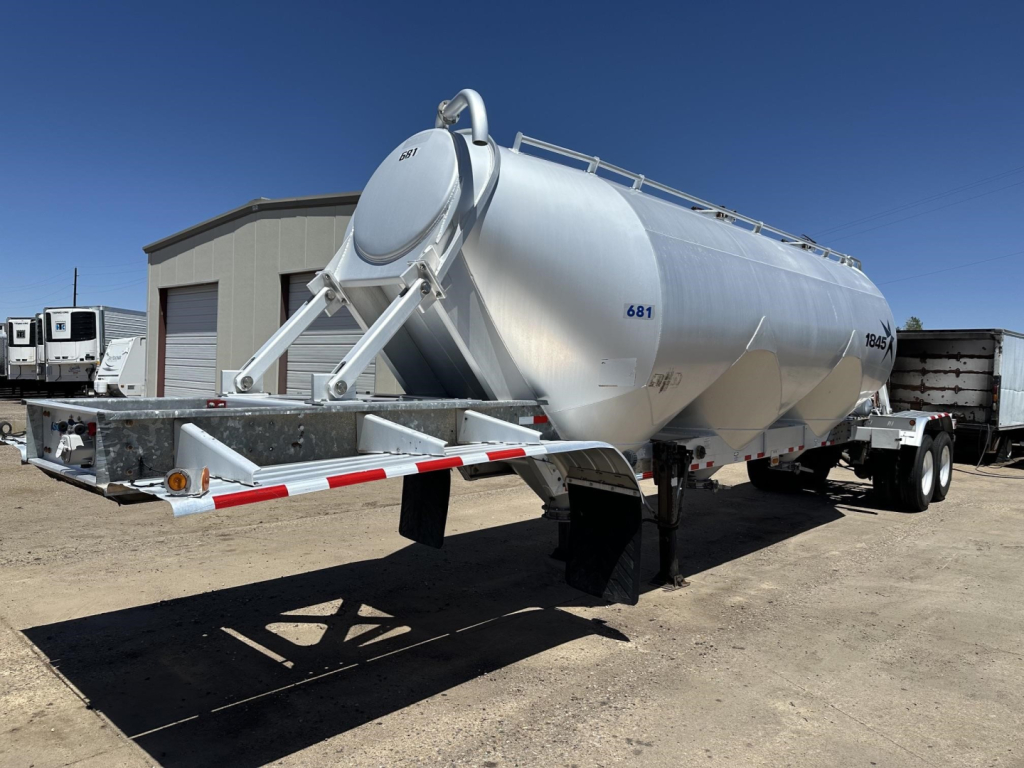
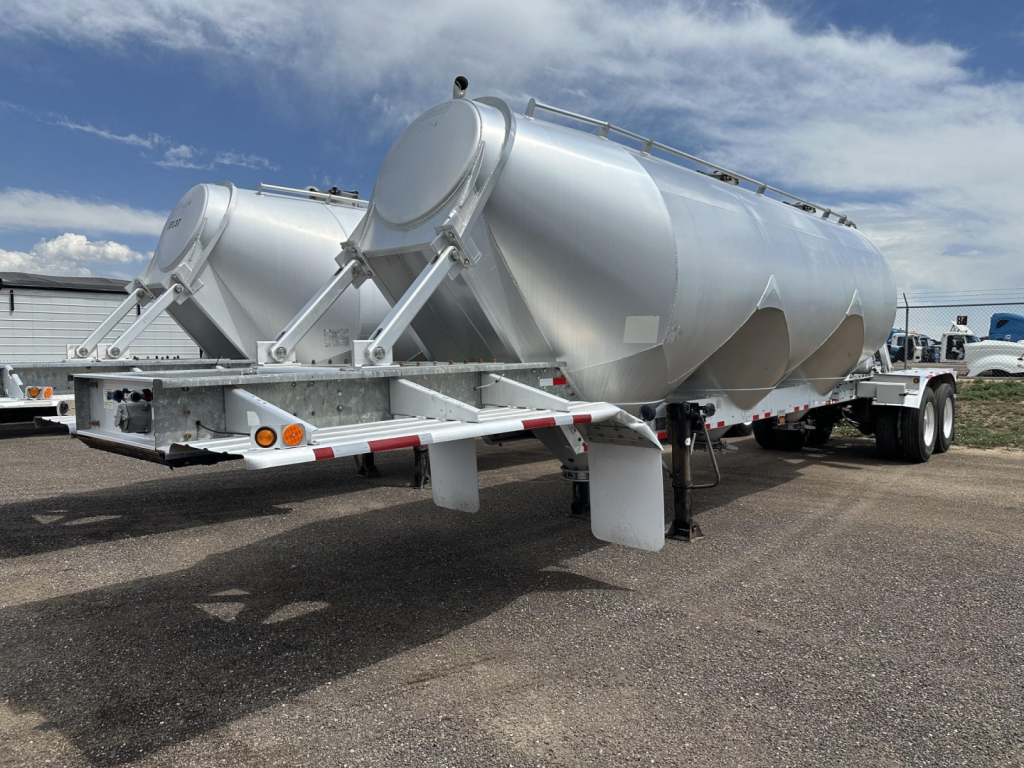
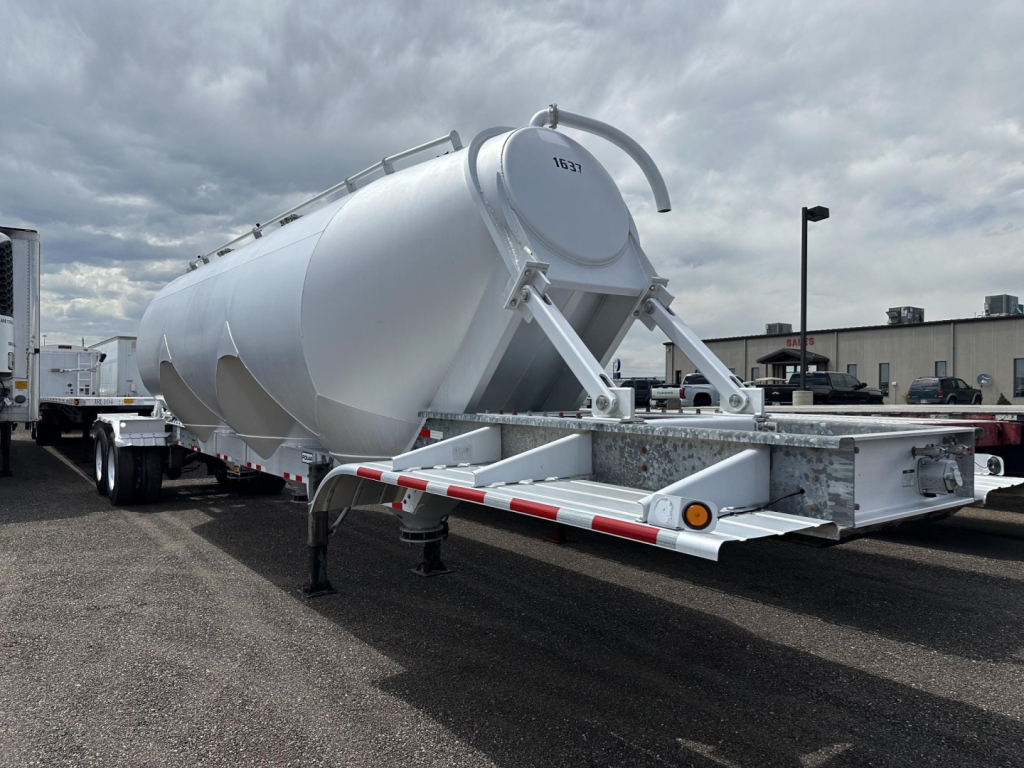
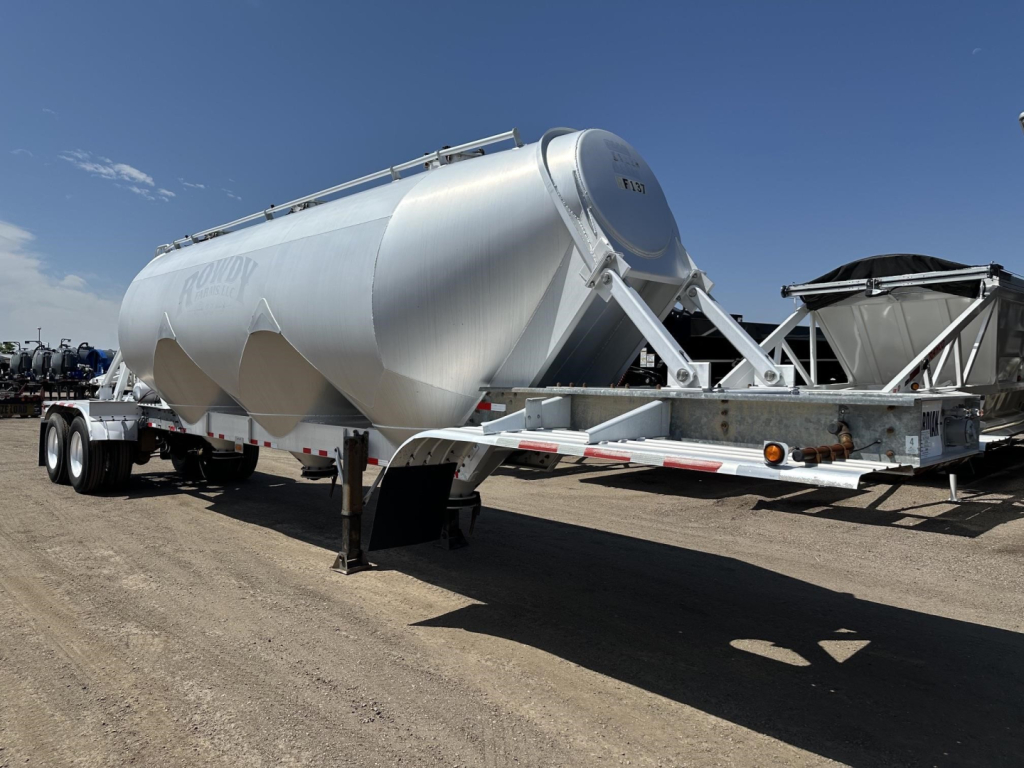
Selling a 2012 polar trailer? List your 2012 polar trailer for sale and reach thousands of commercial buyers.
2012 Polar Trailers in Colorado
The sample units here point to a common configuration of 41-foot by 96-inch trailers with roughly 1,000 cubic feet of capacity, three hoppers, and two or three top domes. That is a versatile size for operators balancing payload, bridge compliance, and maneuverability. Gravity drop pneumatic designs are popular because they can handle products that unload through hopper gates while still supporting pneumatic systems and plant unloading requirements. Adjustable couplers, closed tandem axle layouts, air ride suspension, raised axles, and 11R24.5 tires are all practical spec points to compare because they affect ride quality, scale flexibility, unloading stance, and tire replacement cost.
For a buyer in Colorado, spec matching is especially important because elevation and terrain can influence unloading performance and tractor setup. Pneumatic bulk work in higher-altitude markets can put more emphasis on blower performance, air system integrity, and tight plumbing connections. A trailer with sound dome seals, clean hopper interiors, solid piping, and properly functioning discharge components will usually matter more than cosmetic appearance. Rear ladders with safety rails, work lights, fenders, and two-speed landing gear are also worth checking closely because they affect daily usability and driver safety at plants, mills, and job sites.
When comparing 2012 Polar trailers for sale, focus on commodity history, maintenance records, and how the trailer is equipped for your unloading method. Verify cubic capacity against the material you plan to haul, inspect the hopper and cone condition for wear or contamination, and confirm the coupler setting works with your tractor fleet. On used Polar dry bulk trailers, a careful review of suspension components, wheel-end condition, brakes, and all discharge hardware can tell you more about long-term value than a basic age or mileage comparison. Buyers who match the trailer to the commodity, route, and unloading system usually get the best service life and payload efficiency from this equipment class.
Frequently Asked Questions about 2012 Polar Trailers in Colorado
What is a 2012 Polar gravity drop pneumatic trailer used for?
A 2012 Polar gravity drop pneumatic trailer is typically used to haul dry bulk commodities such as cement, sand, lime, fly ash, plastic pellets, and similar materials. The gravity drop design allows product to move through hopper outlets, while the pneumatic setup supports unloading into plant systems that rely on air pressure and connected piping. This type of trailer is common in construction materials, industrial minerals, and processing supply chains where clean containment and controlled discharge are important.
What specs matter most when buying a used Polar dry bulk trailer?
The most important specs usually include cubic foot capacity, hopper count, dome count, suspension type, axle layout, tire size, and coupler configuration. On a used unit, buyers should also pay close attention to the condition of the tank shell, hopper cones, valves, discharge plumbing, seals, wheel ends, brakes, and air system components. A trailer can look presentable but still require expensive bulk-system repairs, so the unloading hardware and vessel condition should be evaluated carefully.
Is 1,000 cubic feet a common size for a Polar pneumatic trailer?
Yes, 1,000 cubic feet is a common and versatile capacity in the dry bulk pneumatic market. It offers a useful balance between payload opportunity and overall trailer length, especially for fleets that need flexibility across different commodities and routes. The right capacity still depends on material density, local bridge laws, and the tractor setup, because heavier products can gross out before the trailer is fully cubed out.
Why do air ride and raised axles matter on a bulk trailer?
Air ride suspension helps protect the trailer structure and commodity by reducing vibration and improving ride quality, which is valuable in bulk applications and on rougher roads. Raised axles can help with tire wear, maneuverability, and weight distribution depending on the load and operating conditions. On a used trailer, buyers should confirm that the suspension system, axle lift components, and related air controls function correctly because repairs in these areas can add significant ownership cost.
What should Colorado buyers check on a used pneumatic trailer?
Colorado buyers should pay close attention to unloading performance, especially if the trailer will operate at higher elevations or in mountain markets. Air leaks, weak plumbing connections, worn valves, and poor seals can have a greater impact when efficient pneumatic flow is critical. It is also smart to confirm the trailer's suspension, brakes, and tires are ready for variable grades and weather, and to make sure the coupler height and axle configuration fit the tractors and routes used in that region.