
Polar Trailers For Sale
Browse Polar trailers built for tank and pneumatic hauling, including stainless, aluminum, sanitary, and DOT-spec configurations.
Selling a polar trailer? List your polar trailer for sale and reach thousands of commercial buyers.
Polar Trailers
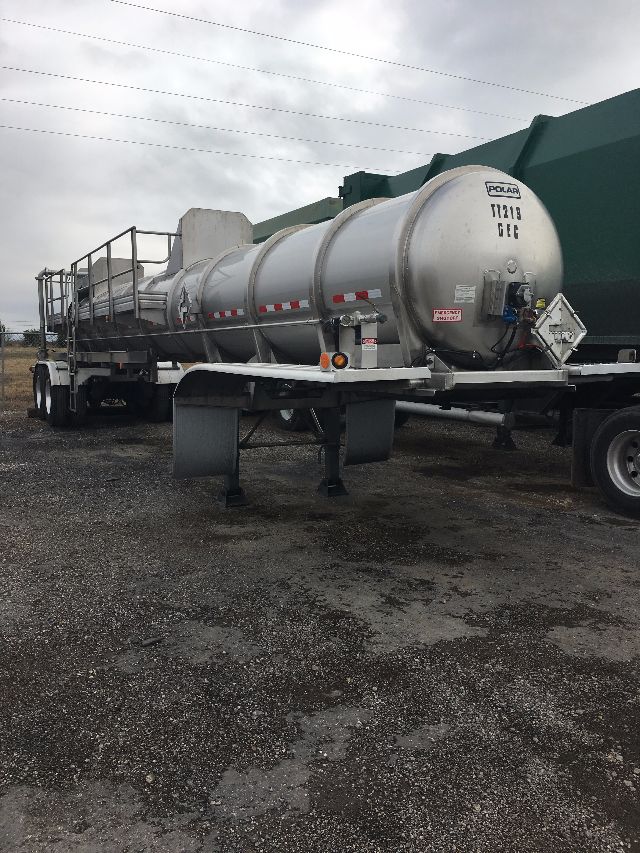
For chemical, waste, or specialty liquid service, look closely at shell material, interior lining, pressure rating, and valve configuration. Stainless barrels are common for corrosive or contamination-sensitive loads, while lined tanks can be important for product compatibility and cleanout. Single-compartment tanks are typical when contamination cannot be tolerated, but multi-compartment layouts can improve route flexibility for petroleum or blended product work. Buyers should also verify manway style, vapor recovery equipment, rear or center discharge, and whether the trailer is coded for the intended cargo. On older units, inspection status, barrel condition, and signs of prior product damage are as important as mileage-equivalent wear.
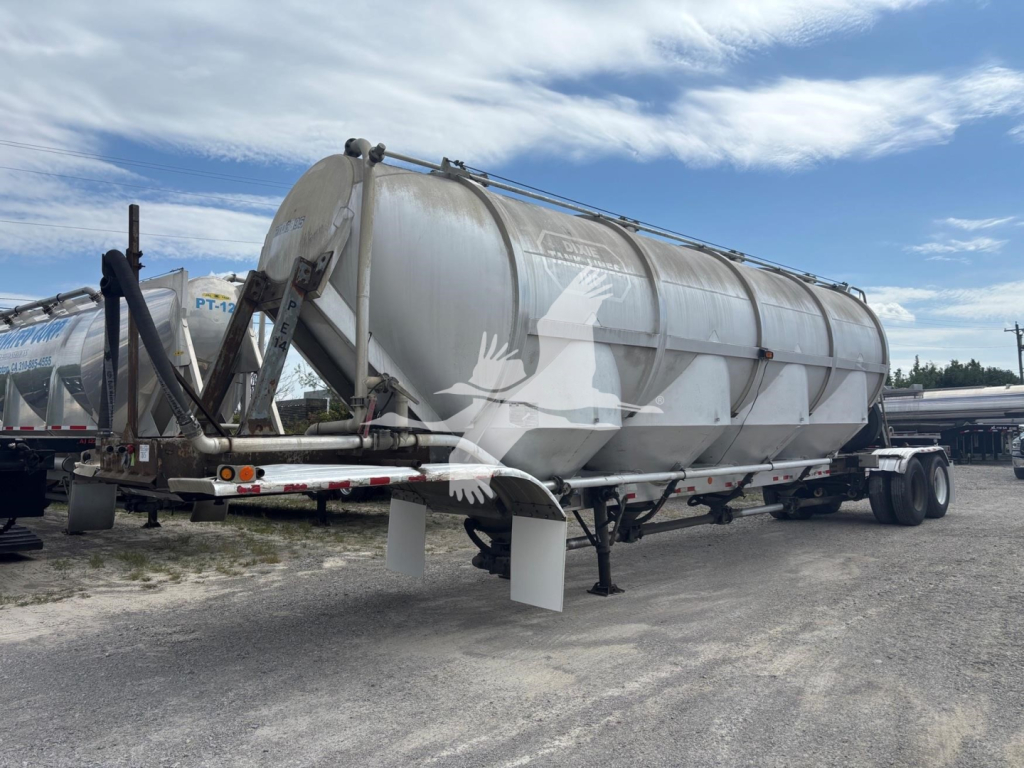
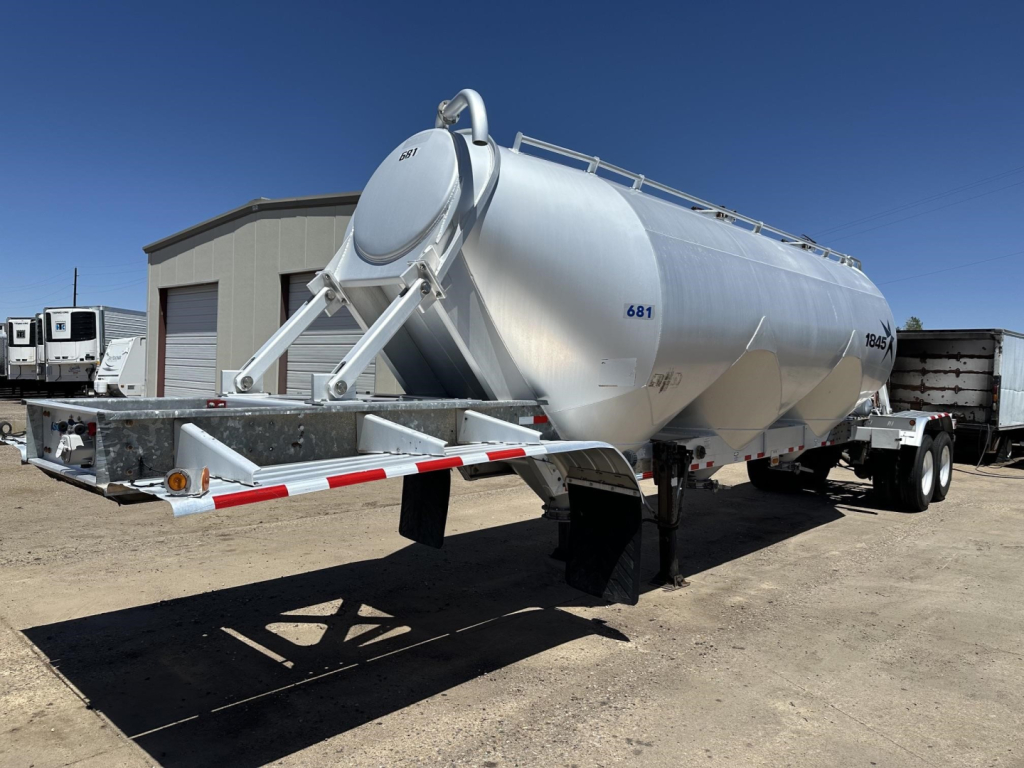
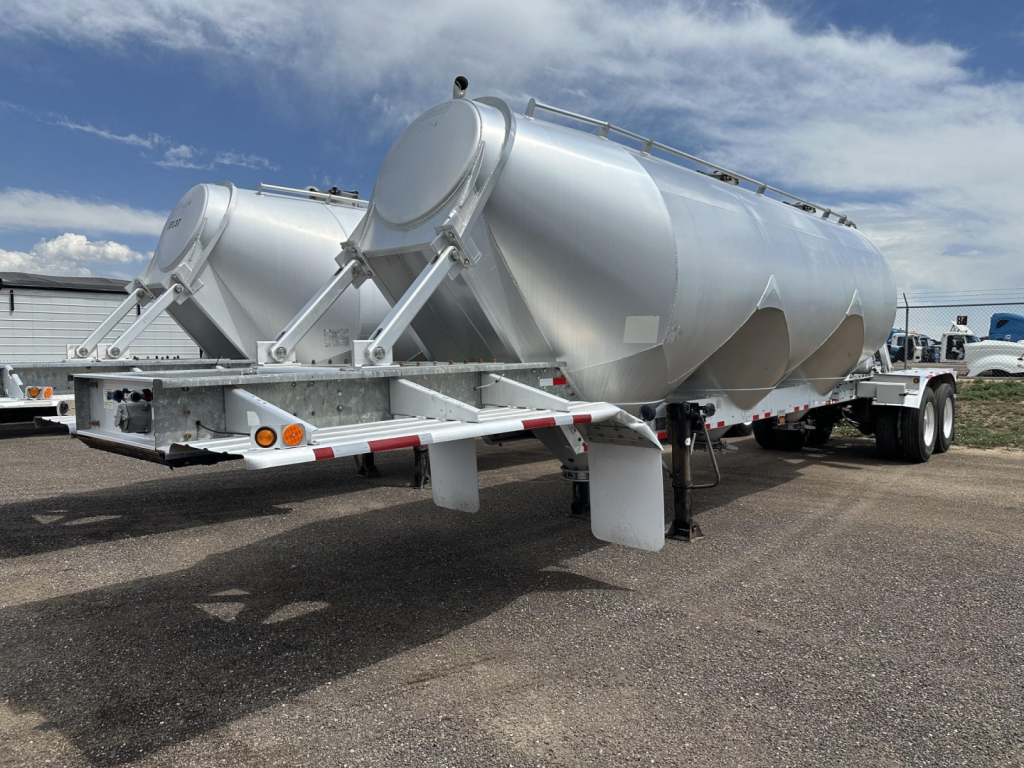
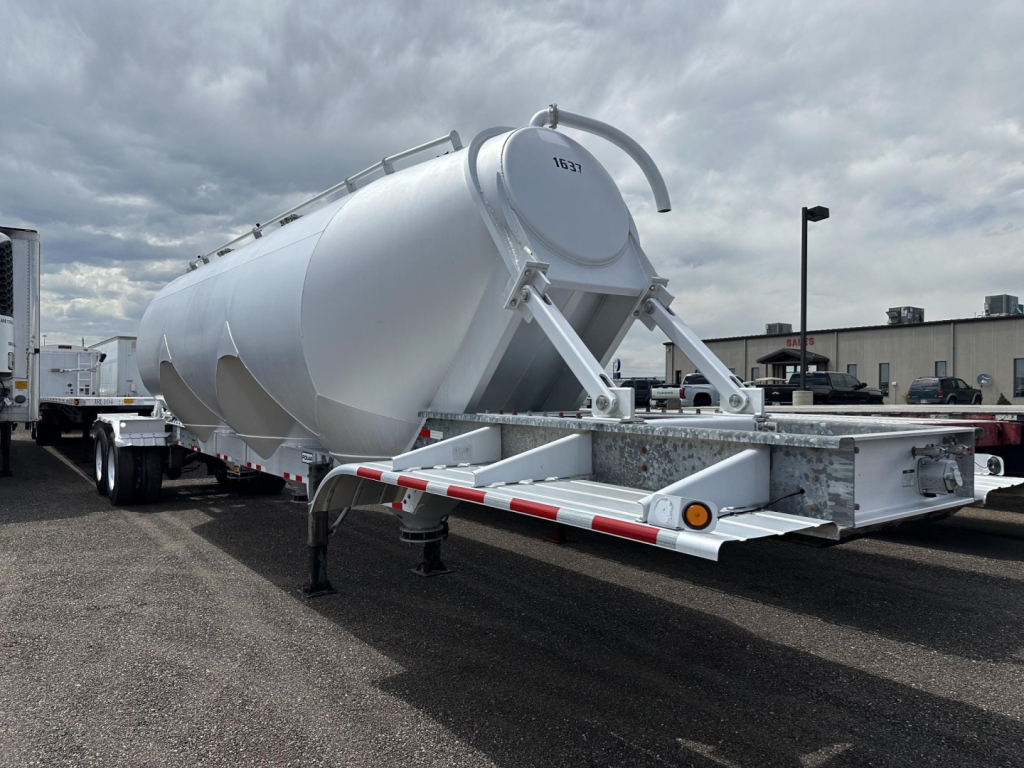
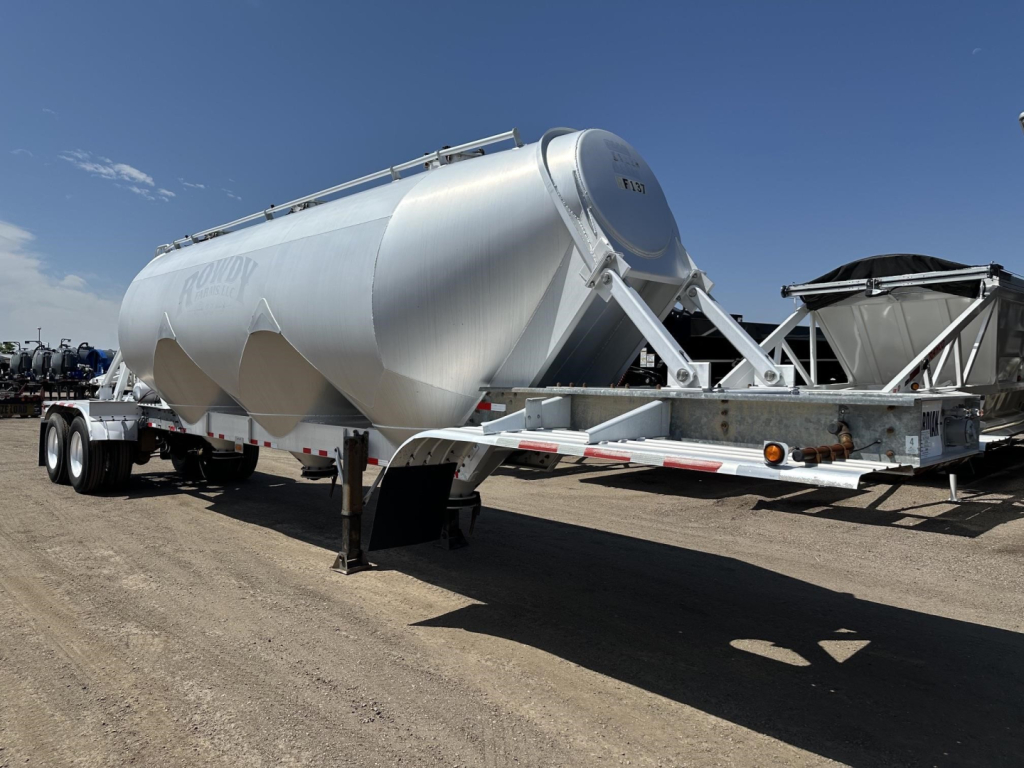
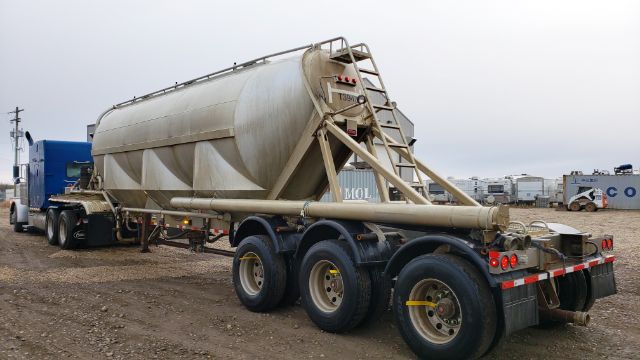
Polar pneumatic trailers are often used for dry bulk commodities such as cement, lime, sand, fly ash, plastic pellets, or similar products, and the key decisions are cube capacity, blower or pump setup, and weight. Aluminum construction helps maximize payload, while tri-axle layouts, air ride suspension, and 11R22.5 rubber are common across highway-spec units. Check the number of hoppers, line size, aeration system, hydraulic package, and discharge plumbing to make sure the trailer fits your unloading process. If the trailer will cross state or provincial lines, axle spread, bridge compliance, and gross weight rating should be reviewed alongside local commodity rules.
Sanitary Polar trailers deserve a separate look because food-grade hauling has its own standards. Features such as 3-A sanitary design, insulated stainless barrels, pressure manholes, and stainless frames can matter for dairy, edible oils, and other consumable products. Cleaning access, pump compatibility, temperature retention, and documentation history are all part of the buying decision. Across the Polar lineup, condition comes down to tank integrity, running gear, suspension type, brake system, wheel-end maintenance, and how well the trailer’s code, plumbing, and capacity align with the freight you plan to haul.
Frequently Asked Questions about Polar Trailers
What types of Polar trailers are most common on the used market?
The most common Polar trailers on the used market are tank trailers for chemical, petroleum, sanitary, waste, and dry bulk service. Buyers will also see pneumatic dry bulk units in aluminum construction and stainless steel liquid tankers in both code and non-code configurations. The exact trailer type matters more than the make alone because specifications such as compartment count, discharge style, shell material, and DOT rating determine what product the trailer can legally and efficiently haul.
How do I choose between a stainless steel Polar tank and an aluminum Polar tank?
Stainless steel is usually preferred when product purity, corrosion resistance, or chemical compatibility is critical. It is common on sanitary, chemical, and specialty liquid trailers. Aluminum is often chosen when lower tare weight and higher payload are the priority, especially in petroleum and dry bulk applications. The right choice depends on the commodity, required cleaning standards, corrosion exposure, and target payload rather than simple preference for one material over the other.
What should I check on a used Polar tanker before buying?
Start with the tank code, data plate, inspection history, and intended product compatibility. Then inspect the barrel for dents, weld repairs, liner condition, signs of contamination, and evidence of internal corrosion or previous overheating. Running gear still matters, so review suspension, axle alignment, brakes, wheel ends, tires, and frame condition. On pneumatic or specialty liquid trailers, the unloading system, valves, vapor recovery components, hoses, and plumbing layout should be verified against your operation before purchase.
Are Polar sanitary trailers suitable for food-grade hauling?
Many Polar sanitary trailers are built specifically for food-grade service, but suitability depends on the exact build and documentation. Buyers should confirm 3-A sanitary features if required, stainless contact surfaces, insulation, manway and valve design, and the trailer’s cleaning and maintenance history. A sanitary trailer used in dairy or edible product service should also be checked for pump compatibility, seal condition, and any modifications that could affect food-grade compliance.
What matters most on a Polar pneumatic trailer?
The most important factors on a Polar pneumatic trailer are cube capacity, tare weight, hopper design, discharge plumbing, and the air system used for unloading. A trailer built for cement or fly ash may not be ideal for plastic pellets or other dry bulk commodities with different flow characteristics. Buyers should also review blower or hydraulic pump requirements, line size, aeration layout, suspension type, axle configuration, and bridge-law considerations to make sure the trailer works in their lanes and at their delivery points.