
Polar Tank Trailers For Sale
Browse Polar tank trailers built for chemical, food-grade, petroleum, dry bulk, and waste hauling with durable specs and application-focused designs.
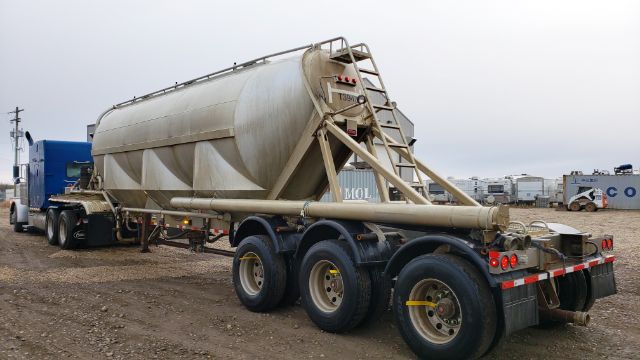
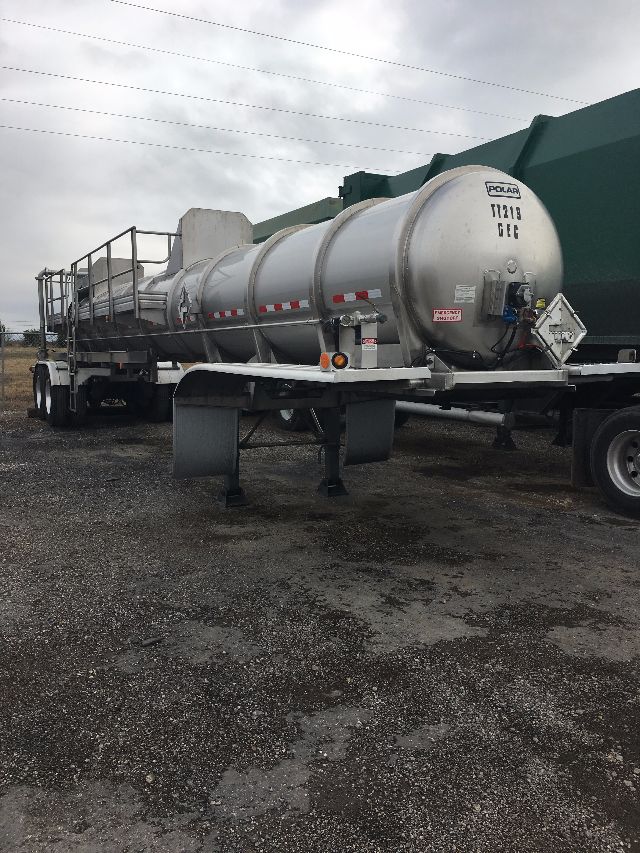
Selling a polar tank trailer? List your polar tank trailer for sale and reach thousands of commercial buyers.
Polar Tank Trailers
Common Polar configurations include straight round and elliptical barrels, single or multiple compartments, and capacities that often range from roughly 3,500 to 7,000 gallons on liquid trailers, with larger volume variations depending on product weight and legal bridge limits. Stainless steel tanks are common for sanitary service, corrosive products, and applications where contamination control is critical. Aluminum barrels reduce tare weight and can make sense for petroleum or select dry bulk service. Buyers should verify whether a trailer is non-code or built to a spec such as DOT 412, and confirm details like insulation, rear discharge, pressure manholes, vapor recovery, internal lining, and pump package. Features such as a Kylar lining, sanitary 3-A construction, or dedicated vapor equipment can sharply narrow or expand where a trailer can legally and practically work.
Running gear and serviceability deserve close attention on a used Polar tanker. Tandem and tri-axle layouts are common, along with air ride or spring suspension, aluminum disc wheels, and 11R22.5 rubber. Check frame material, axle ratings, brake condition, and GVWR against the product density you intend to haul. On tank trailers, fittings and valves are as important as the shell itself. Manways, dump valves, vapor lines, pump drives, hose tubes, and discharge plumbing should be inspected for compatibility with your operation and customer requirements. If the trailer is intended for food-grade service, look hard at washout history, interior condition, insulation integrity, and the cleanliness standard the prior operation maintained.
A Polar tank trailer can be a strong fit when uptime, product integrity, and resale value matter. The brand is widely recognized across tanker fleets, which helps with parts familiarity and buyer confidence in the secondary market. The best unit for one fleet may be the wrong one for another, so buyers should focus on code plate details, capacity by legal payload, shell material, compartment count, unloading method, and the exact commodity history before making a decision. On this category, those specifics determine far more than the nameplate.
Frequently Asked Questions about Polar Tank Trailers
What are Polar tank trailers commonly used for?
Polar tank trailers are commonly used for hauling food-grade liquids, chemicals, petroleum products, waste, and in some cases dry bulk materials, depending on the exact tank design. The application depends on the shell material, code specification, lining, compartment setup, and discharge equipment. A sanitary stainless trailer set up for edible product service is very different from a DOT 412 chemical tanker or a waste-spec unit, even if they share the same brand name.
How do I choose between stainless steel and aluminum on a Polar tanker?
Stainless steel is typically chosen for corrosive products, sanitary service, and applications where product purity and washability matter most. Aluminum usually offers lower tare weight and can be a good fit for petroleum and certain bulk applications where corrosion resistance and sanitary requirements are different. The right choice comes down to commodity compatibility, cleaning protocol, payload targets, and long-term maintenance considerations.
What should I check on a used Polar tank trailer before buying?
Start with the code plate, tank capacity, compartment count, and commodity history. Then inspect the shell, welds, lining if equipped, insulation, suspension, brakes, tires, wheels, and all valves and plumbing. Buyers should also verify the condition of manways, vapor recovery components, pump systems, and discharge controls, because those items directly affect safety, compliance, and unloading time. For sanitary trailers, interior condition and documentation of cleaning practices are especially important.
Why does tank code matter on a Polar trailer?
Tank code determines the type of product the trailer is designed and certified to haul. A non-code tanker may be suitable for one service but not legal or safe for another, while a coded unit such as DOT 412 is intended for specific hazardous or chemical applications. Buyers need to match the code exactly to the commodity, customer requirements, and regulatory environment in the lanes where the trailer will operate.
Are compartment count and discharge layout important on a Polar tanker?
Yes. A single-compartment tank is often preferred for dedicated product runs and simpler washout procedures, while multi-compartment trailers allow split loads and more route flexibility. Discharge layout also matters because rear discharge, center discharge, pumping systems, and vapor recovery setups affect unloading speed, site compatibility, and the type of accounts the trailer can service. Those details should match your actual freight and customer delivery points.