
Tank Trailers For Sale
Shop tank trailers for liquid, dry bulk, fuel, chemical, and food-grade hauling. Compare specs like capacity, code, material, compartments, and discharge.

Selling a tank trailer? List your tank trailer for sale and reach thousands of commercial buyers.
Tank Trailers
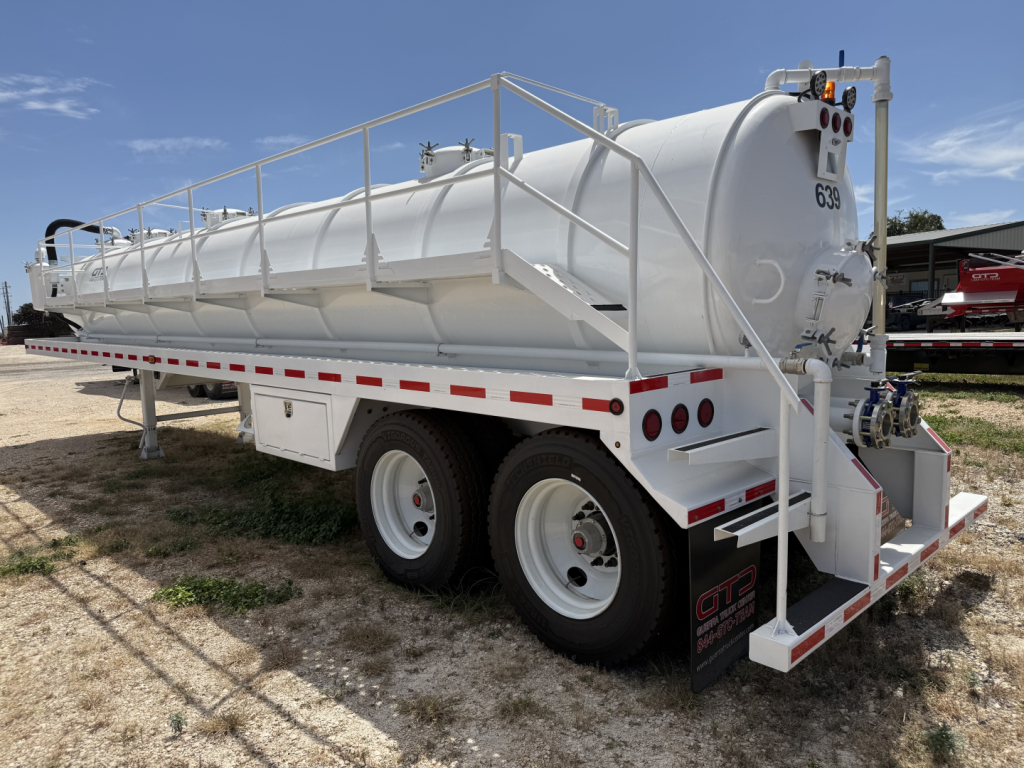
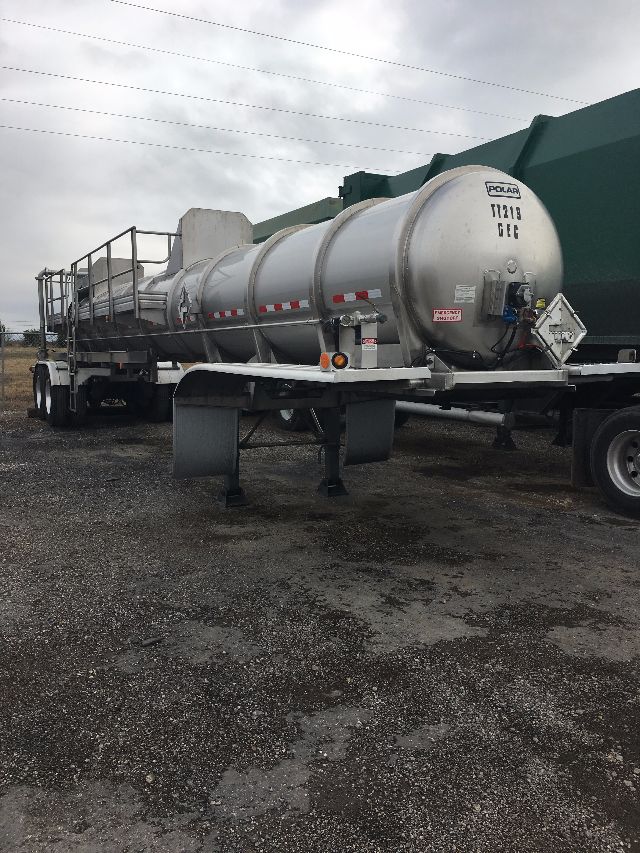
Material matters because it affects weight, corrosion resistance, cleanout time, and resale value. Aluminum tank trailers are common where tare weight is critical, especially in fuel and dry bulk applications. Stainless steel tankers, including T-316 stainless barrels, are often preferred for corrosive products, higher-purity commodities, and sanitary service. Insulated barrels are common on chemical and food-grade tank trailers where temperature control or product protection matters. Straight-round barrels, external ring construction, stainless piping, pressure manholes, dump valves, hose troughs, and hose tubes are all details worth checking because they directly affect loading, unloading, and maintenance.
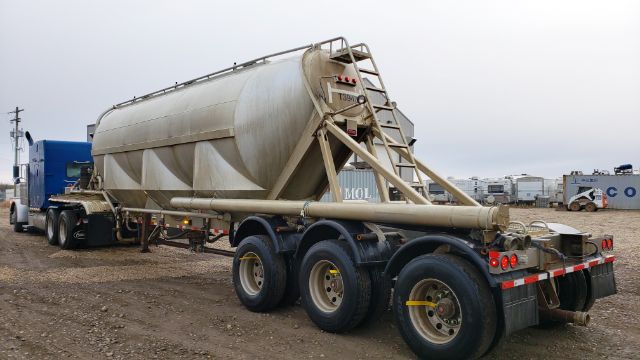
Compartment count and discharge layout have a major impact on productivity. Multi-compartment tank trailers are common in petroleum and specialty liquid service because they let an operator carry split loads and make multiple drops without cross-contamination. Single-compartment trailers are more common for dedicated product runs, sanitary work, and some chemical applications. Side discharge versus rear discharge changes how the trailer fits a customer’s rack, pump setup, and unloading area. On pneumatic trailers, hopper count, manhole arrangement, and plumbing design influence unload speed and how cleanly product evacuates.
A buyer should also pay close attention to suspension, wheel-end setup, and service history. Air ride is often preferred for ride quality and product protection, while spring suspension still shows up on older or more vocational tank trailers. Tire size, aluminum or steel disc wheels, fender condition, frame material, and barrel documentation all matter on a used unit. For regulated service, inspection records, pressure tests, lining or barrel condition, and code plate accuracy are just as important as price. A tank trailer that matches the commodity, terminal requirements, and unloading method will usually outperform a cheaper trailer that needs modifications or limits where it can legally haul.
Also known as: Tanker Trailer
Frequently Asked Questions about Tank Trailers
What is the difference between a code tank trailer and a non-code tank trailer?
A code tank trailer is built and certified to a specific regulatory standard for hauling certain hazardous or pressure-sensitive commodities, such as MC 307 or DOT 407. A non-code tank trailer is typically used for products that do not require that level of certification, such as some dry bulk or non-hazardous liquid applications. The correct choice depends on the commodity, shipper requirements, and the regulations in the lanes where the trailer will operate.
How do I choose between aluminum and stainless steel tank trailers?
Aluminum tank trailers are valued for lighter tare weight and are common in fuel and dry bulk service where payload matters. Stainless steel tank trailers cost more but offer better corrosion resistance and are often used for chemicals, food-grade products, and commodities that require frequent washout or higher product purity. The right material depends on what you haul, how often you clean the barrel, and how important long-term corrosion resistance is in your operation.
When does a multi-compartment tank trailer make sense?
A multi-compartment tank trailer makes sense when an operation needs to carry different products on the same trip or make several deliveries from one load. That is common in petroleum and some specialty liquid applications. A single-compartment trailer is usually simpler to clean, easier to dedicate to one product, and often preferred when contamination control is more important than route flexibility.
What should I inspect on a used tank trailer before buying?
The barrel condition should be at the top of the list, along with code plate information, inspection and test records, piping condition, valves, manholes, and signs of previous repairs. Buyers should also inspect the frame, suspension, wheel ends, tires, and fenders, then confirm the discharge setup matches their loading rack and customer sites. On food-grade or chemical units, insulation, lining condition, and washout history can be critical.
How are tank trailer capacities measured?
Liquid tank trailers are usually rated in gallons, with many highway units falling in the 6,500 to 9,500 gallon range depending on barrel design, material, and legal weight targets. Dry bulk pneumatic trailers are commonly rated in cubic feet because they haul powders and granular products rather than liquids. Capacity alone does not determine payload, because product density, axle configuration, and state weight laws all affect how much the trailer can legally and efficiently carry.