
2012 Polar Trailers For Sale
Shop 2012 Polar trailers, including tank and pneumatic tanker configurations, with specs on capacity, material, suspension, and service use.
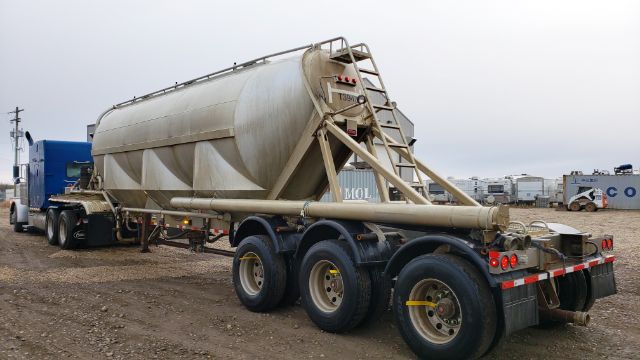
Selling a 2012 polar trailer? List your 2012 polar trailer for sale and reach thousands of commercial buyers.
2012 Polar Trailers
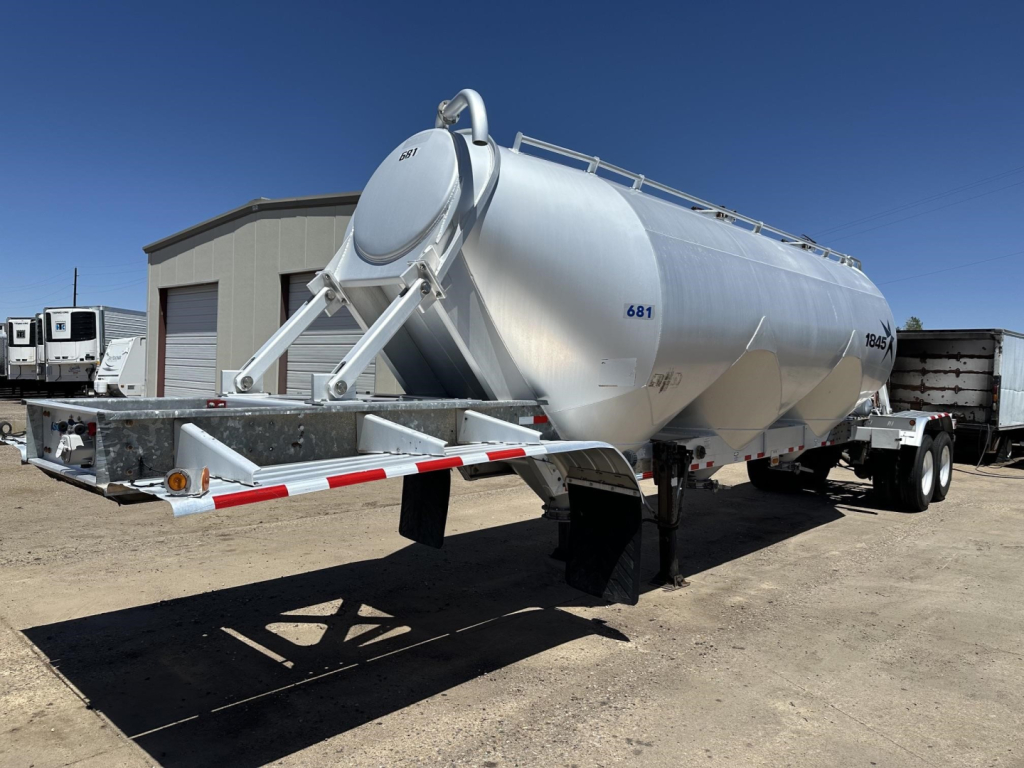
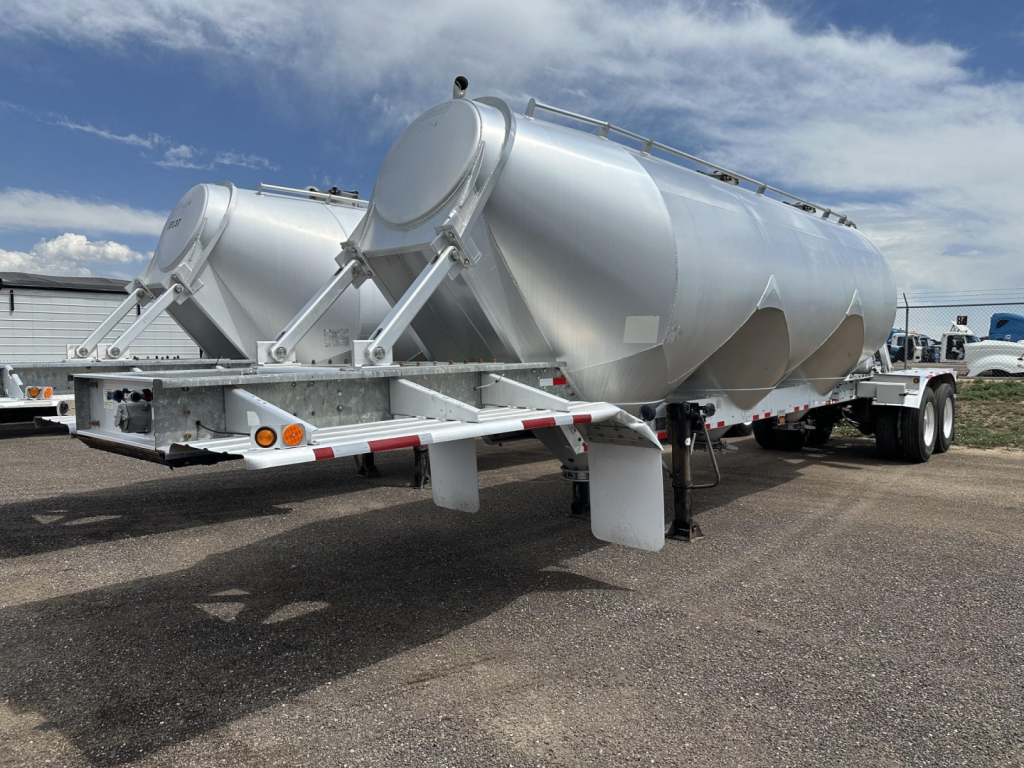
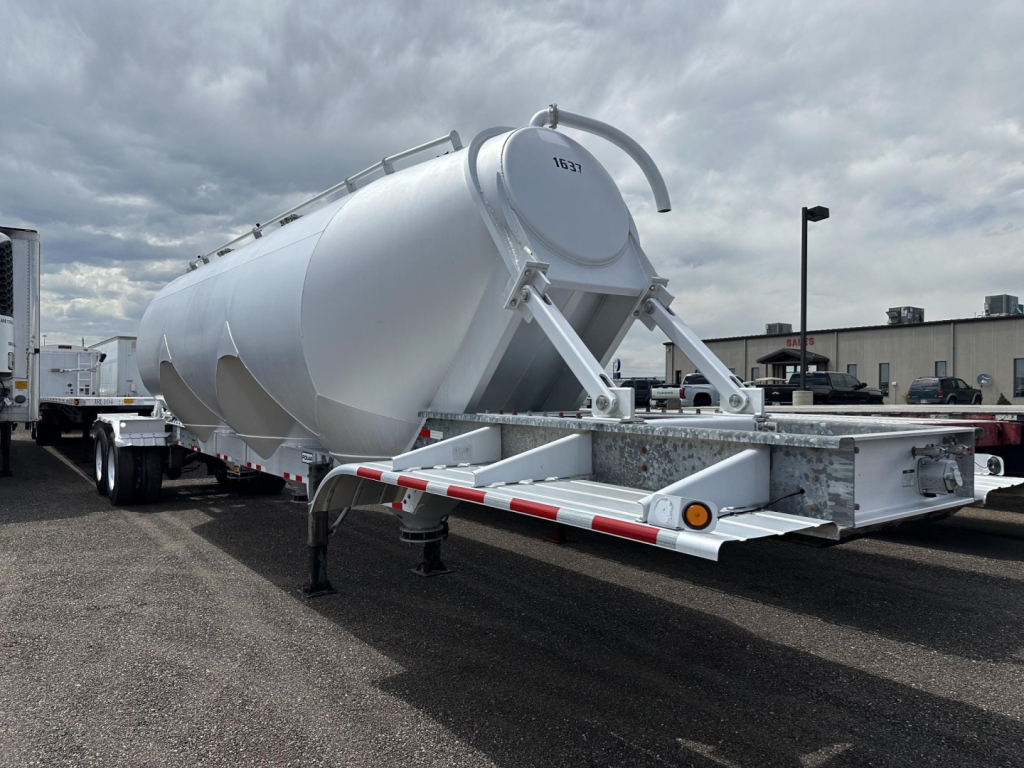
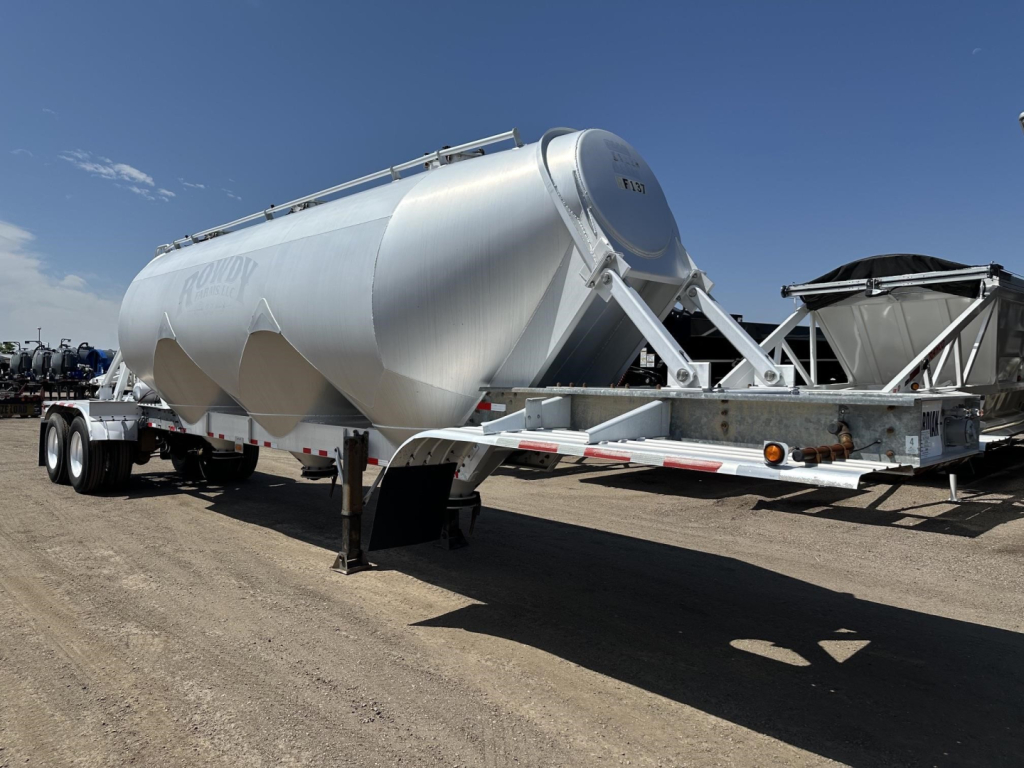
For tank trailers, buyers should focus on capacity, code rating, compartment count, and lining or insulation. A 2012 Polar trailer may be set up for petroleum, chemical, sanitary, waste, or dry bulk service, and those differences matter more than the badge on the barrel. DOT 407 and DOT 412 specifications, vapor recovery equipment, rear discharge plumbing, pressure relief hardware, and internal coatings such as Kynar all affect what products the trailer can legally and practically haul. Stainless barrels are common where corrosion resistance and product purity matter, while aluminum is more common in pneumatic applications where payload and weight savings are a priority.
Suspension, axle layout, and running gear deserve a close look on any 2012 trailer. Air ride suspension is common on Polar units and is preferred for ride quality and product protection, though some older trailers may still be equipped with spring ride. Check tire size, wheel type, brake condition, axle spacing, and overall GVWR against the work you plan to do. On pneumatic trailers, confirm blower or pump configuration, compartment layout, product plumbing, and discharge line condition. On liquid tankers, inspect manholes, valves, bottom or rear discharge systems, and any signs of shell repair, lining failure, or insulation moisture intrusion.
A used 2012 Polar trailer can be a strong value if its specification matches the lane and commodity. Food-grade, chemical, petroleum, and dry bulk service each come with different compliance, cleaning, and maintenance demands. Buyers should verify test records, tank certifications, service history, and any recent barrel, suspension, brake, or valve work before putting a unit into operation. The best 2012 Polar trailer is not just the cleanest one on paper. It is the one with the right code, capacity, material, and plumbing for the product you haul every day.
Frequently Asked Questions about 2012 Polar Trailers
What types of 2012 Polar trailers are most common on the used market?
The most common 2012 Polar trailers are tank trailers and pneumatic dry bulk trailers. You will often see stainless steel liquid tankers for chemical, sanitary, or waste service, along with aluminum pneumatic tanks built for cement, fly ash, sand, lime, or similar dry products. The exact application depends on the trailer's code rating, compartment design, barrel material, and discharge equipment, so buyers should evaluate the specification before assuming a trailer can be repurposed easily.
What should I check first on a 2012 Polar tank trailer?
Start with the tank code, capacity, compartment count, and barrel material because those determine legal use and product compatibility. After that, review the discharge system, valves, manholes, lining, insulation, suspension, and brake condition. On a 2012 model, documentation is especially important, including inspection history, pressure test records, and any repairs to the shell, subframe, or piping. A trailer with the right paperwork and recent service is usually a safer buy than one with limited records.
Are 2012 Polar trailers still a good choice for fleet use?
They can be, provided the trailer has been maintained correctly and the specification fits the intended service. Polar trailers are widely respected in bulk hauling, and many 2012 units remain productive in regional and local operations. The key is to evaluate age-related wear in suspension parts, brakes, valves, plumbing, wheel ends, and any lined or insulated tank components. A well-maintained 2012 trailer can still offer strong value when compared with the cost of a newer replacement.
How do I choose between a stainless steel Polar tanker and an aluminum pneumatic trailer?
The choice depends on commodity, not just construction material. Stainless steel tankers are typically selected for liquid products where corrosion resistance, sanitation, or chemical compatibility are required. Aluminum pneumatic trailers are built for dry bulk products and are favored for lower tare weight and higher payload potential. Buyers should match the trailer to the product, unloading method, cleaning requirements, and regulatory standard instead of comparing the two as interchangeable options.
What maintenance concerns are most important on a 2012 Polar trailer?
Age-related wear usually shows up in the running gear, suspension, brake system, valves, seals, and tank accessories. On pneumatic units, inspect the blower or pump system, product lines, aeration components, and compartment integrity. On liquid tankers, pay close attention to manway gaskets, discharge valves, internal coatings, and signs of corrosion or prior shell repair. Maintenance history matters because a 2012 trailer may still have years of service left if the critical systems have been updated on schedule.