
2016 Trailers For Sale in Colorado
Browse 2016 trailers for sale in Colorado, including van, reefer, dump, and flatbed models with specs that matter to commercial buyers.
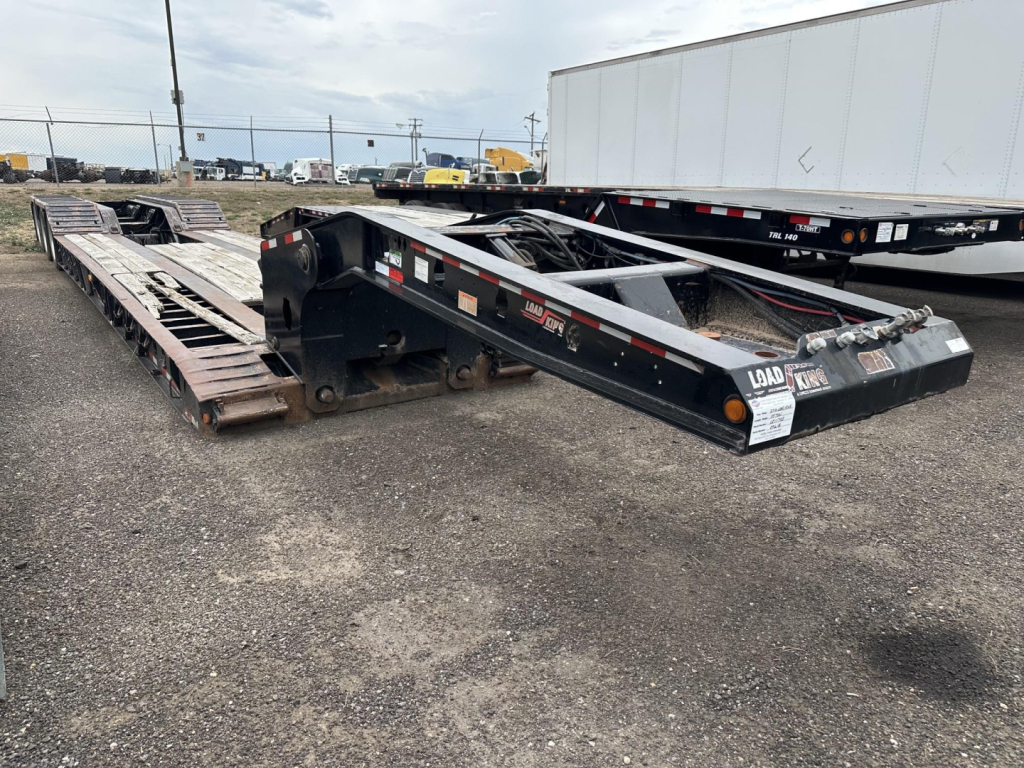
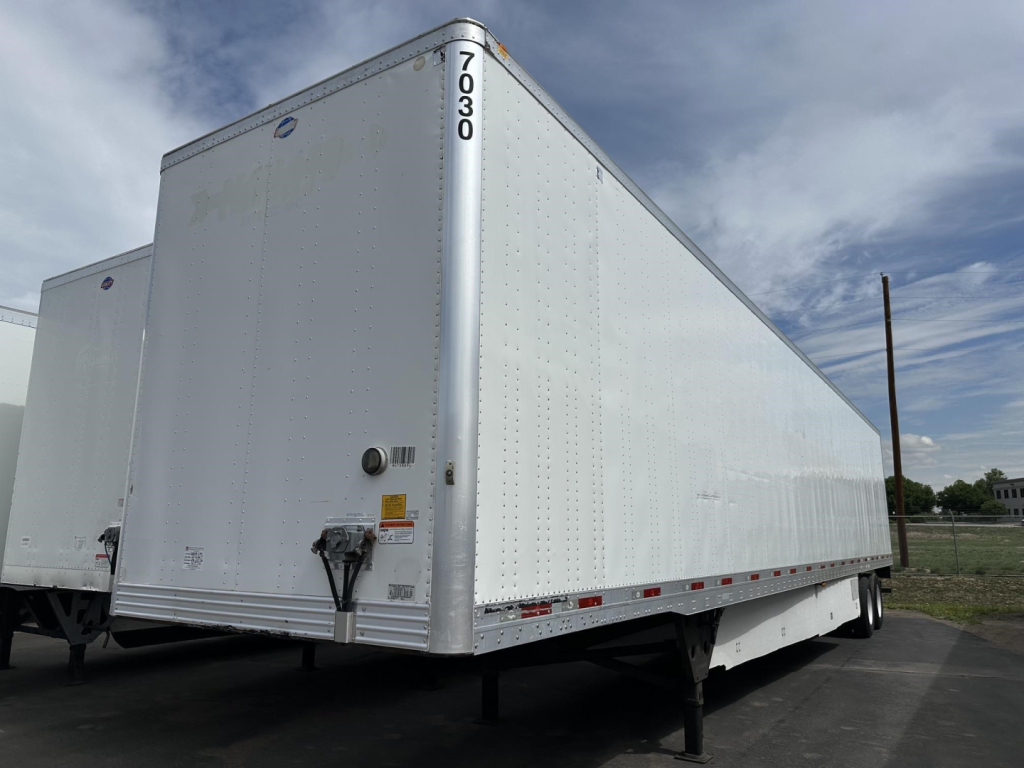
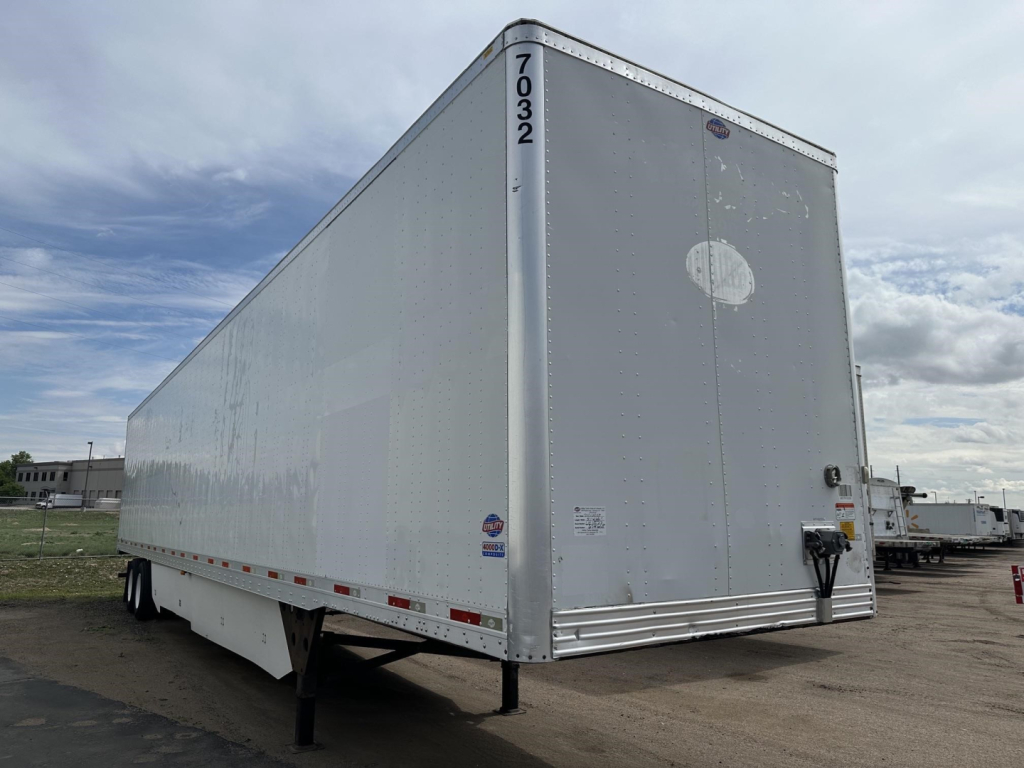

Selling a 2016 trailer? List your 2016 trailer for sale and reach thousands of commercial buyers.
2016 Trailers in Colorado
For van and reefer buyers, common 2016 specs include 53-foot length, 102-inch width, air ride or spring ride suspension, sliding tandems, roll-up or swing doors, wood floors, scuff liners, E-track, and low-profile 22.5 tires. Reefer trailers from this model year are often judged as much by the refrigeration unit hours, service history, duct floor condition, and door seal integrity as by the trailer itself. Dry vans are typically evaluated around floor wear, roof integrity, rear frame condition, crossmember corrosion, and whether the trailer has logistics-ready features such as plywood lining, threshold plates, vents, and tire inflation systems. In Colorado, altitude and temperature swings also make seal condition, brake performance, and tire condition worth a close look.
For dump, flatbed, and drop deck trailers, a 2016 model year can offer a practical balance of price and remaining service life if the frame, suspension, and body are still sound. End dumps and scrap trailers should be checked for body cracks, tub wear, hoist stress, hinge condition, gate function, and signs of hard off-road use. Flatbeds and drop decks are often compared by deck material, main beam condition, winch track setup, stake pockets, pipe spools, and axle spread. Suspension type matters in Colorado because mountain grades, uneven jobsite access, and mixed highway use can favor air ride for cargo protection or more rugged setups for severe service. Tire size, wheel material, and brake type also affect long-term operating cost.
A smart 2016 trailer purchase comes down to matching the trailer’s prior duty cycle to the freight you plan to haul now. Look closely at GVWR, empty weight, cube or body capacity, interior height, landing gear condition, lighting, and any signs of prior structural repair. On refrigerated and enclosed trailers, water intrusion and floor wear matter. On open-deck and dump applications, frame alignment, suspension wear points, and body integrity matter more. Buyers sorting through 2016 trailers for sale in Colorado usually get the best result by narrowing the search to the trailer type first, then comparing condition, spec, and maintenance discipline across similar units.
Frequently Asked Questions about 2016 Trailers in Colorado
What should I inspect first on a 2016 used trailer?
Start with the frame, suspension, axle alignment, brakes, tires, and signs of structural repair. Those items tell you more about the trailer’s remaining service life than cosmetic appearance. On vans and reefers, check the floor, roof, rear frame, door operation, and water intrusion. On dump and open-deck trailers, focus on cracks, crossmembers, suspension hangers, hoist or hinge areas, and evidence of heavy off-road or overload use.
Is a 2016 trailer too old for fleet use?
Not necessarily. A 2016 trailer can still fit fleet service if it has a solid maintenance history, current DOT-ready condition, and specs that match the intended freight. Age matters less than application, structural condition, and repair quality. Many buyers target this model year because it can deliver lower acquisition cost while still offering common modern features such as air ride, sliding tandems, tire inflation systems, LED lighting, and logistics-friendly interior setups.
What trailer types are common in the 2016 model year?
The 2016 market commonly includes dry van, reefer, flatbed, drop deck, end dump, and scrap configurations. Dry vans and reefers are usually seen in 53-foot lengths with 102-inch width. Flatbeds and drop decks vary more by deck length, axle spacing, and tie-down equipment. Dump trailers are often compared by body material, cubic yard capacity, side height, frame design, and gate style.
What matters most when buying a 2016 reefer trailer?
The refrigeration unit condition is a major factor, including engine hours, run hours, service records, and temperature performance. Buyers should also inspect the duct floor, insulation condition, door seals, stainless front and rear components, interior lining, and any evidence of moisture damage. A reefer with a sound box but a neglected unit can turn into a costly purchase quickly, so trailer and unit condition should be evaluated together.
Are Colorado operating conditions hard on used trailers?
They can be. Mountain grades, winter road treatment, temperature swings, and rough access roads can accelerate wear on brakes, tires, suspension components, wiring, seals, and rear frame areas. Buyers in Colorado often pay closer attention to corrosion underneath the trailer, brake performance on grades, tire condition, and how well the trailer tracks under load. Application-specific wear is especially important if the trailer has seen construction, aggregate, oilfield, or heavy regional service.