
2016 Trailers For Sale
Browse 2016 trailers for sale, including dry vans and flatbeds. Compare specs, suspension, lengths, floors, doors, and trailer condition.
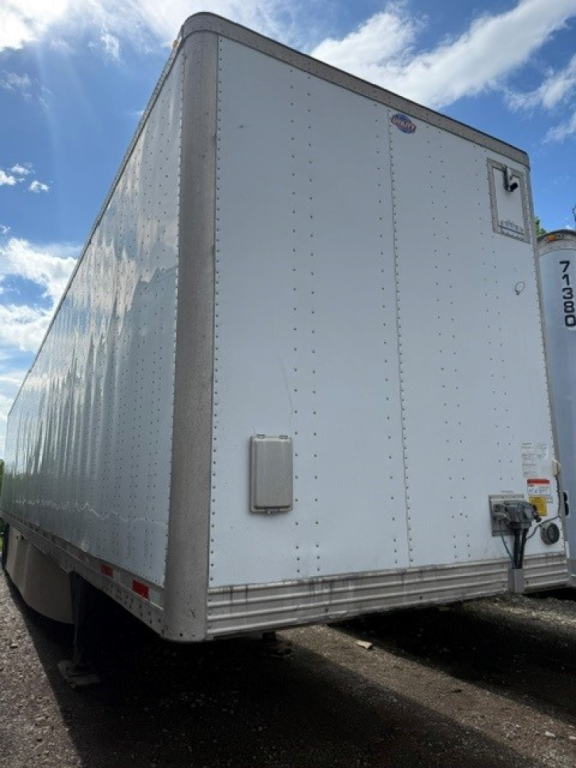
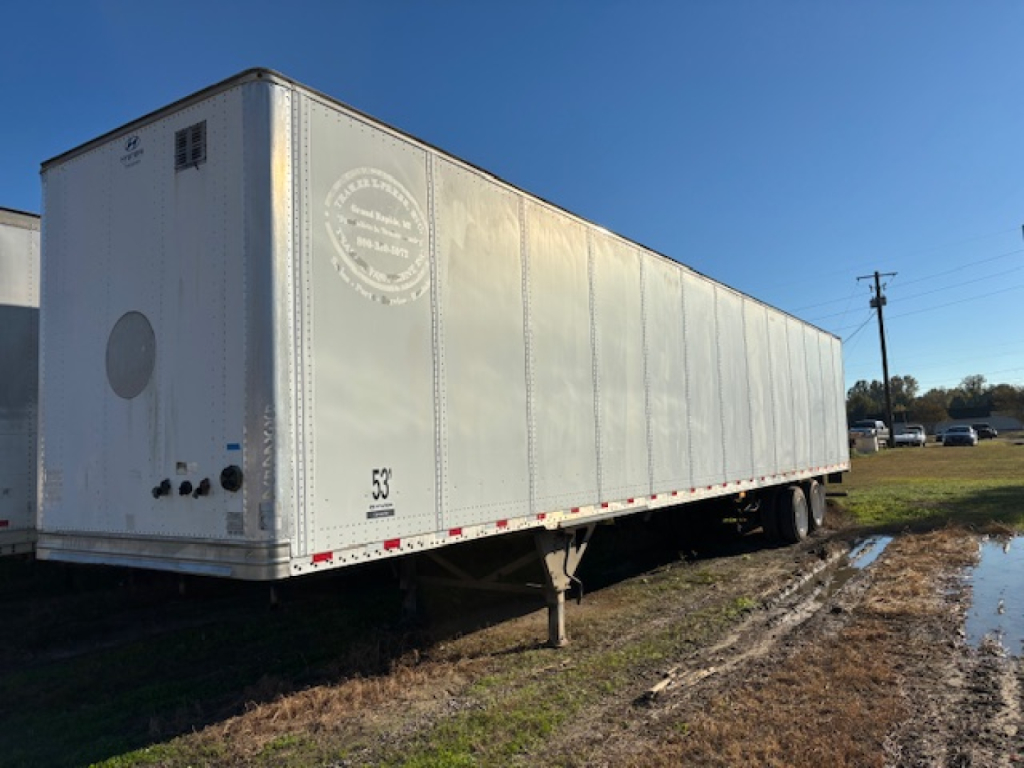
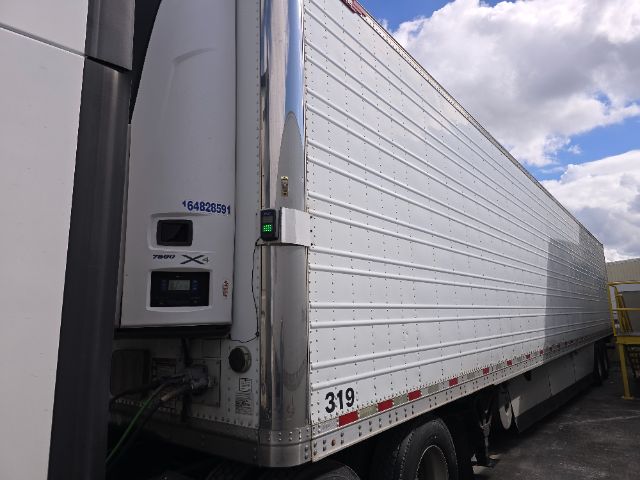
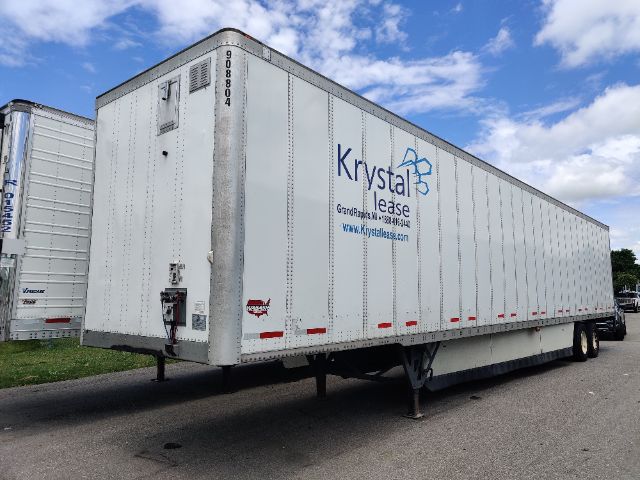
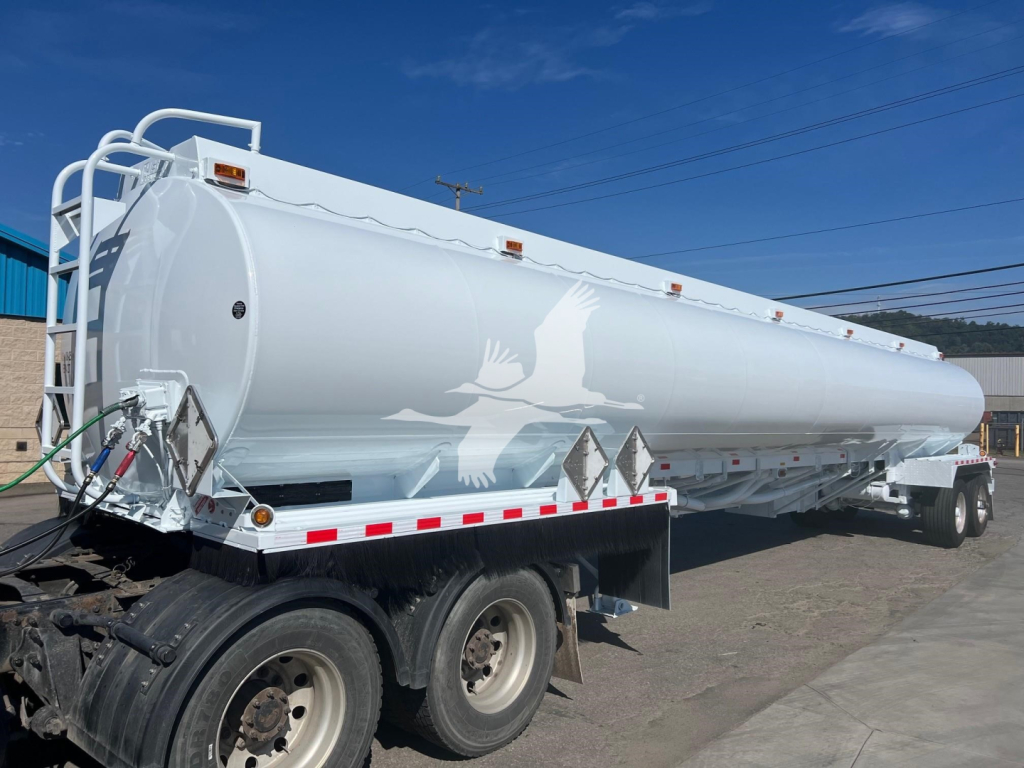
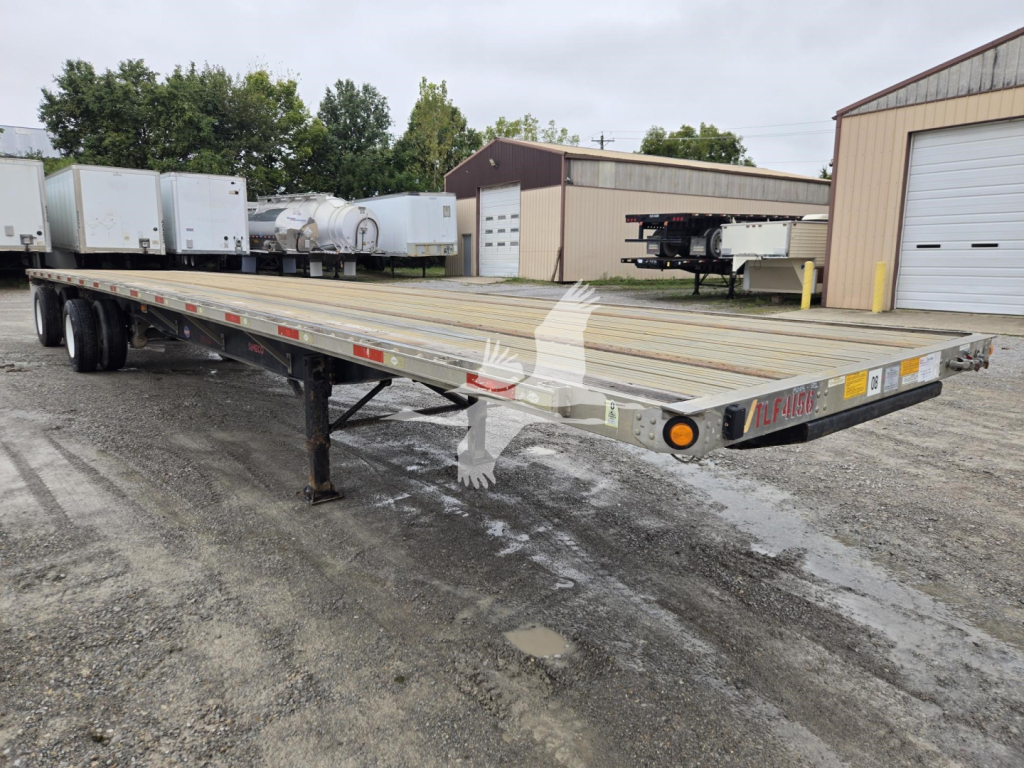
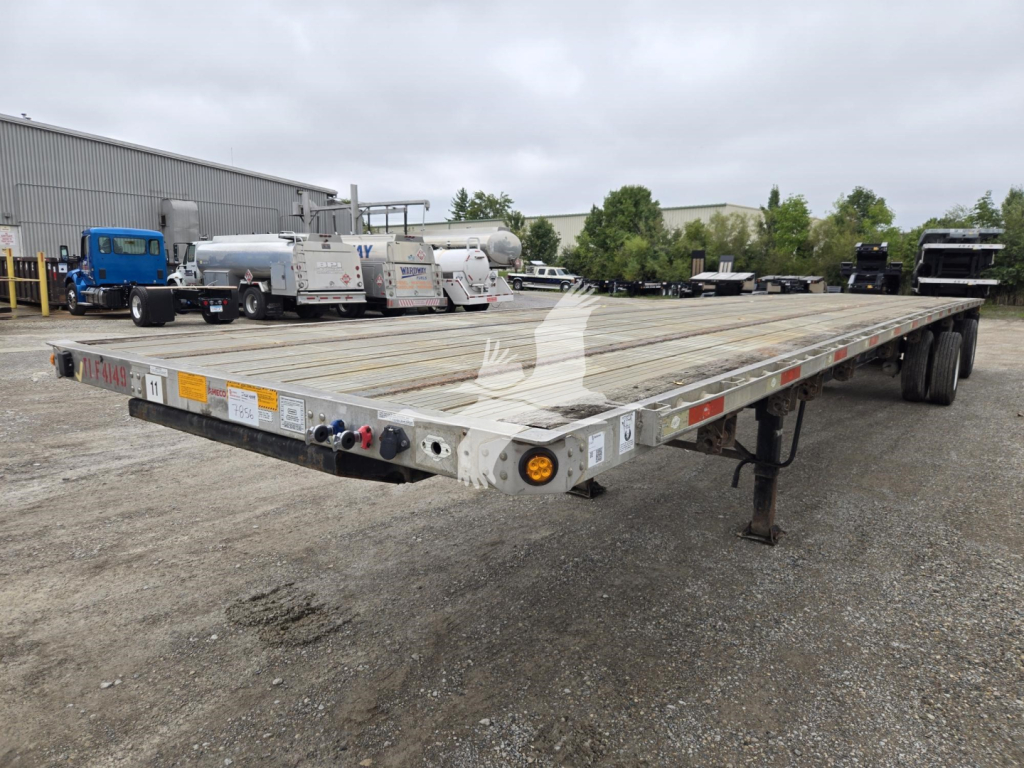
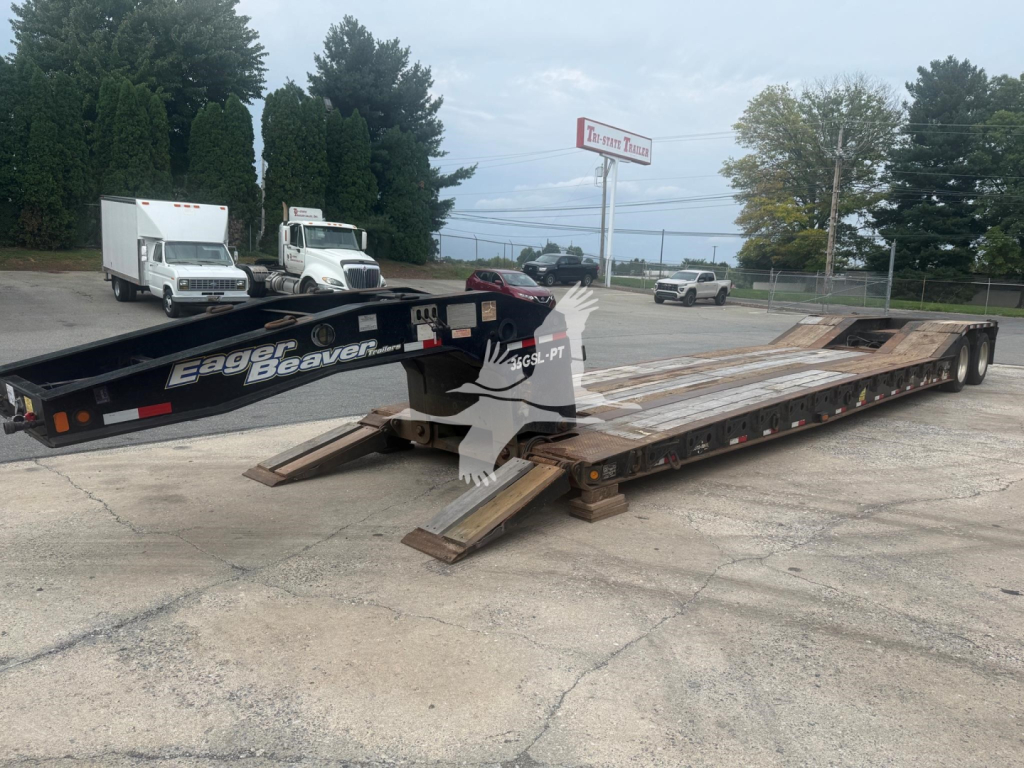
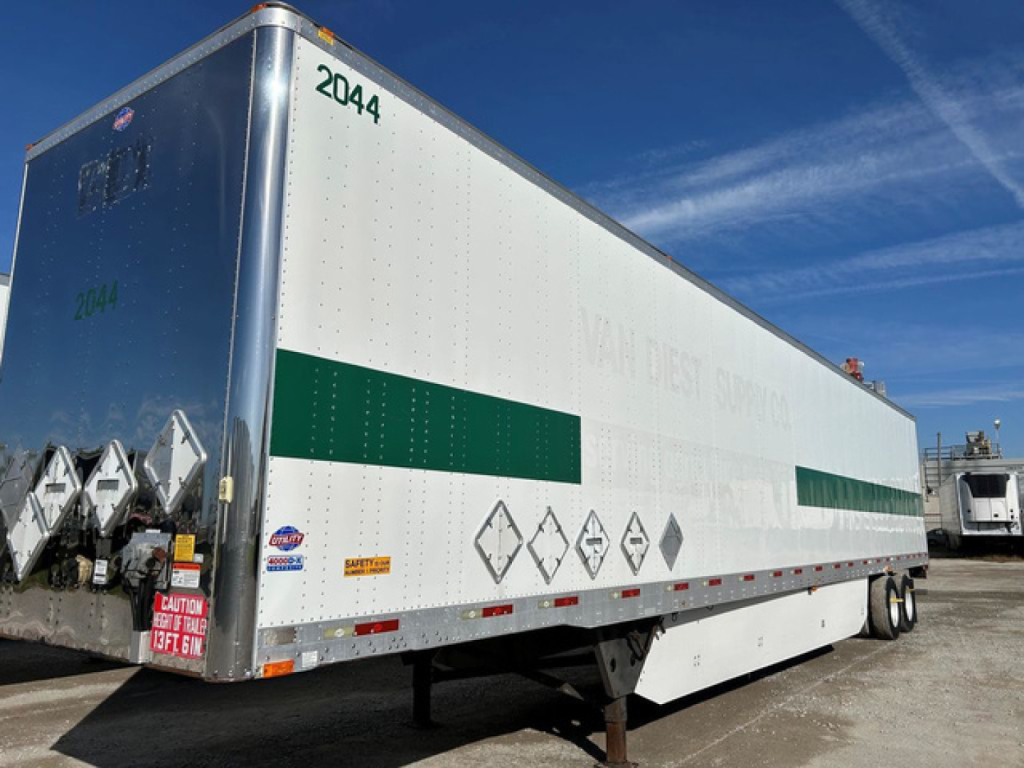
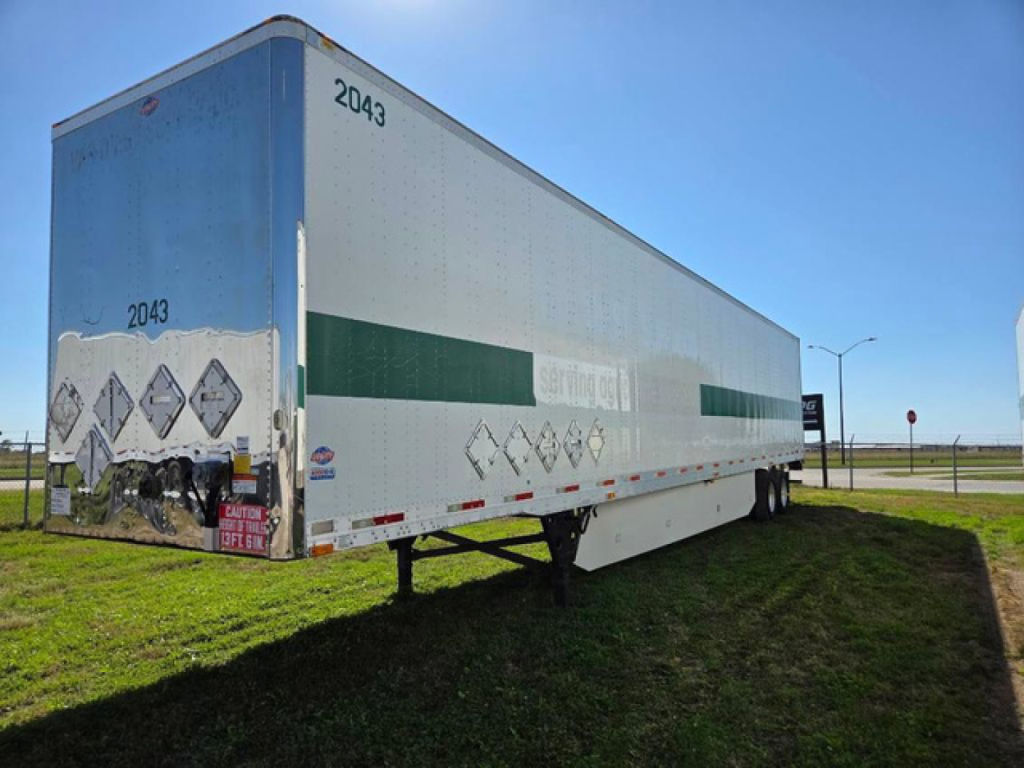
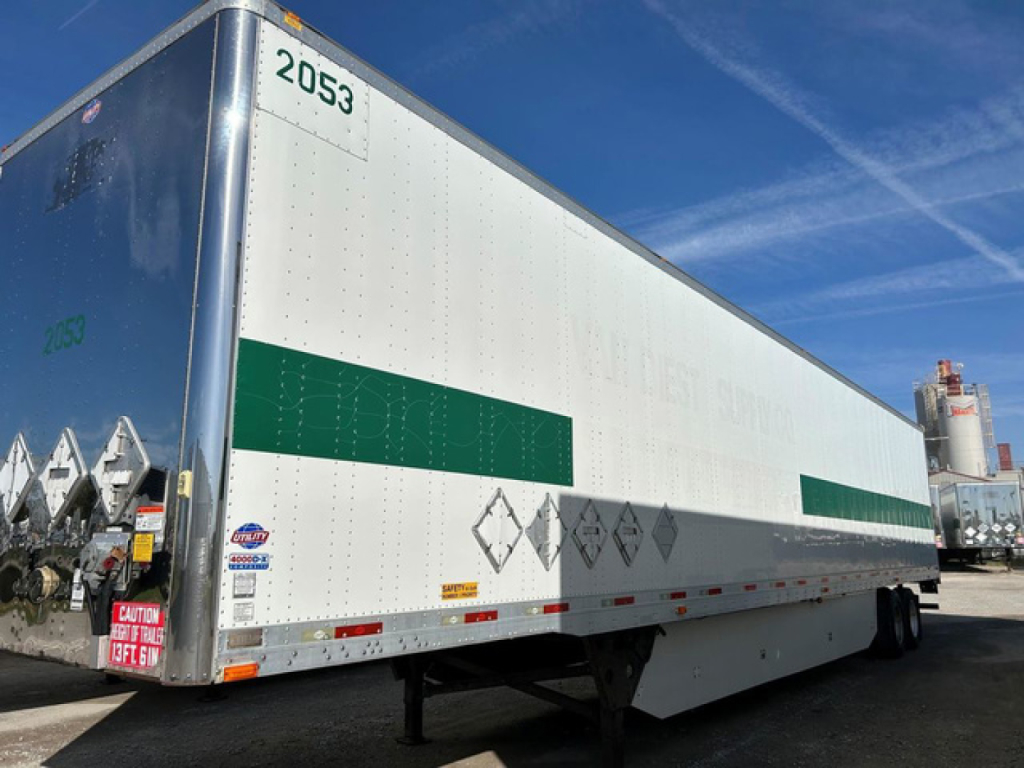
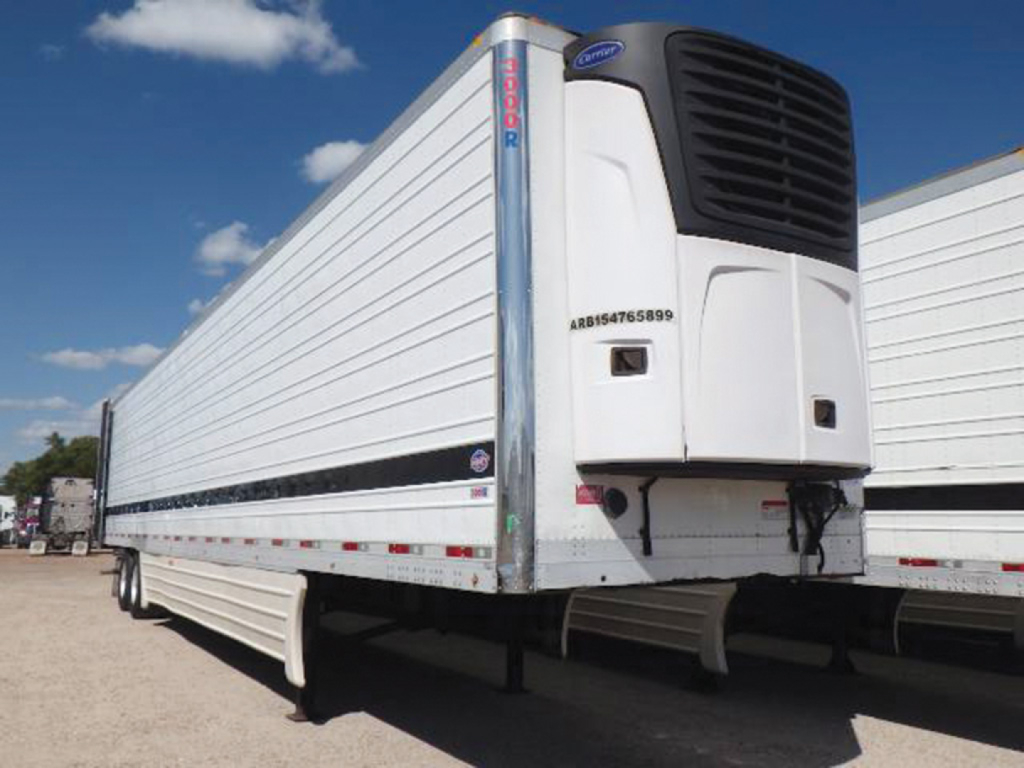
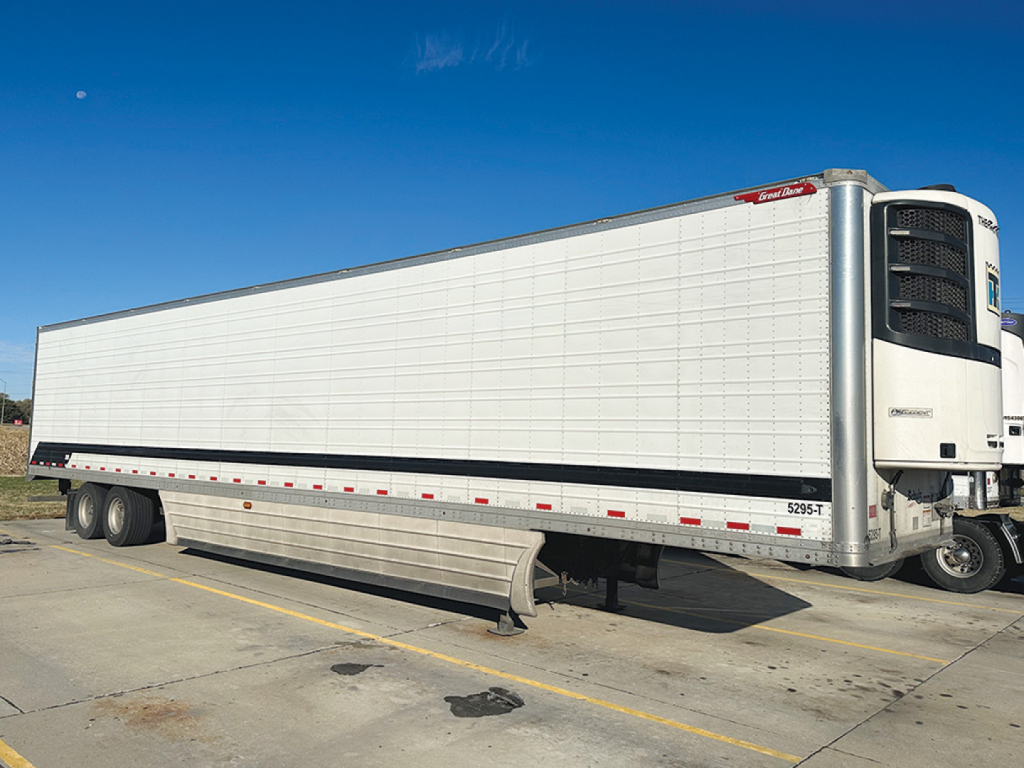
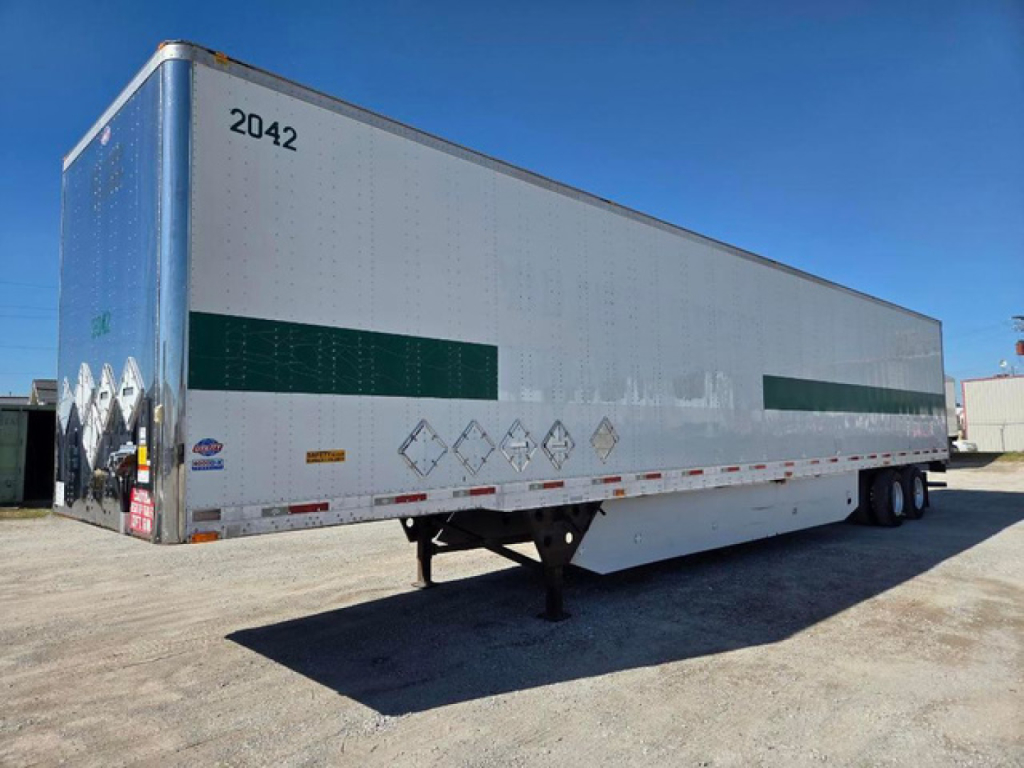
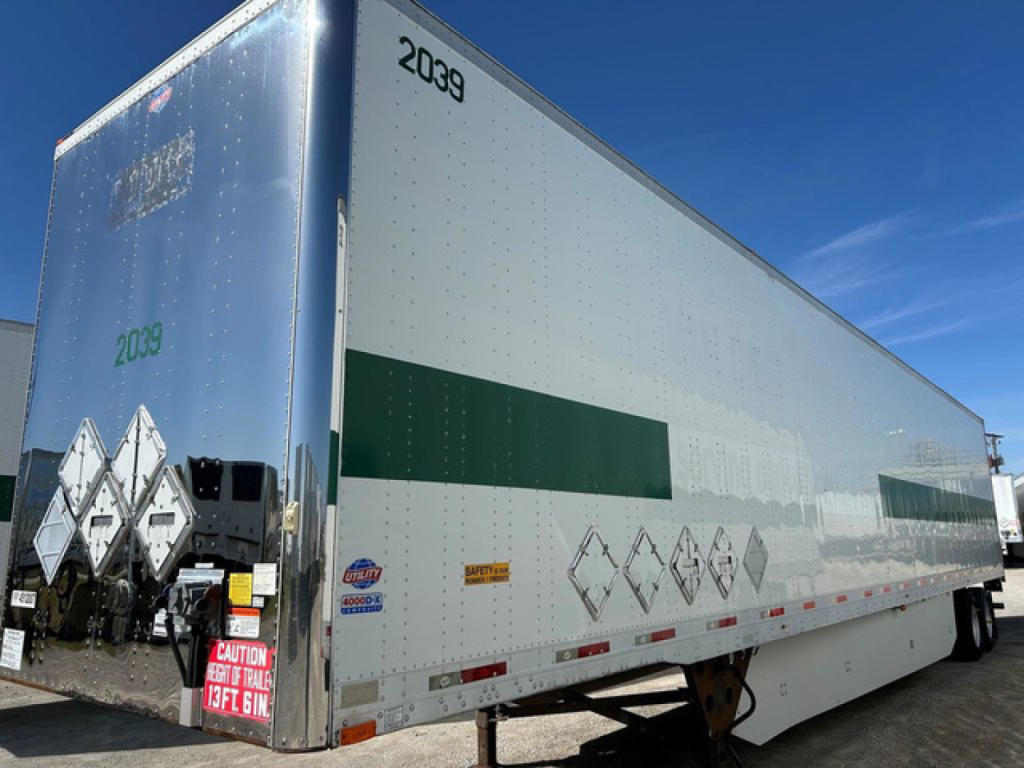
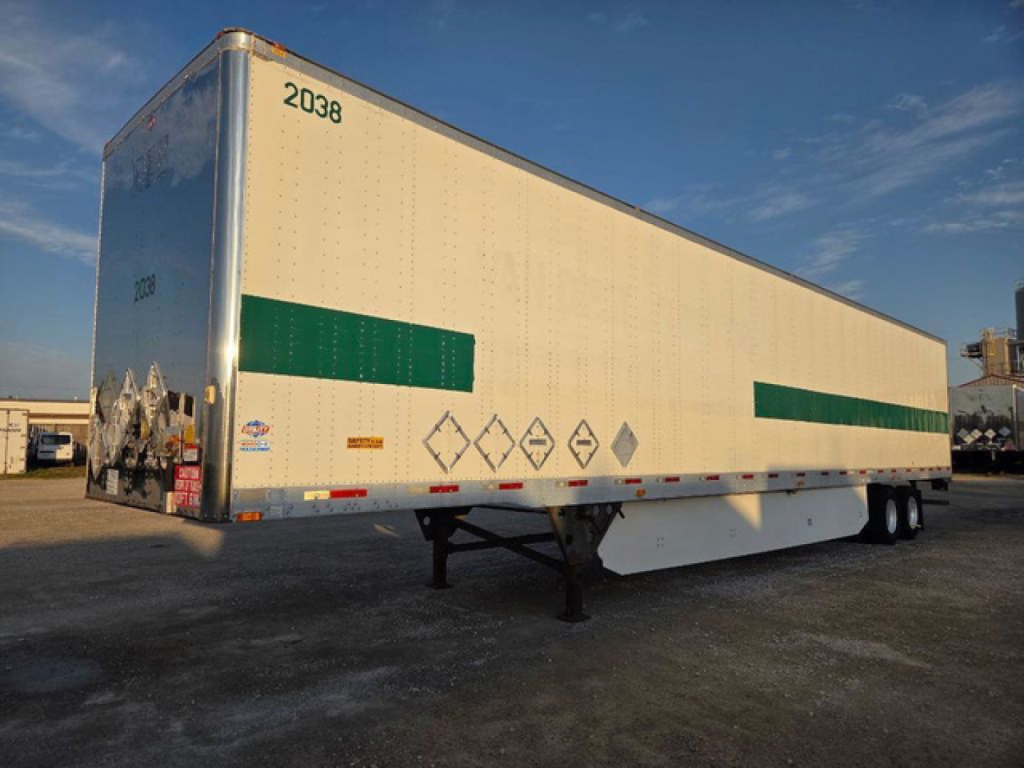
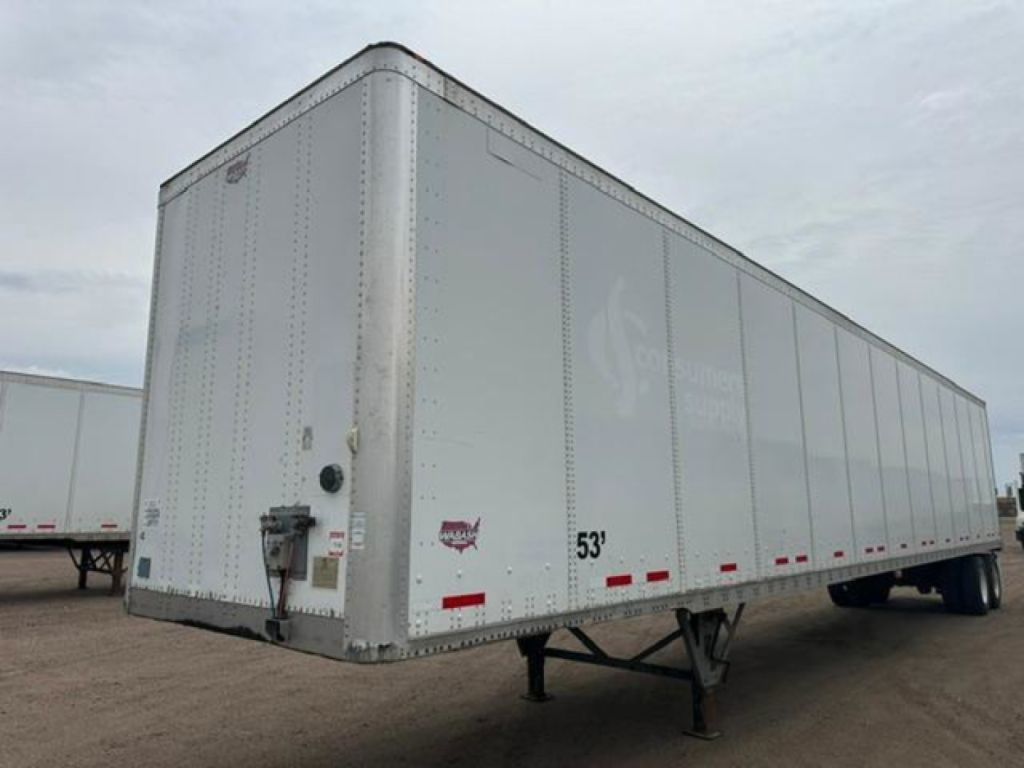
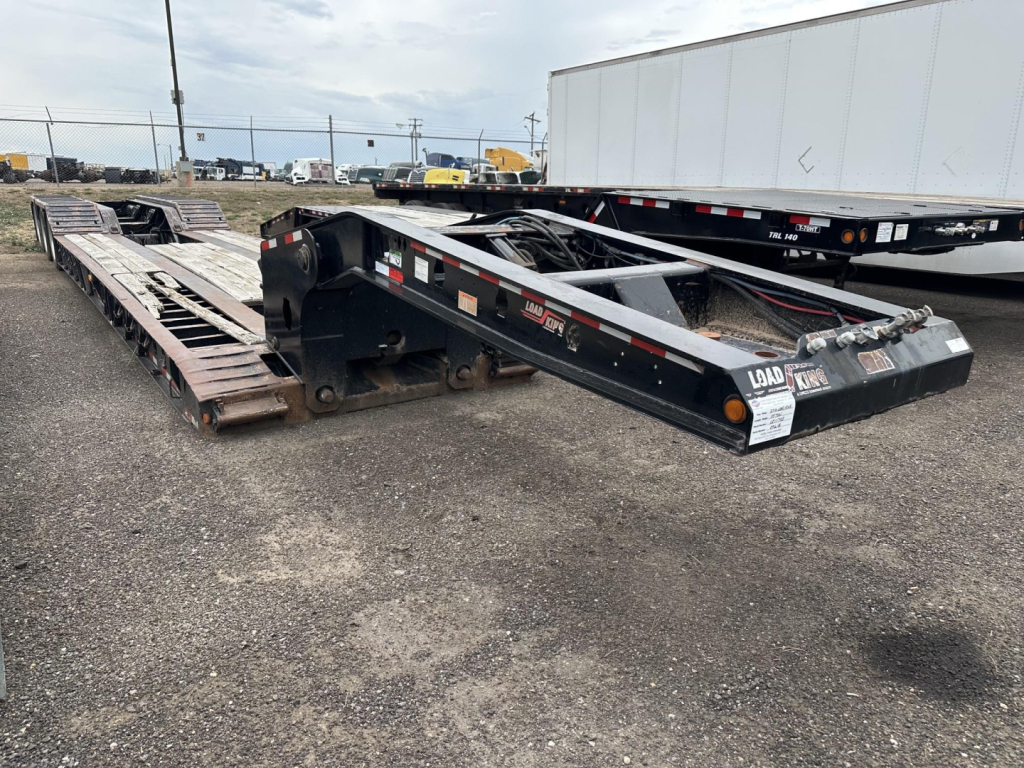
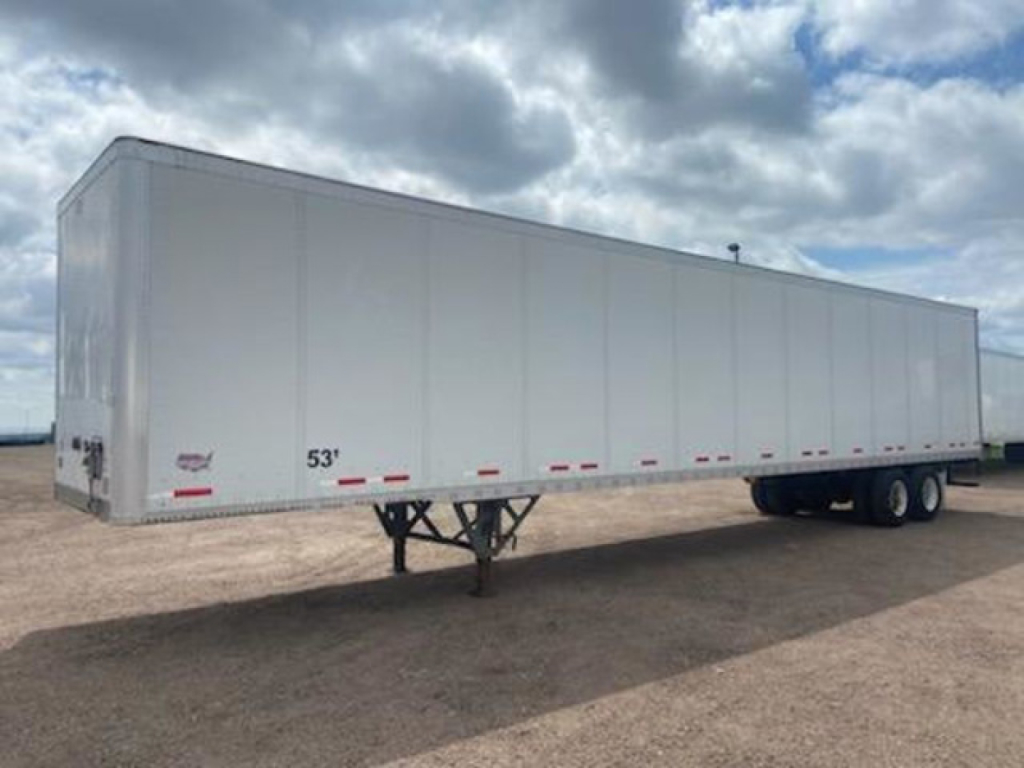
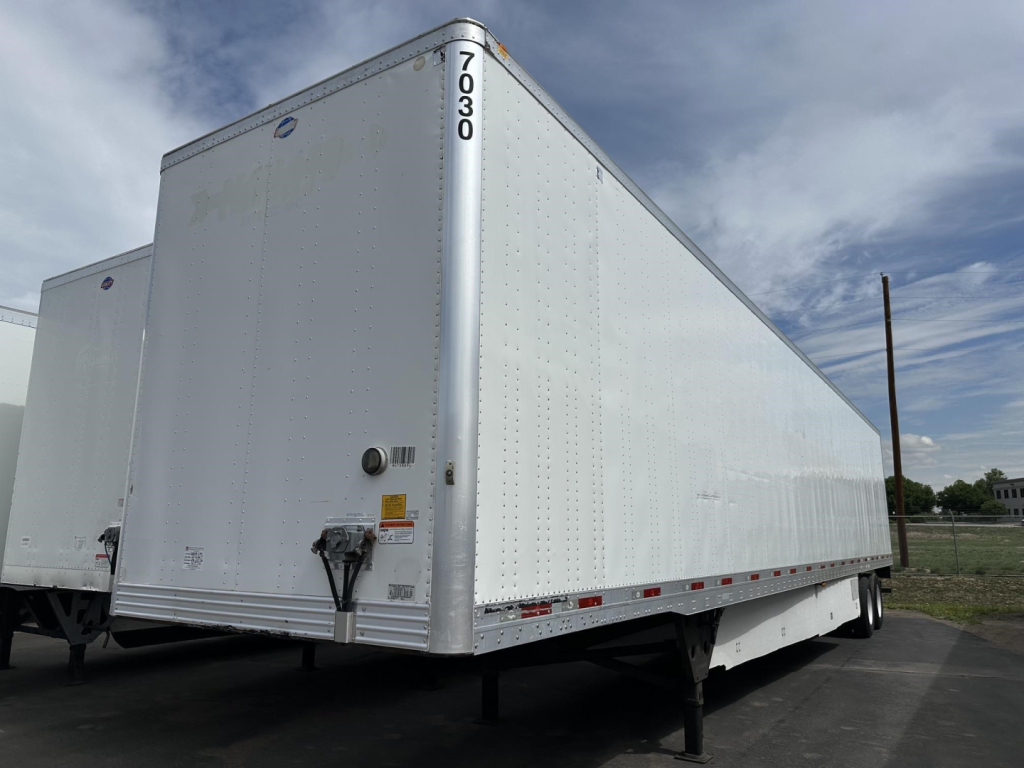
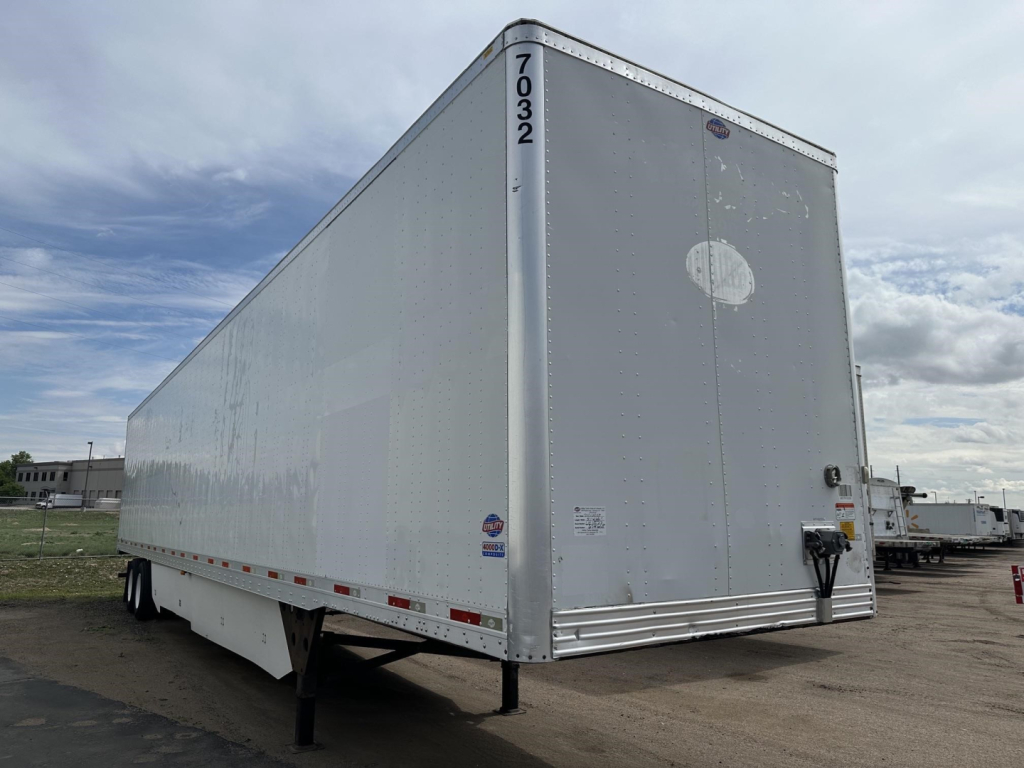
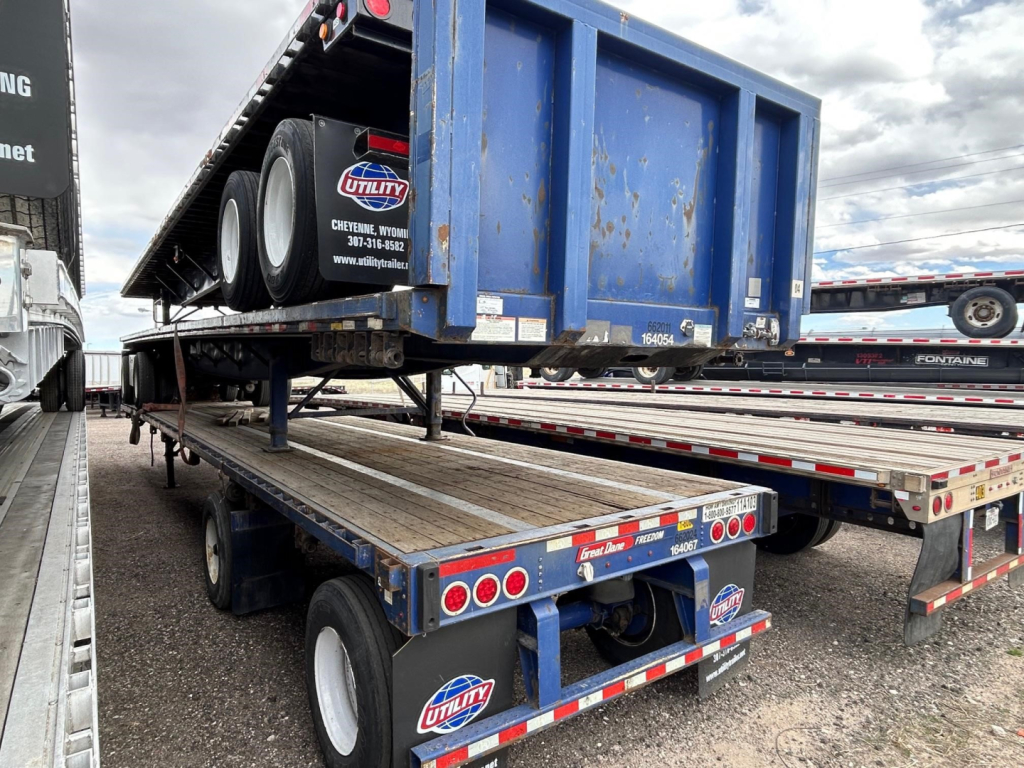
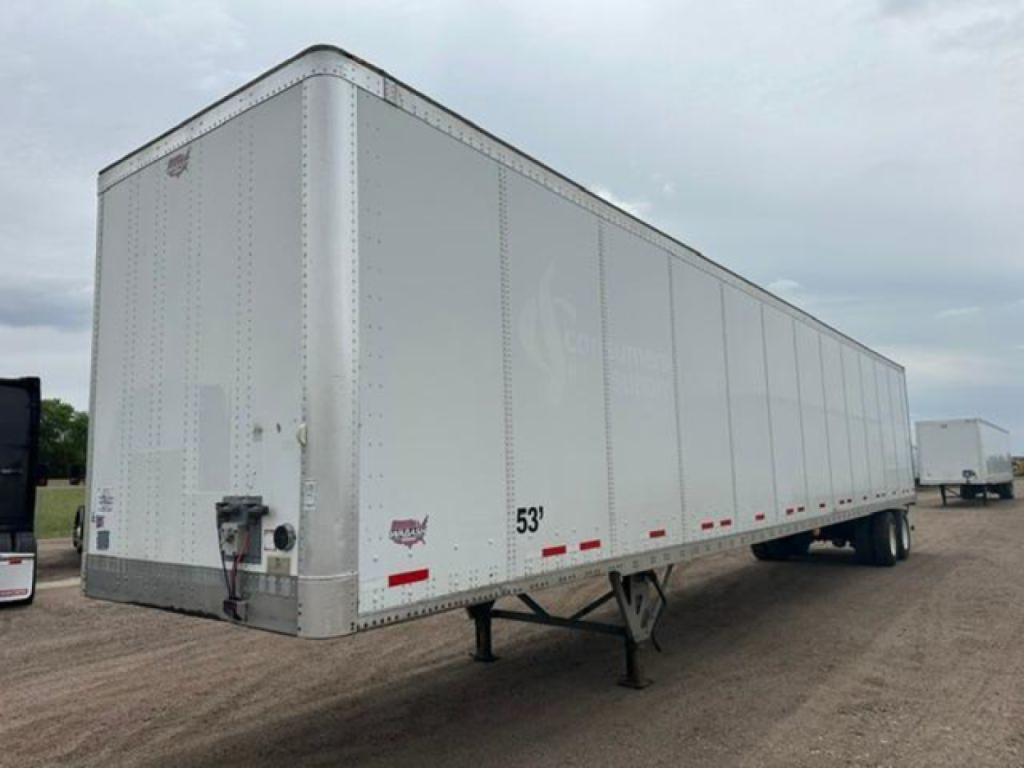
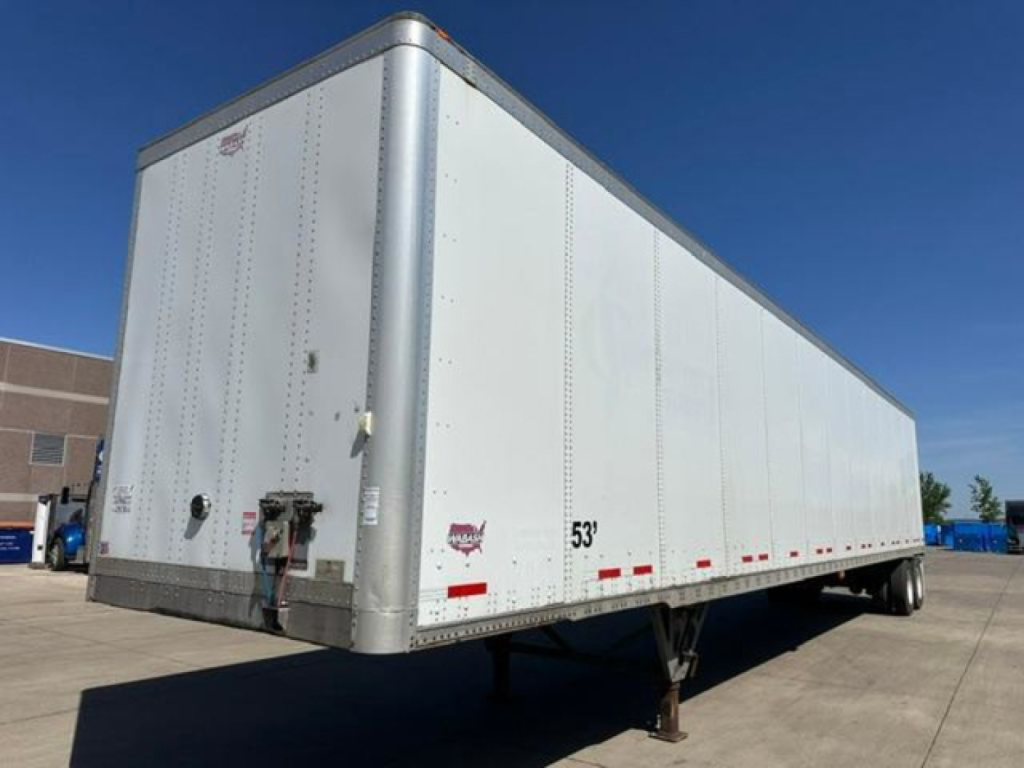
Showing 1 to 28 of 71 results
Selling a 2016 trailer? List your 2016 trailer for sale and reach thousands of commercial buyers.
2016 Trailers
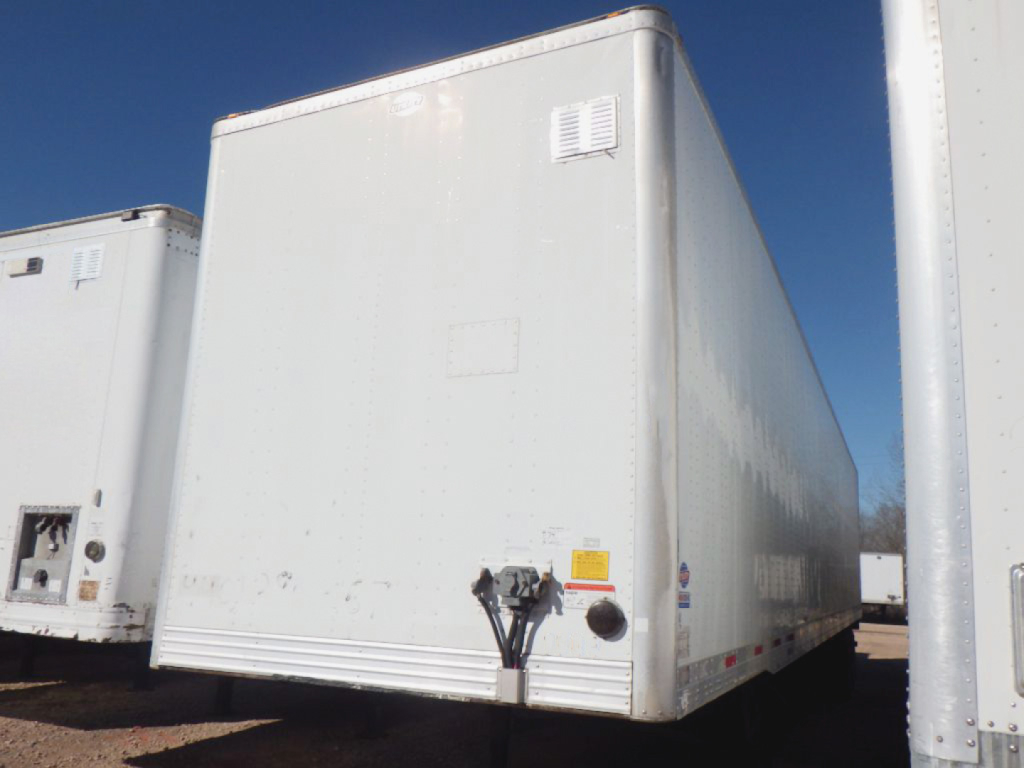
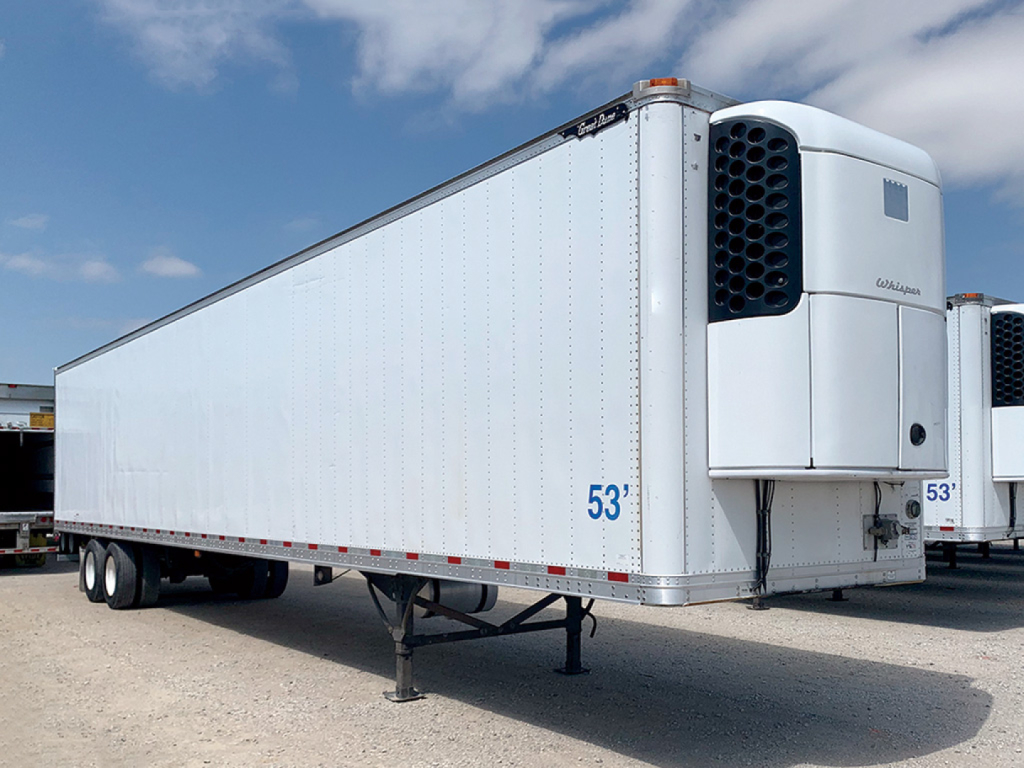
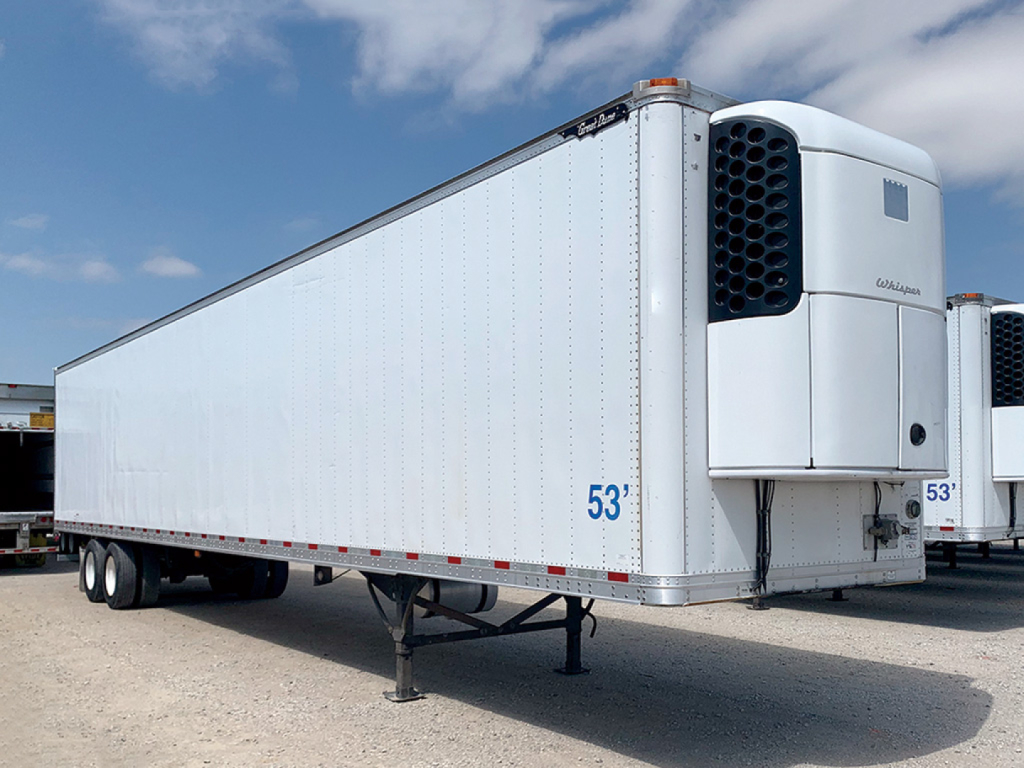
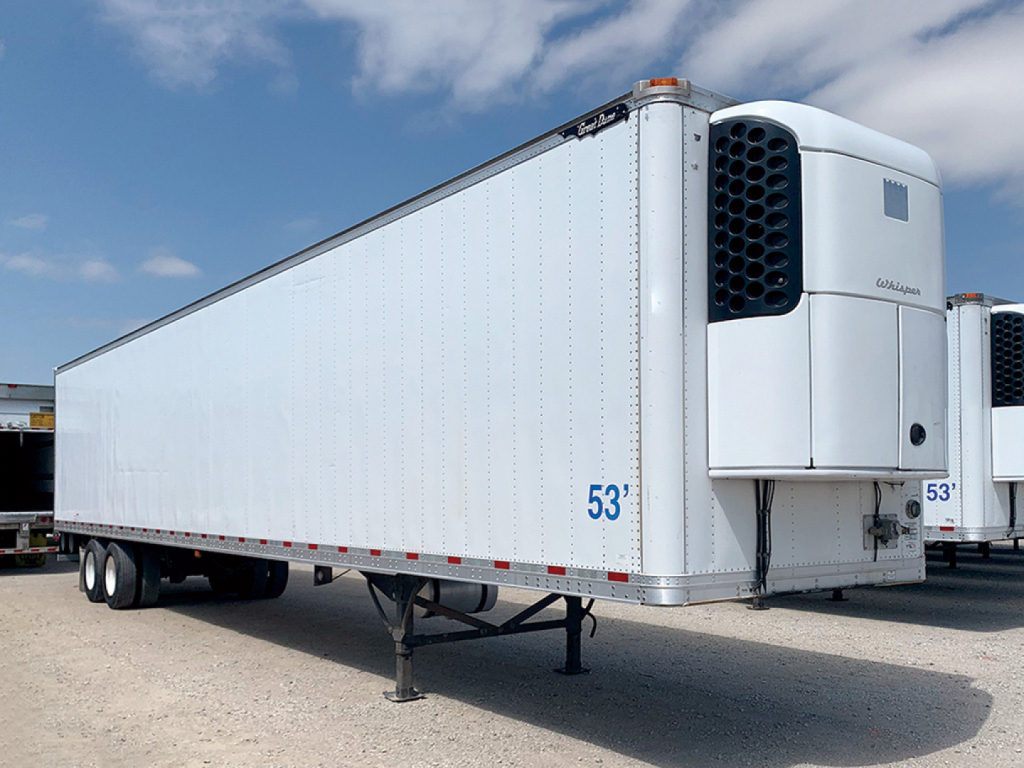
For 2016 van trailers, the common baseline is 53 feet long, 102 inches wide, and full legal road height, often with inside heights around 100 to 110 inches depending on body design. Many are equipped with wood floors, scuff liners or scuff plates, threshold plates, logistics posts or E-track, and either swing doors or roll-up doors. Air ride suspension and sliding tandems are typical and remain important for ride quality, axle scaling, and dock approach. Buyers moving packaged freight should look closely at interior wall condition, roof bow straightness, signs of forklift damage, and how well the logistics system matches the freight mix. Plywood lining, front and rear vents, and undertray storage can also add practical value depending on route structure and cargo handling.
A 2016 flatbed trailer, also known as an open deck trailer, needs a different inspection approach. Length, deck material, suspension type, and tie-down setup directly affect revenue use. Steel flatbeds in this year range may have apitong floors, winch tracks, sliding winches, side rails, spring ride or air ride suspension, and sliding tandem axle setups. Extendable flatbeds are especially useful for loads that do not justify a specialized beam or double-drop, but they need careful review at the extension points, locking mechanism, main beam condition, and deck alignment. On any flatbed, buyers should check for frame cracks, floor rot around fasteners, rub rail damage, landing gear wear, and evidence of repeated overloads.
For any used 2016 trailer, maintenance history and structural condition should carry the most weight. Tire age, wheel-end service records, brake type, bushing wear, ABS function, and the condition of lights, wiring, mud flaps, and DOT safety items can change the real cost of ownership quickly. Trailer specs should also match the lanes. A dry van with swing doors may suit linehaul better than a roll-up door trailer that gives up some cube, while a flatbed with spring ride may be acceptable in regional work but less desirable for sensitive cargo. The right 2016 trailer is the one whose floor, suspension, axle setup, and cargo system align with the freight you actually haul.
Frequently Asked Questions about 2016 Trailers
What should I inspect first on a 2016 used trailer?
Start with the structural items that are expensive to correct. On a van trailer, inspect the floor, crossmembers, rear frame, roof, sidewalls, and door frame for damage or repairs. On a flatbed, focus on the main beams, crossmembers, deck condition, rub rails, winch track, and any cracks near suspension hangers or extension points. After structure, move to suspension, brakes, wheel ends, tires, lights, and ABS operation. Cosmetic issues are usually less important than frame integrity and maintenance history.
Are 2016 dry van trailers still a good fit for general freight?
Yes, many 2016 dry vans remain well suited for general freight if they have been maintained properly. This model year commonly includes 53-foot vans with air ride, sliding tandems, wood floors, and logistics equipment such as E-track or logistics posts. Those specs still fit a broad range of dock freight, palletized goods, and route-based distribution. The key is to confirm the trailer's interior condition, floor strength, door seal integrity, and overall structural soundness rather than judging only by age.
What is the advantage of a 2016 extendable flatbed trailer?
An extendable flatbed gives more flexibility for longer freight without stepping immediately into a more specialized trailer category. It can handle standard deck work in the closed position and stretch for overlength loads when needed. That flexibility can improve utilization, but it also adds inspection points. Buyers should verify that the extension mechanism operates correctly, locking pins engage fully, the deck stays aligned through the extension range, and there is no excessive wear or cracking around the sliding sections.
Which suspension is better on a 2016 trailer, air ride or spring ride?
The best suspension depends on the freight and operating profile. Air ride is common on dry vans and many flatbeds because it generally provides a smoother ride, better cargo protection, and broad shipper acceptance. Spring ride is simpler and can be durable in demanding service, but it may transmit more road shock to the load. On a used 2016 trailer, the condition of the suspension matters as much as the type. Worn bushings, leaking air bags, bad shocks, or uneven ride height can create maintenance costs regardless of suspension design.
How important is a sliding tandem on a 2016 trailer?
A sliding tandem is highly important for weight distribution, bridge law compliance, and practical loading flexibility. On a 53-foot van, it helps position axle weight correctly for different freight densities and state requirements. On a flatbed, it can also help balance varying load lengths and axle group placement. When evaluating a 2016 trailer, make sure the slider rails, pins, and release mechanism work smoothly and show no signs of severe wear, damage, or corrosion that could make repositioning difficult.