
2016 Van Trailers For Sale
Shop 2016 van trailers with common dry van specs, construction details, tandem options, and features that matter for freight efficiency.
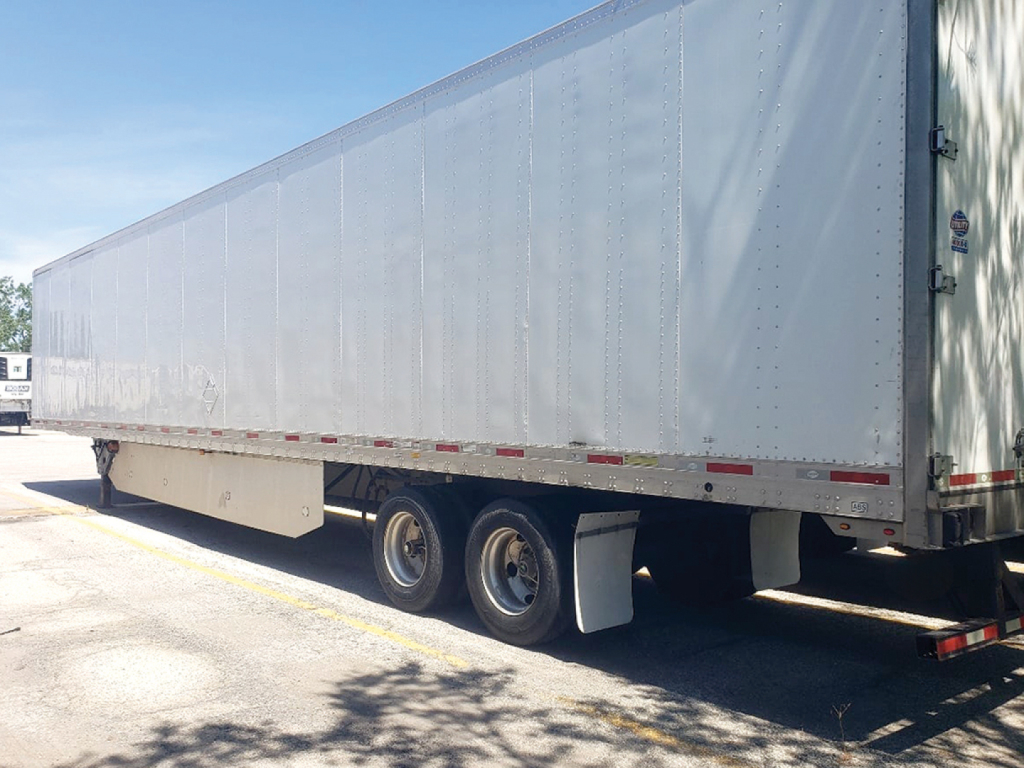
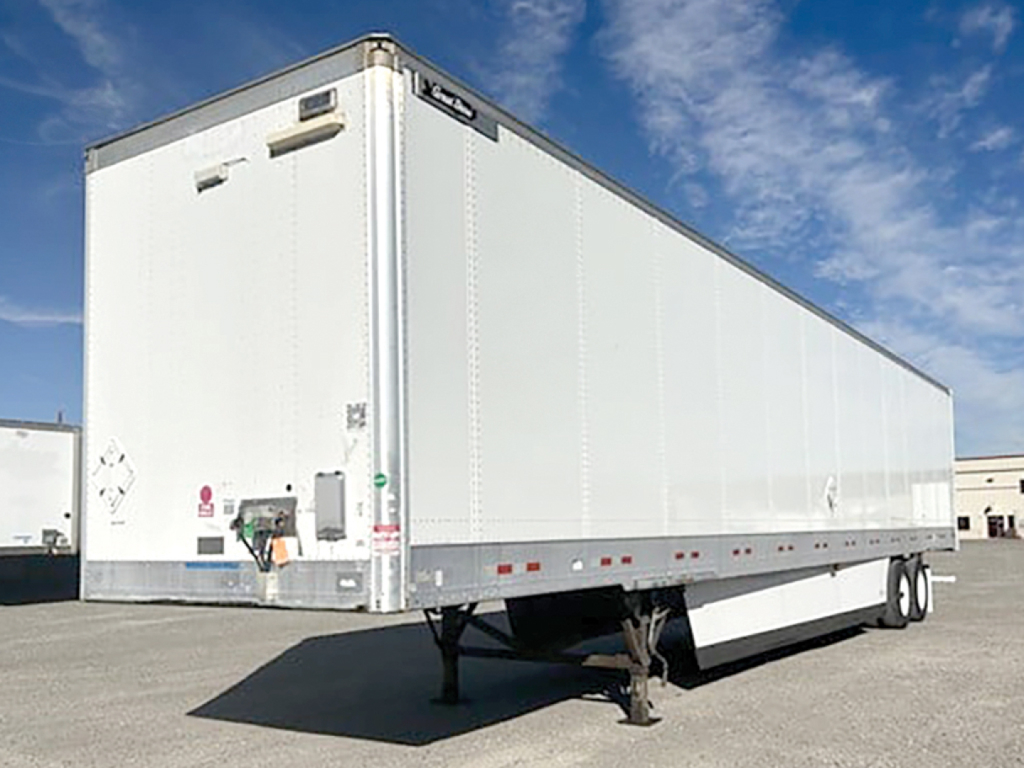
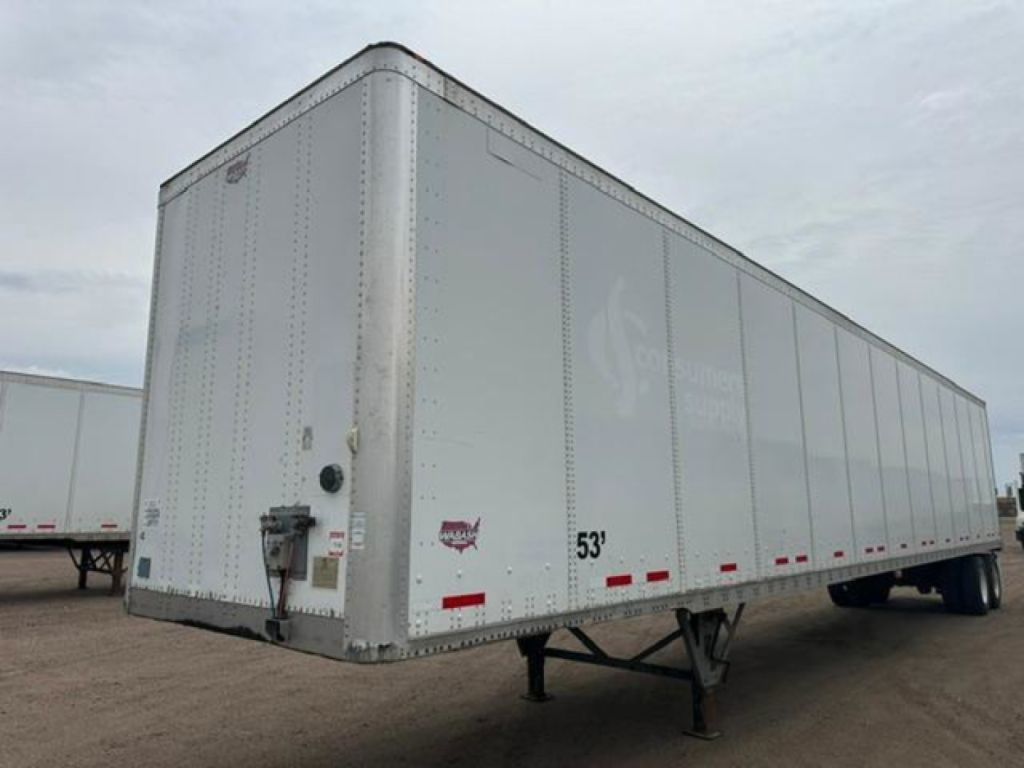
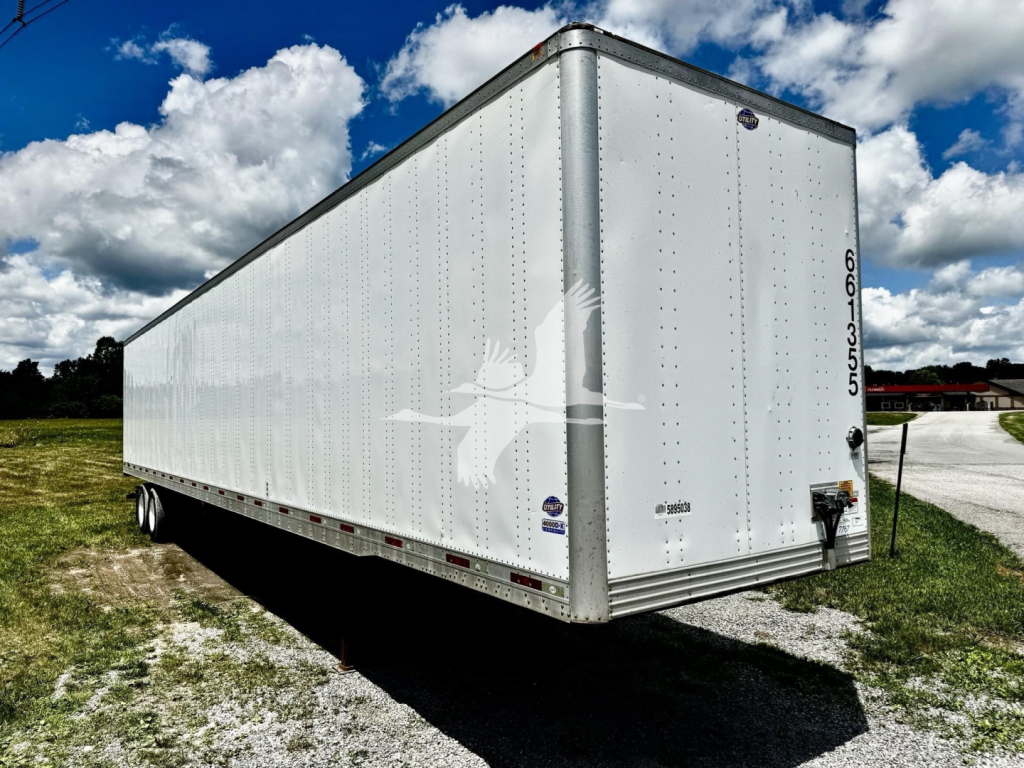
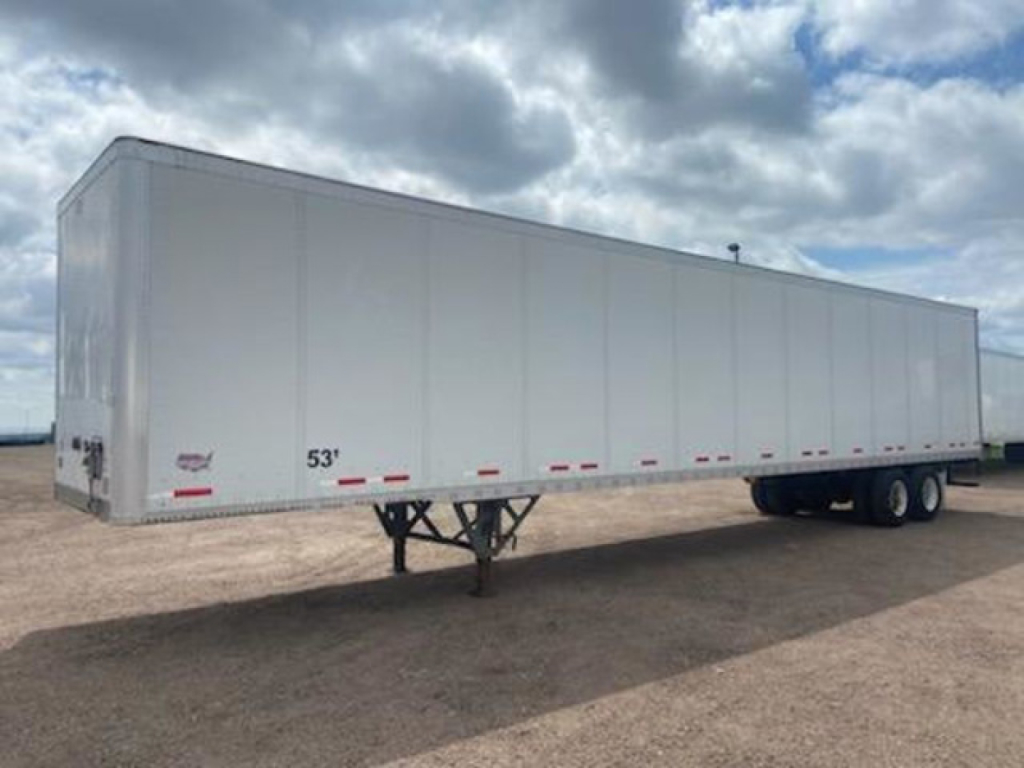
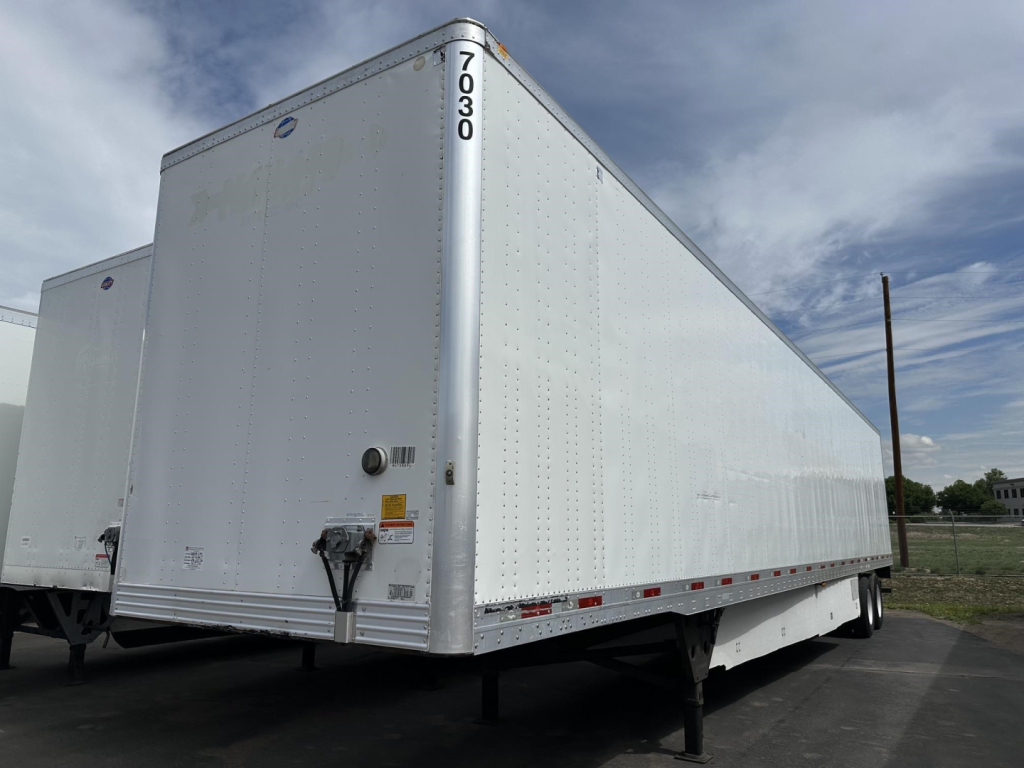
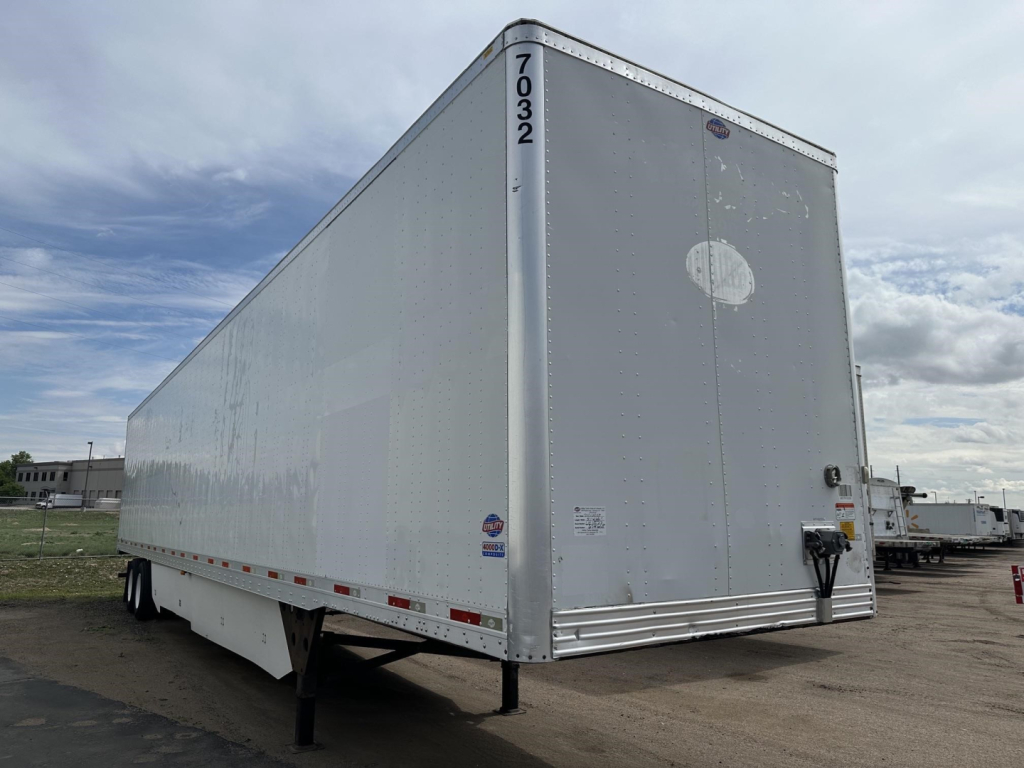
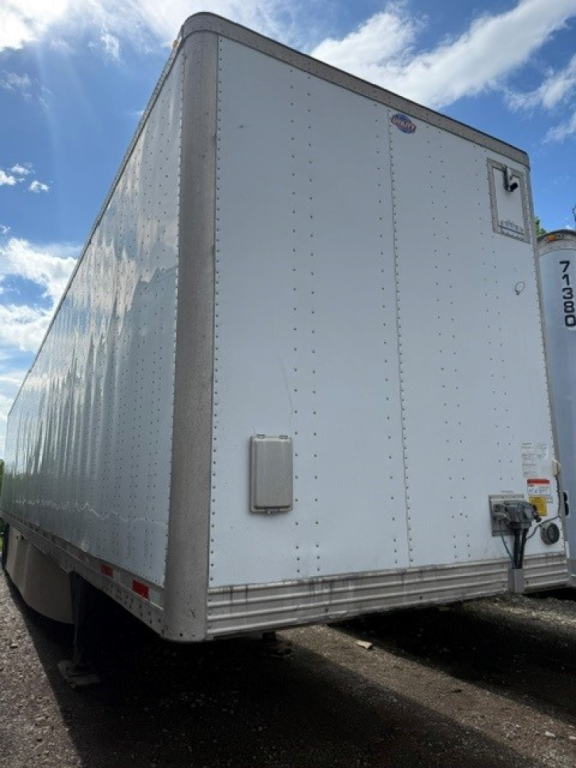
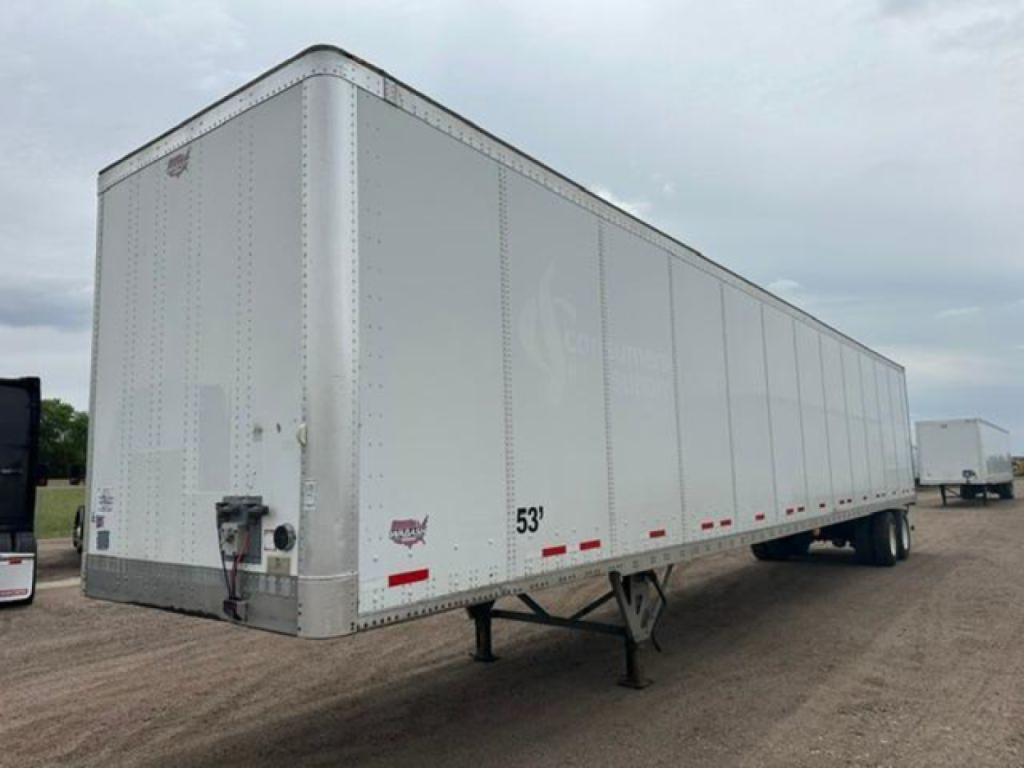
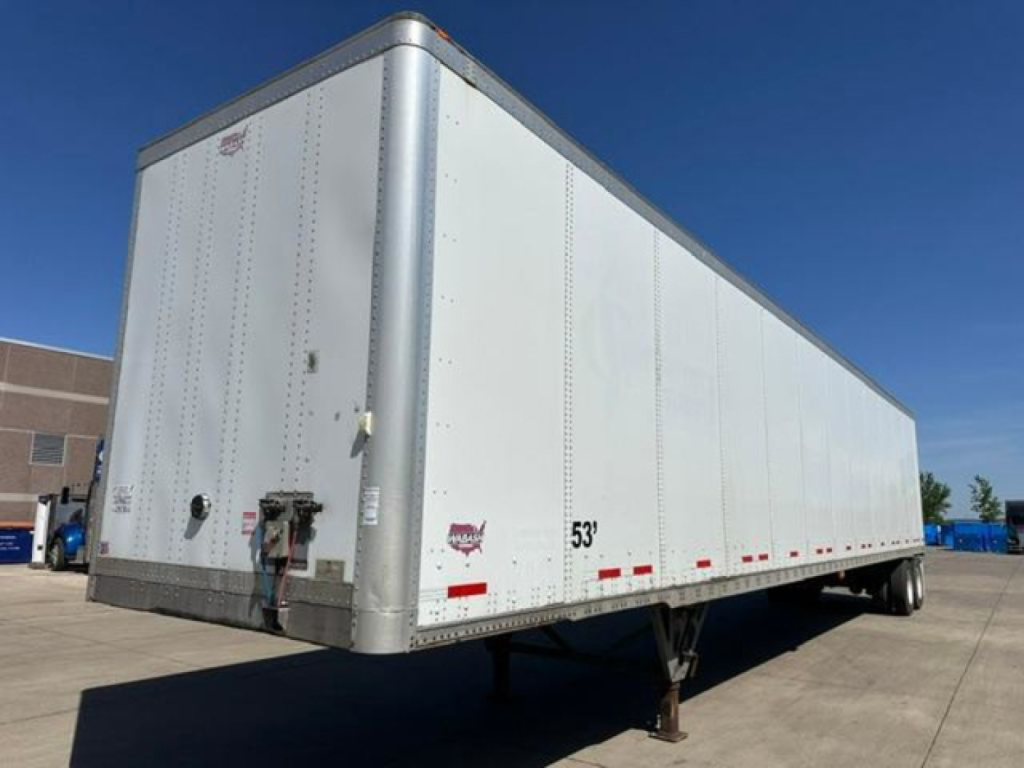
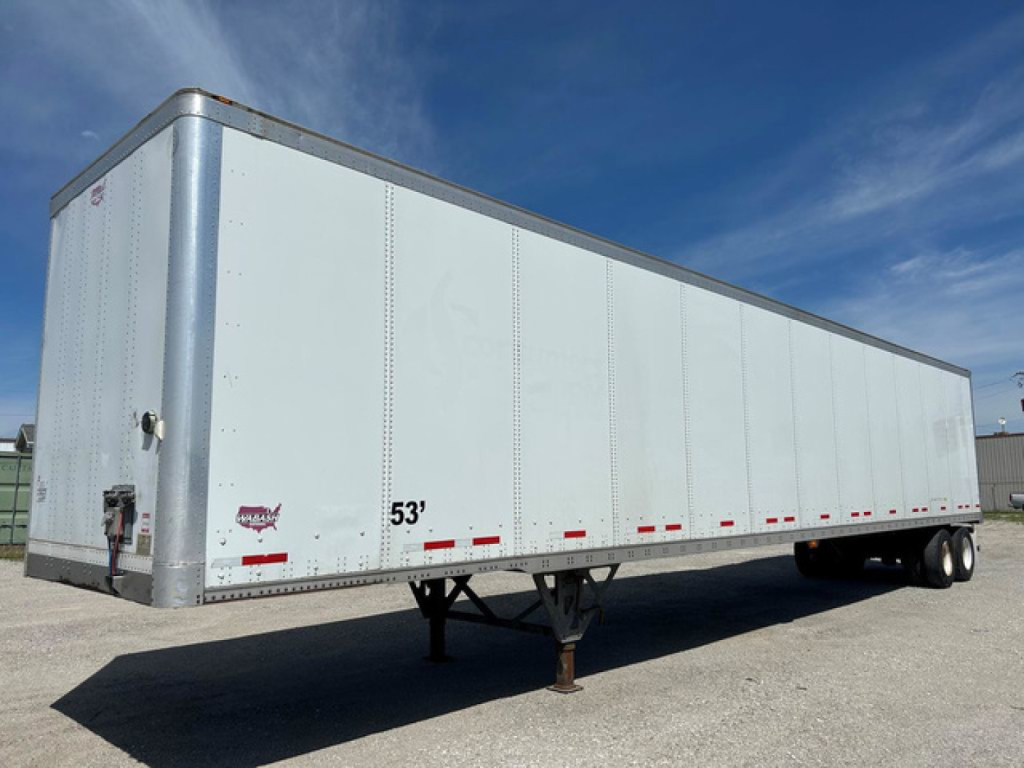
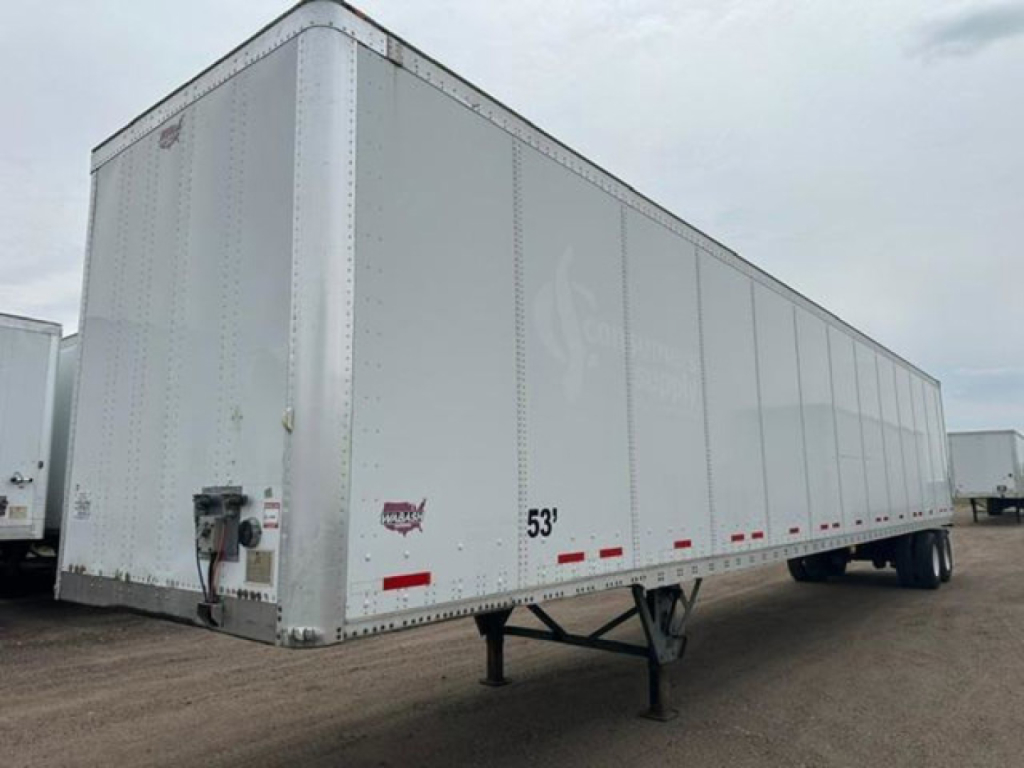
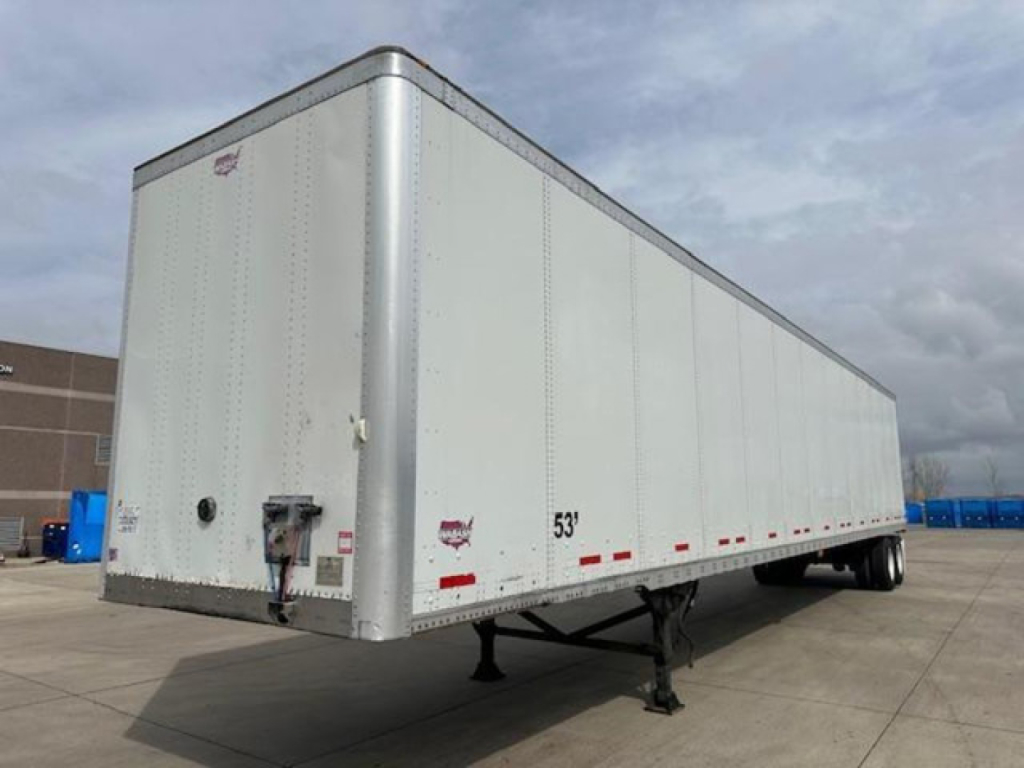
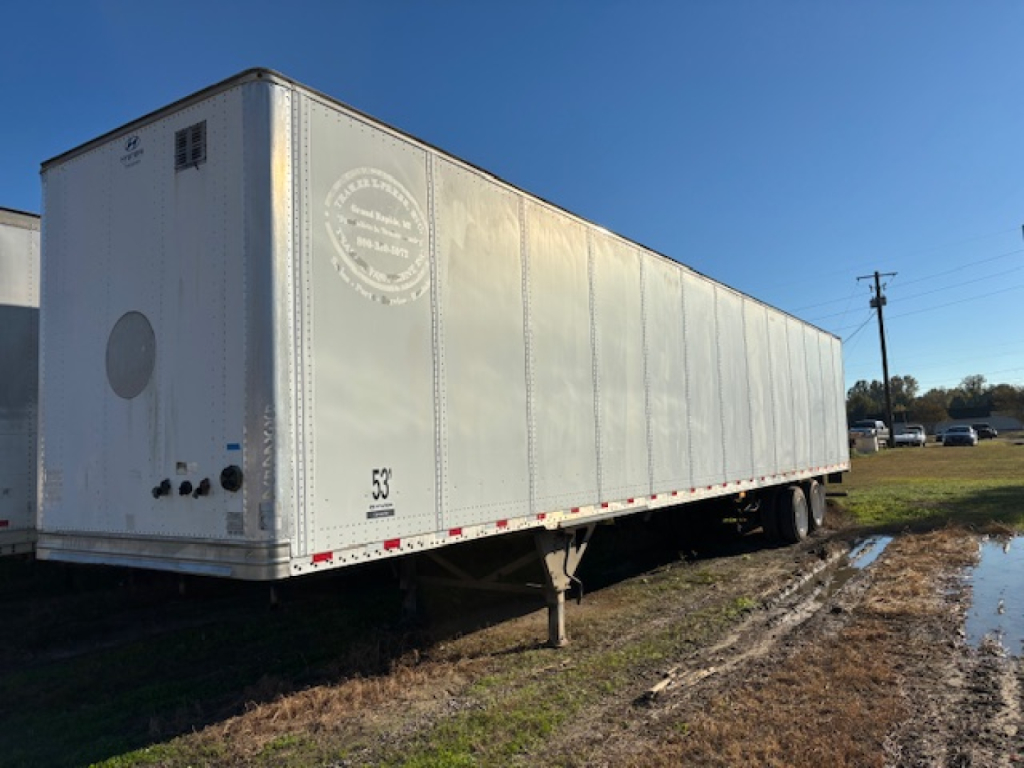
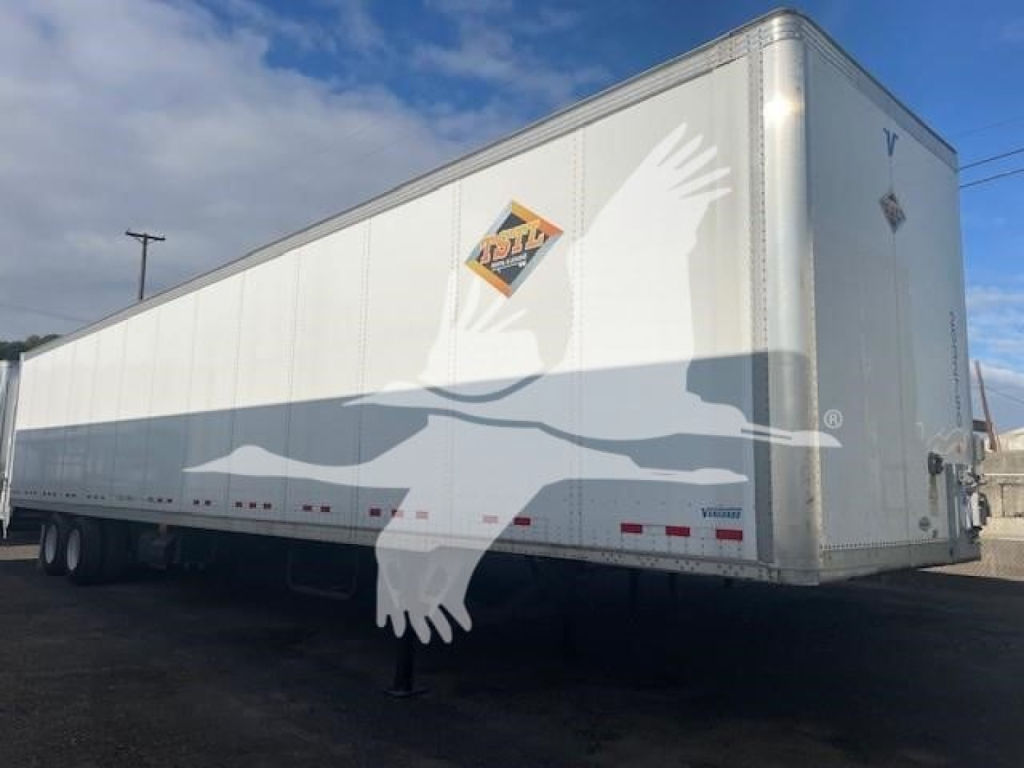
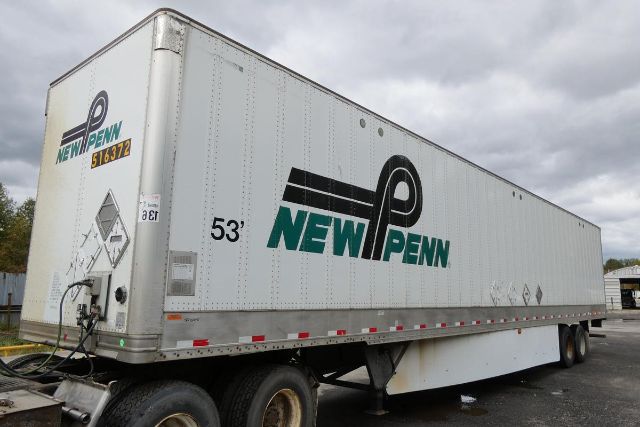
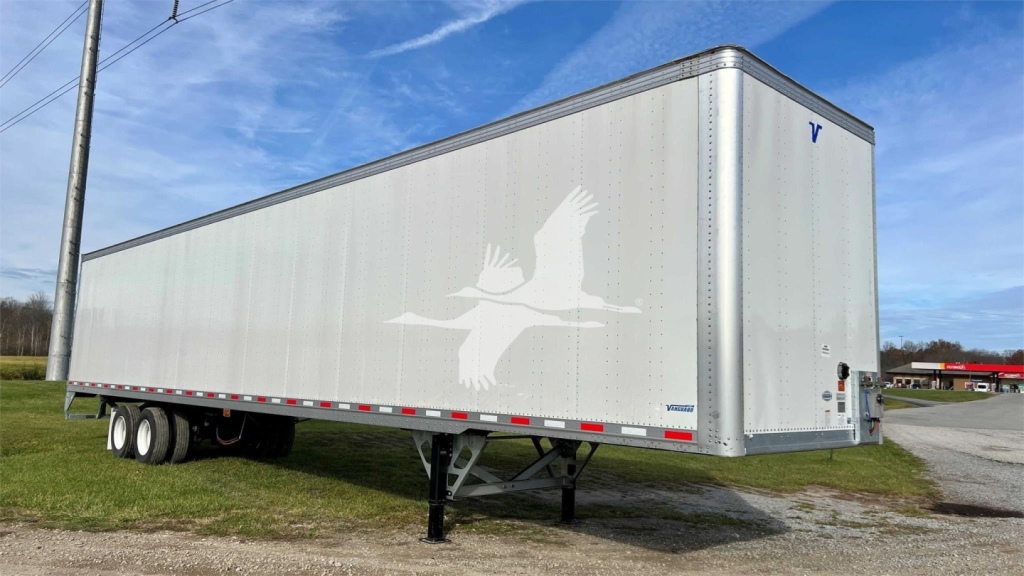
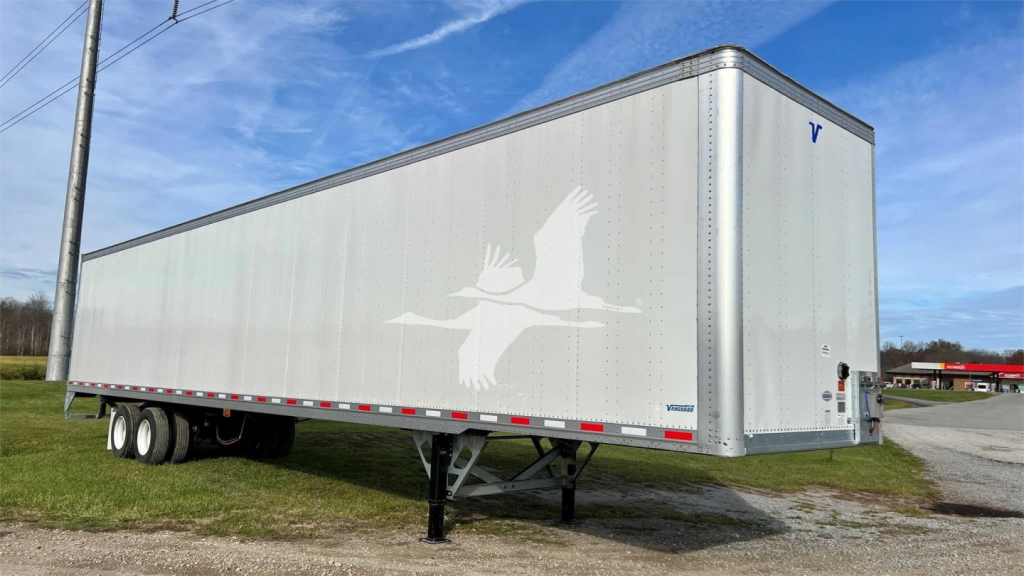

Showing 1 to 24 of 47 results
Have 2016 van trailer to sell? List it here to reach thousands of buyers.
2016 Van Trailers
The biggest buying decisions usually come down to construction type and running gear. Aluminum sheet-and-post trailers save weight and can help maximize payload, while composite panel designs such as plate-wall or laminated sidewalls are often favored for durability and lower maintenance in high-cycle freight. Sliding tandems are common and matter for bridge law compliance, dock placement, and load distribution. Air ride suspension is typically preferred for ride quality and freight protection, though spring ride can still make sense in certain regional or vocational applications. Buyers should also pay close attention to tire size, wheel type, brake spec, and whether the trailer has useful fleet features like automatic tire inflation, side skirts, front and rear vents, scuff liners, threshold plates, and anti-dock-walk protection.
Condition matters more than brand alone on a 2016 model. Floor wear, crossmember condition, roof integrity, rear sill damage, door frame alignment, and signs of wall delamination or impact repairs should be checked carefully. On a van trailer that has seen multi-stop freight, the rear frame, hinges, and threshold area often tell the story. Inside the box, look for gouging from forklifts, moisture intrusion around the front wall and roof bows, and uneven floor fastener repairs. If the trailer will be used in food-grade, paper, or high-cube retail service, interior lining, odor history, and water tightness become even more important than cosmetic appearance.
A well-spec'd 2016 van trailer can fit a wide range of operations, from regional distribution to over-the-road contract freight. Buyers comparing listings should focus on tare weight, inside height, door configuration, suspension type, tandem slider condition, and the trailer's maintenance history. Features like logistic tracks or E-track, duct floors, air-slide capability, and swing doors versus roll-up doors should match the actual freight profile, not just the purchase price. The right 2016 dry van is the one that balances structural condition, usable cube, payload capacity, and low downtime potential.
Frequently Asked Questions about 2016 Van Trailers
What are the most common specs on a 2016 van trailer?
Most 2016 van trailers in the market are 53 feet long, 102 inches wide, and built to a 13-foot 6-inch overall height. Common specs include a wood floor, aluminum roof, spring ride or air ride suspension, and a sliding tandem axle setup. Many are equipped with 22.5 low-profile tires, steel or aluminum wheels, scuff liners, threshold plates, and either swing or roll-up rear doors. Exact tare weight and interior height vary by manufacturer and body construction.
Is a 2016 dry van trailer still a good buy for general freight?
A 2016 dry van can still be a strong value if the trailer has a sound structure and documented maintenance. This age range is often attractive because it is new enough to include common fleet features and standard dimensions, but old enough to be more affordable than late-model equipment. The key is to inspect the floor, roof, sidewalls, rear frame, suspension, brakes, and slider assembly closely. A clean, dry, straight trailer with a solid floor can remain productive for years in regional or over-the-road service.
What should I inspect first on a used 2016 van trailer?
Start with the floor, rear frame, roof, and tandem slider. These areas often show the most expensive wear and damage. Check for soft spots or heavy forklift gouging in the floor, cracked or bent crossmembers, rear sill repairs, leaking roof seams, and worn slider components or seized pins. Then inspect brakes, tires, wheel ends, suspension bushings, air system components, door seals, and interior wall lining. Water intrusion and structural repairs are usually more important than paint or cosmetic panel issues.
Which is better on a 2016 van trailer, swing doors or a roll-up door?
The better choice depends on the freight and delivery pattern. Swing doors usually provide a wider and taller unobstructed opening, lower repair cost, and better cube for full-pallet loading. Roll-up doors are often preferred in multi-stop city work because they can be quicker at docks and reduce the risk of door contact in tight spaces. Roll-up assemblies add weight and can reduce rear opening height, so buyers hauling high-cube freight often favor swing doors.
How important is air ride on a 2016 van trailer?
Air ride is important when freight protection, ride quality, and customer requirements matter. It is common on dry vans used for retail, packaged goods, electronics, and other sensitive cargo. Air ride can also improve resale appeal because many carriers prefer it. Spring ride still has a place in some operations due to simplicity and lower upfront cost, but for broad freight compatibility, air ride is often the more versatile spec on a 2016 van trailer.