
2016 Van Trailers For Sale in Iowa
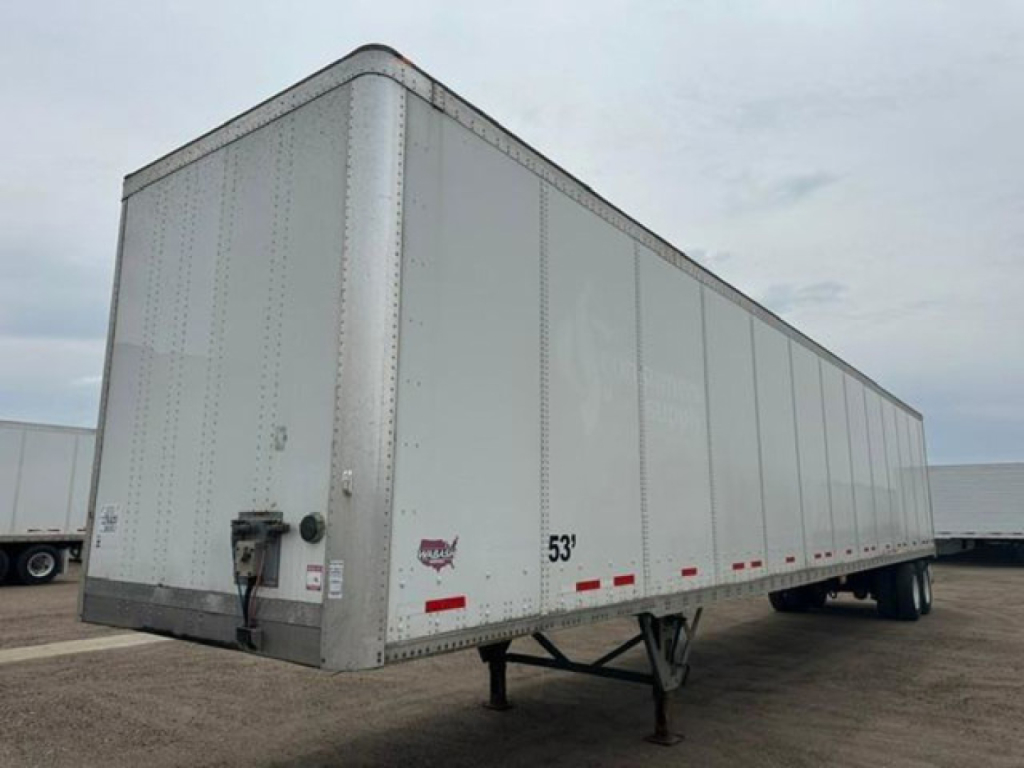
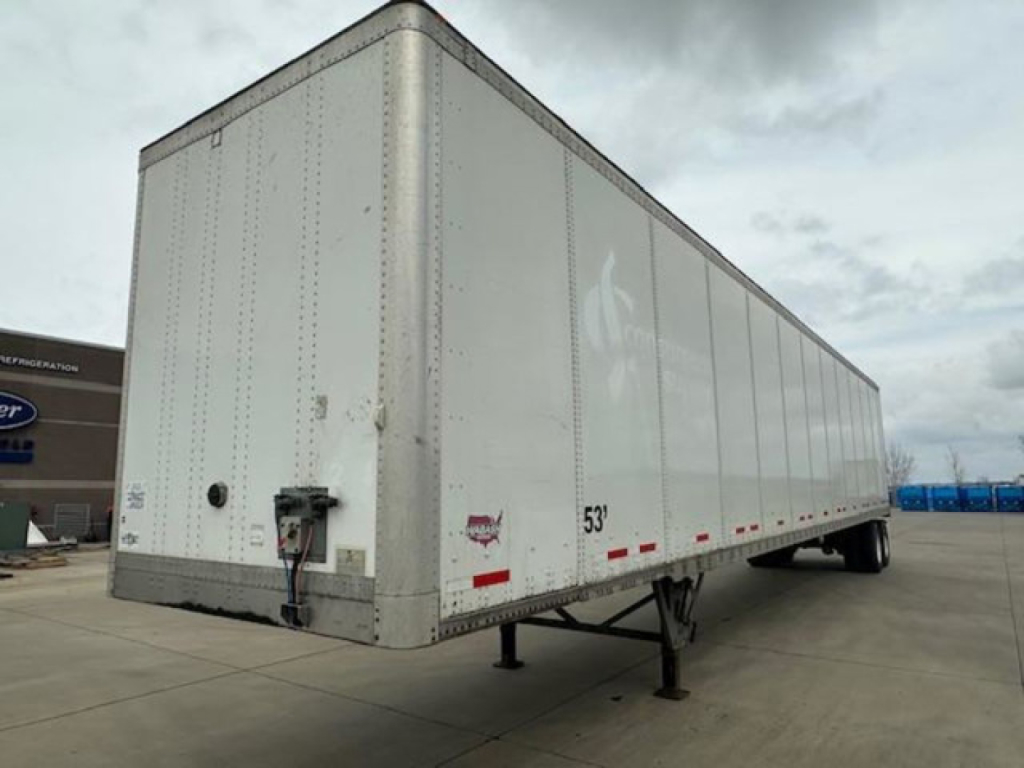
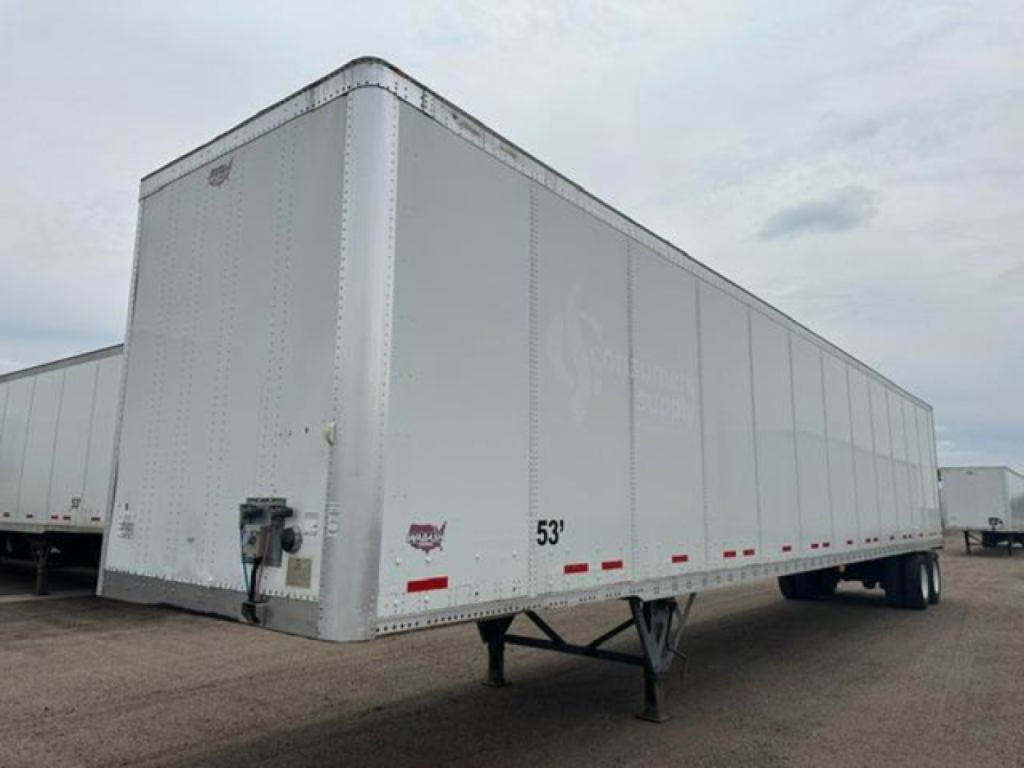
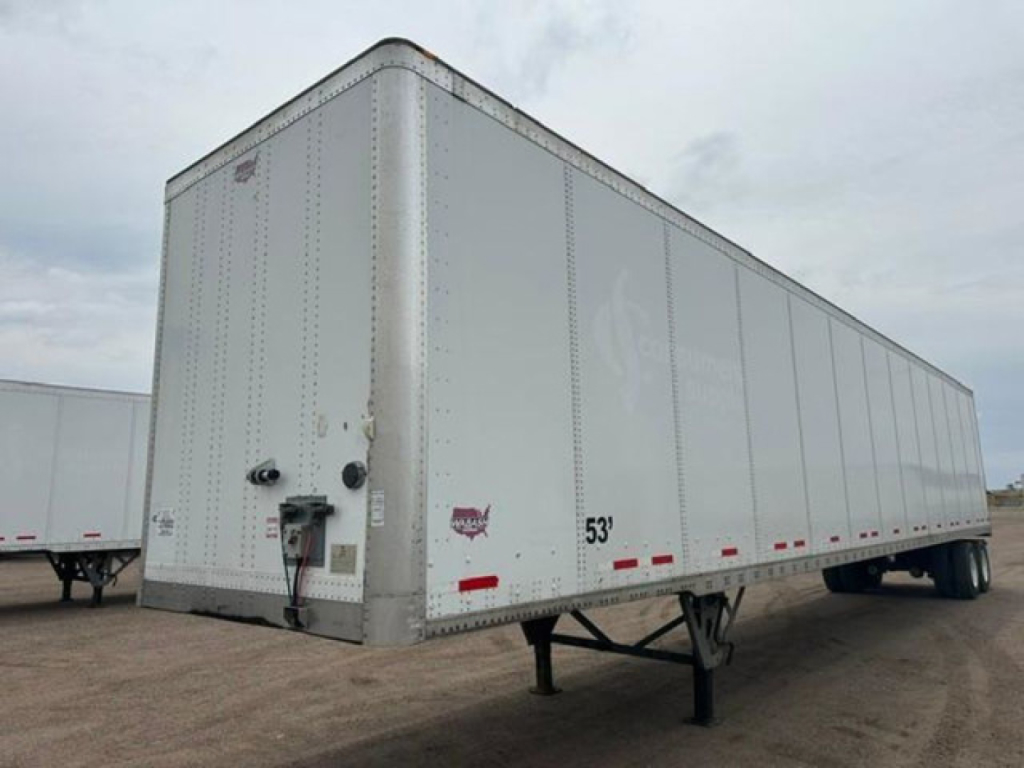
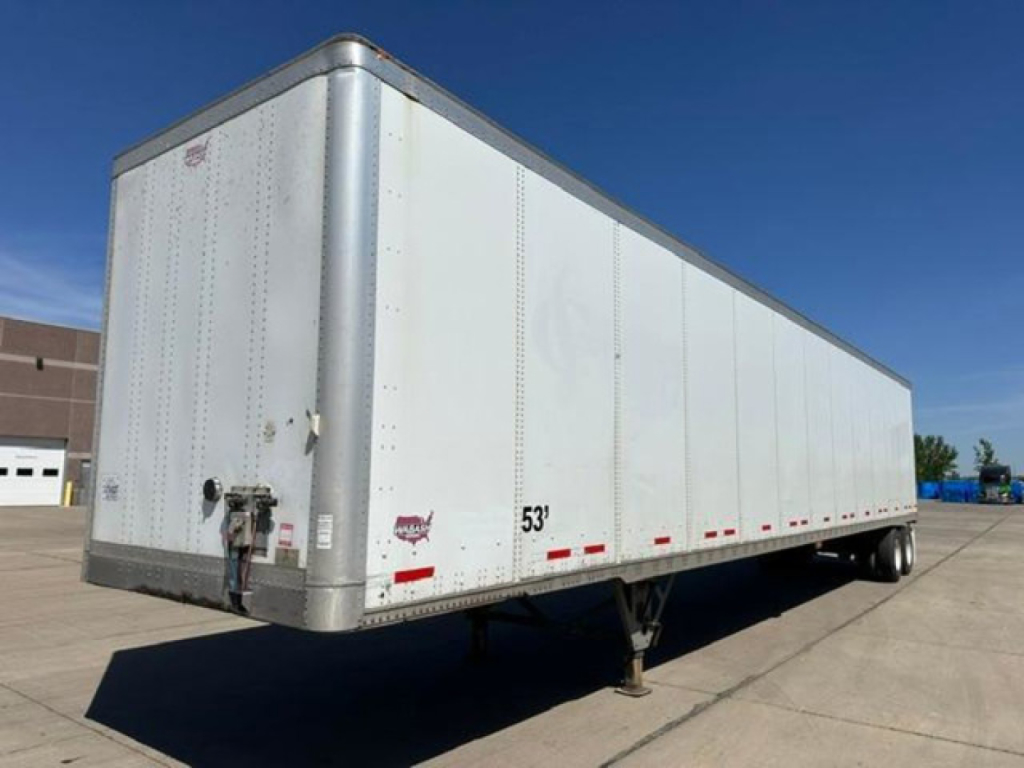
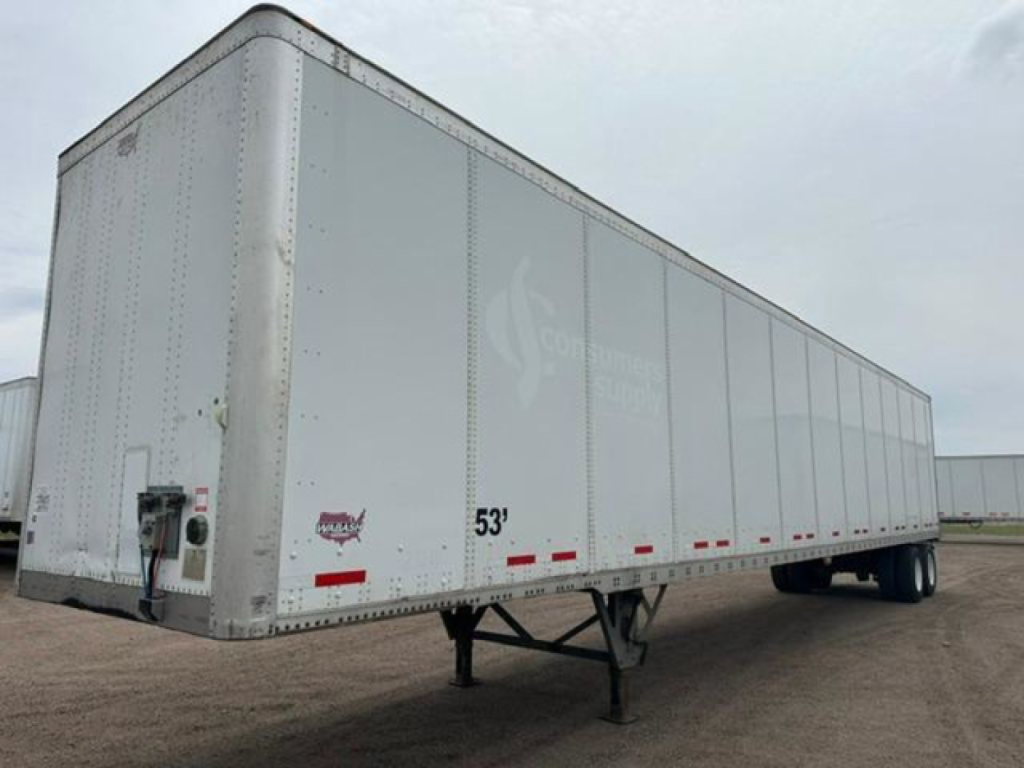
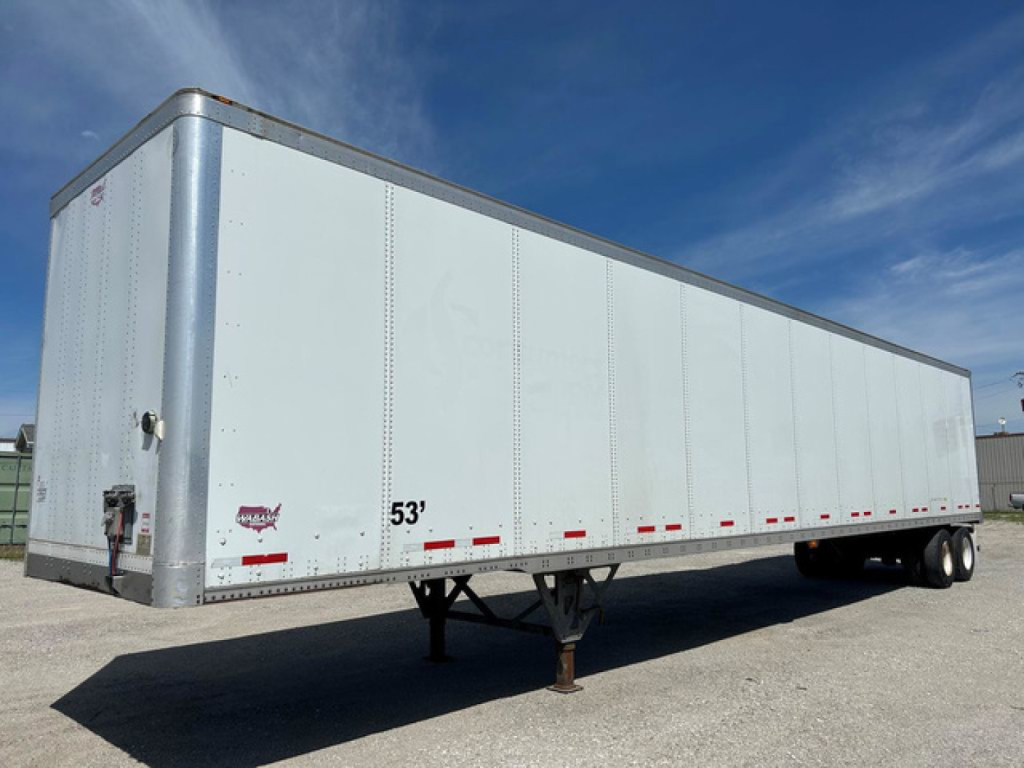
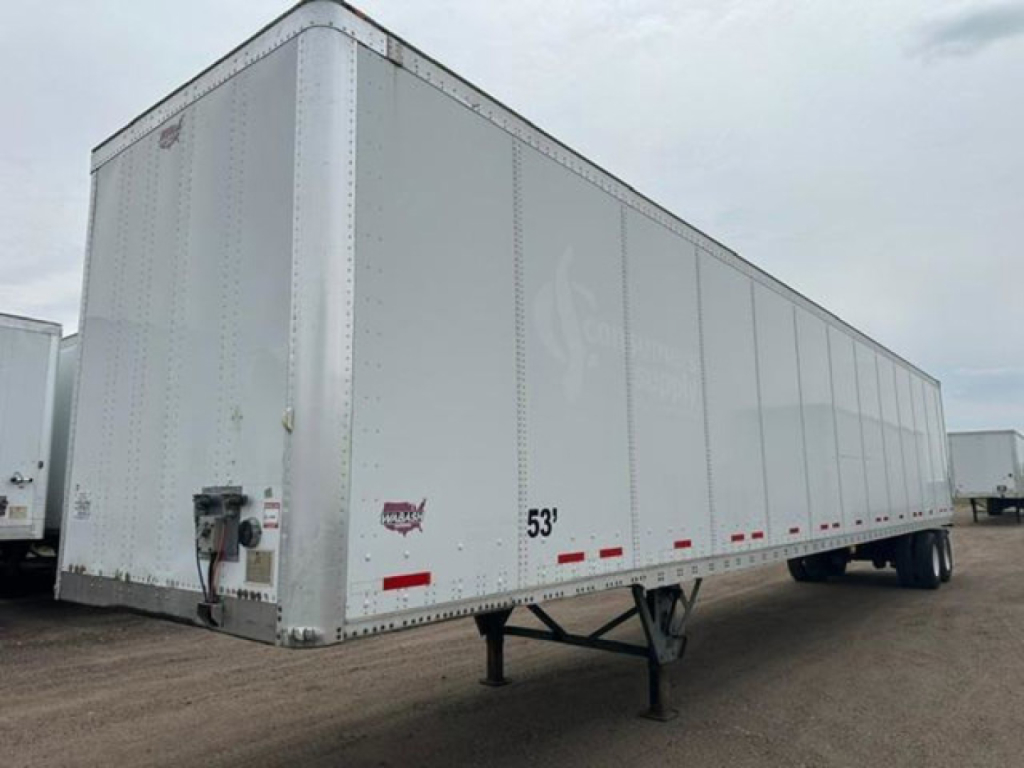
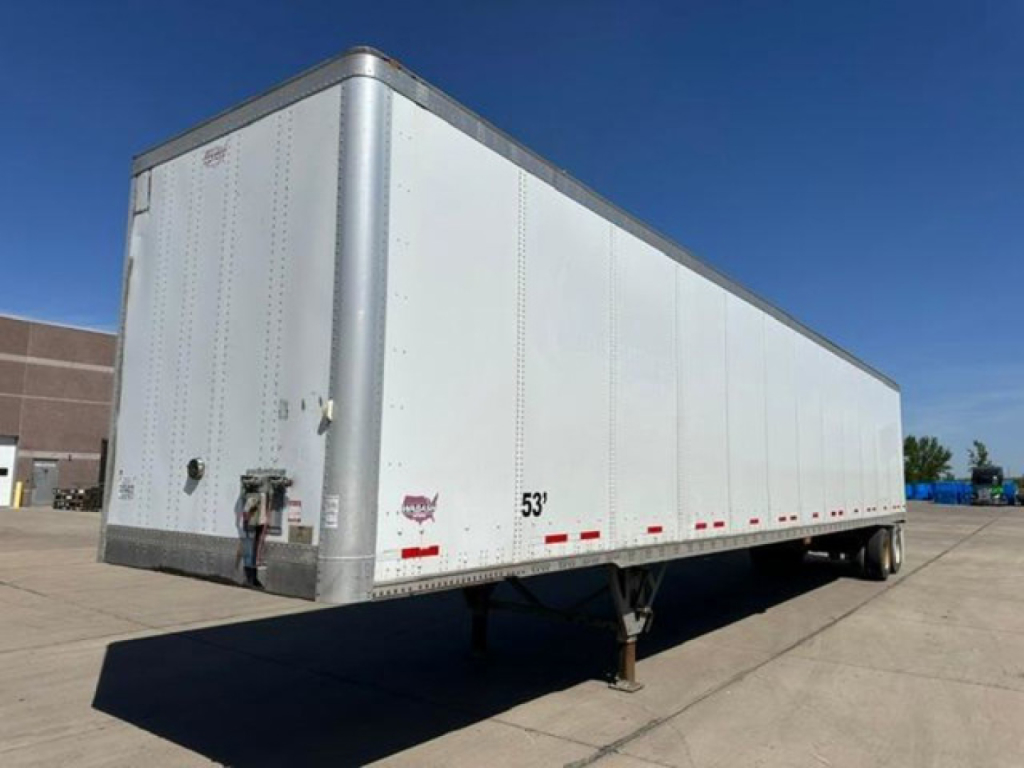
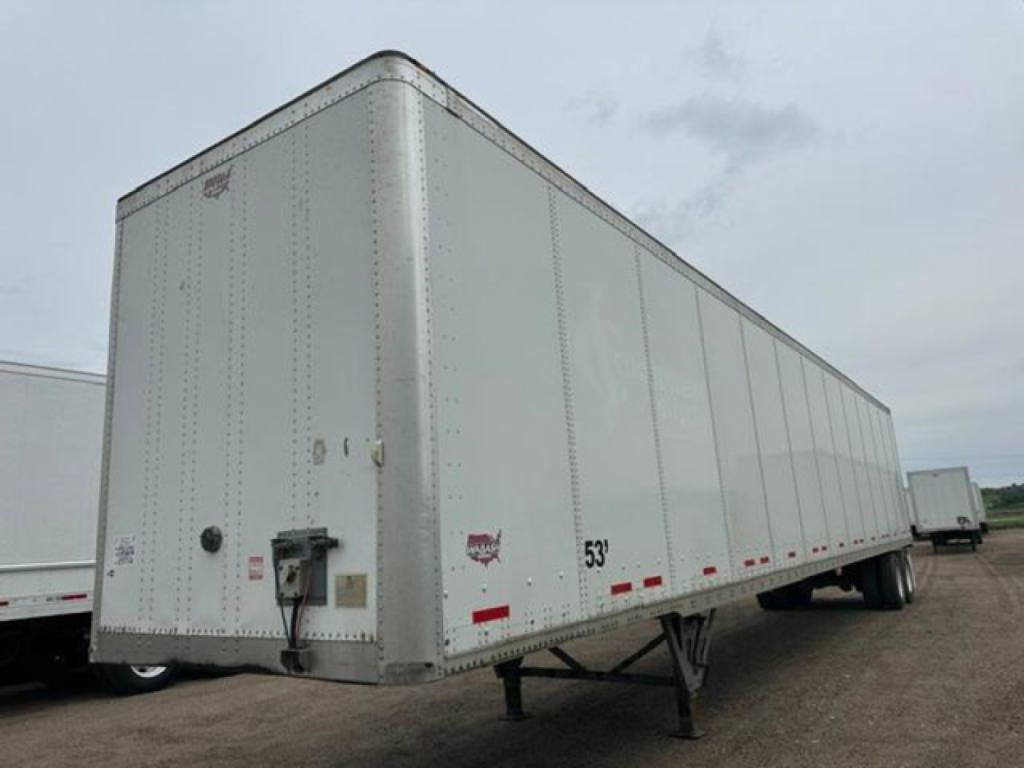
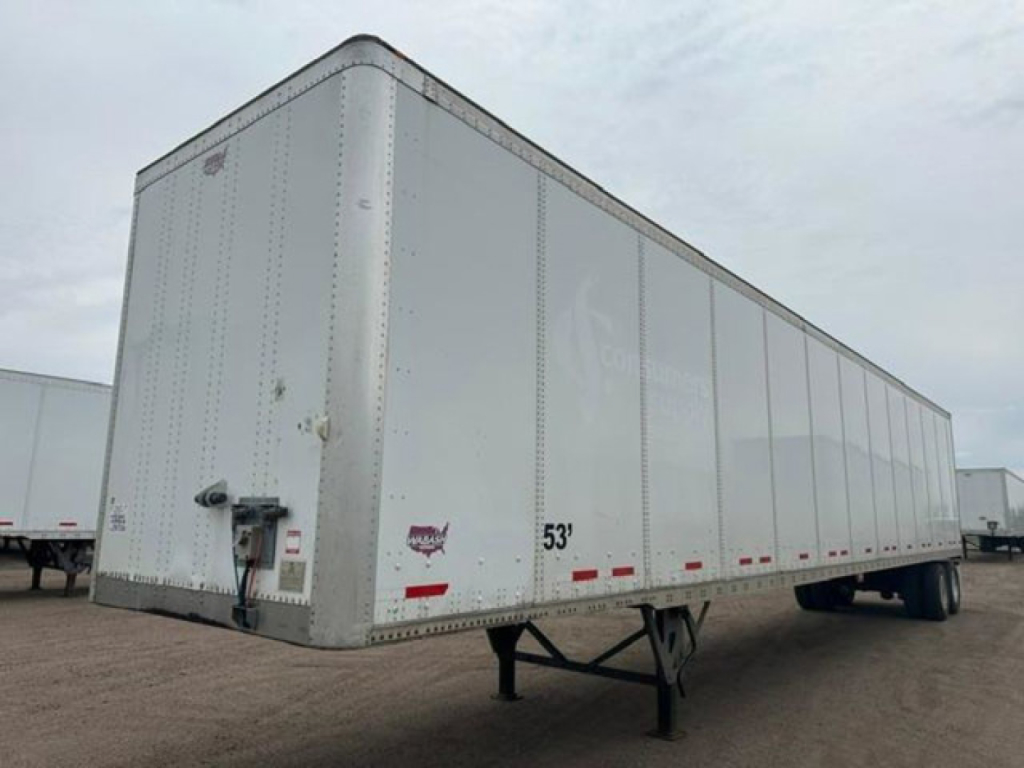
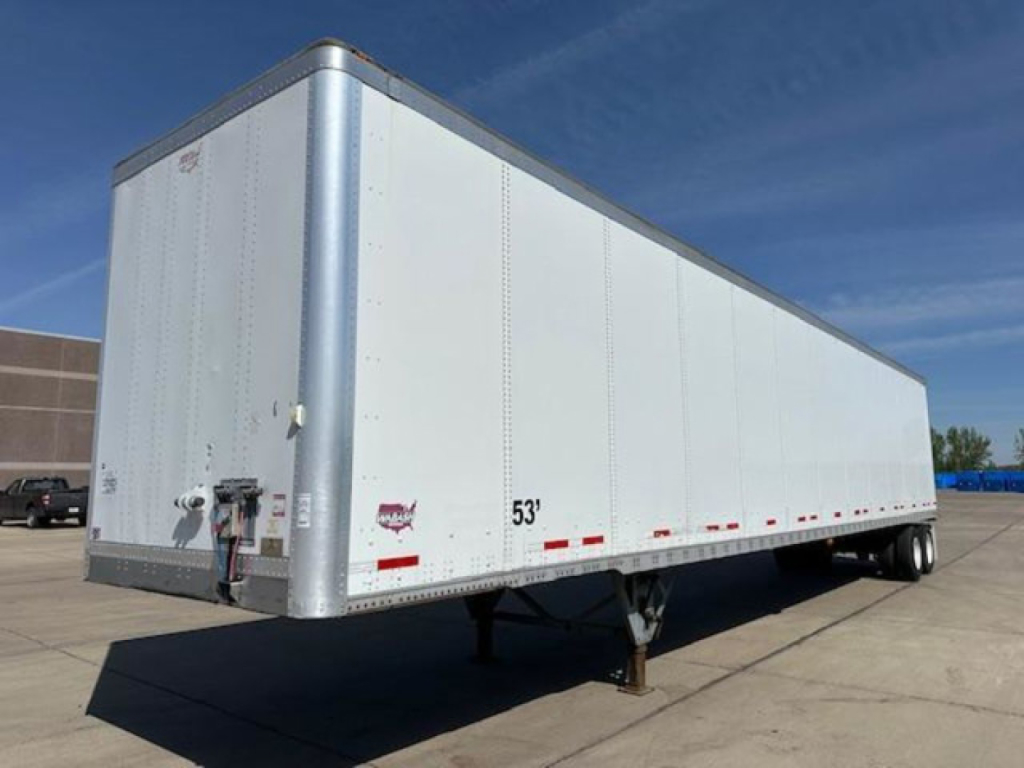
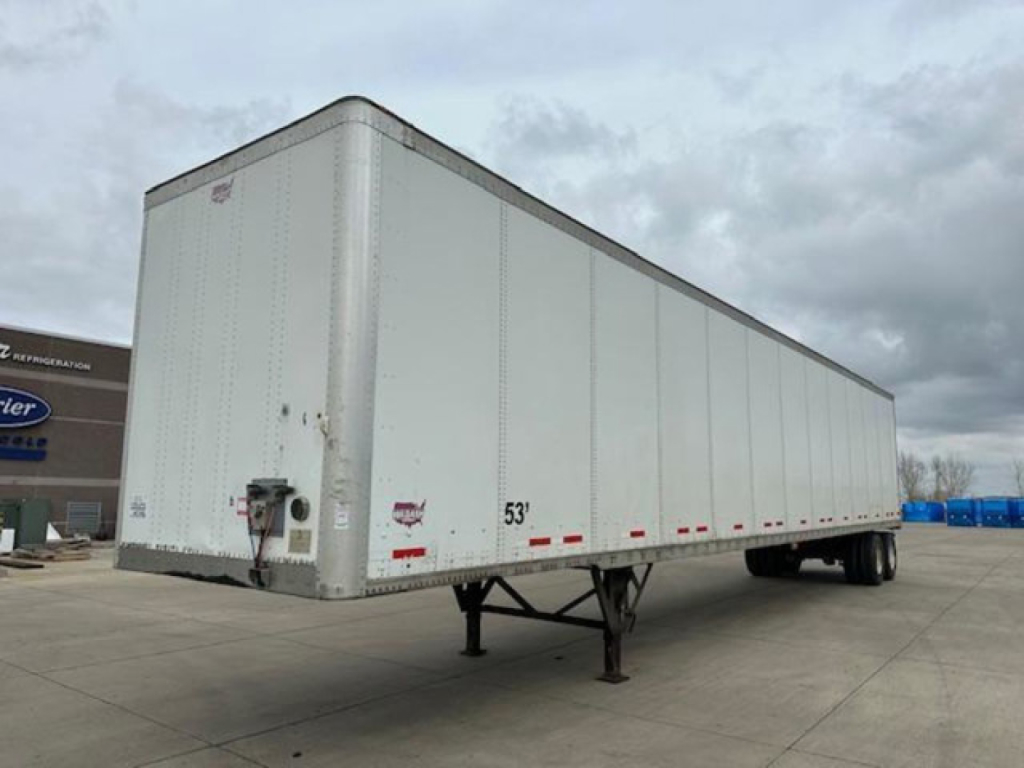
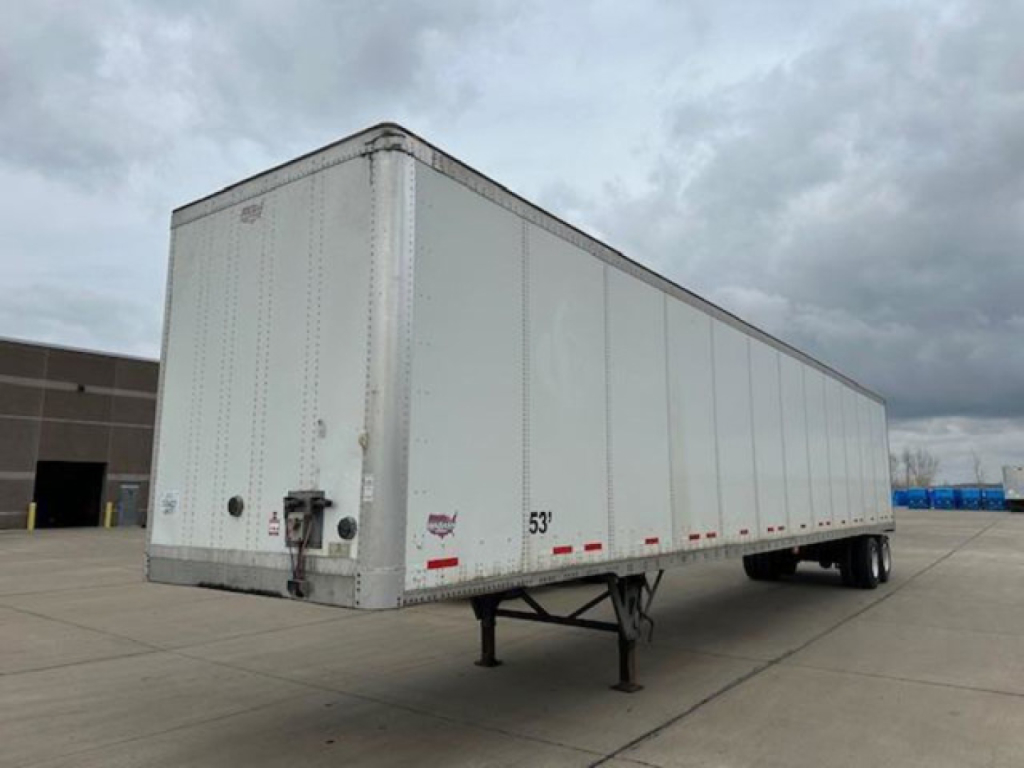
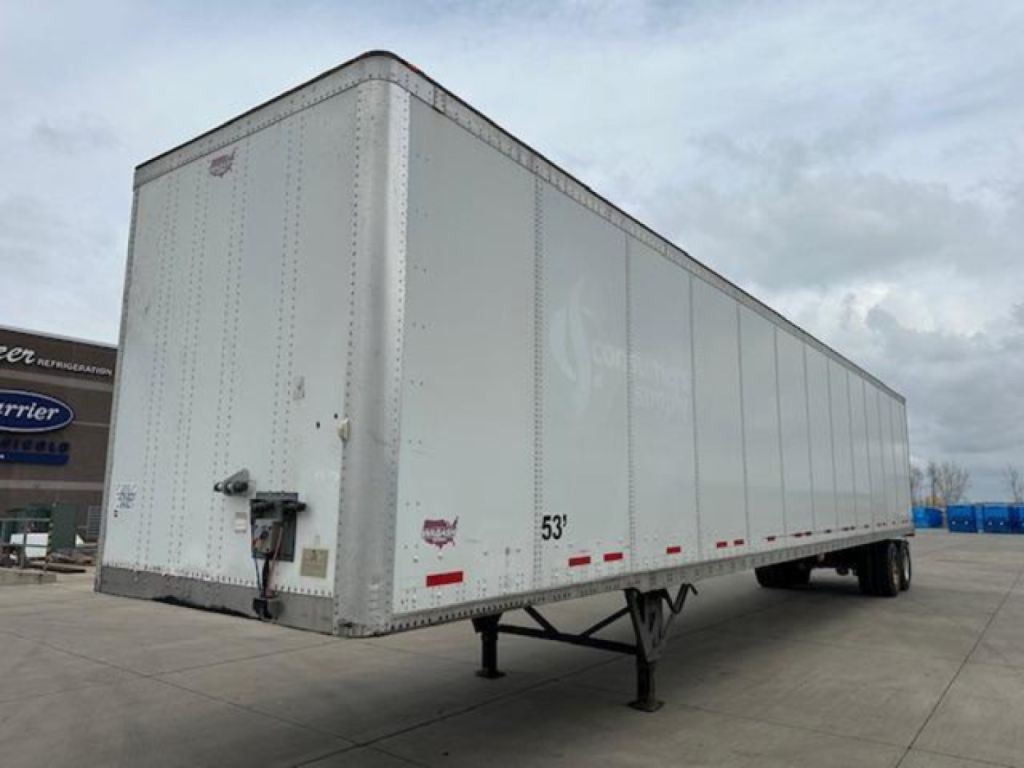
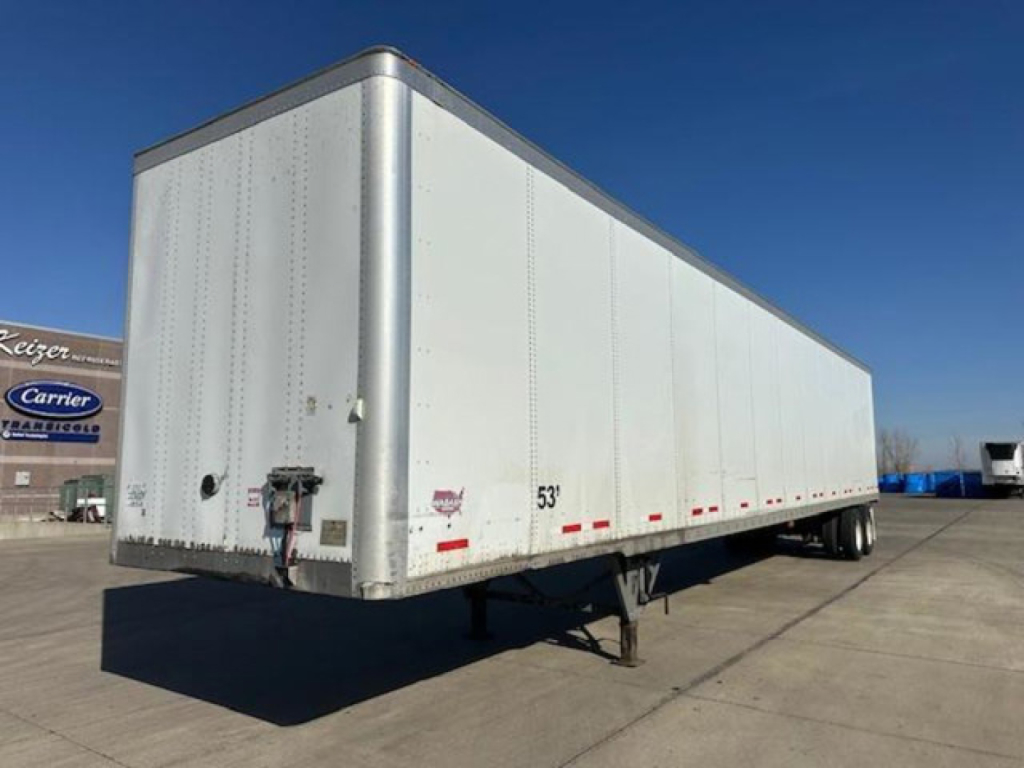
Showing 1 to 24 of 25 results
Have 2016 van trailer to sell? List it here to reach thousands of buyers.
2016 Van Trailers in Iowa
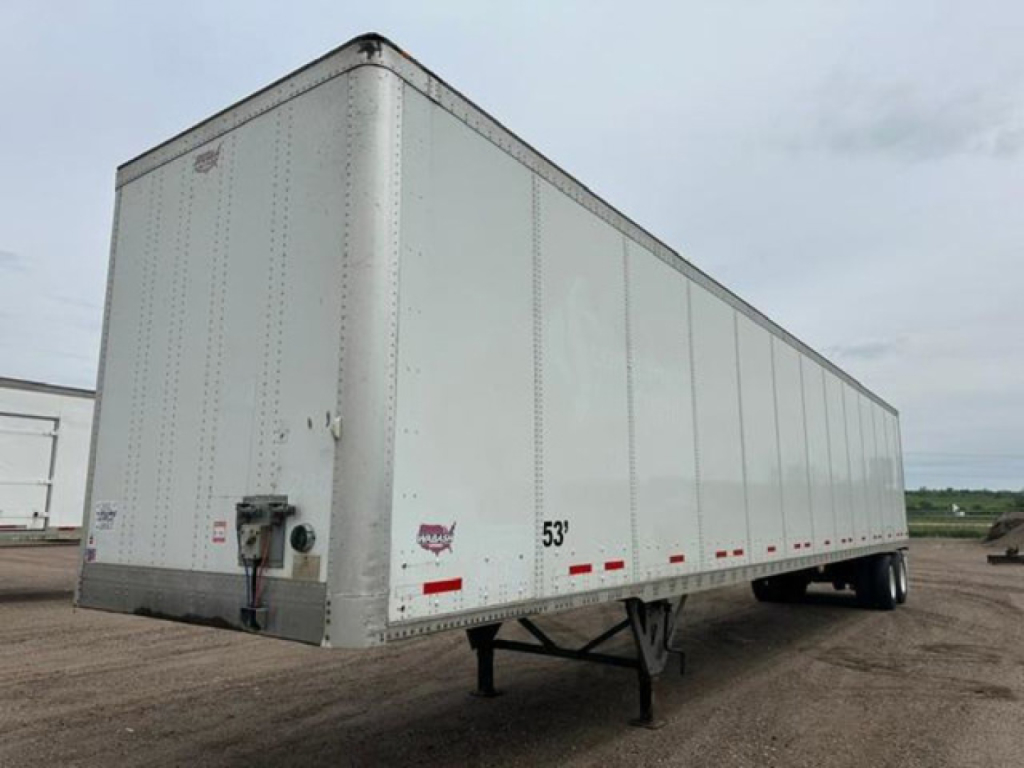
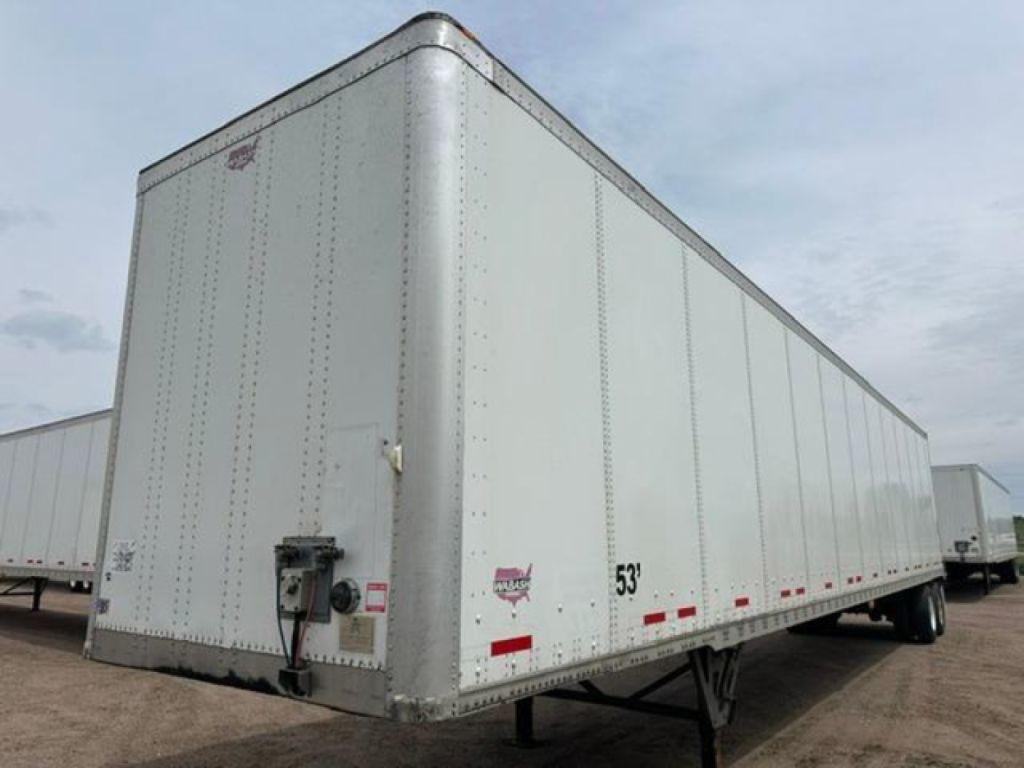
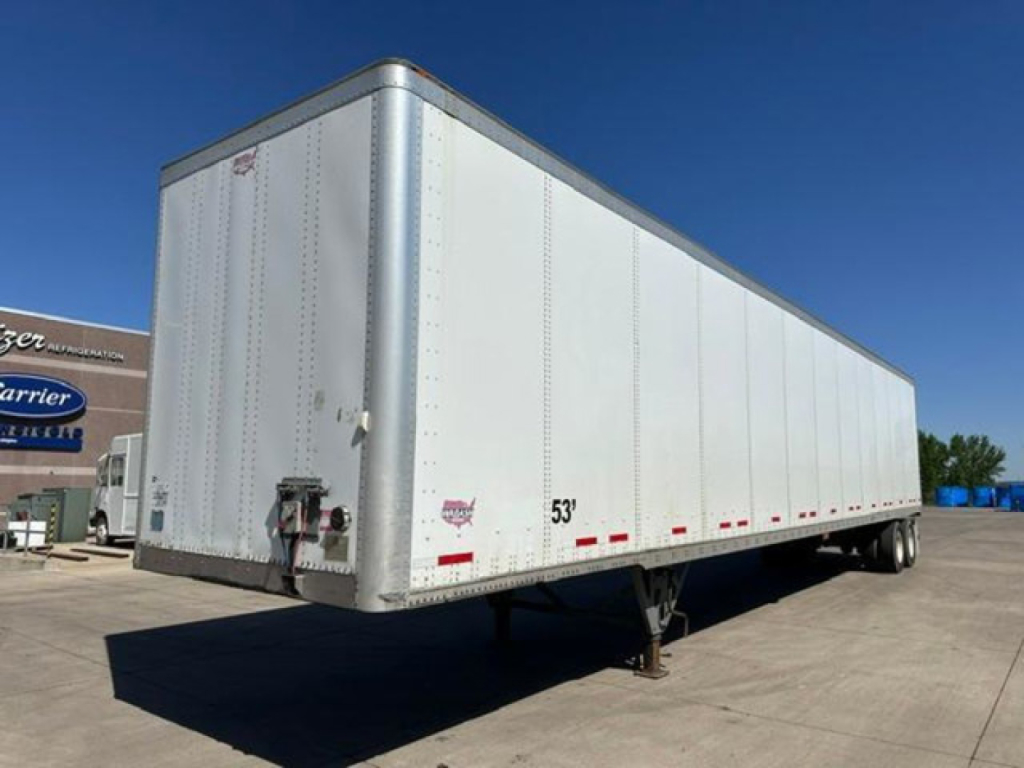
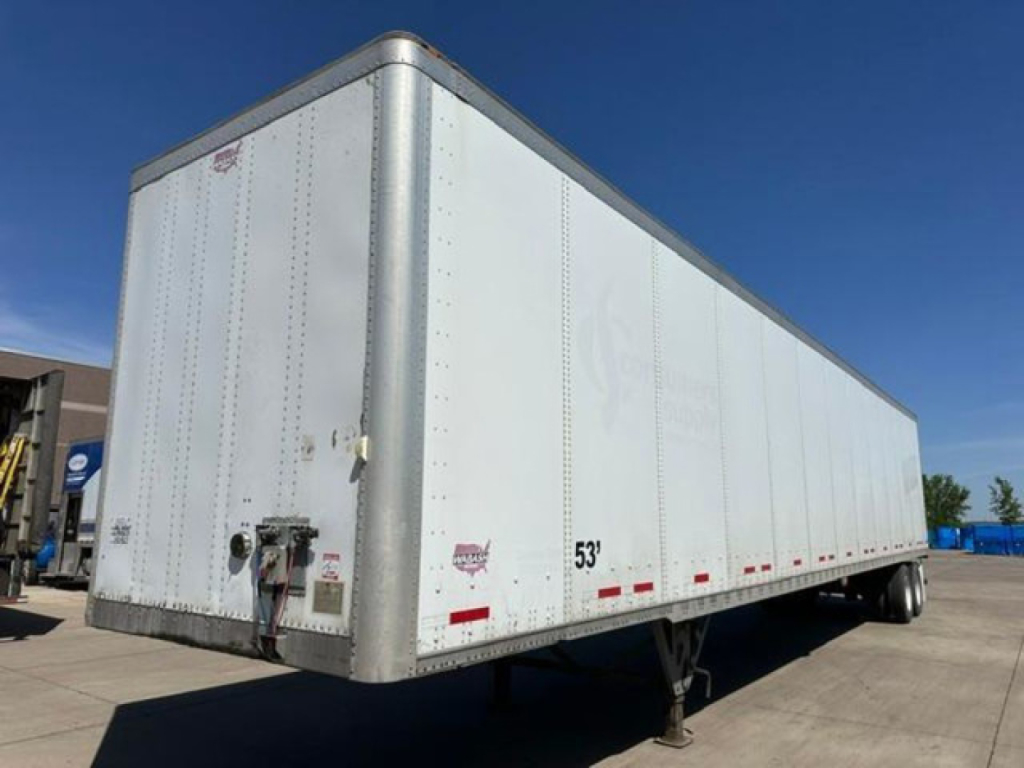
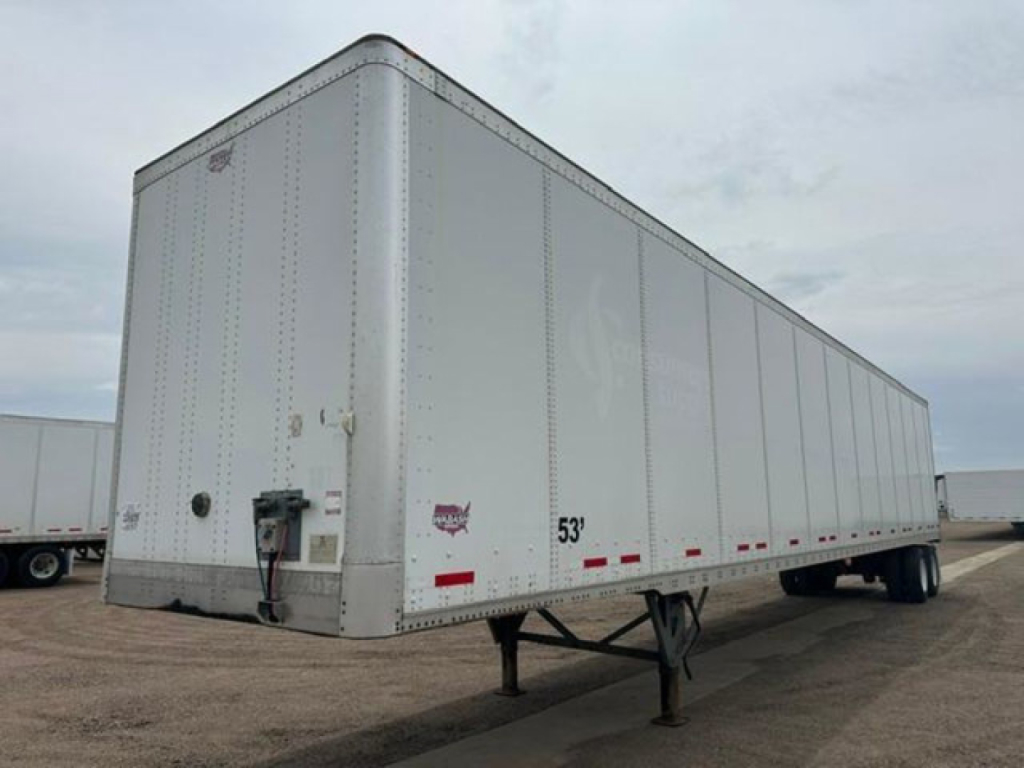
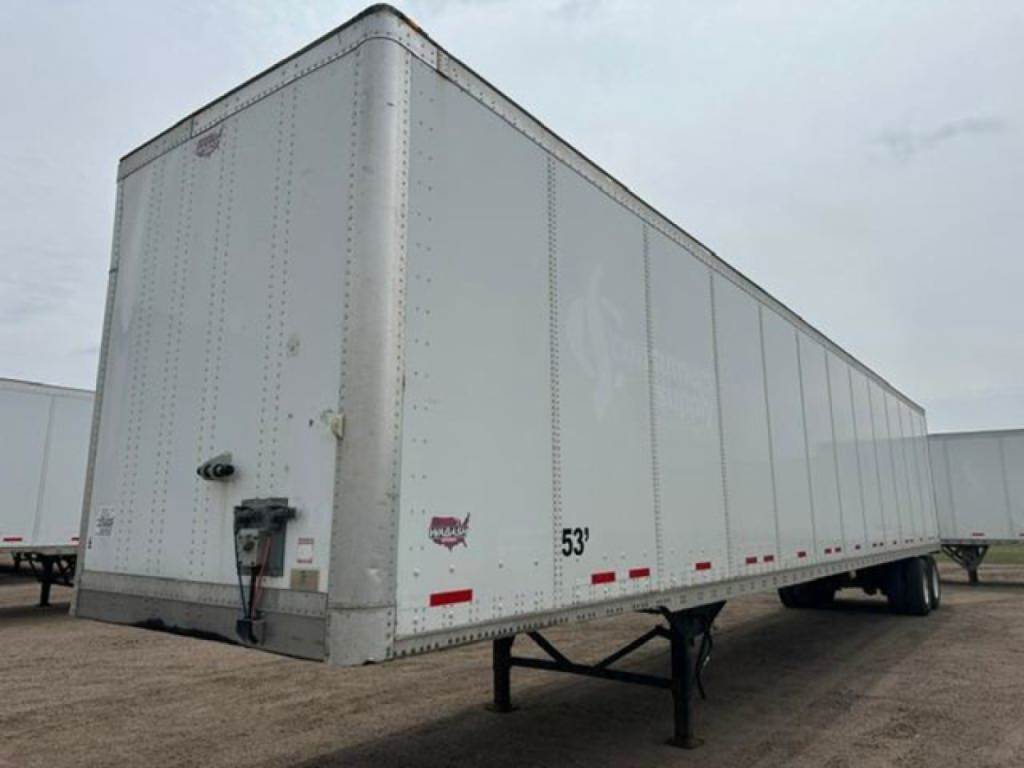
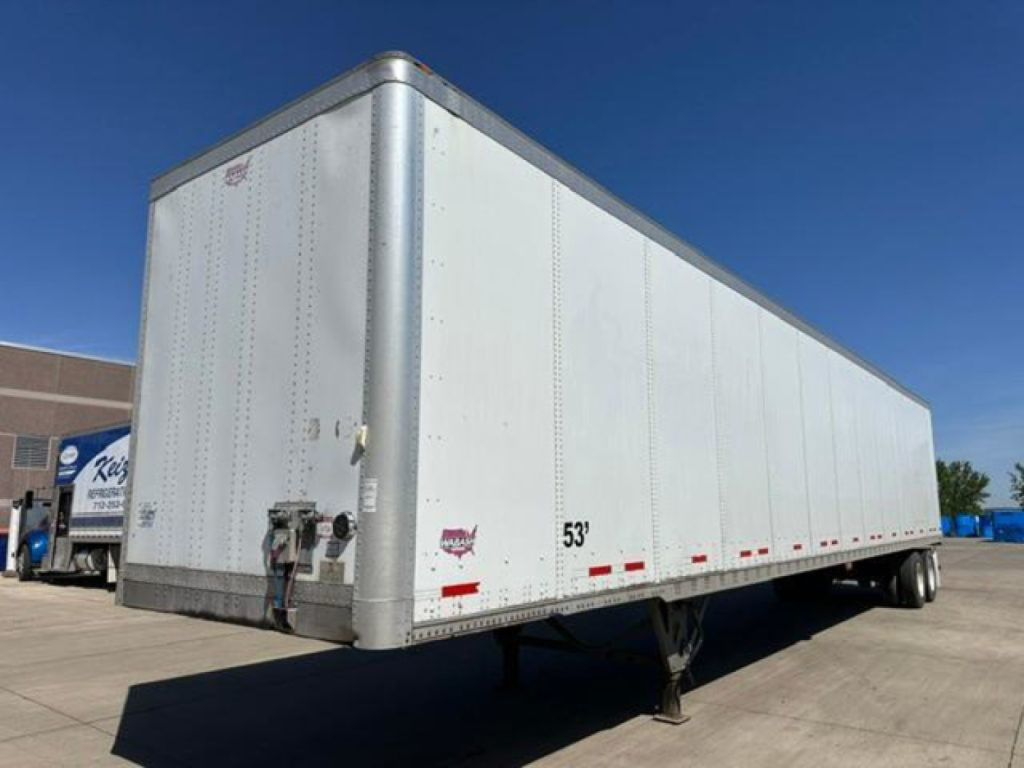
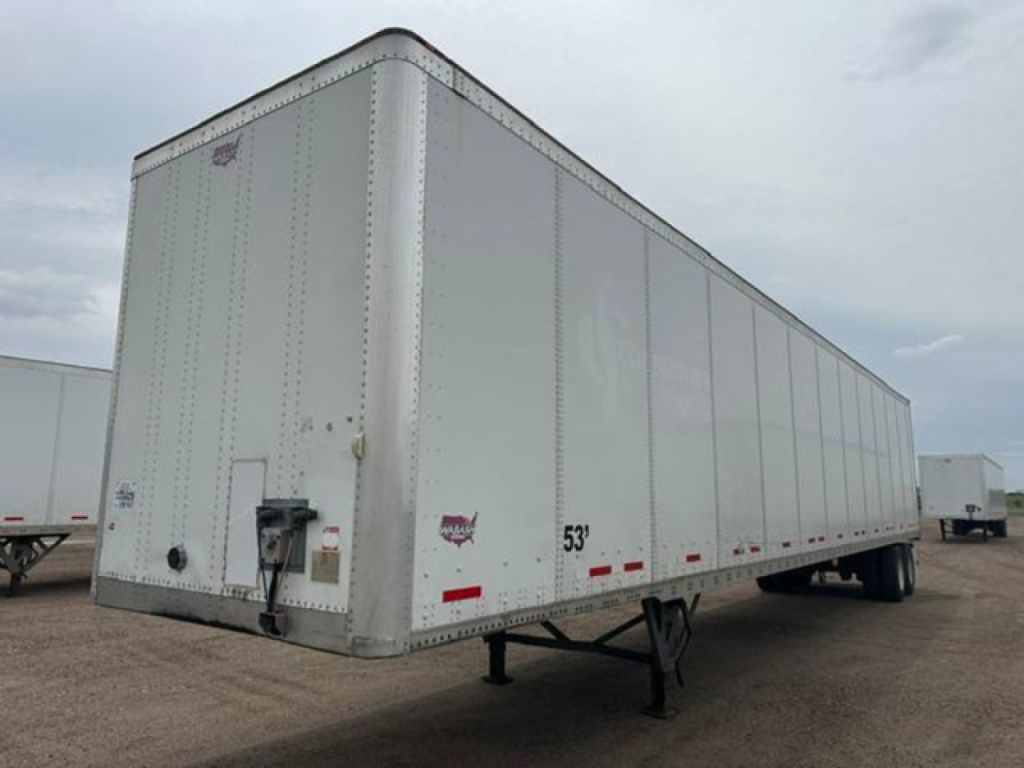
The biggest buying decisions usually come down to body construction and cargo interface. Wabash DuraPlate-style sidewalls, plate vans, and sheet-and-post designs each have their place depending on how hard the trailer has been used and what freight it will carry next. Inside the box, pay close attention to floor type and overall floor condition, especially if the trailer has seen heavy forklift traffic. Laminated hardwood floors remain common and durable, while scuff liners, high base rails, and interior wall condition matter if you haul beverage, packaged goods, or dense pallet freight. Roof condition also matters more than some buyers expect. Aluminum and translucent roof setups can affect interior light, repair cost, and long-term leak resistance.
Rear access and running gear should match the lane you run. Swing doors are still preferred for full dock access and simpler maintenance, while roll-up doors can help in route delivery or tight urban unloading situations, though they reduce some interior opening height. On the chassis side, air ride suspension is the standard target for ride quality and cargo protection. Tire inflation systems such as PSI are a plus for fleets trying to control roadside downtime and tire expense. Wheel type, brake condition, suspension wear, and tire tread depth deserve a close look on any used 2016 dry van, especially if the trailer has worked year-round in Midwest conditions where corrosion, floor wear, and door seal issues can show up earlier.
A good 2016 van trailer should still offer years of service if the structure is straight, the floor is solid, and the doors, roof, and suspension have been maintained. Buyers comparing listings should look beyond basic age and focus on specification fit: door configuration, interior liner, roof material, plated versus composite construction, and maintenance history. If your freight is light and high-cube, a standard dry van setup may be enough. If your operation regularly loads heavy pallets or sees frequent dock impact, stronger floor condition, high base rails, and clean wall structure become more important than cosmetic appearance. Also known as a dry van trailer or enclosed van trailer, this category remains one of the most versatile trailer types in trucking.
Frequently Asked Questions about 2016 Van Trailers in Iowa
What should I inspect first on a 2016 van trailer?
Start with the floor, roof, rear frame, and door operation. Floor repairs, soft spots, or heavy forklift damage can be expensive and directly affect usable life. Roof leaks and patched roof bows can create cargo problems fast. Check the rear frame for dock impact, inspect door seals and hinges, and look over the suspension, brakes, tires, and wheel ends. On a used dry van, structural condition matters more than paint or decals.
Are swing doors or roll-up doors better on a dry van trailer?
Swing doors are usually the better choice for most linehaul and dock freight because they provide full rear opening width and height, have fewer moving parts, and are generally easier to maintain. Roll-up doors are useful for frequent stops and tight delivery environments, but they can reduce rear opening height and add maintenance around tracks, springs, and panel wear. The right choice depends on your unloading pattern and freight type.
Is air ride suspension worth it on a 2016 van trailer?
Yes. Air ride is the preferred suspension for most modern dry van applications because it improves ride quality, helps protect freight, and is widely accepted in fleet operations. It also supports better trailer handling and can reduce cargo shift compared with rougher suspension types. On a 2016 model, the important part is not just having air ride, but confirming the airbags, shocks, valves, and suspension components are in good working order.
What trailer features matter most for palletized freight?
For palletized freight, focus on floor strength and condition, full dock access, interior wall protection, and reliable trailer tracking. Laminated wood floors remain common because they stand up well to forklift traffic when maintained. High base rails and scuff liners help protect the lower walls from pallet and fork damage. Swing doors are usually preferred for clean dock loading, and tire inflation systems can help reduce delays caused by tire-related roadside issues.
How long can a 2016 dry van trailer stay productive in fleet service?
A 2016 dry van can remain productive for many years if the body is sound and maintenance has kept up with flooring, brakes, suspension, tires, and door hardware. Dry vans often age well because they have fewer specialized systems than refrigerated or moving-floor trailers. Service life depends heavily on prior use. A trailer that handled light retail freight and received regular preventive maintenance may have significantly more value than one that spent years in heavy forklift or high-impact dock service.