
2016 Van Trailers For Sale in Pennsylvania
Shop 2016 van trailers in Pennsylvania. Compare 53-foot dry vans, specs, slider tandems, air ride, floors, doors, and lining details.
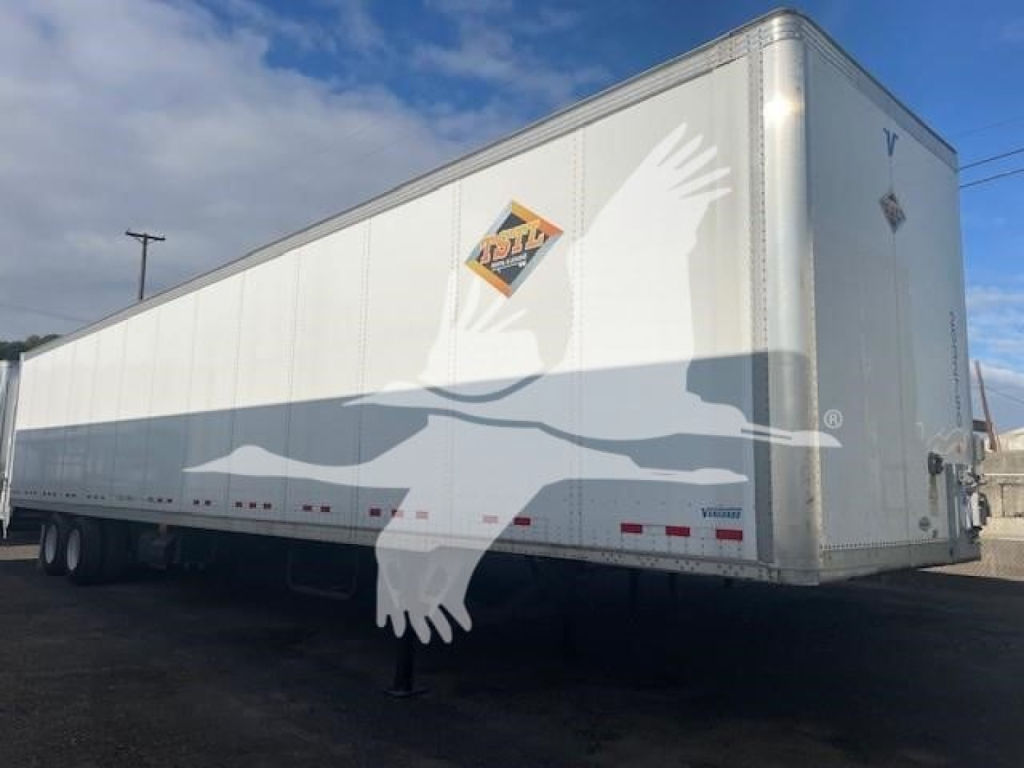
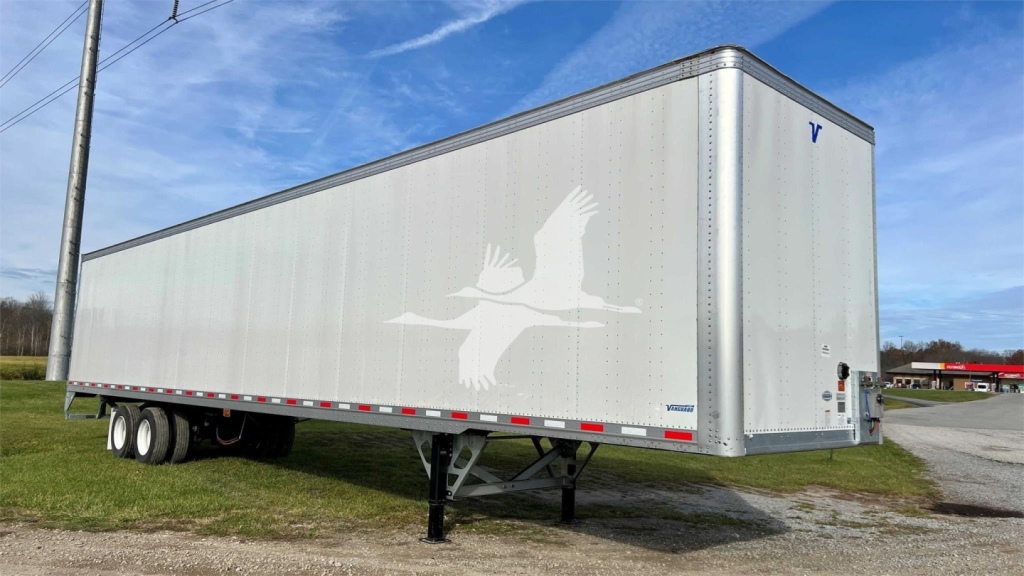
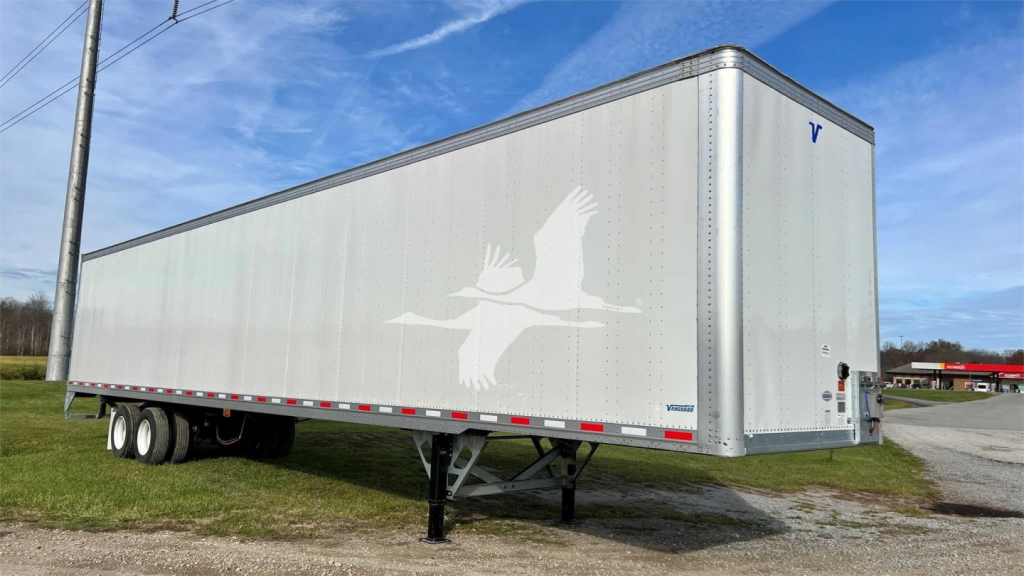
Have 2016 van trailer to sell? List it here to reach thousands of buyers.
2016 Van Trailers in Pennsylvania
The key buying decisions on a 2016 dry van are usually structural condition and freight-readiness, not just age. Look closely at floor thickness, crossmember spacing, roof condition, rear frame integrity, and the condition of the door hardware. Many trailers in this class were spec'd with 1 3/8-inch oak floors, galvanized rear frames, dock-lock reinforced bumpers, aluminum roofs, and scuff protection along the lower walls. Logistics posts, plywood or composite side liners, nose lining, and an internal bulkhead all matter if the trailer has spent years in heavy LTL, warehouse shuttle, or dedicated contract service. A clean upper coupler, solid threshold plate, and straight sidewalls can tell you as much about remaining life as the odometer equivalent of the fleet that ran it.
Suspension and slider setup are especially important in Pennsylvania because axle compliance, bridge law flexibility, and dock approach conditions all affect day-to-day use. Many 2016 van trailers were built with air ride and a sliding tandem, often in a 49-inch setting with long slide rails. That combination gives better ride quality for damage-sensitive freight and more flexibility for weight distribution. Check suspension brand, bushing wear, air bag condition, slider operation, and signs of rail corrosion. Tire size, wheel type, landing gear condition, and brake history should also be part of the inspection, especially on trailers that have seen year-round Northeast service where road salt can accelerate wear on the rear frame, support structure, and brake components.
For most buyers, a 2016 model hits a useful middle ground between acquisition cost and modern trailer design. This era commonly includes composite or plate side construction, anti-snag roof bows, improved door assemblies, and interiors designed around standard load securement practices. If the trailer will stay in distribution work, focus on door cycle wear, floor repairs, and how well the interior lining has held up to forklifts. If it will be used in over-the-road service, pay closer attention to aerodynamics, tare weight, tire condition, and maintenance records. A well-kept 2016 van trailer can still be a dependable freight box for dry goods, retail replenishment, warehouse transfer, and dedicated lane work.
Frequently Asked Questions about 2016 Van Trailers in Pennsylvania
What is the typical size of a 2016 van trailer?
Most 2016 van trailers on the market are 53 feet long, 102 inches wide, and built to a 13-foot 6-inch overall height. Inside dimensions vary by manufacturer and spec, but many offer roughly 101 inches of interior width and around 110 inches of interior height. That makes them suitable for standard palletized dry freight and compatible with most shipping docks and warehouse networks.
What should I inspect first on a used 2016 dry van trailer?
Start with the floor, roof, rear frame, doors, and suspension. Floor condition is critical because repeated forklift traffic can expose soft spots, patchwork, or fastener pull-through. The rear frame and bumper often show the real story on dock impact and corrosion. Door hinges, seals, and locking gear should operate cleanly. Underneath, inspect crossmembers, slider rails, air ride components, brakes, and signs of rust from Northeast winter service.
Is air ride important on a 2016 van trailer?
Air ride is a strong advantage for many dry van applications because it improves ride quality and helps protect freight that is sensitive to shock and vibration. It is common on higher-spec van trailers used in retail, packaged goods, and dedicated contract freight. It can also support better resale appeal. The tradeoff is that the system adds components that need inspection, including air bags, valves, bushings, and suspension alignment.
Why does a sliding tandem matter on a van trailer in Pennsylvania?
A sliding tandem gives the operator flexibility to adjust axle position for bridge law compliance, weight distribution, and maneuvering needs. In Pennsylvania and across the Northeast, that matters because freight weights, shipper loading patterns, and route requirements can vary widely. A slider that moves freely and locks correctly is a major usability factor, so rail wear, pin engagement, and corrosion should be checked carefully.
What freight is a 2016 van trailer best suited for?
A 2016 van trailer is built for general dry freight that needs enclosed protection from weather and road debris. Common applications include consumer packaged goods, boxed freight, paper, retail replenishment, automotive parts, and warehouse transfer loads. The exact fit depends on interior lining, logistics post layout, floor rating, and overall trailer condition. Units with solid floors, intact scuff liners, and clean interiors are generally better suited for frequent forklift loading and higher-cycle freight operations.