
2016 Van Trailers For Sale in South Dakota
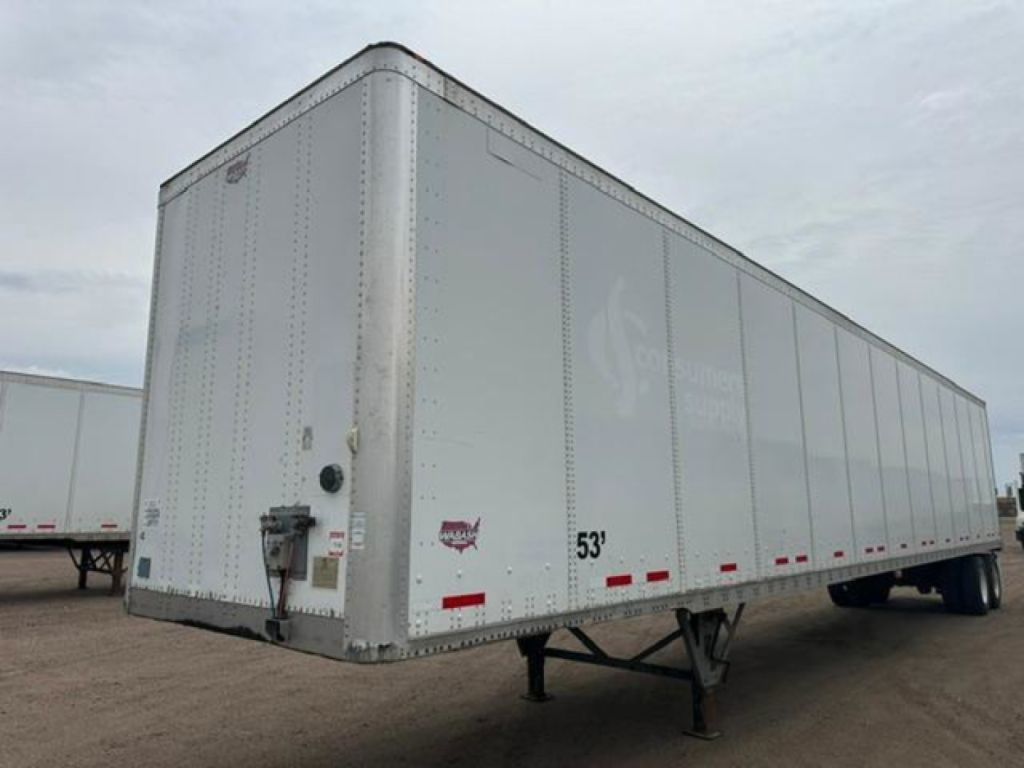
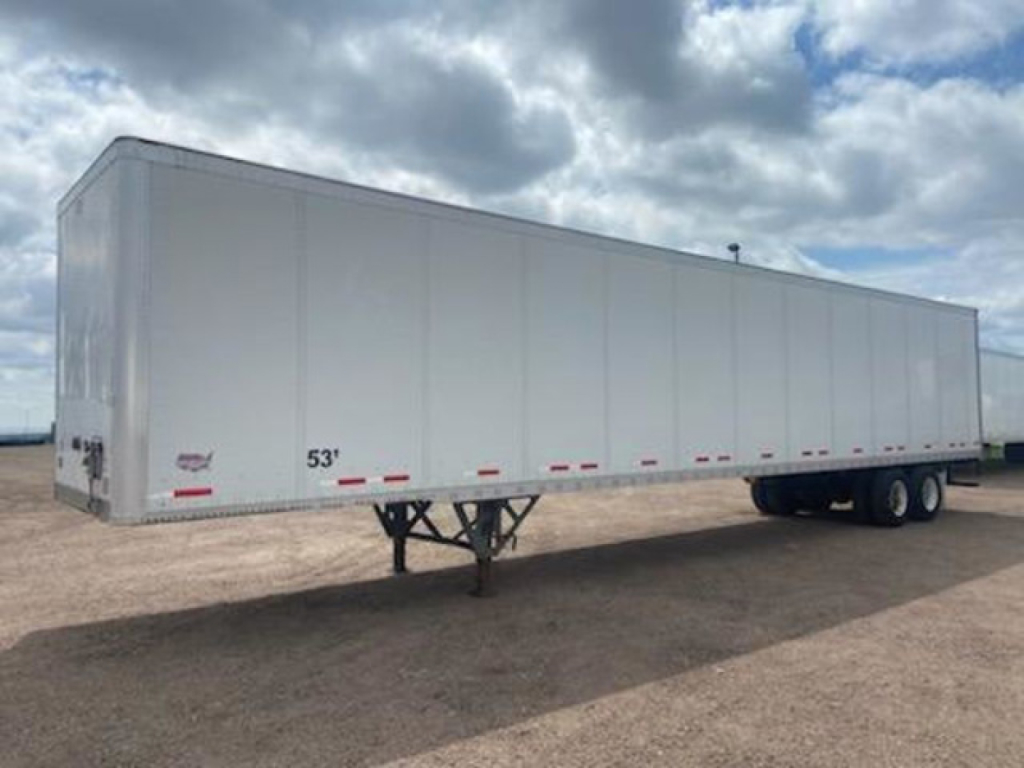
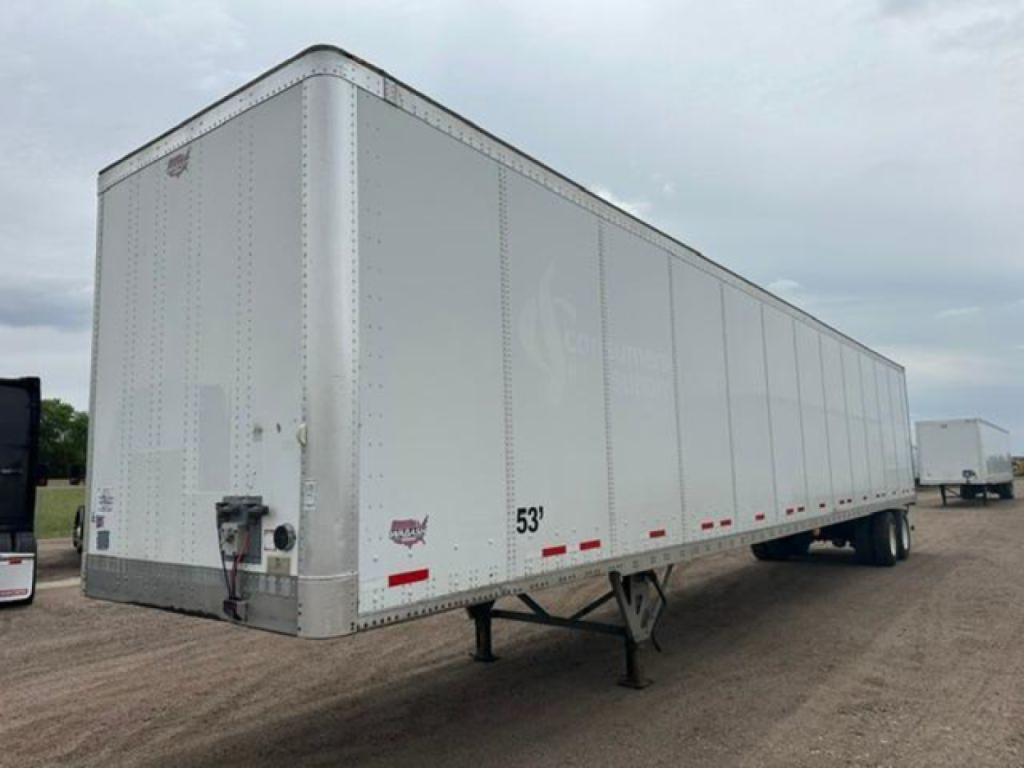
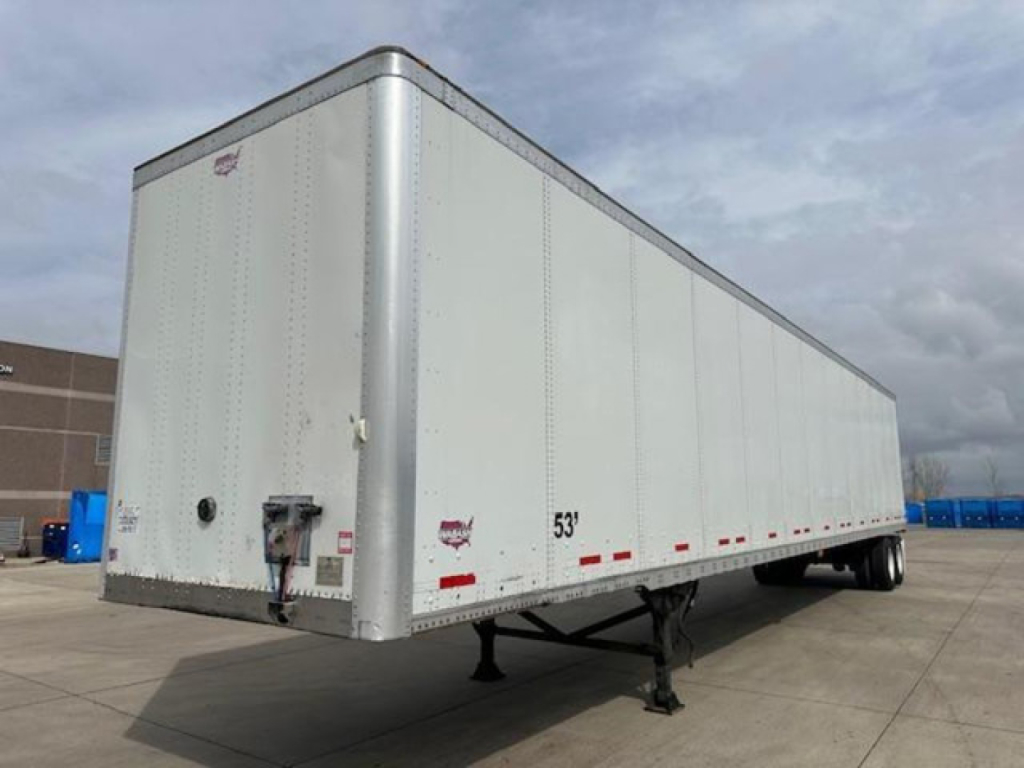
Browse 2016 van trailers for sale in South Dakota. Compare dry van specs, suspension, axle setup, roof height, and wheel options.
Have 2016 van trailer to sell? List it here to reach thousands of buyers.
2016 Van Trailers in South Dakota
Most 2016 dry van trailers, also known as enclosed van trailers or dry freight trailers, will be 53-foot tandem axle units with 22.5 tires, air ride suspension, and either steel or aluminum wheels. Common buyer decision points include swing doors versus roll-up doors, logistics post spacing, scuff liner height, floor rating, and slider condition. Sliding tandem operation is especially important if the trailer will run across multiple states or in operations where bridge law flexibility and dock positioning matter. In South Dakota, road conditions, winter exposure, and de-icing chemicals make undercarriage corrosion, brake condition, and air system maintenance worth a close look.
Cargo type should drive the spec. Palletized consumer freight, boxed food products, retail replenishment, and general dry goods all fit well in this category, but floor and wall condition need to match the loading pattern. Forklift-intensive applications can expose weak floors, worn thresholds, and damaged scuff bands quickly. If cube utilization matters, pay attention to interior height and roof specification. If the trailer will stay in a fleet for several more years, it is worth checking crossmember spacing, lining condition, tire wear patterns, and whether the suspension tracks straight under load.
A well-kept 2016 van trailer can still be a strong revenue unit if the basics are right: sound structure, dry interior, legal lights and brakes, and a suspension and slider that do not create downtime. Buyers comparing listings should look past paint and focus on the items that affect payload, maintenance cost, and ease of loading. Wheel material, axle spacing, roof design, and suspension setup all influence long-term operating cost, especially on regional lanes where trailer utilization is high and weather can be hard on equipment.
Frequently Asked Questions about 2016 Van Trailers in South Dakota
What should I inspect first on a 2016 van trailer?
Start with the structure and weather tightness. Check the roof for patches, seam repairs, and bow damage, then inspect the front wall, rear frame, door seals, and floor from nose to threshold. On a 2016 unit, slider rails, suspension components, brake wear, and corrosion underneath can tell you more about future maintenance cost than the outer panels alone.
Are 2016 dry van trailers still good for general freight service?
Yes, many 2016 dry vans are still well suited for general freight if they have been maintained properly. Dry van trailers in this age range are commonly used for palletized freight, boxed goods, retail loads, and other non-temperature-controlled cargo. The key is matching the trailer's current floor strength, wall condition, and running gear condition to the type of loading and mileage you expect.
What specs matter most when comparing used van trailers?
The most important specs usually include trailer length, suspension type, tire size, wheel material, door style, interior height, floor rating, and tandem slider configuration. Buyers should also pay attention to scuff liners, logistics posts, roof construction, and axle spacing. These details affect payload, durability, dock use, maintenance planning, and compliance across different operating areas.
Why does South Dakota use matter when buying a van trailer?
South Dakota conditions can be hard on trailers because winter weather, snow, ice, and road treatment chemicals accelerate wear on brakes, air lines, wiring, frames, and tandem assemblies. A trailer that has spent time in upper Midwest service deserves a careful underbody inspection for corrosion, seized slider components, and cracked or weathered seals. Climate exposure can shorten component life even when the trailer still looks presentable from the outside.
Is air ride suspension preferred on a used van trailer?
Air ride suspension is commonly preferred because it helps protect freight, reduces vibration, and is widely accepted in general freight operations. It can also support better ride quality for sensitive loads compared with some mechanical setups. On a used trailer, the priority is not just the suspension type but the condition of the airbags, shocks, bushings, valves, and alignment-related wear across the tandem.