
2016 Wabash Van Trailers For Sale in South Dakota
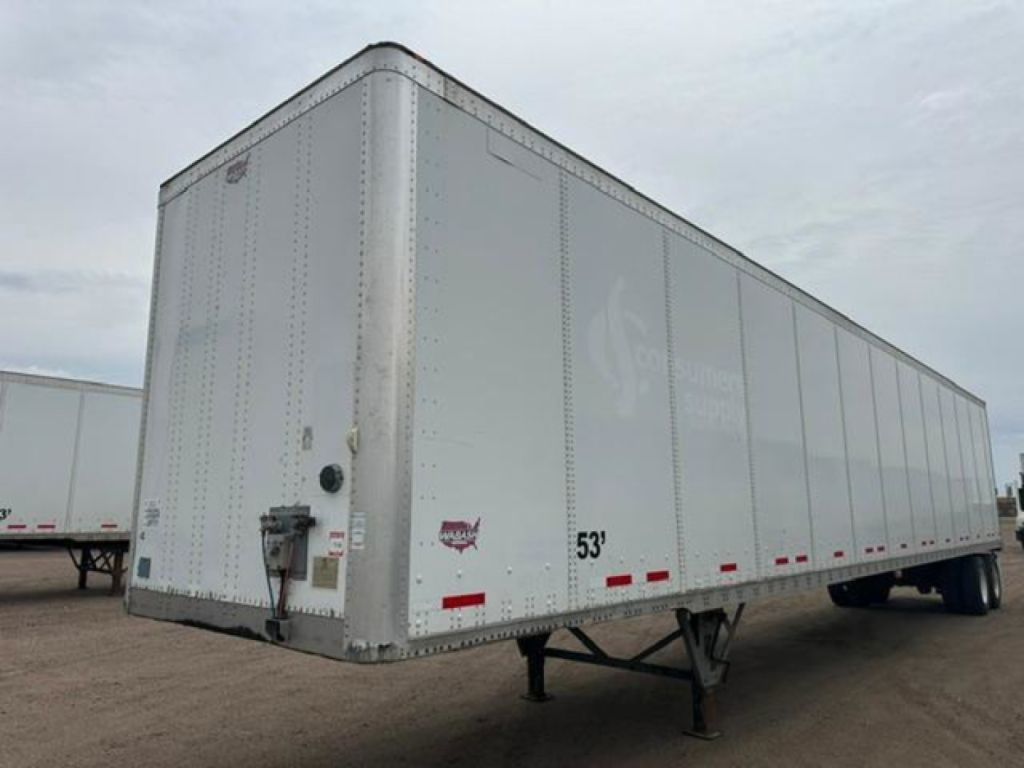
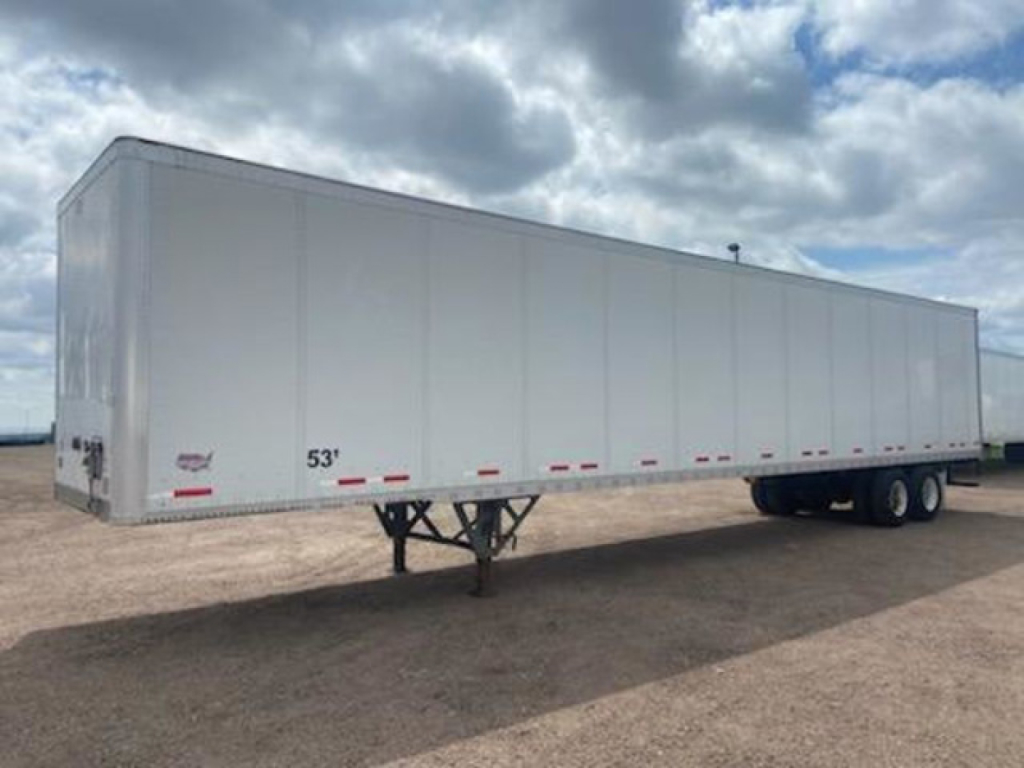
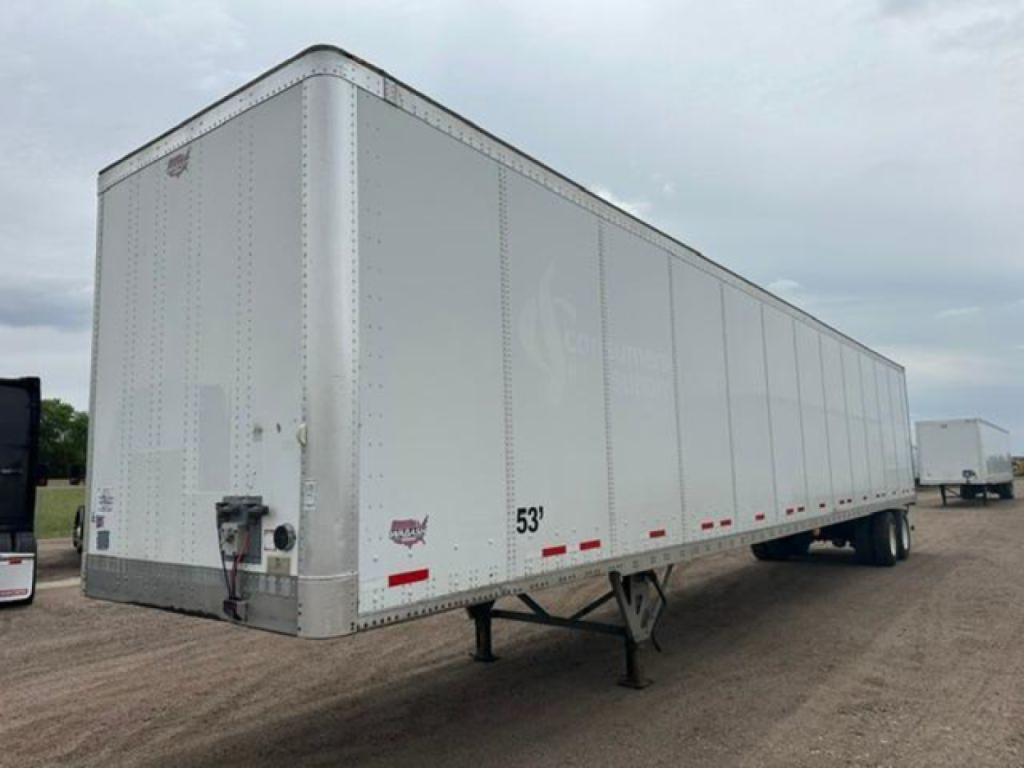
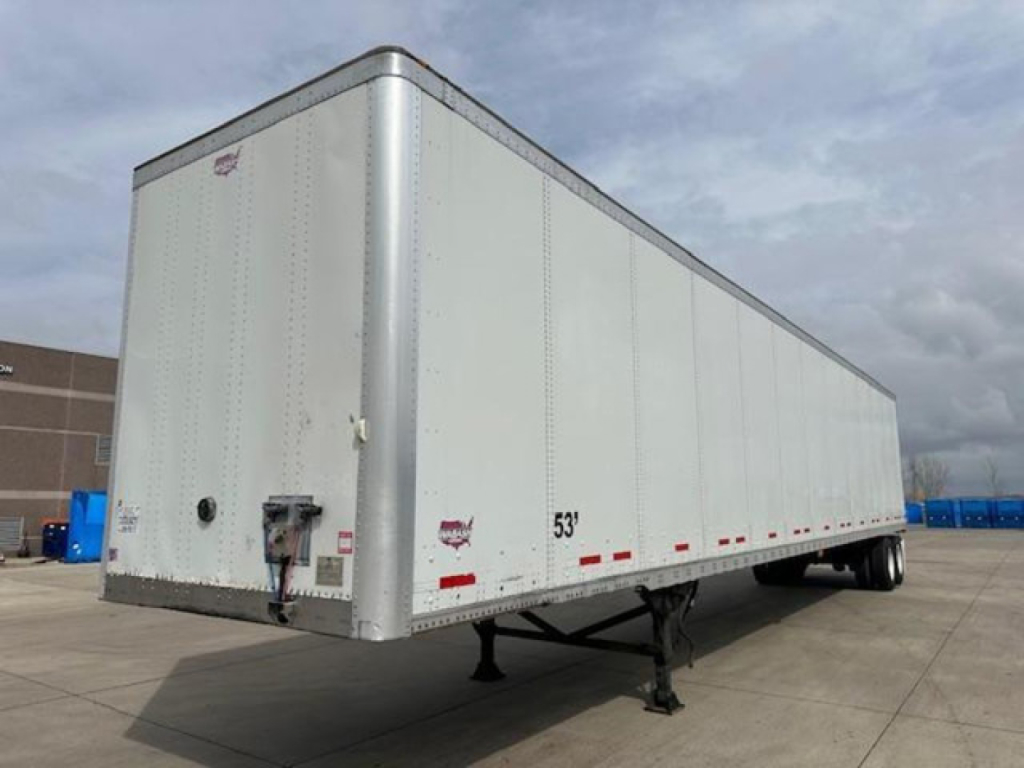
Browse 2016 Wabash van trailers for sale in South Dakota. Compare 53-foot dry van specs, air ride setups, door styles, and trailer condition.
Have 2016 wabash van trailer to sell? List it here to reach thousands of buyers.
2016 Wabash Van Trailers in South Dakota
For many buyers, the first decisions are suspension, door configuration, and interior lining. Air ride suspension is common on fleet-spec Wabash vans and helps protect freight on rougher stretches of highway while reducing shock transfer compared with spring ride setups. Roll-up doors are popular in multi-stop delivery and dock work because they keep the trailer footprint tight behind the doors, though they do add some weight and reduce rear opening height compared with swing doors. Plastic scuff liners are also common in dry van service because they help protect sidewalls from pallet and forklift contact, which matters if the trailer will see frequent loading cycles.
Roof and body condition deserve close attention on a used 2016 van trailer, especially in a state like South Dakota where weather swings, wind, snow, and road treatment can affect long-term durability. A translucent roof can improve interior visibility during daytime loading, but buyers should still inspect for repairs, leaks, and signs of delamination or impact damage. On a 53-foot dry van, it also pays to check floor condition, rear frame area, crossmembers, slider operation, tandem alignment, and kingpin wear. Tire condition by position, measured in 32nds, gives a quick read on maintenance consistency and can also point to alignment or suspension issues if wear is uneven.
A well-matched Wabash van trailer can serve regional, dedicated, or over-the-road freight with little drama if the core structure is sound. Buyers comparing listings should look beyond year and price to confirm door type, suspension spec, lining, roof style, brake condition, tire life, and any evidence of prior body repair. If the trailer will be used in drop-and-hook freight, distribution center work, or heavier forklift traffic, structural condition and floor integrity matter more than cosmetics. For dry freight carriers, a 2016 Wabash van remains a common, easy-to-place trailer category with predictable operating characteristics and resale familiarity.
Frequently Asked Questions about 2016 Wabash Van Trailers in South Dakota
What should I inspect first on a used 2016 Wabash van trailer?
Start with the structural items that affect service life and safety: floor condition, crossmembers, rear frame, roof, sidewalls, kingpin area, slider rails, suspension, brakes, and tire wear. On a dry van, forklift damage inside the trailer can tell you a lot about how hard it was used. Uneven tire wear, cracked lining, door frame damage, or signs of roof leaks can also point to deferred maintenance or prior impact repairs.
Is air ride suspension better on a dry van trailer?
Air ride is a strong choice for most dry van applications because it helps reduce vibration and cargo shock, especially on long regional and over-the-road lanes. It is common on fleet van trailers and is well suited for palletized freight, retail loads, and more fragile cargo. The tradeoff is that air systems add components that need inspection and upkeep, including bags, valves, and related hardware.
What is the advantage of a roll-up door on a 53-foot van trailer?
A roll-up door works well when a trailer is used at crowded docks or on routes with frequent stops, because the door does not swing outward into traffic or dock space. It can speed up loading access in tight environments and reduce the chance of door swing damage. The main drawbacks are added weight, more moving parts, and slightly less rear opening height than a swing door setup.
Are translucent roofs desirable on used dry van trailers?
A translucent roof is often desirable because it brings more natural light into the trailer during loading and unloading, which can improve visibility and reduce dependence on exterior dock lighting. Buyers should still inspect it carefully for cracks, patches, seal issues, and signs of water intrusion. The benefit is convenience and visibility, but condition matters more than the feature alone.
Why are 2016 Wabash van trailers common in fleet service?
Wabash dry vans are common because the brand has a large installed base, broad parts availability, and specifications that fit mainstream freight operations. That makes them easier to maintain, easier to place on common freight lanes, and easier for buyers to compare across multiple listings. For used trailer shoppers, that familiarity can make valuation and repair planning more predictable.