
2016 Utility Van Trailers For Sale
Browse 2016 Utility van trailers with specs buyers want: 53-foot dry vans, air ride, sliding tandems, logistics posts, and durable lining.
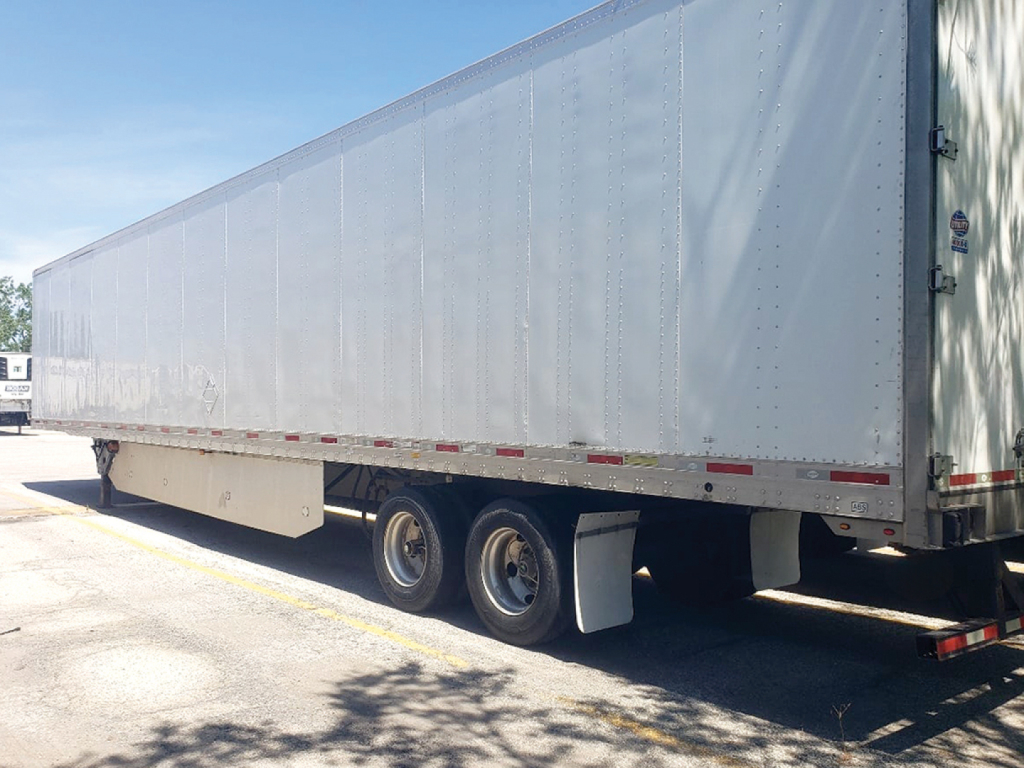
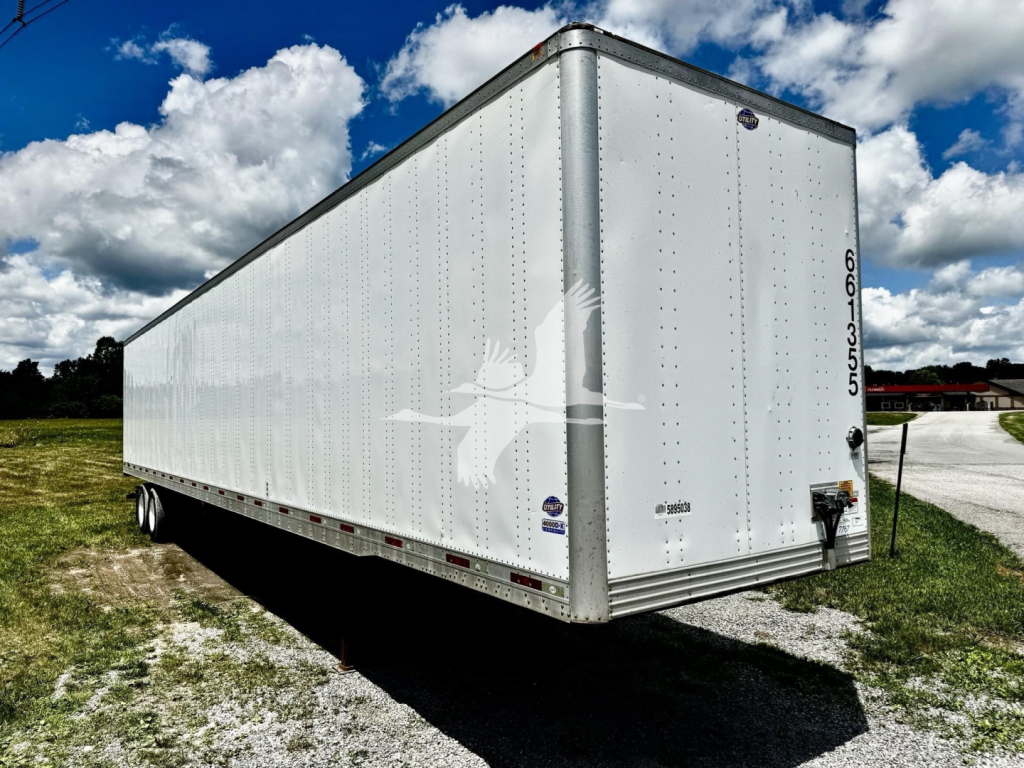
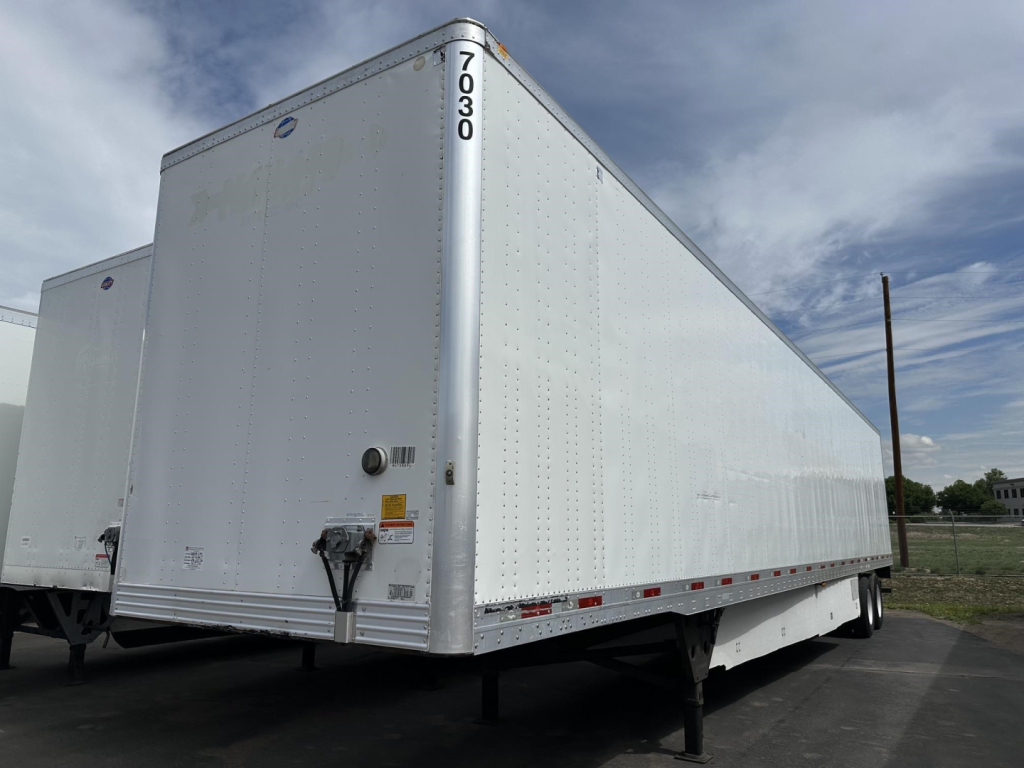
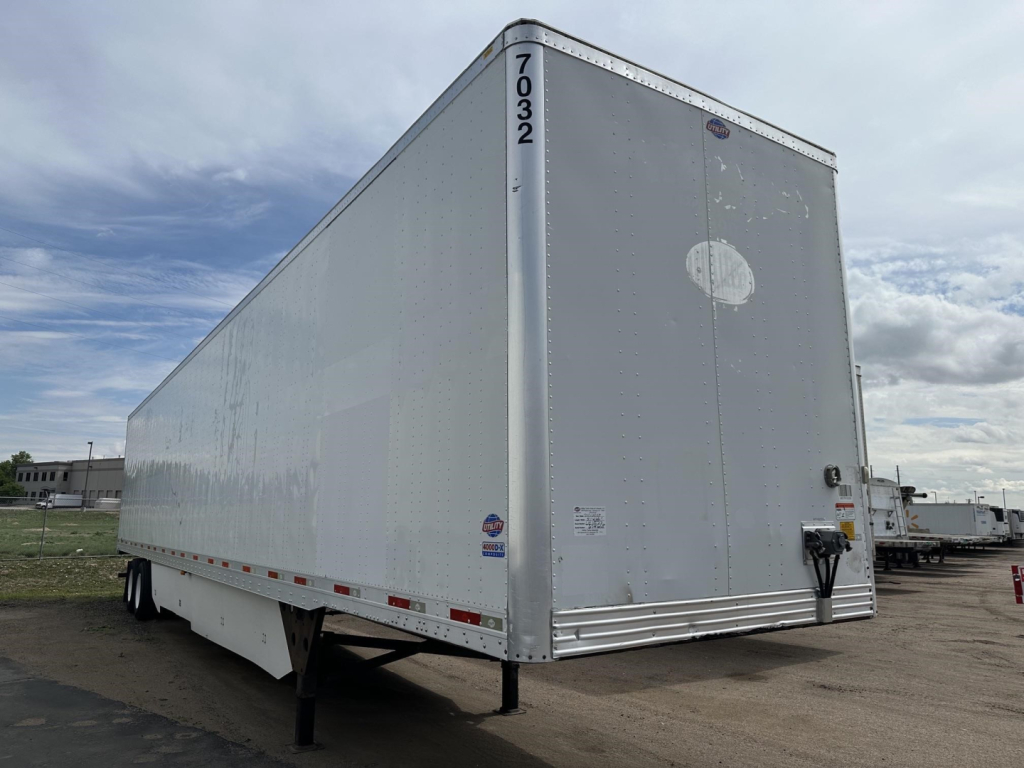
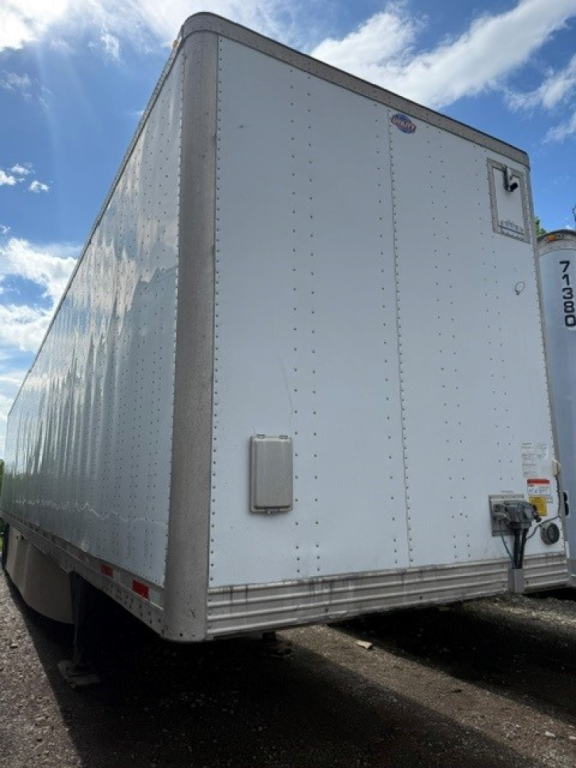
Have 2016 utility van trailer to sell? List it here to reach thousands of buyers.
2016 Utility Van Trailers
The biggest buying decisions usually come down to interior condition and fleet spec. A 2016 Utility van may be equipped with logistics posts or a full logistics track package for load securement flexibility, along with scuff liners or scuff plate protection to reduce wall damage from forklifts and pallets. Floor type and floor wear matter as much as the outside appearance. A trailer with a sound wood floor, clean threshold plate area, and straight rear frame can save significant repair cost after purchase. Stainless steel rear door frames, aluminum wheels, and aluminum components can also help with corrosion resistance and lower empty weight, especially in high-mileage regional or over-the-road service.
Running gear spec affects how useful the trailer will be in your lane. Many Utility vans from this era were ordered with air ride suspension and sliding tandems, which gives carriers more flexibility for bridge law compliance, dock positioning, and customer weight distribution requirements. Brake type matters too. Disc brakes can improve stopping performance and reduce maintenance variability, while drum brake trailers may be more familiar in some fleets and shops. Tire condition, wheel-end health, axle alignment, and tandem slider operation should all be checked closely on a used 2016 van trailer, particularly if it has spent time in slip-seat fleet service or dense urban pickup and delivery work.
Utility dry vans from the mid-2010s remain a practical choice because they are easy to place into general freight service and easy to remarket later. For buyers comparing several 2016 Utility van trailers, the most important differences are usually not the badge on the nose but the trailer's maintenance history, lining condition, door seal integrity, roof repairs, and signs of crossmember or floor damage. A clean, well-spec'd 2016 Utility van trailer can still be a strong asset for fleet expansion, owner-operator contract work, or replacing older dry van capacity without moving into a new-trailer price point.
Frequently Asked Questions about 2016 Utility Van Trailers
What is the typical spec for a 2016 Utility van trailer?
Most 2016 Utility van trailers in the dry van category are 53 feet long, 102 inches wide, and built for standard over-the-road freight service. Common specs include air ride suspension, sliding tandems, swing doors, 22.5 low-profile tires, wood flooring, aluminum roof construction, and logistics posts or liner packages. Exact configuration varies by original fleet order, so buyers should verify brake type, roof height, interior lining, and wheel material on each trailer.
What should I inspect first on a used 2016 Utility dry van trailer?
Start with the floor, roof, rear frame, and tandem slider system. Floor repairs, soft spots, forklift damage, threshold wear, and broken or patched crossmembers can turn an average purchase into an expensive one. Roof bows, roof skin repairs, door seals, hinge wear, and signs of water intrusion are also critical. On the running gear side, inspect suspension components, brake wear, tire condition, and slider rail function because those items directly affect uptime and DOT readiness.
Are 2016 Utility van trailers good for general freight?
Yes. A 2016 Utility dry van is well suited for palletized consumer goods, boxed freight, non-temperature-sensitive retail loads, and many dedicated contract lanes. This trailer class is popular because it works across a wide range of docks and shippers, and Utility trailers are common enough that many shops already know the product well. The best fit is dry freight that benefits from enclosed protection but does not require refrigeration or specialized deck access.
Why do sliding tandems matter on a van trailer?
Sliding tandems give the trailer more flexibility for legal axle weight distribution, bridge compliance, and customer-specific dock or yard requirements. They also help carriers adapt the trailer to different tractor wheelbases and load placements. On a used trailer, the slider should move smoothly, lock correctly, and show no excessive wear or damage in the rail and pin areas. A damaged or seized slider can limit dispatch options and add repair cost quickly.
Is air ride suspension preferable on a 2016 Utility van trailer?
Air ride suspension is generally preferred for dry van service because it helps protect freight, improves ride quality, and is widely accepted in premium freight and contract lanes. It can also reduce vibration-related cargo issues compared with harsher suspension setups. Buyers should still inspect the air bags, valves, shocks, bushings, and ride height condition closely, because suspension wear on a used trailer affects tire life, brake performance, and overall handling.