
2016 Trailers For Sale in Pennsylvania
Browse 2016 trailers for sale in Pennsylvania, including flatbed, drop deck, and specialized trailer types for freight and equipment hauling.
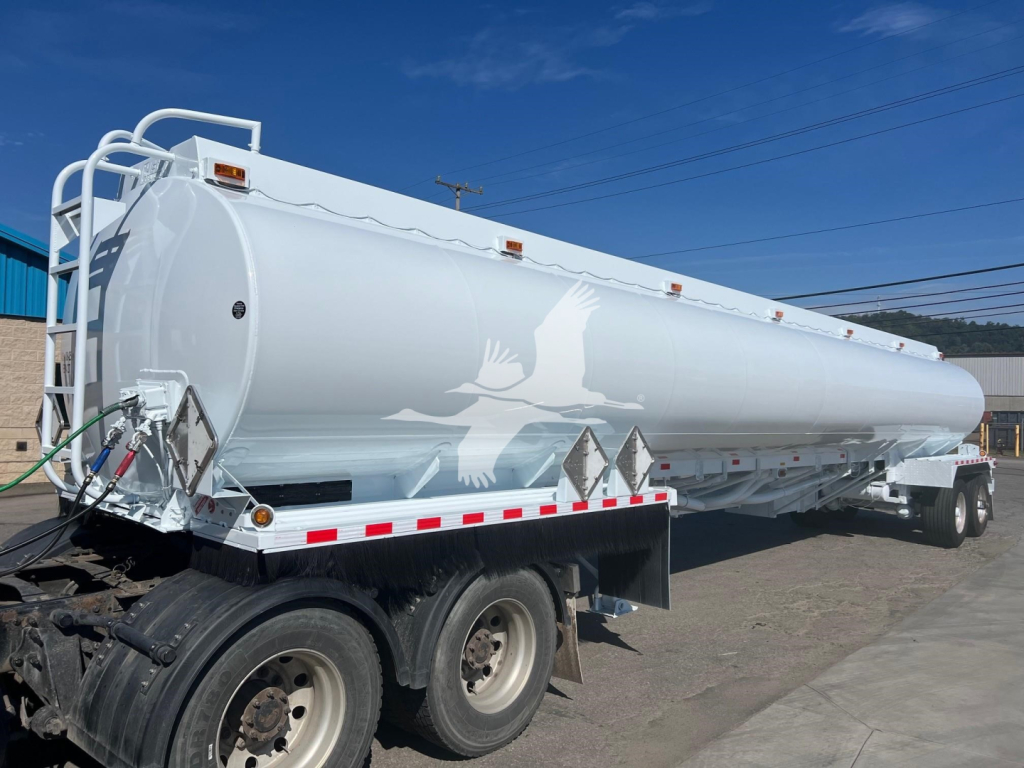
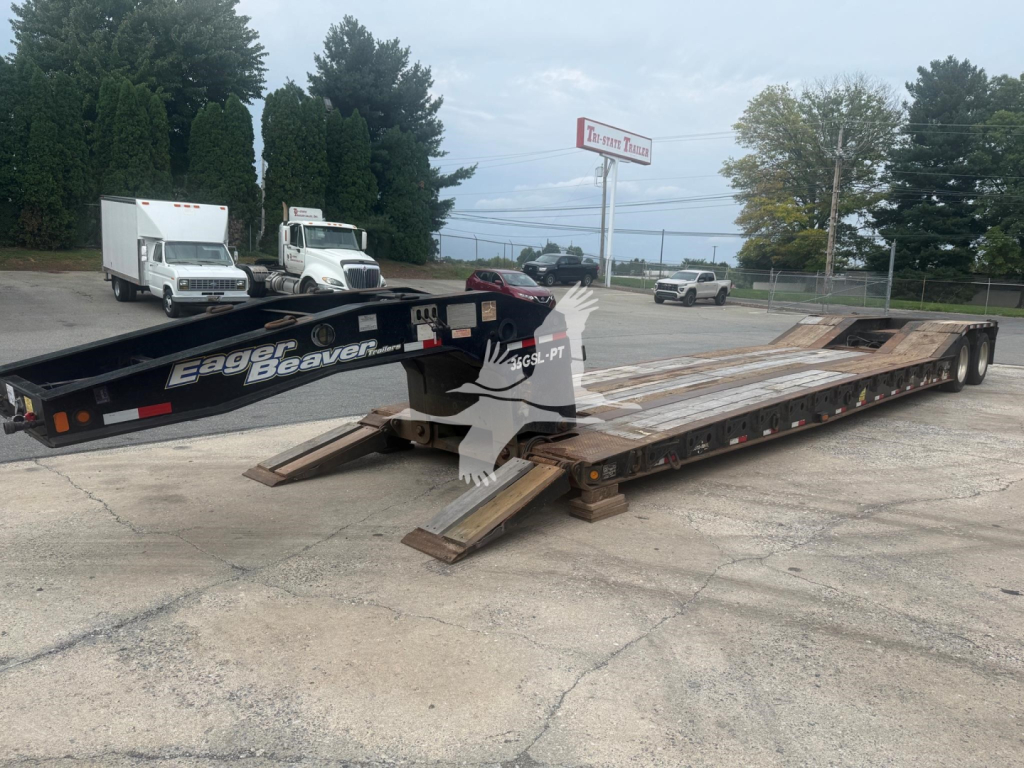
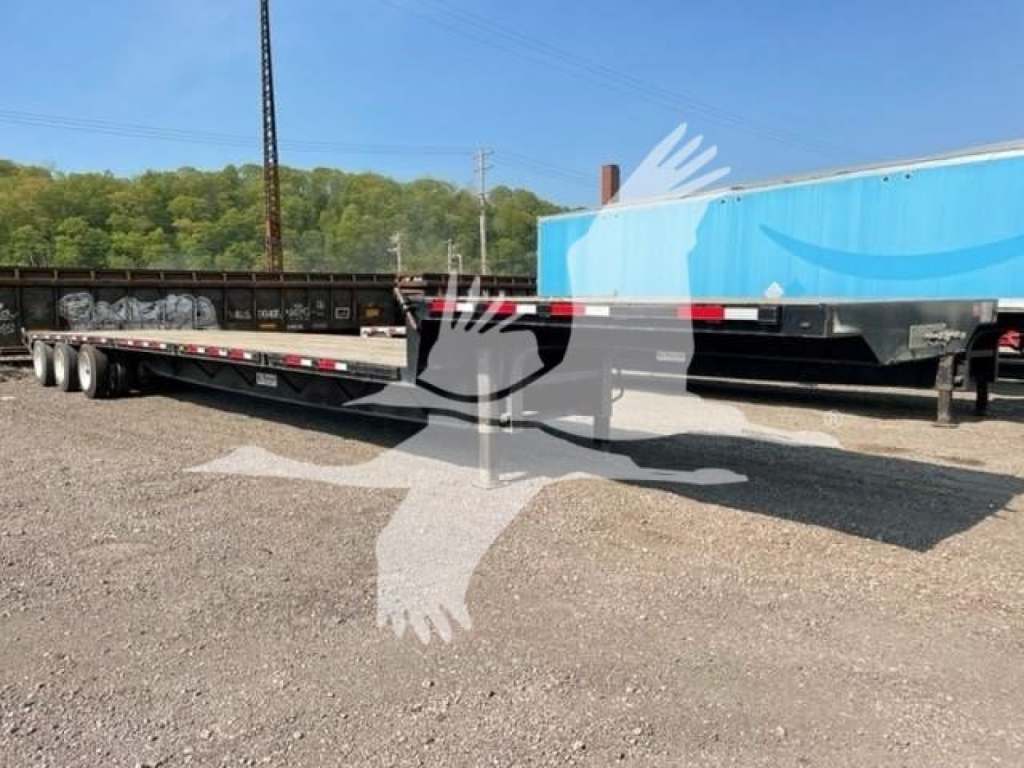
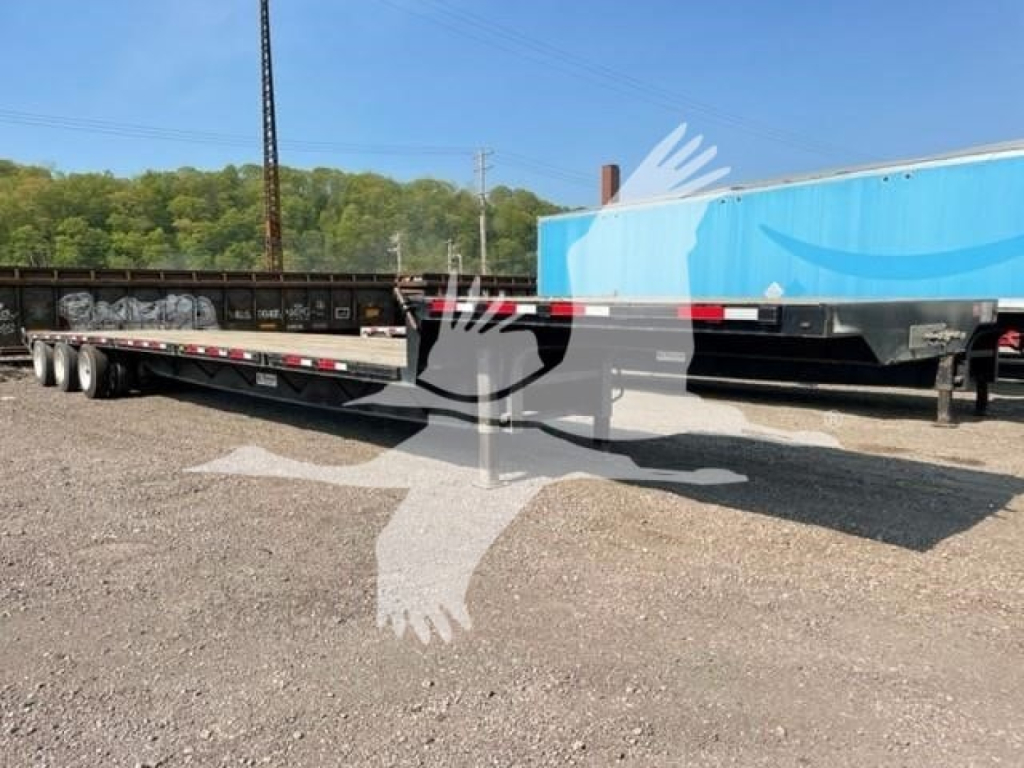
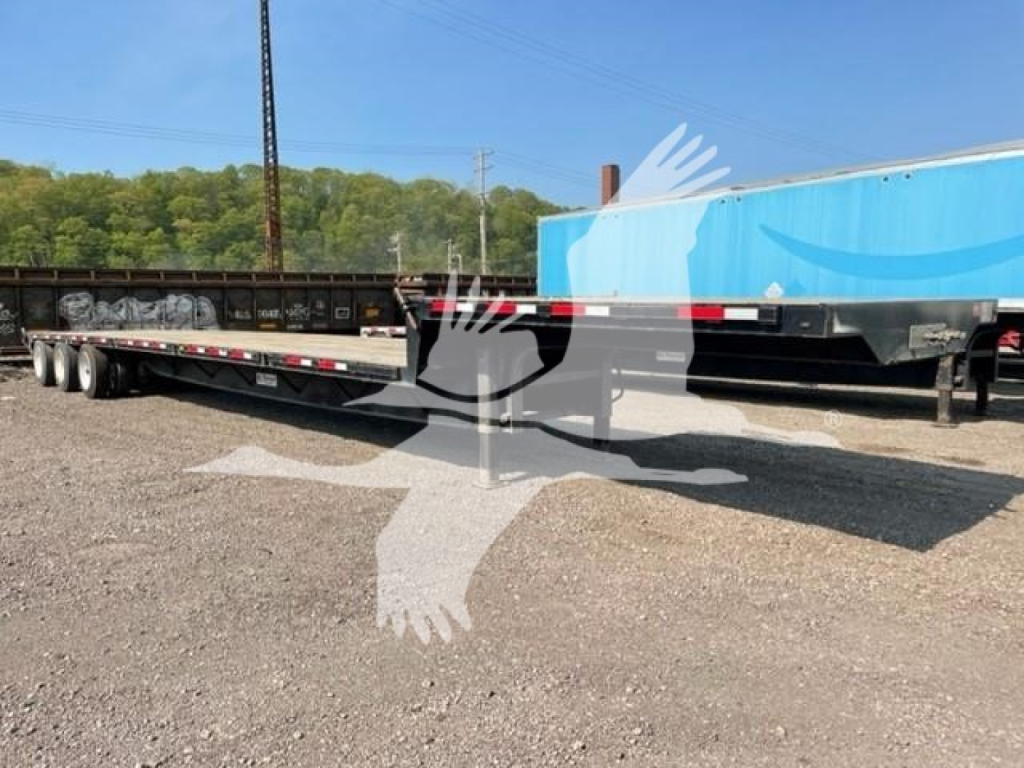
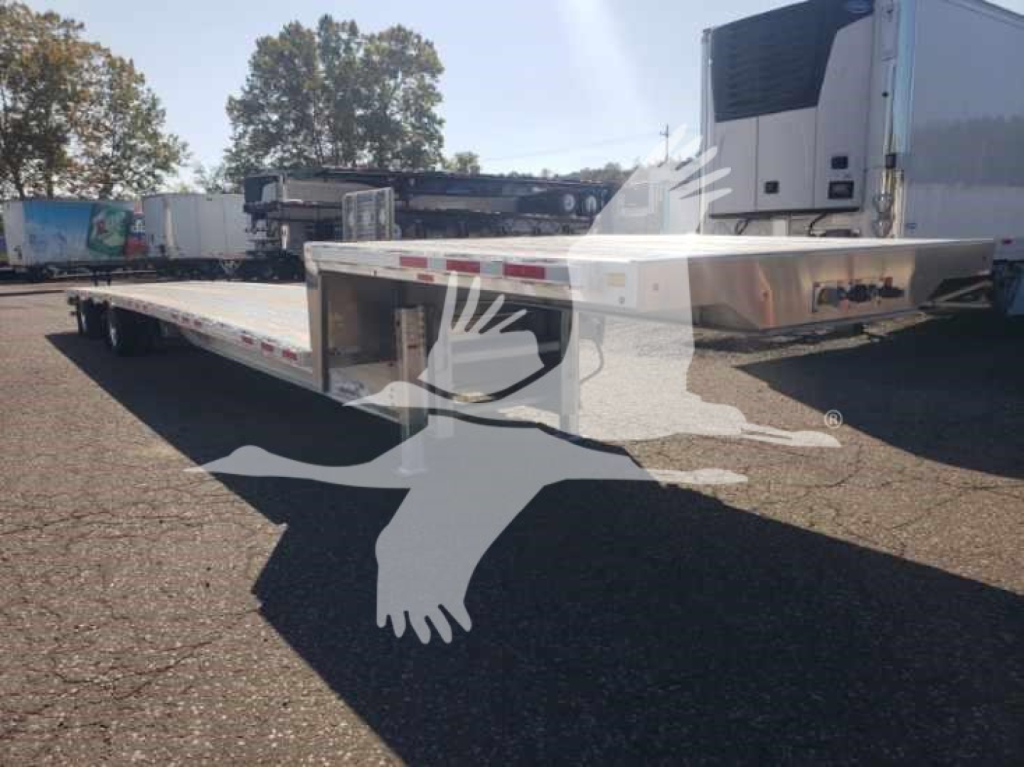
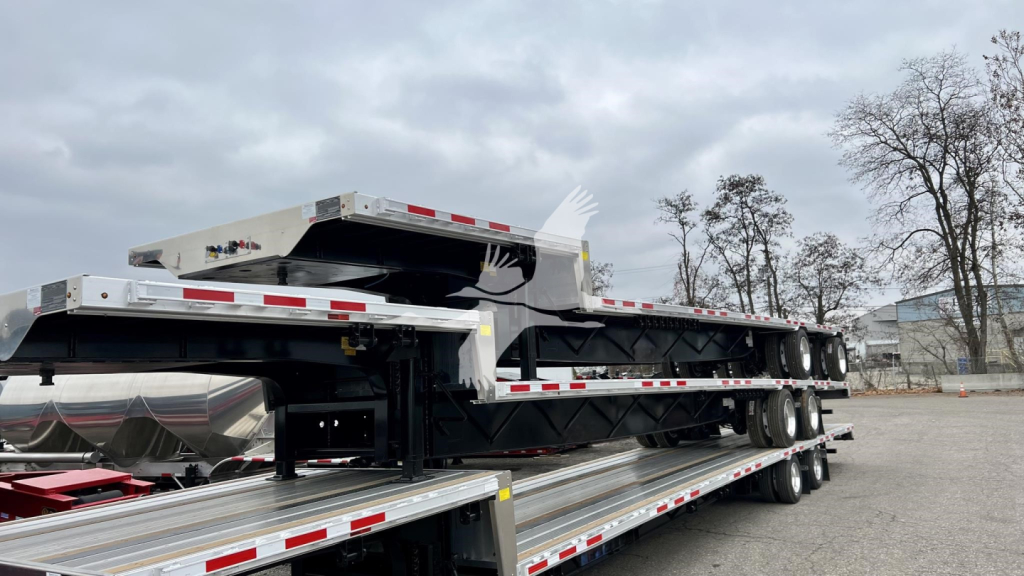
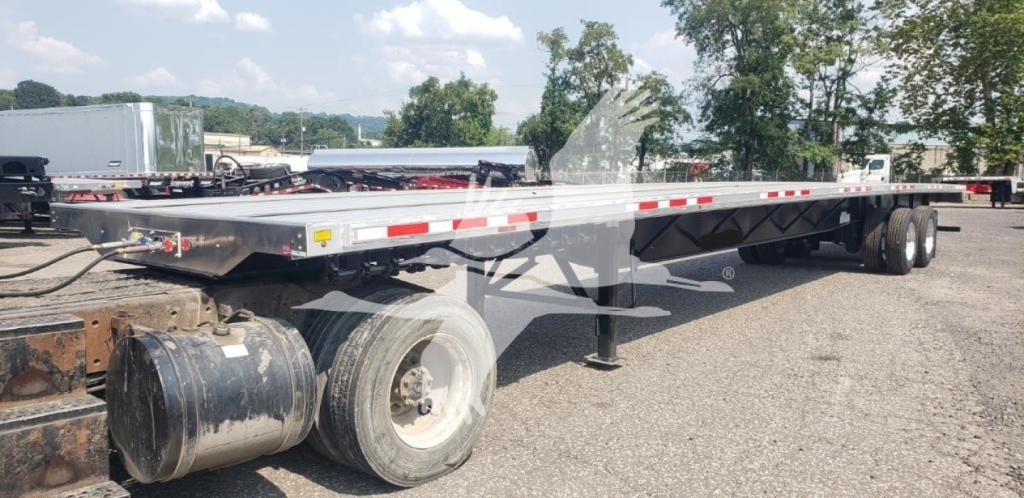
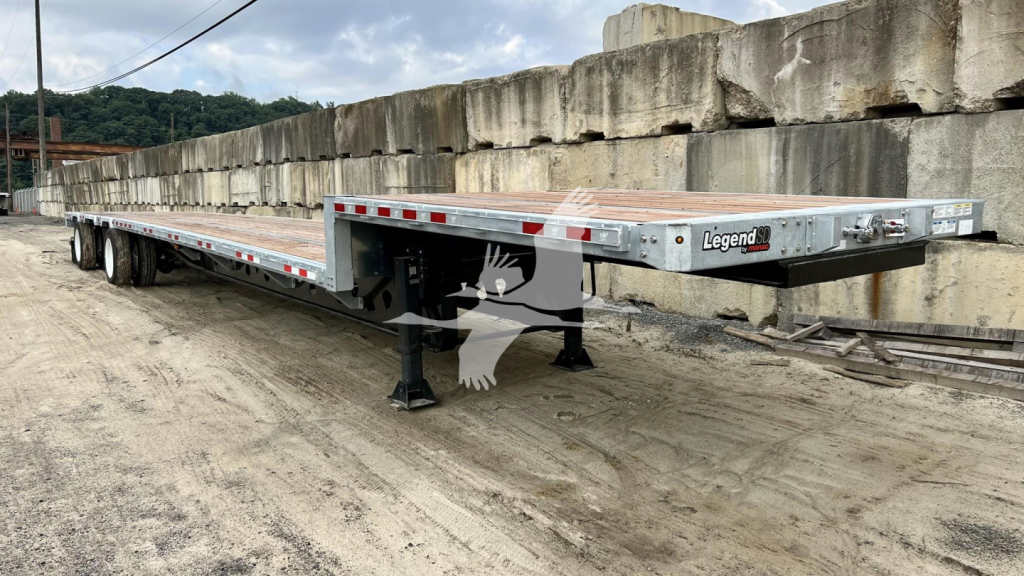
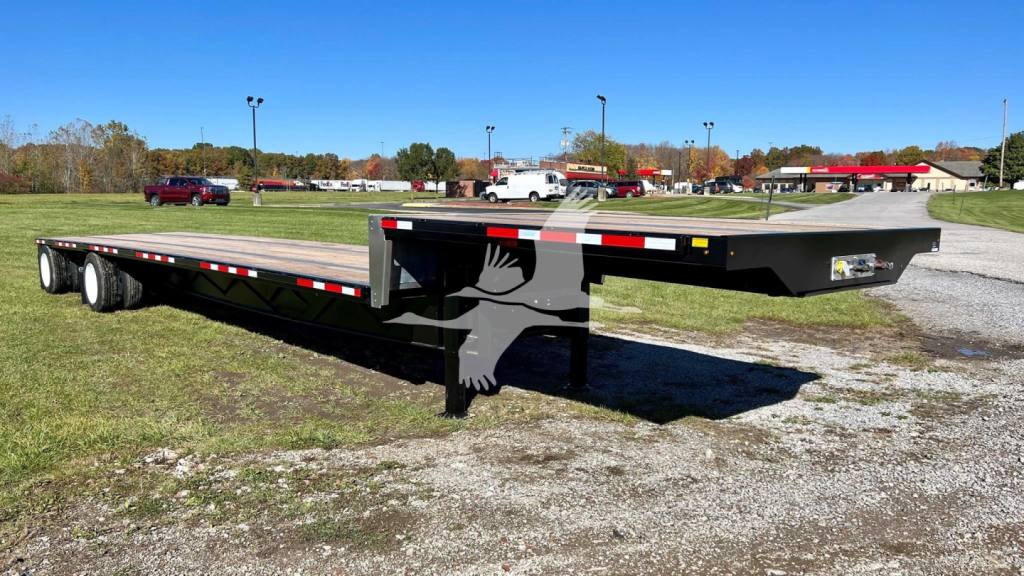
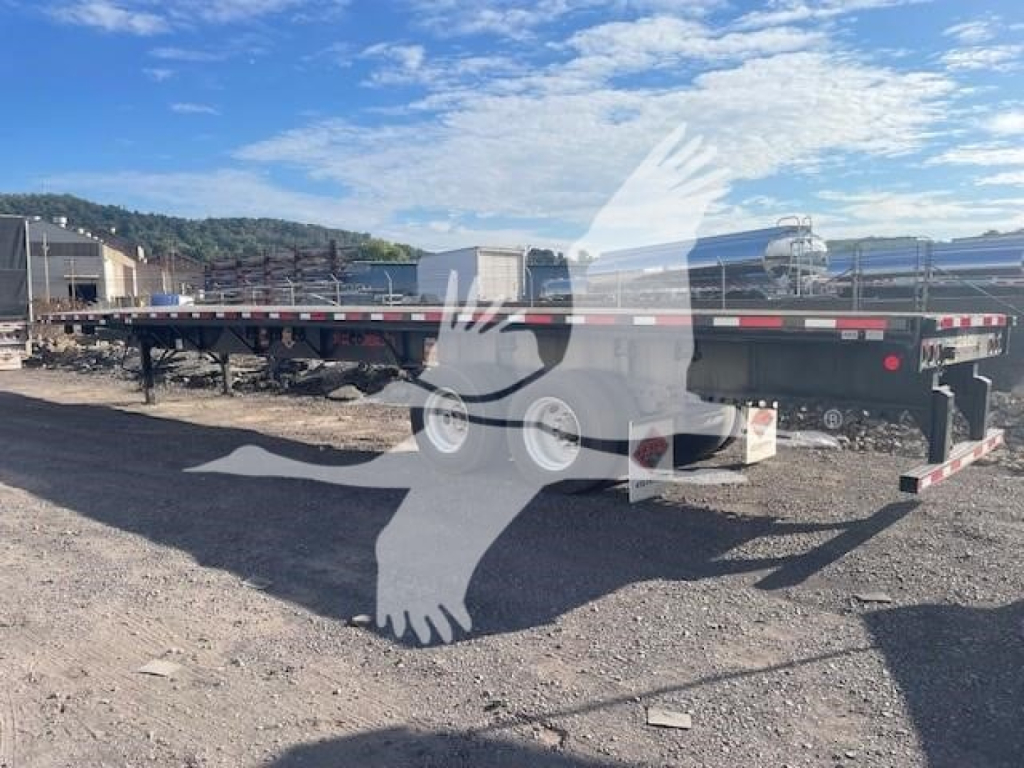
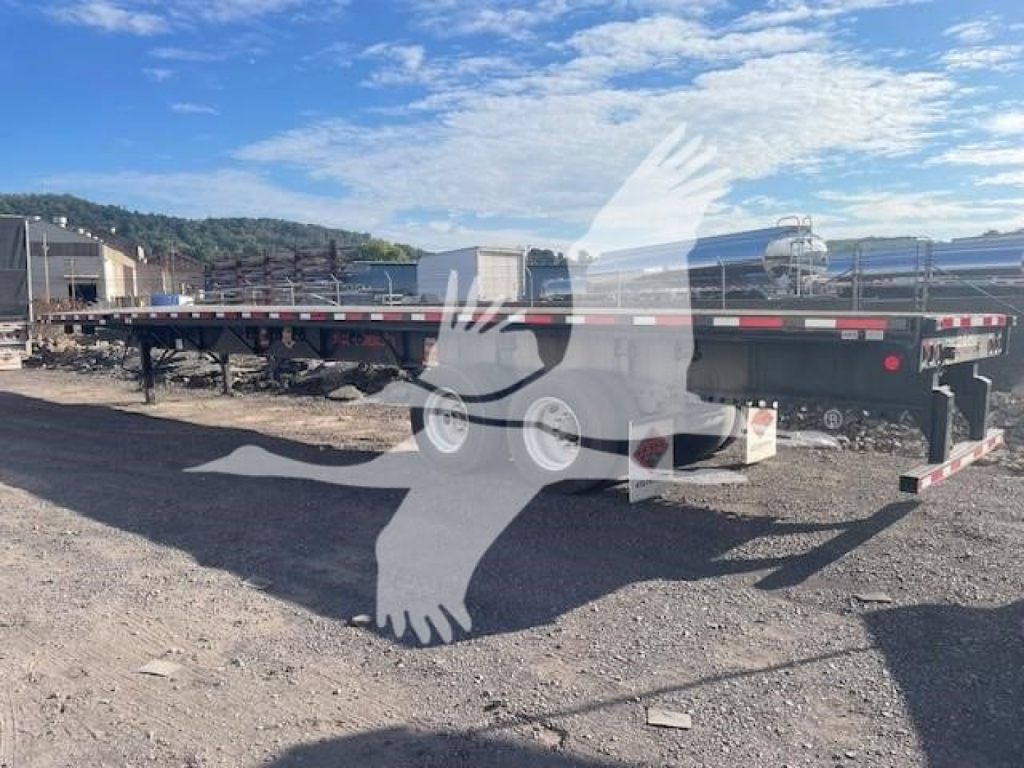
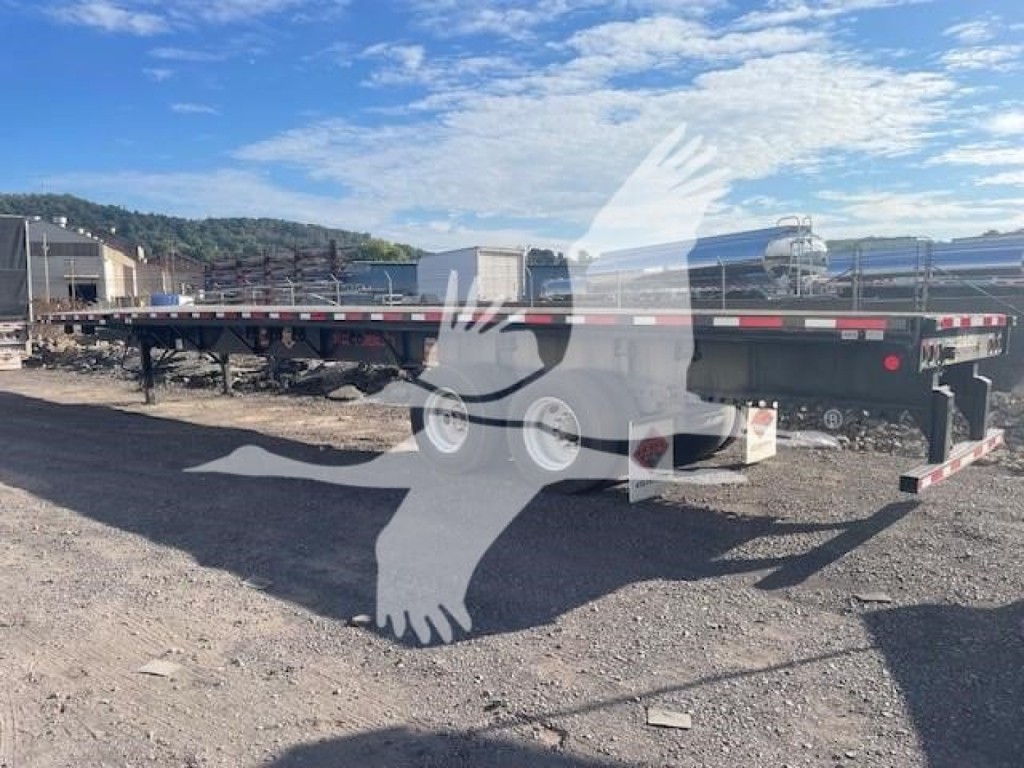
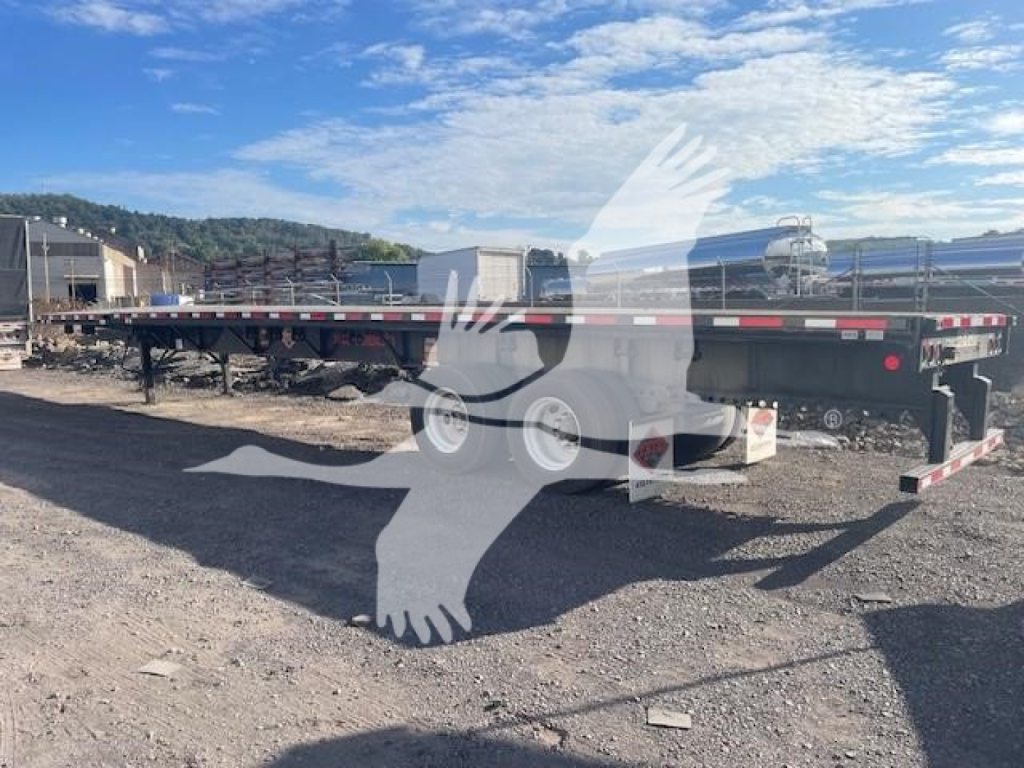
Selling a 2016 trailer? List your 2016 trailer for sale and reach thousands of commercial buyers.
2016 Trailers in Pennsylvania
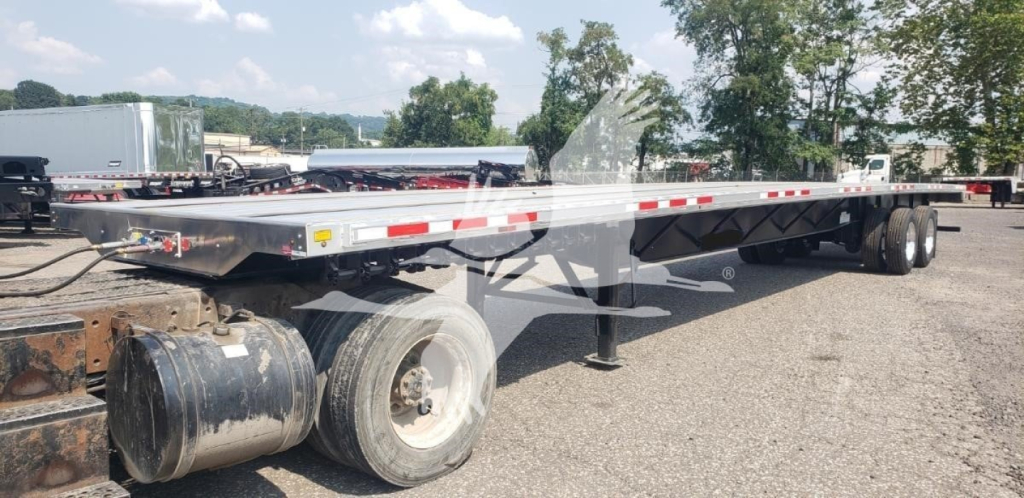
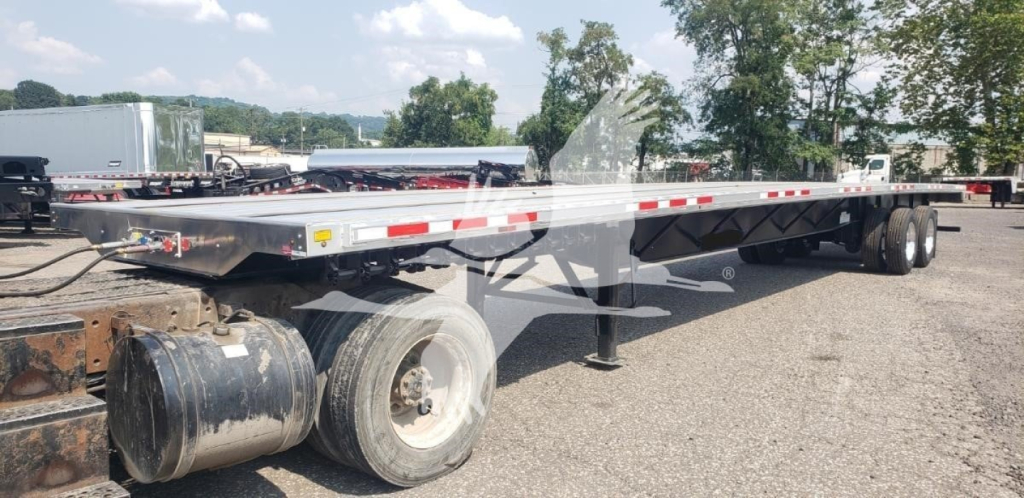
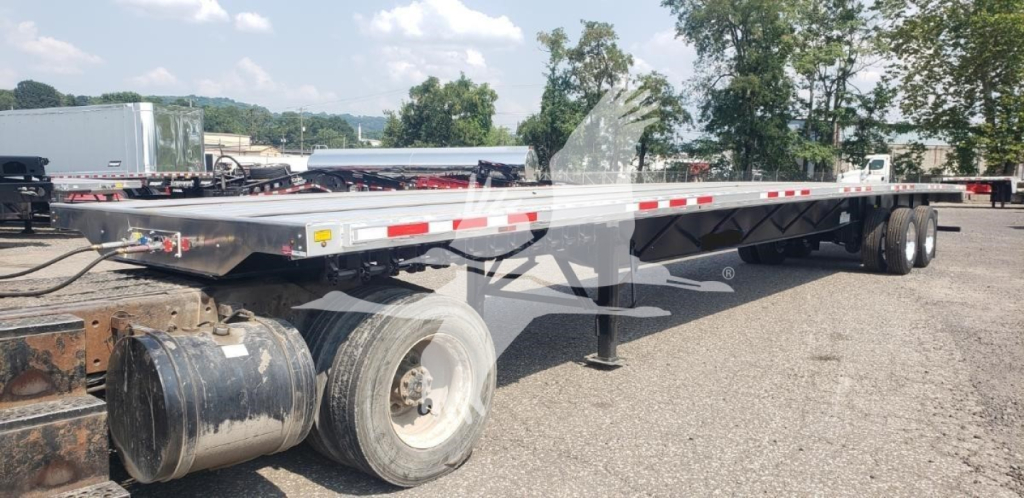
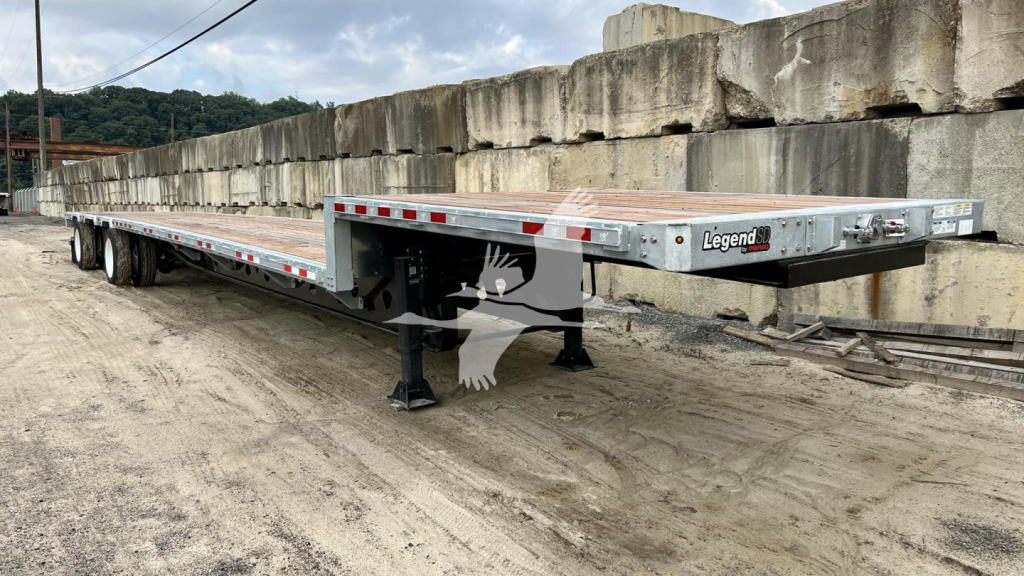
For open-deck buyers, the main decisions usually come down to deck length, deck height, construction material, axle configuration, and securement package. Flatbeds and drop decks from this era are commonly found in 48-foot and 53-foot lengths with 102-inch width, tandem or spread axles, air ride or spring suspension, aluminum, steel, or combo construction, and features such as winch tracks, sliding winches, chain tie-downs, coil packages, and apitong or aluminum flooring. If the work includes taller freight, a drop deck can give needed loaded height margin. If payload matters most, an all-aluminum flatbed may be the better fit. Equipment and heavy-haul buyers should pay special attention to detachable gooseneck design, deck height, axle spacing, ride height adjustment, pony motor or hydraulic system condition, and compatibility with flip axles or outriggers.
Condition matters more than age alone on a 2016 trailer. Buyers should inspect crossmembers, side rails, main beams, neck structure, landing gear, bushings, air system leaks, ABS function, tire wear pattern, wheel-end service history, and any signs of repairs around concentrated stress points. In Pennsylvania and the surrounding Northeast, road salt can accelerate corrosion on steel components, wiring, light connections, and brake hardware, so underside inspection is critical. Tire size, suspension brand, kingpin setting, and frame layout also matter because they affect parts support, fifth wheel fit, bridge compliance, and everyday serviceability.
A well-spec'd 2016 trailer still fits a wide range of operations if the configuration matches the job. Flatbeds are commonly used for steel, lumber, machinery, and building products. Drop decks are a common choice for taller palletized freight, crated equipment, and loads that need extra deck clearance. Double drops and detachables are built for heavier or taller machinery where low deck height and specialized loading matter more than tare weight. The best buy is usually the trailer with the cleanest structural condition, the right axle and deck setup, and a securement package that reduces modification costs after purchase.
Frequently Asked Questions about 2016 Trailers in Pennsylvania
What should I inspect first on a 2016 used trailer?
Start with the structure. Check the main beams, crossmembers, gooseneck or front bolster area, rear frame, suspension hangers, and landing gear mounts for cracks, bends, corrosion, or welded repairs. Then inspect brake components, air lines, ABS operation, tires, wheels, and wheel ends. On open-deck trailers, pay close attention to floor condition, winch track wear, tie-down integrity, and any damage from forklifts or concentrated loading.
Is a 2016 trailer too old for regular over-the-road use?
Not necessarily. A 2016 trailer is still viable for regular commercial use if it has been maintained correctly and the structure is sound. Trailer lifespan depends more on duty cycle, loading practices, environment, and preventive maintenance than model year alone. A well-kept 2016 flatbed, drop deck, van, or equipment trailer can continue to perform reliably if brakes, suspension, tires, lighting, and structural components are in good condition.
What trailer types are common in the 2016 model year?
The 2016 model year covers a broad range of trailer categories, including flatbeds, drop decks, double drops, detachable goosenecks, dry vans, refrigerated trailers, dump trailers, lowboys, and other vocational designs. Common open-deck specs from that era include 48-foot or 53-foot lengths, 102-inch width, tandem or spread axles, air ride suspension, and aluminum, steel, or combo construction. The right type depends on freight dimensions, loading method, payload targets, and route restrictions.
What matters most when choosing between a 2016 flatbed and a 2016 drop deck?
The deciding factor is usually freight height and loading profile. A flatbed offers a simple deck layout and broad freight flexibility, while a drop deck provides lower main deck height for taller cargo that still needs to stay under legal overall height. Buyers should compare deck length, loaded deck height, securement options, axle spread, and tare weight. If your freight regularly pushes legal height limits, the drop deck usually provides more margin.
Are Pennsylvania-used trailers more likely to have corrosion issues?
They can be, especially if they spent multiple winters on salted roads. Pennsylvania buyers should inspect the underside carefully for rust on crossmembers, axles, brake chambers, suspension components, wiring clips, and light brackets. Surface rust is common and not always a deal breaker, but scaling, deep corrosion, or rust around structural welds deserves close attention. Corrosion matters most when it affects structural strength, braking reliability, or future maintenance cost.