
2016 Flatbed Trailers For Sale in Pennsylvania
Shop 2016 flatbed trailers in Pennsylvania. Compare aluminum and steel specs, deck length, suspension, weight, and tie-down setup.
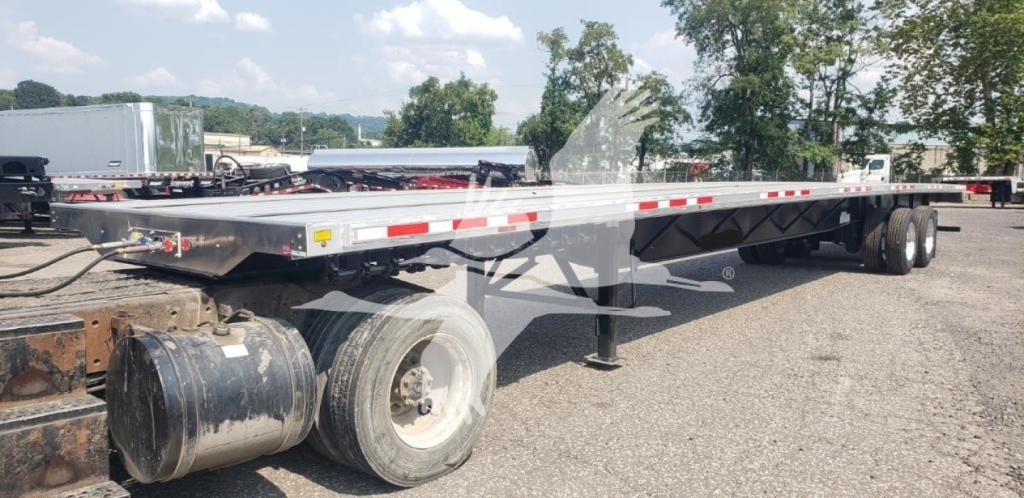
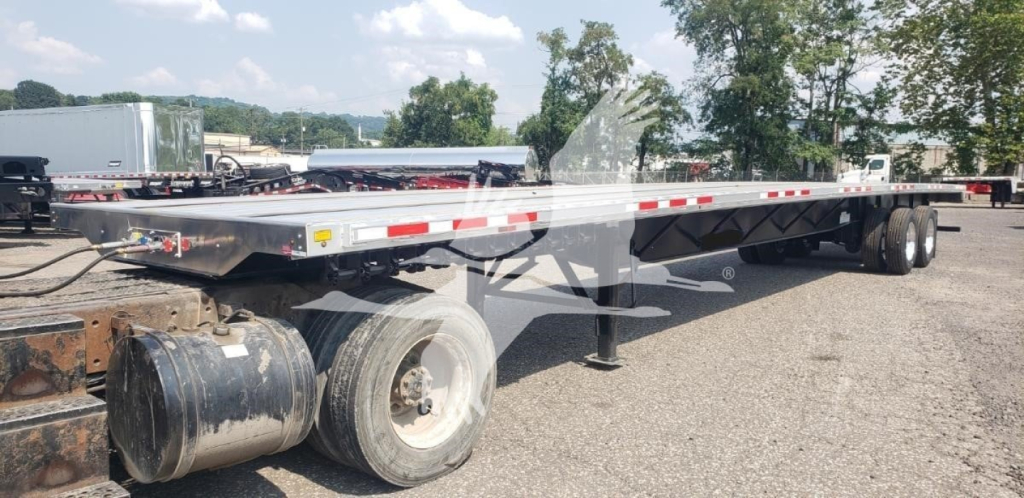
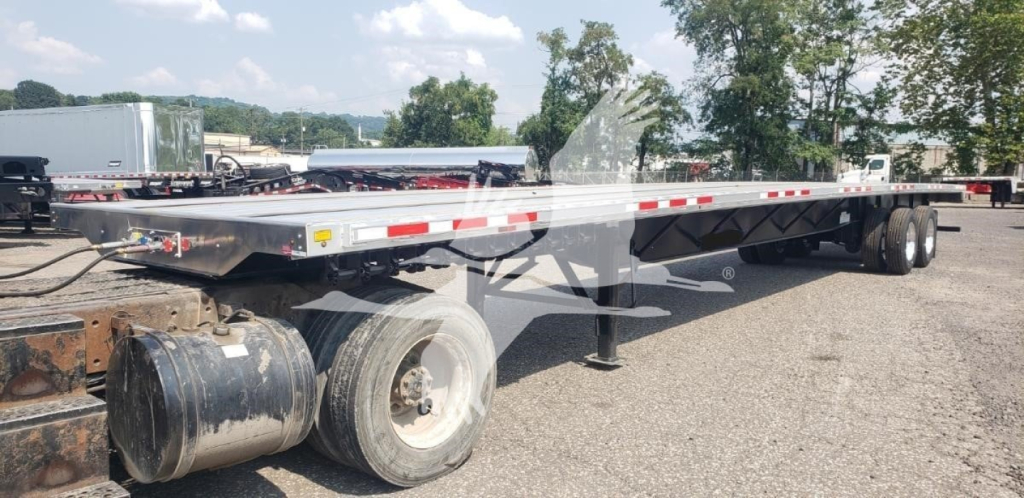
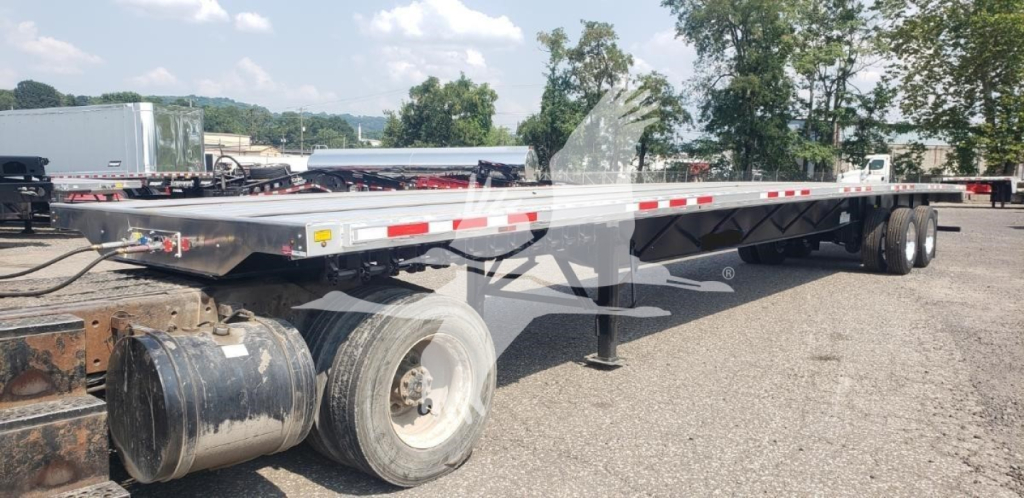
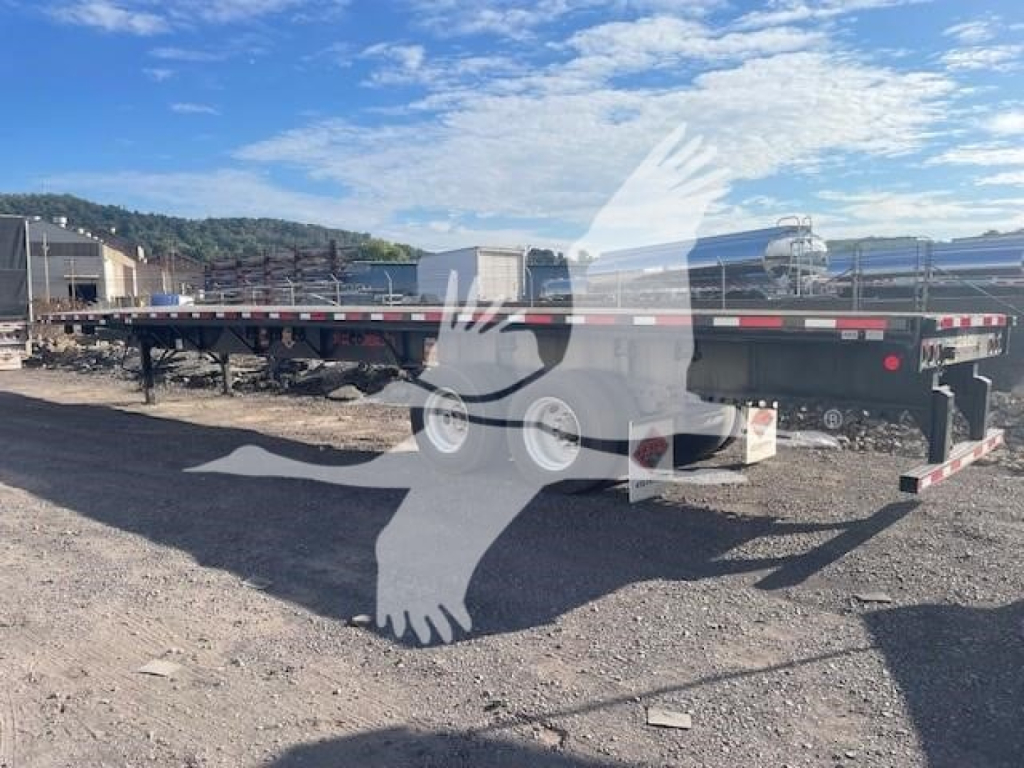
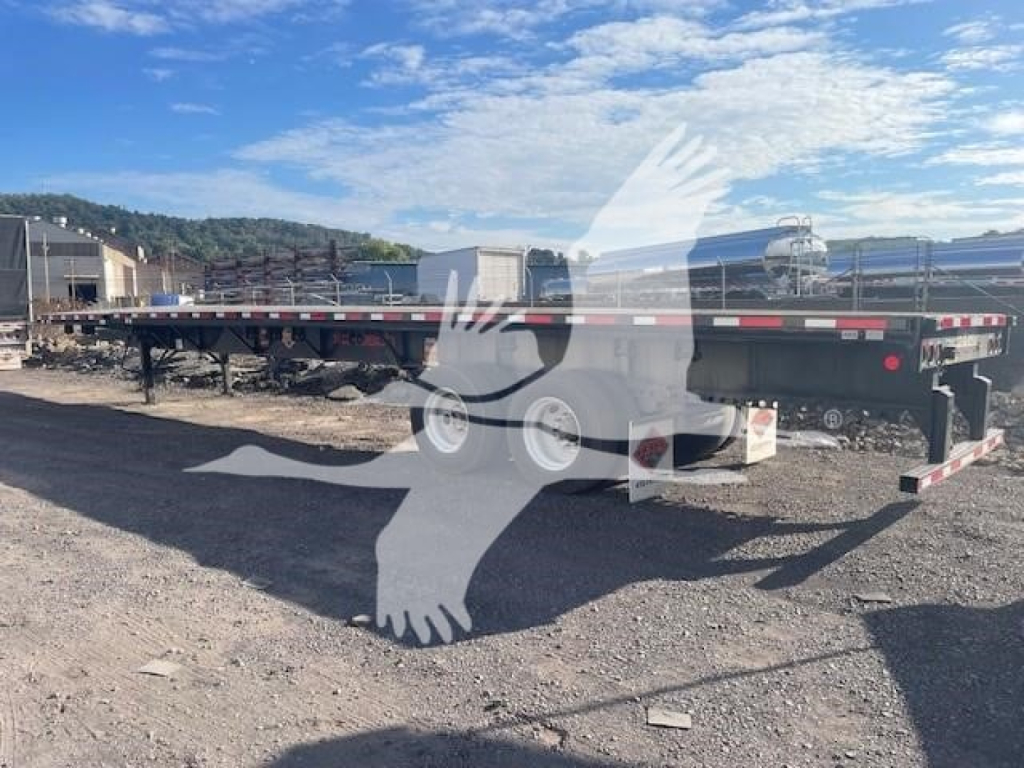
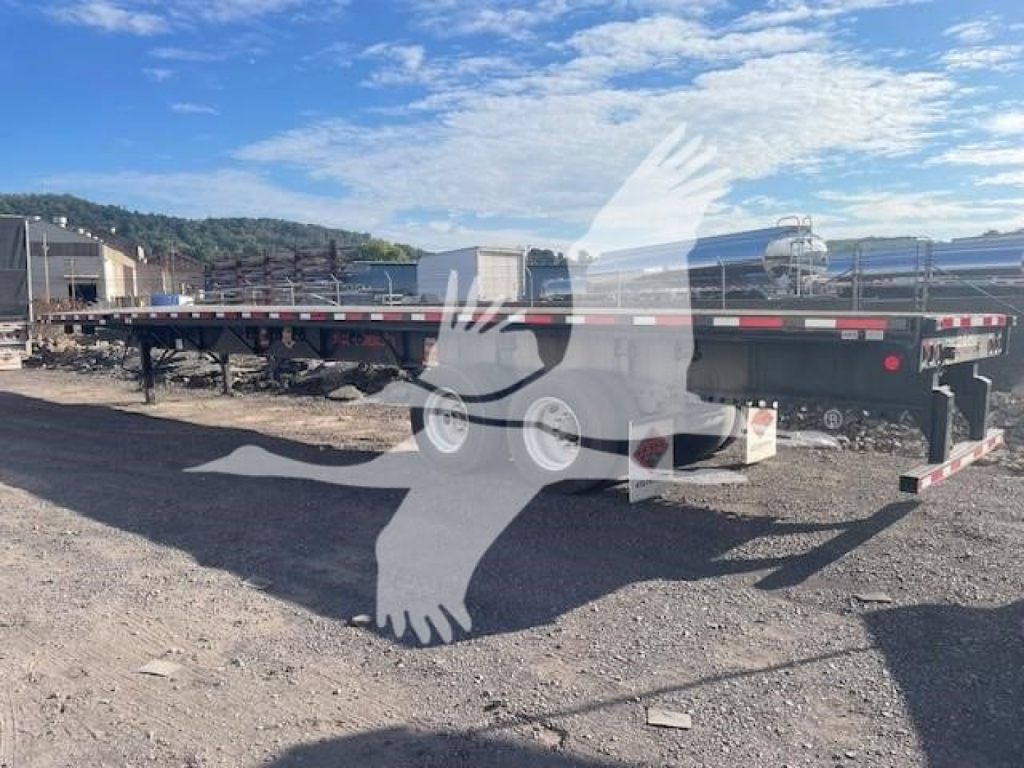
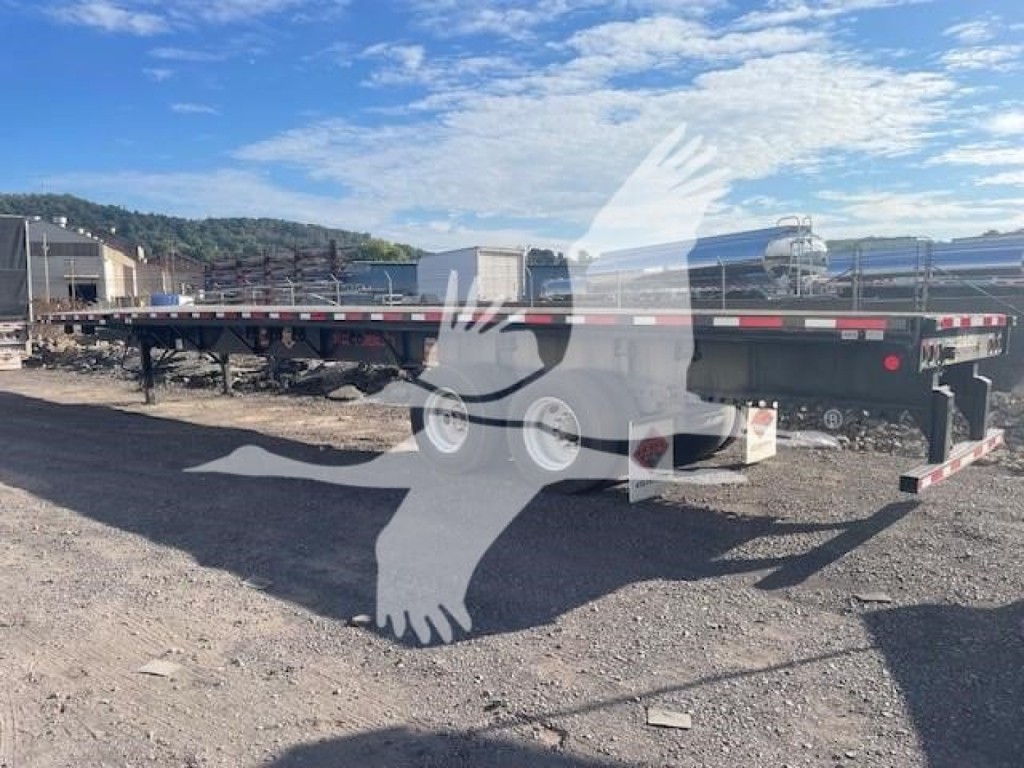
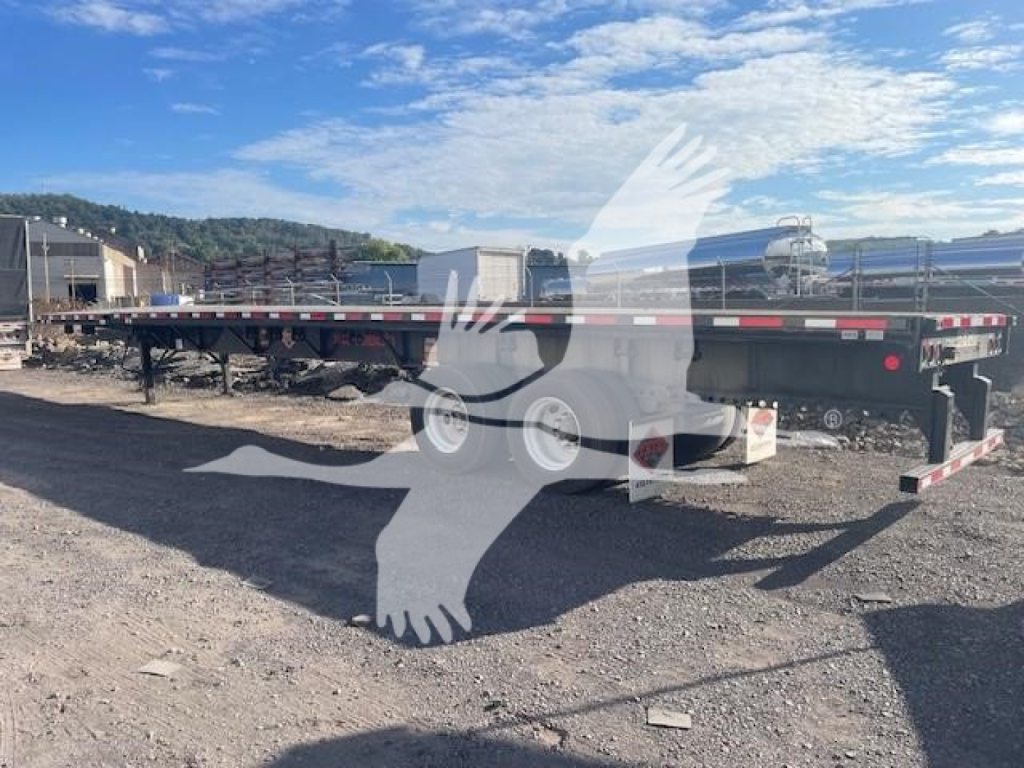
Selling a 2016 flatbed trailer? List your 2016 flatbed trailer for sale and reach thousands of commercial buyers.
2016 Flatbed Trailers in Pennsylvania
Deck configuration matters more than model year alone. Many 2016 flatbed trailers were built with aluminum floors, Apitong nailer strips, roadside or dual-side winch tracks, sliding winches, pipe spools, and two-speed landing gear. Crossmember spacing is worth checking closely, especially if the trailer may handle concentrated freight like steel coils, machinery, or palletized building products. A coil package, extra crossmembers, and strong weight ratings in a defined span can make a major difference in how usable the trailer is for heavier freight. Buyers should also look at side rail condition, rear impact structure, floor wear, and any signs of cracking around suspension hangers, neck area, or coupling components.
Suspension and running gear should match the work. Air ride flatbed trailers are common for mixed freight, equipment, and cargo that benefits from a smoother ride, while spring ride remains common on some steel flats and extendable applications. Typical 2016 specs in this category include tandem axles, 22.5-inch rubber, aluminum or steel wheel packages, and either drum or disc brakes. Tire inflation systems, dump valves, galvanized components, and low-maintenance hub packages can add real operating value. In Pennsylvania service, corrosion exposure from road salt makes undercarriage condition, brake hardware, wiring, and lighting especially important on used trailers from this age group.
If the trailer will haul oversized freight, a 2016 extendable flatbed may be worth a closer look. These units commonly start at 48 feet and extend in 5-foot increments out to 70, 75, or 80 feet depending on design. For standard legal freight, a fixed-length flatbed is usually lighter and simpler to maintain. The best buyer fit comes down to freight profile: lumber and building products may prioritize nailer strips and winch layout, steel haulers may care more about coil packages and concentrated load ratings, and general freight operators often put the most weight on tare weight, deck condition, and overall structural history.
Frequently Asked Questions about 2016 Flatbed Trailers in Pennsylvania
What should I inspect first on a 2016 flatbed trailer?
Start with the frame, crossmembers, suspension hangers, kingpin area, and deck surface. On a 2016 unit, structural condition matters more than cosmetic appearance. Look for cracked welds, bent side rails, floor damage around forklift traffic areas, corrosion on the underframe, and wear at the coupling plate. Brake condition, tire age, lighting, and ABS function should also be verified before focusing on add-ons like toolboxes or winches.
Is an aluminum or steel 2016 flatbed trailer better?
Neither is automatically better because the right choice depends on freight and operating cost. Aluminum flatbeds usually offer lower empty weight and better corrosion resistance, which helps maximize payload and long-term appearance. Steel flatbeds can be attractive for buyers who want lower purchase cost or who regularly load freight that creates heavier point stress. The tradeoff is typically higher tare weight and more vigilance around corrosion.
Are 2016 extendable flatbed trailers practical for general freight?
They can be, but they are usually best when longer freight is a regular part of the operation. An extendable flatbed adds flexibility for poles, steel, precast, and oversized machinery, but it also adds weight and mechanical complexity compared with a fixed 48-foot or 53-foot flatbed. If most loads are standard legal deck freight, a fixed trailer is often the simpler and lighter option.
What specs matter most when comparing used 2016 flatbed trailers?
The most important specs are deck length, trailer material, suspension type, axle spread or slider setup, crossmember spacing, winch track layout, weight rating, and tare weight. Buyers hauling coils or dense freight should pay close attention to coil packages and concentrated load ratings. Buyers focused on general commodity freight often prioritize low empty weight, good floor condition, working lights and brakes, and a clean maintenance history.
Why does Pennsylvania location matter when buying a used flatbed trailer?
Pennsylvania location matters because regional weather and winter road treatment can accelerate corrosion on older trailers. Salt exposure can affect brake components, wiring, fasteners, frame coatings, and suspension hardware. A buyer comparing 2016 flatbed trailers in Pennsylvania should inspect the undercarriage carefully and ask about service records, storage habits, and any component replacements that address corrosion-related wear.