
2016 Flatbed Trailers For Sale
Shop 2016 flatbed trailers with common specs, weight ratings, deck options, and securement features for steel, lumber, machinery, and general freight.
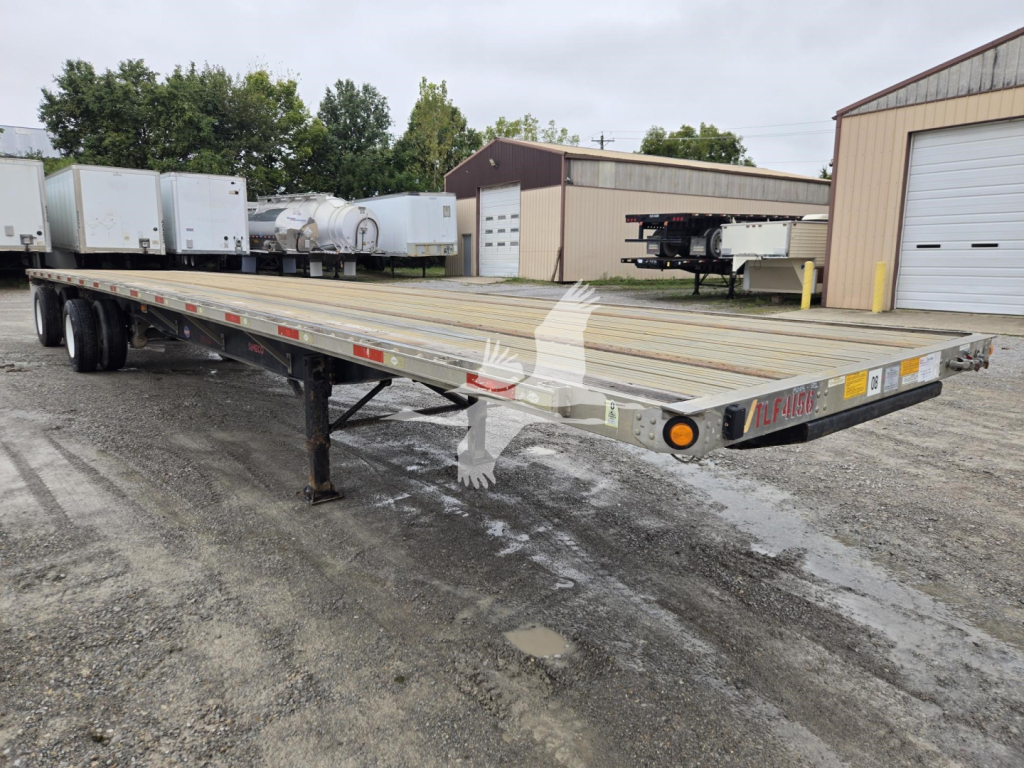
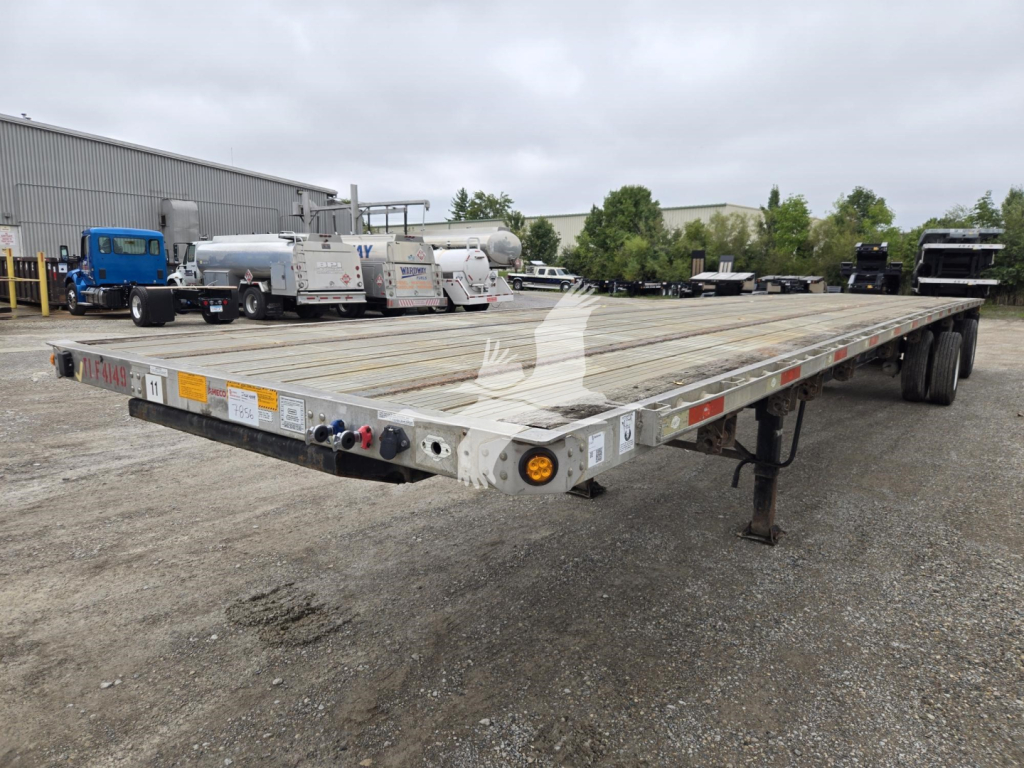
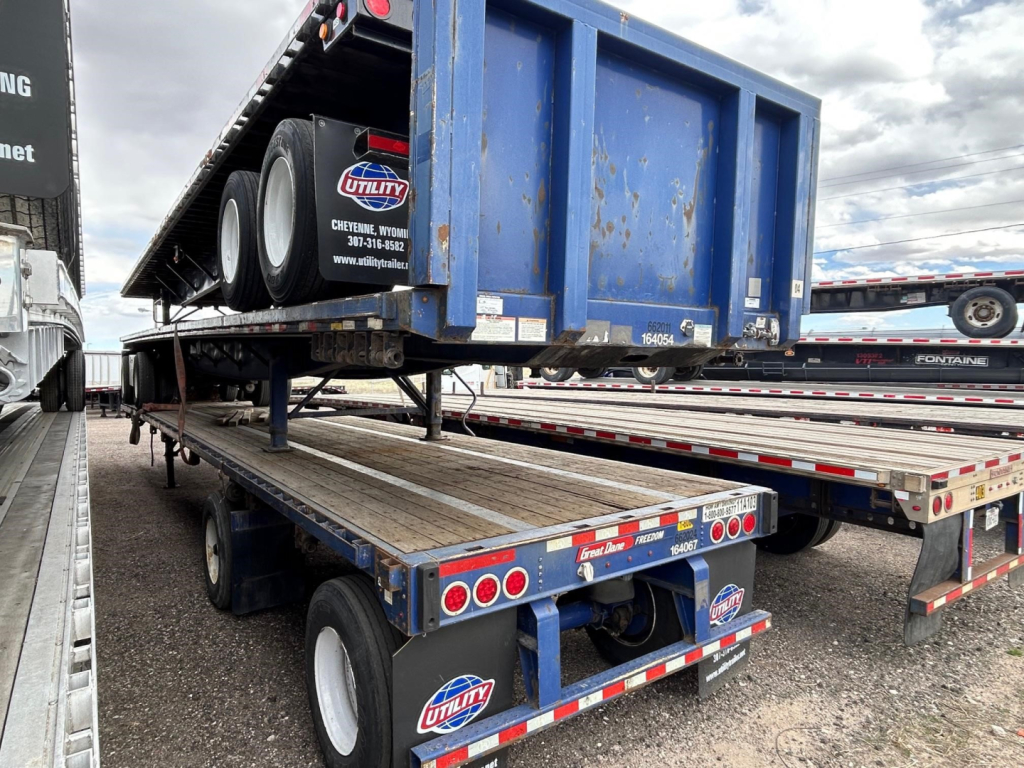
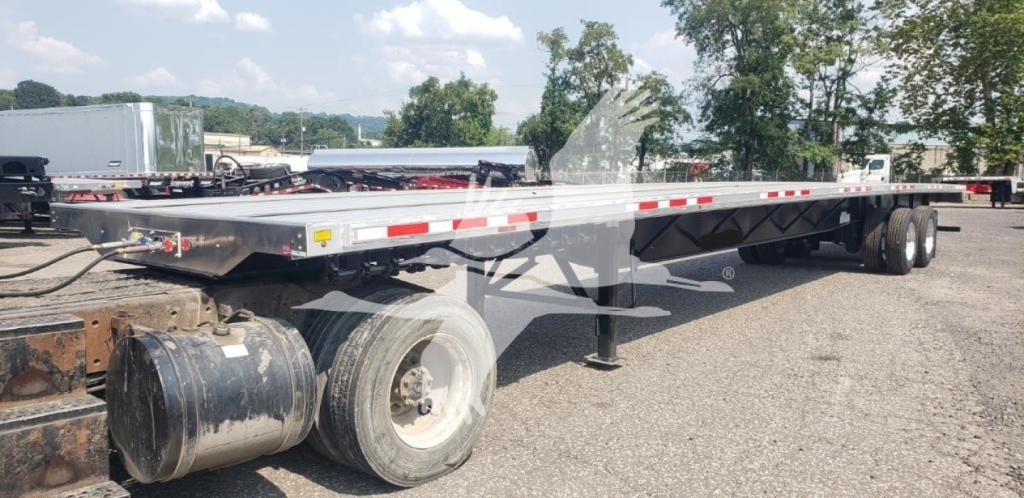
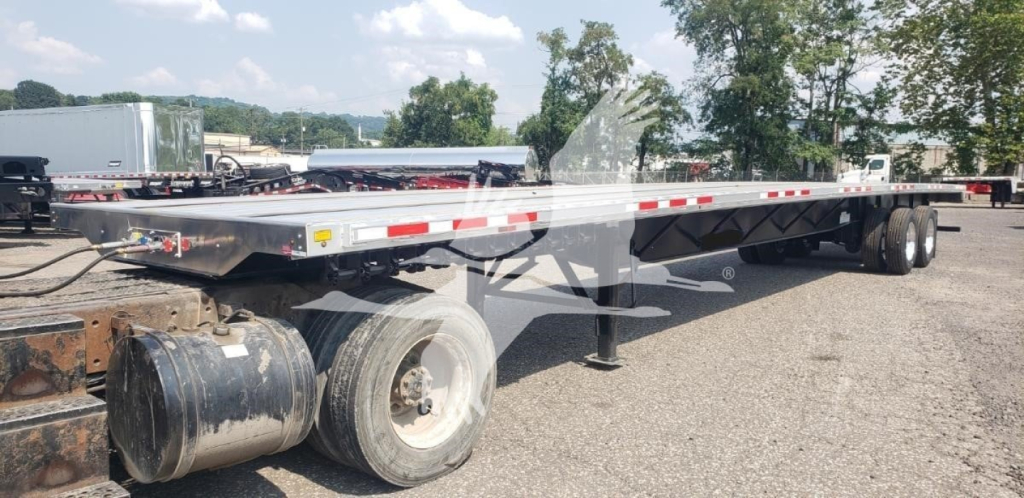
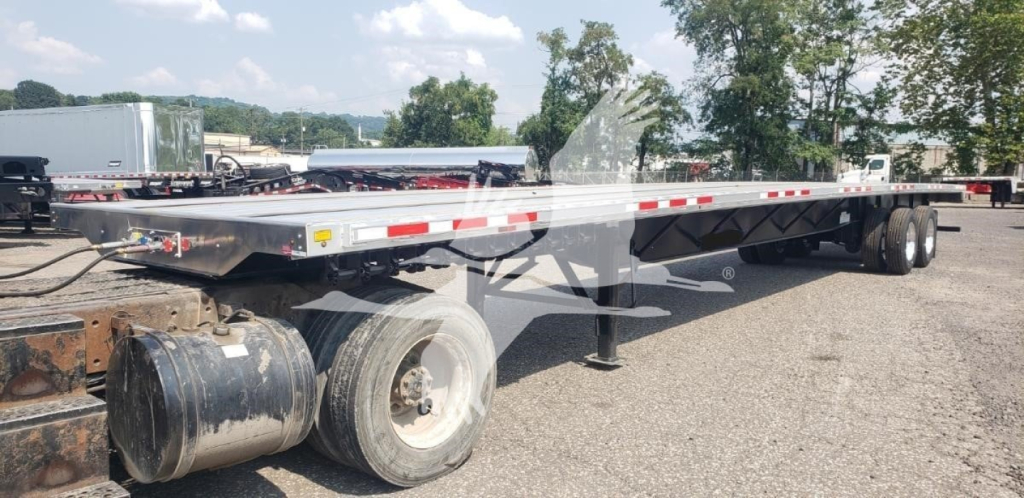
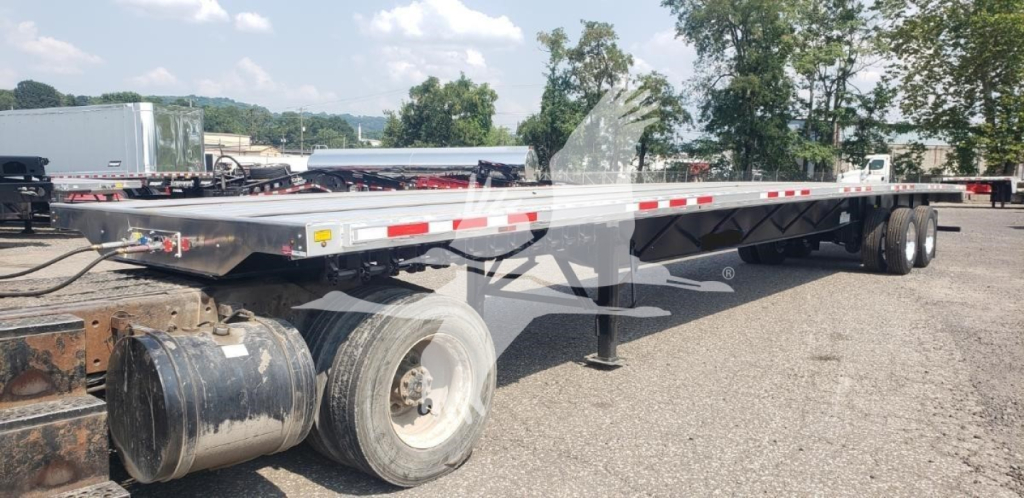
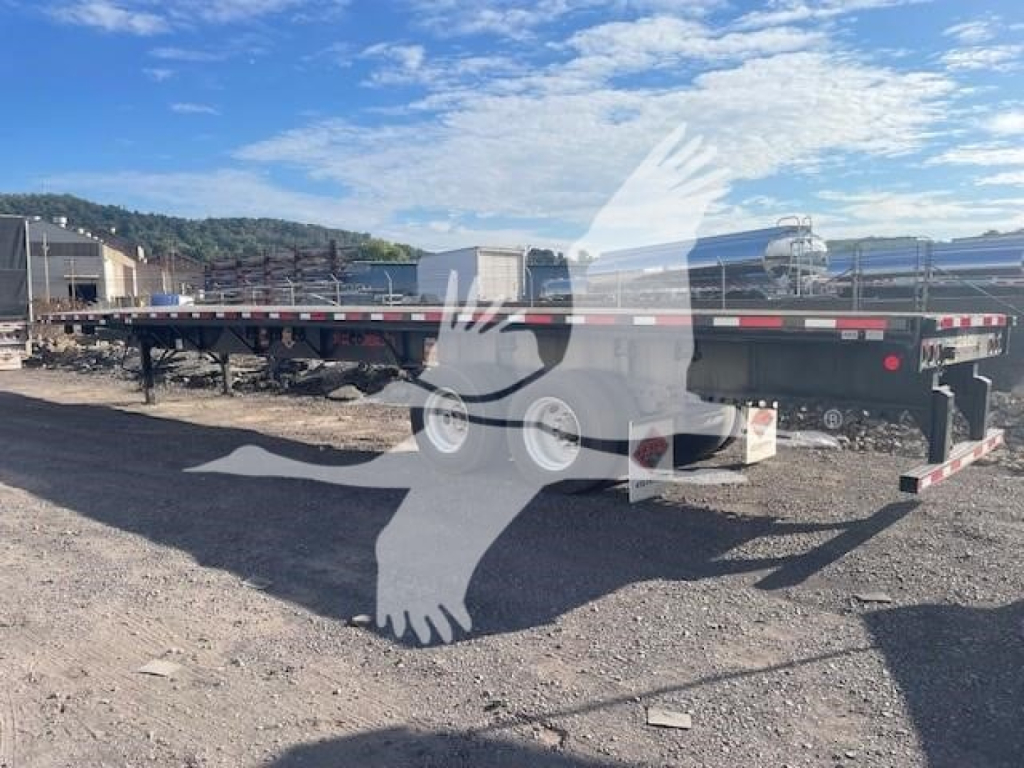
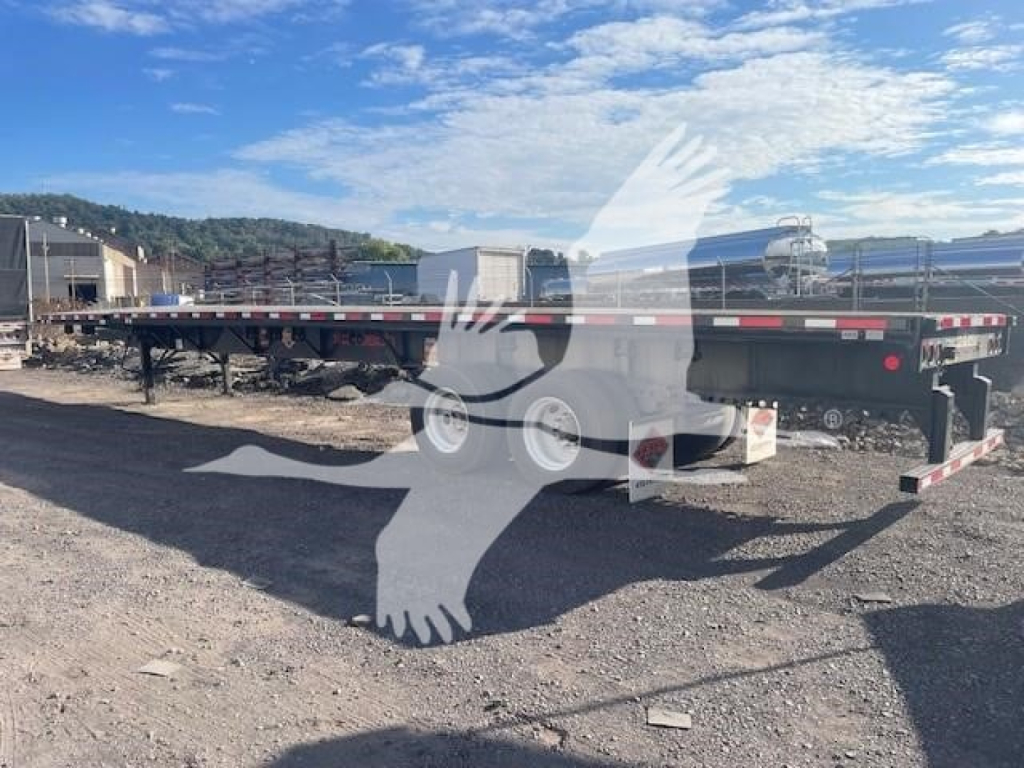
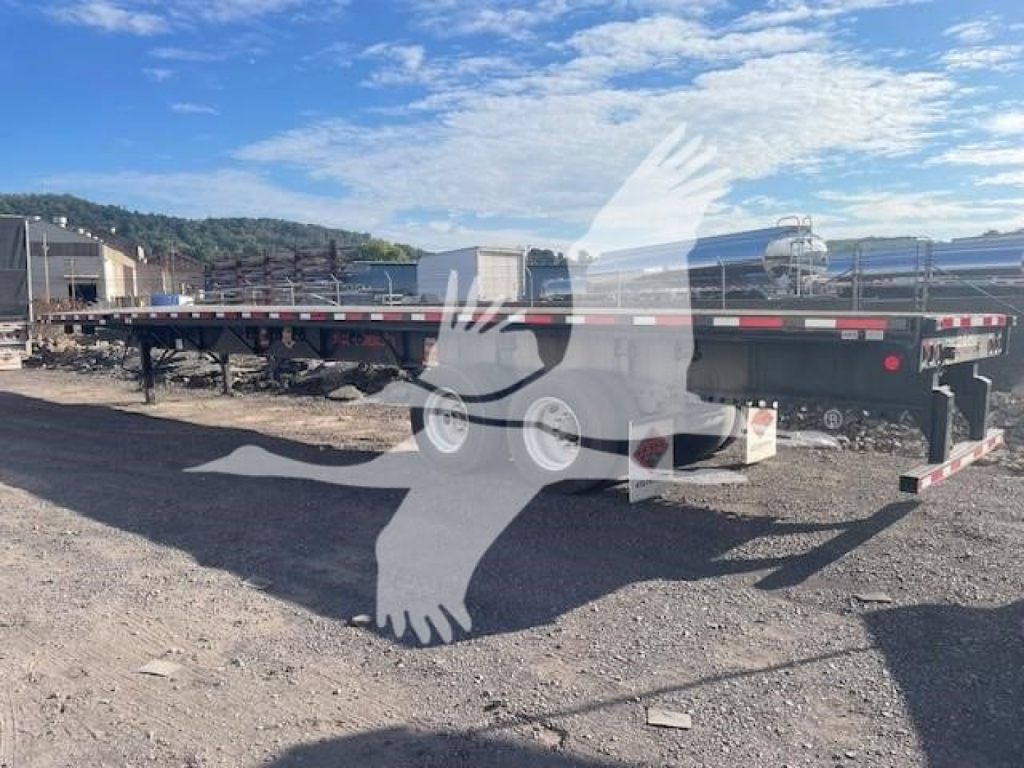
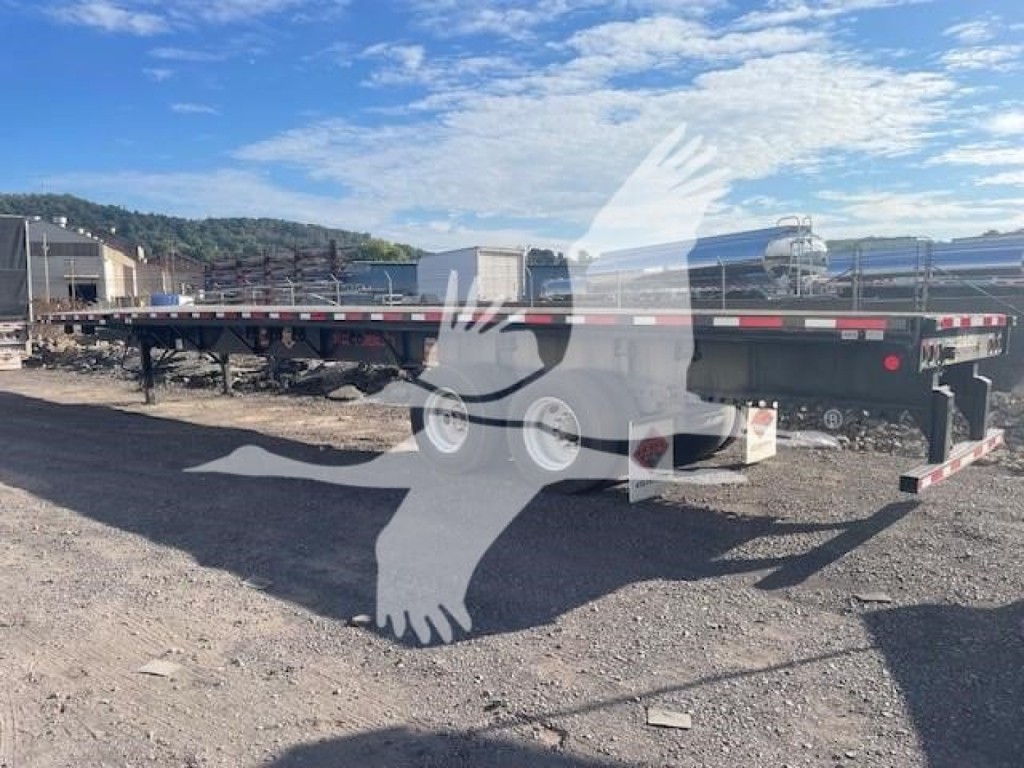
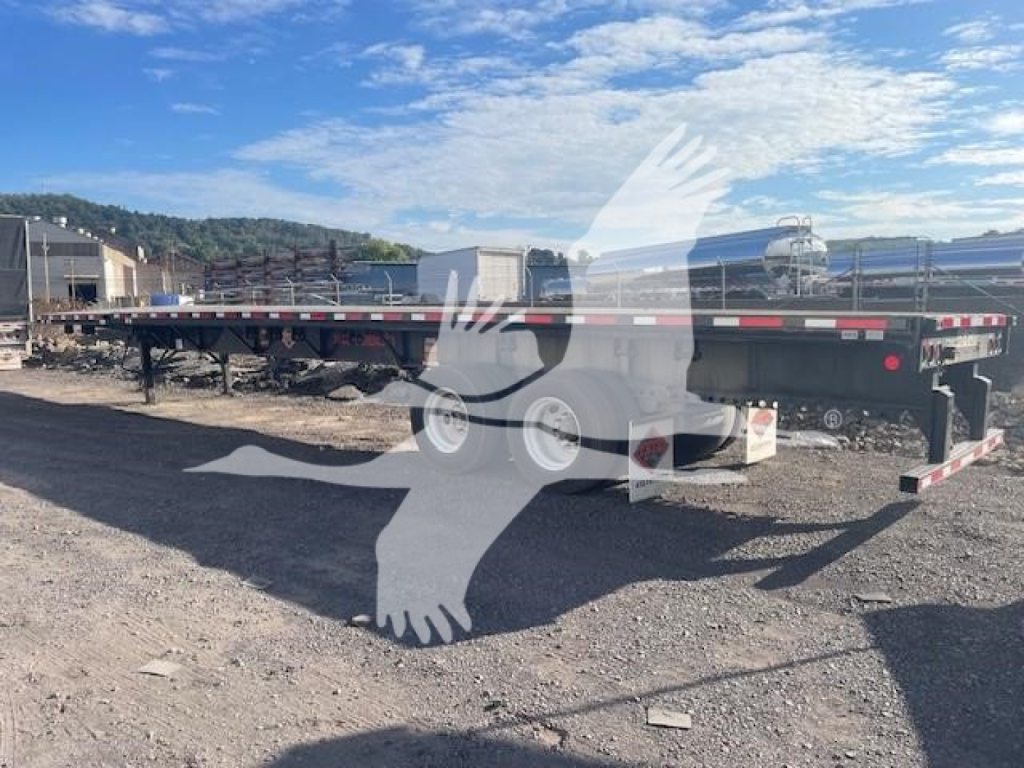
Selling a 2016 flatbed trailer? List your 2016 flatbed trailer for sale and reach thousands of commercial buyers.
2016 Flatbed Trailers
The spec details matter more than the model year. Crossmember spacing, floor type, side rail design, and suspension setup directly affect what the trailer can haul and how long it will hold up. Many flatbeds from this period were built with aluminum floors and wood nail strips, while others used apitong or mixed-material deck construction for better forklift resistance and easier securement. Common features include winch tracks, sliding winches, pop-up chain ties, pipe spools, coil packages, and widespread tandem air ride suspensions. If the trailer will regularly haul steel coils, machinery, or concentrated loads, pay close attention to frame rating in 4 feet and 10 feet, not just overall GVWR.
A buyer looking at 2016 flatbed trailers should inspect wear points carefully. Side rails, crossmembers, landing gear mounts, suspension components, and the area around the kingpin plate deserve close attention. On aluminum trailers, look for floor damage, cracked welds, and prior deck repairs. On steel trailers, corrosion around the rear frame, crossmembers, and suspension hangers is a major factor. Tire size, wheel type, hub style, brake condition, and the presence of axle dump valves or tire inflation systems can also affect operating cost after purchase. Securement hardware is another big item. Replacing missing winches, bent chain ties, damaged rub rails, or worn-out lights adds up fast.
Flatbed trailers are also known as open-deck trailers, and they remain one of the most flexible trailer types in trucking. They are used for building materials, crated freight, steel products, machinery, pipe, lumber, and palletized loads that need crane or forklift access from the side or top. A well-spec'd 2016 flatbed can still fit regional construction work, dedicated industrial lanes, or general over-the-road freight if the deck, suspension, and securement package match the load profile. The best choice is the one with the right balance of empty weight, concentrated load rating, deck condition, and securement equipment for the freight you actually haul.
Frequently Asked Questions about 2016 Flatbed Trailers
What should I check first on a used 2016 flatbed trailer?
Start with the frame, crossmembers, deck condition, suspension, and securement hardware. Those areas tell you more about the trailer's real value than paint or cosmetic appearance. Look closely at the kingpin area, landing gear mounts, side rails, rear frame, and any places where forklifts or concentrated loads may have caused damage. On aluminum flatbeds, inspect welds and floor sections for cracking or repairs. On steel trailers, check for rust scale, corrosion around hangers, and structural weakness near the rear and underside.
Are 2016 flatbed trailers usually aluminum or steel?
Both are common, and many are combo designs that use aluminum with steel reinforcements. Aluminum flatbeds are popular because they keep tare weight down and allow more payload. Steel flatbeds usually weigh more, but some buyers prefer them for rugged service and rougher loading conditions. The right choice depends on the freight mix, loading methods, and how much payload matters in your operation.
What length is most common for a 2016 flatbed trailer?
The most common lengths are 48 feet and 53 feet, with 102-inch width being standard. A 48-foot flatbed remains common in general freight and steel hauling, while 53-foot trailers offer more deck space for lighter or longer freight. Length alone does not determine usefulness. Axle spread, suspension position, and state bridge law compliance can matter just as much depending on your lanes.
How important is a coil package on a flatbed trailer?
A coil package is very important if the trailer will haul steel coils or other concentrated loads. It typically includes reinforced crossmembers and a designed load area that helps support heavy weight in a short footprint. Without the right rating in 4 feet, a trailer may not be suitable for that work even if the overall GVWR looks adequate. Buyers hauling mixed freight may still want a coil package because it adds flexibility for higher-density loads.
Can a 2016 flatbed trailer still work for over-the-road freight today?
Yes, if the trailer is structurally sound and properly spec'd for the freight. Many 2016 flatbed trailers still fit current over-the-road, regional, and construction applications because the core design has not changed much. The key is condition and configuration. A trailer with solid brakes, good tires, healthy suspension, functional lights, and complete securement gear can remain productive for years, especially in operations that value lower acquisition cost over late-model appearance.