
2016 Transcraft Flatbed Trailers For Sale in Pennsylvania
Shop 2016 Transcraft flatbed trailers in Pennsylvania. Compare 48x102 combo and steel flatbeds, air-ride spreads, deck specs, and payload setup.
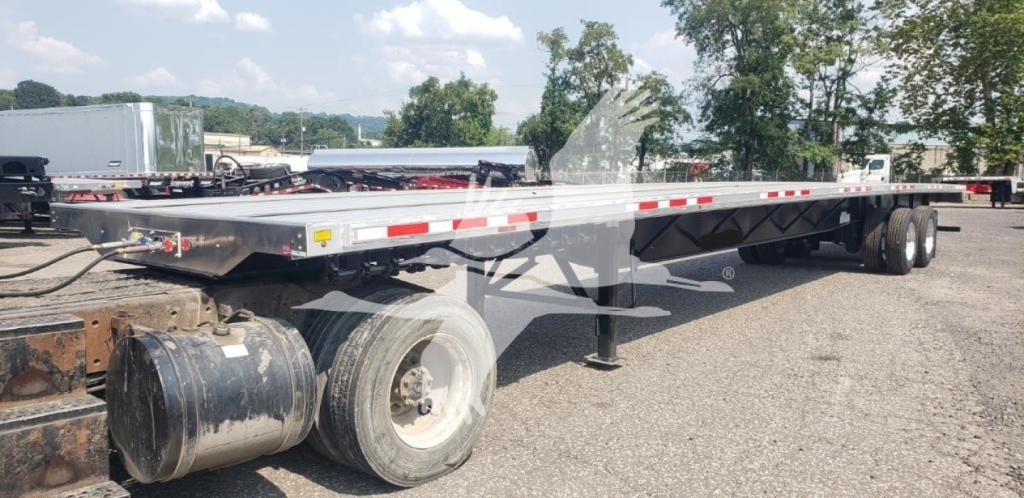
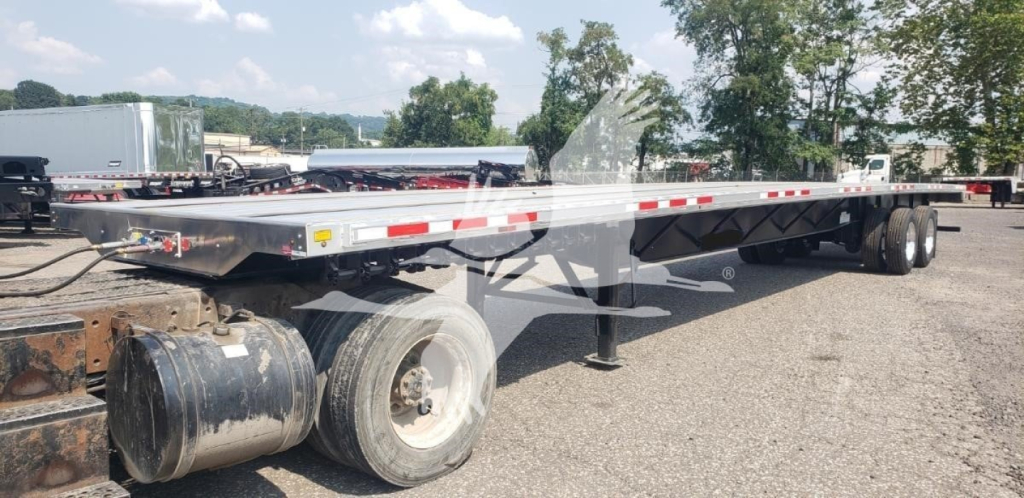
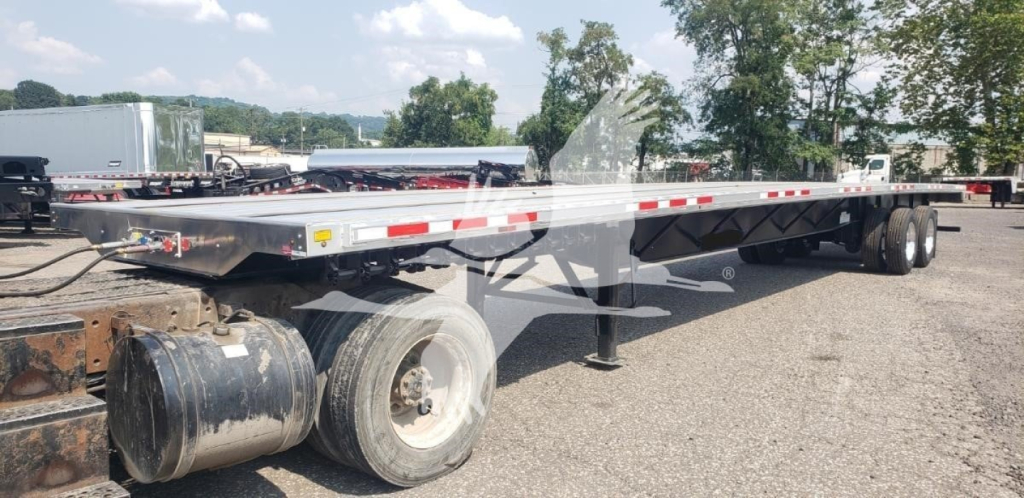
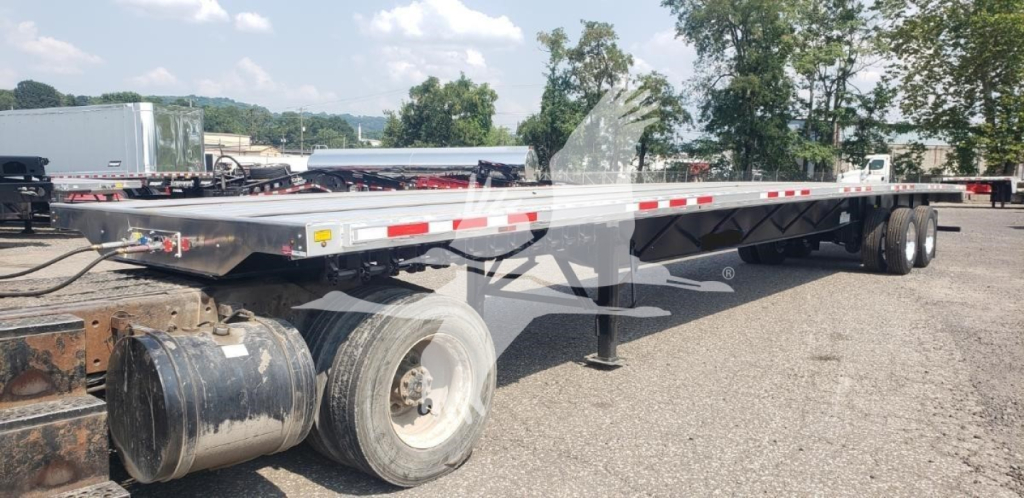
Selling a 2016 transcraft flatbed trailer? List your 2016 transcraft flatbed trailer for sale and reach thousands of commercial buyers.
2016 Transcraft Flatbed Trailers in Pennsylvania
For Pennsylvania operations, axle spread and suspension setup matter as much as deck length. Many Transcraft flatbeds from this period are spec'd with tandem spread or spread-axle air-ride suspensions, and that can be a strong advantage for ride quality and freight protection. Buyers should confirm the kingpin setting, slider or fixed suspension layout, and bridge-law implications for the lanes they run most often. On a 2016 trailer, it is also smart to inspect suspension components, bushings, shocks, air bags, brake chambers, slack adjusters, and wheel-end service history. A well-kept air-ride flatbed can load and track better, but condition is more important than the badge on the suspension.
Deck details deserve close attention because they affect securement speed and long-term maintenance. Common flatbed specs in this class include 1 1/8-inch Apitong flooring, steel or combo side rails, winch tracks, sliding winches, pipe spools, and 12-inch crossmember spacing. Those details tell you a lot about how the trailer was used and how ready it is for coil racks, lumber tarps, machinery chains, or general commodity freight. Look at floor wear around forklift traffic areas, check for cracked welds near crossmembers and rear transitions, inspect the rub rail and stake pockets for deformation, and verify that lights, wiring, and ABS are in working order. Beam rating is another key number because it helps determine how well the trailer matches concentrated loads instead of just general freight.
Transcraft remains a recognized name in open-deck equipment, and a 2016 model year can still offer solid service if the trailer has been maintained correctly. Buyers comparing listings should weigh empty weight against intended cargo, especially when deciding between combo and steel construction. It also helps to confirm tire size, wheel material, landing gear condition, and how the securement package is laid out on both sides of the trailer. The right 2016 Transcraft flatbed is less about model year alone and more about deck condition, structural integrity, suspension spec, and how closely the trailer matches the freight you haul every week.
Frequently Asked Questions about 2016 Transcraft Flatbed Trailers in Pennsylvania
What is the difference between a Transcraft combo flatbed and a steel flatbed?
A combo flatbed uses both aluminum and steel to lower tare weight while keeping steel in high-stress structural areas. That usually means better payload potential and less empty weight to pull. A steel flatbed is typically heavier but can be attractive for buyers who want a straightforward structure and often a lower acquisition cost. The better choice depends on the freight mix, expected abuse level, and how much value you place on payload versus simplicity.
What are common specs on a 2016 Transcraft flatbed trailer?
A common configuration is a 48-foot by 102-inch deck with tandem or spread axles, air-ride suspension, wood flooring such as 1 1/8-inch Apitong, and standard open-deck securement equipment. Many trailers in this class also have winch tracks, sliding winches, stake pockets, pipe spools, and LED lighting. Exact specs vary by original order, so buyers should verify kingpin setting, crossmember spacing, beam rating, wheel type, and suspension brand on each trailer.
Why does axle spread matter on a flatbed trailer in Pennsylvania?
Axle spread affects bridge compliance, turning behavior, tire scrub, and how the trailer distributes weight across different routes. In Pennsylvania and surrounding states, the axle layout can influence how easily you scale legal with dense freight. A spread-axle flatbed may help in some weight situations, but it can also be less forgiving in tight yards and urban delivery points. The best setup depends on the lanes you run, the commodities you haul, and how often you deal with restricted job sites.
What should I inspect on a used 2016 flatbed before buying?
Start with the frame, main beams, crossmembers, side rails, and rear structure for cracks, bends, or poor repairs. Then check the deck for rot, excessive forklift damage, loose boards, and signs of moisture intrusion around fasteners. Suspension wear, brake condition, wheel ends, tires, ABS function, and lighting should all be evaluated carefully. On a flatbed, securement hardware matters too, so inspect stake pockets, rub rails, winches, spool areas, and chain tie-down points for deformation or excessive wear.
Is a 2016 Transcraft flatbed still a good trailer for general freight?
It can be, provided the trailer has good structural condition and a maintenance history that supports continued service. Flatbeds do not age on year alone as much as they age by use type, loading practices, weather exposure, and repair quality. A 2016 trailer with a sound frame, healthy suspension, good brakes, and a solid deck can still be a productive open-deck trailer for steel, building products, machinery, and other general commodities. Buyers should focus on condition, spec, and legal payload more than model year by itself.