
2016 Drop Deck Trailers For Sale in Pennsylvania
Shop 2016 drop deck trailers in Pennsylvania. Compare deck length, loaded height, axle setup, flooring, tie-downs, and suspension specs.
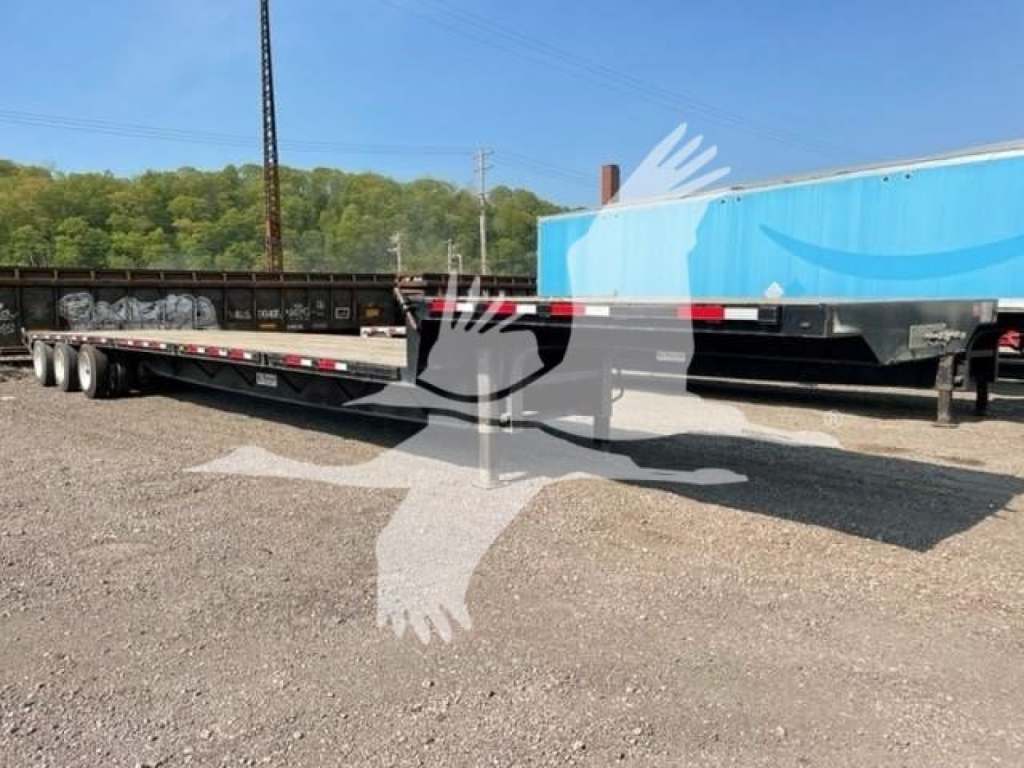
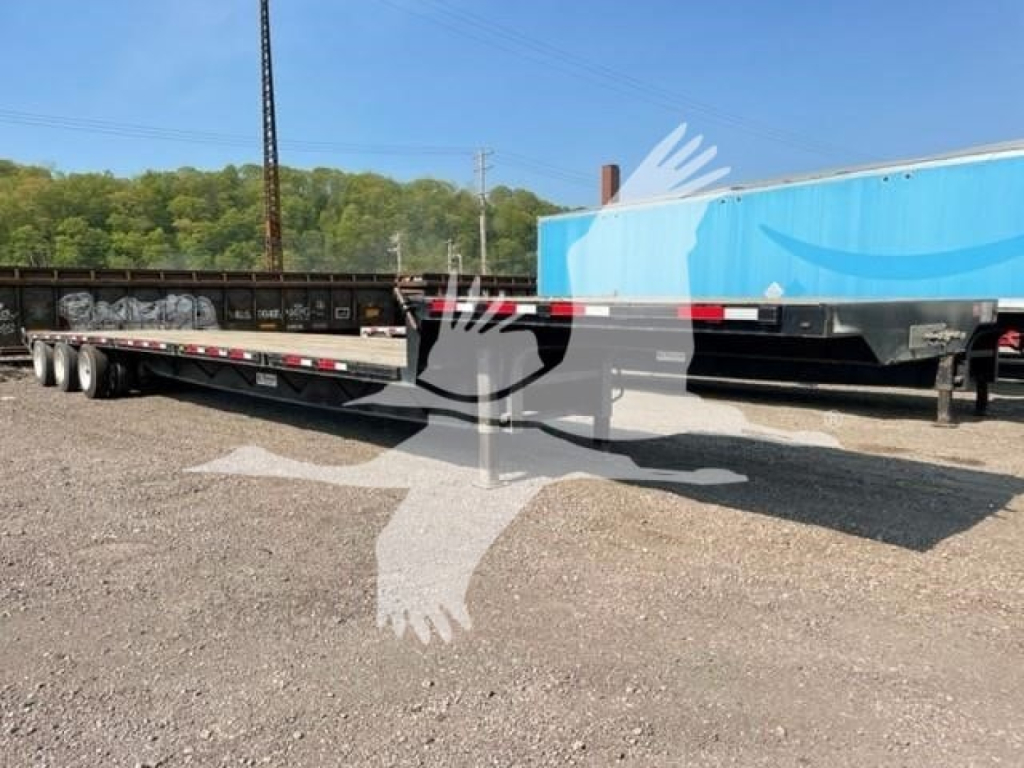
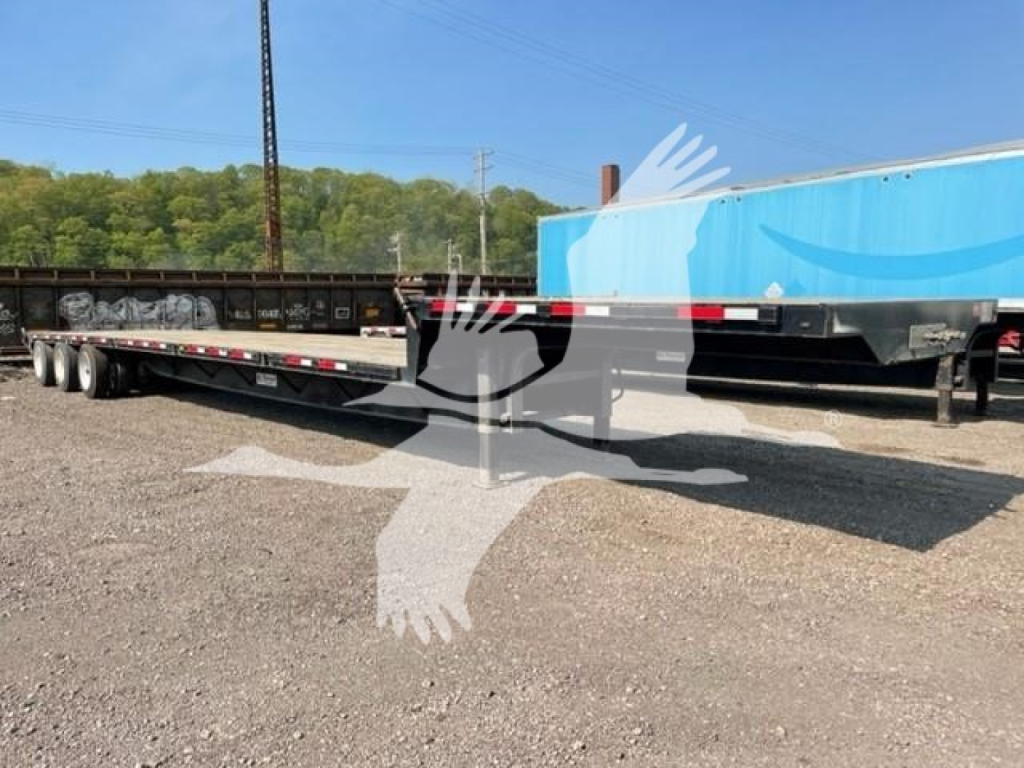
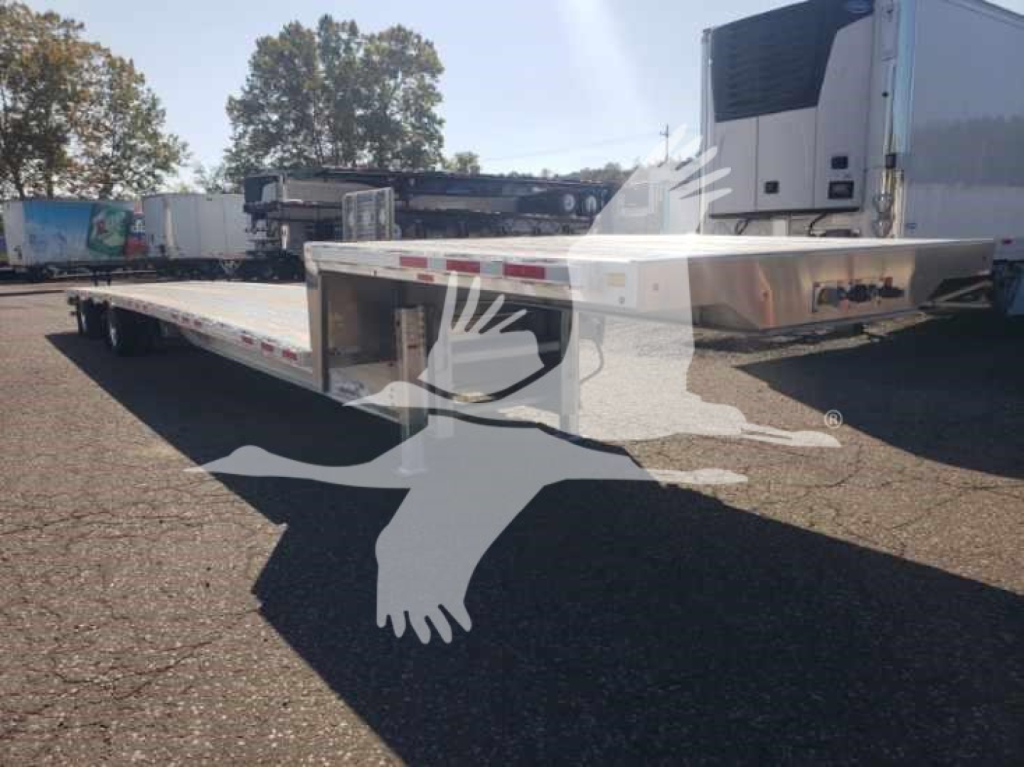
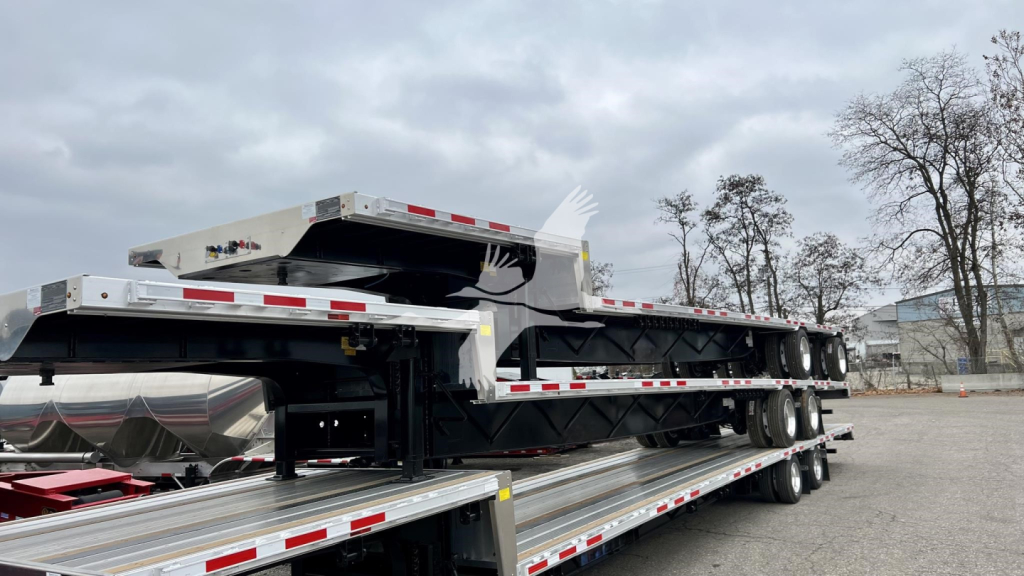
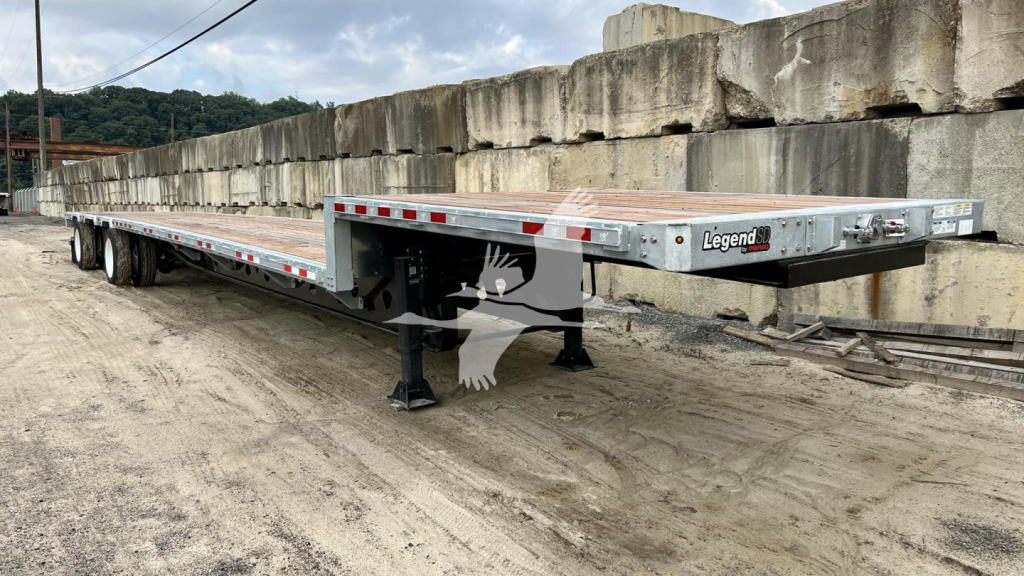
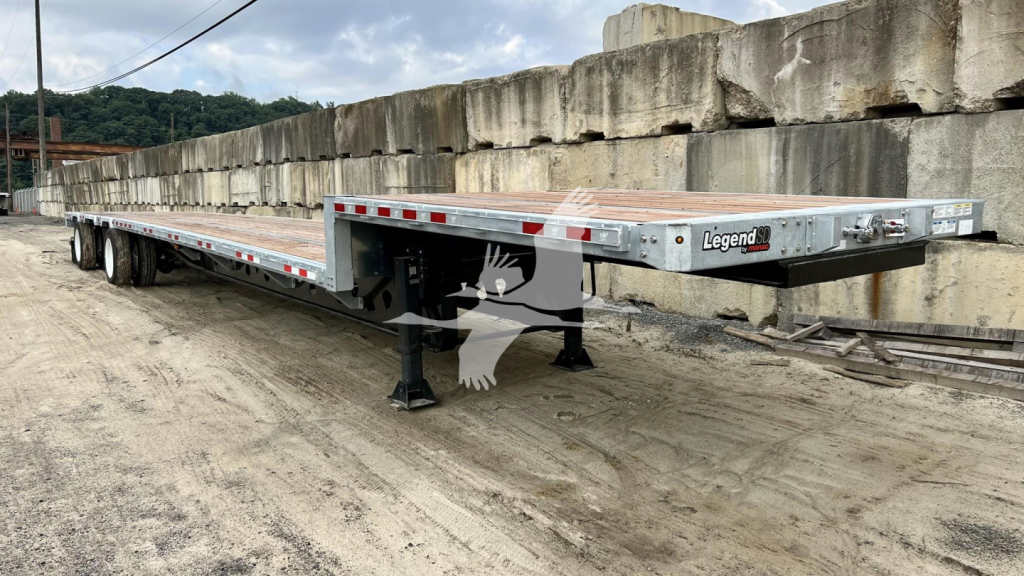
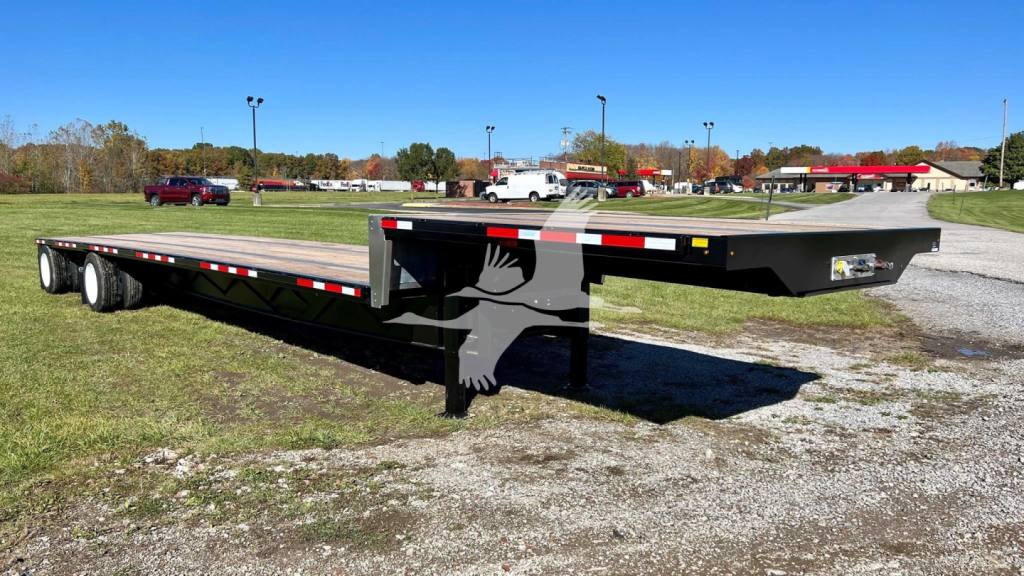
Selling a 2016 drop deck trailer? List your 2016 drop deck trailer for sale and reach thousands of commercial buyers.
2016 Drop Deck Trailers in Pennsylvania
For most buyers, the key numbers start with overall length, upper deck length, main deck length, and loaded deck height. Common configurations in this class are 48-foot and 53-foot trailers, usually 102 inches wide, with top decks around 10 feet to 10 feet 6 inches and main decks in the 37-foot to 38-foot range. Main deck height is often around 40 to 41 inches loaded, which is the main advantage over a flatbed. A typical tandem-axle 2016 drop deck may ride on air suspension from brands like Hendrickson, use 255/70R22.5 tires, and carry kingpin settings around 18 to 24 inches. Buyers hauling concentrated freight should pay close attention to crossmember spacing, coil package provisions, and axle spread or suspension setting because these details affect both durability and bridge compliance.
Construction and securement specs matter just as much as dimensions. Aluminum drop decks help reduce tare weight and increase payload, while steel or mixed-material trailers may offer different repair economics and deck feel under hard use. Flooring can include aluminum, apitong, or a combination with nailing strips. Look closely at side rail design, integrated or external winch tracks, number of sliding winches, pipe spools, chain tie-downs, and bulkhead setup if your freight mix changes week to week. In this age group, it is also worth checking for disc brakes, tire inflation systems, dump valves, anti-roll systems, and landing gear condition. A well-spec'd 2016 model can still be a strong value if the frame is straight, the deck is solid, and wear points like suspension, brakes, tires, and lighting have been kept up.
Pennsylvania buyers often balance regional road conditions, seasonal exposure, and mixed freight demands. Corrosion, deck wear, and prior concentrated loading should be inspected carefully, especially around crossmembers, rear transition areas, and suspension hangers. If ramps or a beavertail are part of the intended use, confirm ramp length, spring assist condition, and rear structure integrity. The best 2016 drop deck trailer is the one that matches your freight profile first: deck height for legal load planning, tie-down layout for fast securement, and tare weight that leaves room for revenue-producing payload.
Frequently Asked Questions about 2016 Drop Deck Trailers in Pennsylvania
What is the difference between a drop deck trailer and a flatbed trailer?
A drop deck trailer has two deck levels: a short upper deck near the tractor and a lower main deck behind it. That lower deck lets you haul taller freight while staying within legal overall height limits that would be difficult on a standard flatbed. For machinery, palletized equipment, and taller building products, a drop deck often provides more flexibility without moving up to a specialized lowboy.
What should I inspect first on a 2016 drop deck trailer?
Start with structural condition and wear items. Check the frame rails, crossmembers, deck surface, rear transition, suspension hangers, landing gear, and kingpin area for damage or repairs. Then review brakes, tires, wheel ends, lights, air ride components, and any securement hardware such as winch tracks, sliding winches, chain tie-downs, and pipe spools. On aluminum trailers, look closely for cracking around high-stress points and prior weld work.
What deck dimensions are common on a 2016 drop deck trailer?
Many 2016 drop deck trailers are 48 feet or 53 feet long and 102 inches wide. Upper decks are often around 10 feet to 10 feet 6 inches, with main decks commonly around 37 feet to 38 feet. Loaded main deck height is frequently near 40 to 41 inches, though exact height varies by suspension, tire size, and trailer design. These measurements directly affect legal height, freight fit, and axle placement options.
Is aluminum or steel better for a used drop deck trailer?
It depends on your freight and operating priorities. Aluminum drop decks usually offer lower tare weight, which helps maximize payload and improve fuel efficiency. Steel trailers can be attractive for certain applications because of purchase price, repair familiarity, and the way some operators prefer them under rugged loading conditions. The better choice is the one that matches your lane miles, maintenance program, and the weight and securement demands of your freight.
Why do tie-down and crossmember specs matter on a drop deck?
Tie-down layout affects how quickly and securely you can handle different freight. Winch tracks on one or both sides, sliding winches, chain tie-downs, pipe spools, and side rail design all determine how adaptable the trailer is. Crossmember spacing matters because concentrated loads such as coils, equipment, or dense palletized freight put more stress on the deck structure. A trailer with the right securement package and structural support is easier to load correctly and tends to hold up better in heavy-use service.