
2016 Drop Deck Trailers For Sale
Shop 2016 drop deck trailers for hauling taller freight, machinery, coils, and building materials with lower deck height and strong securement options.
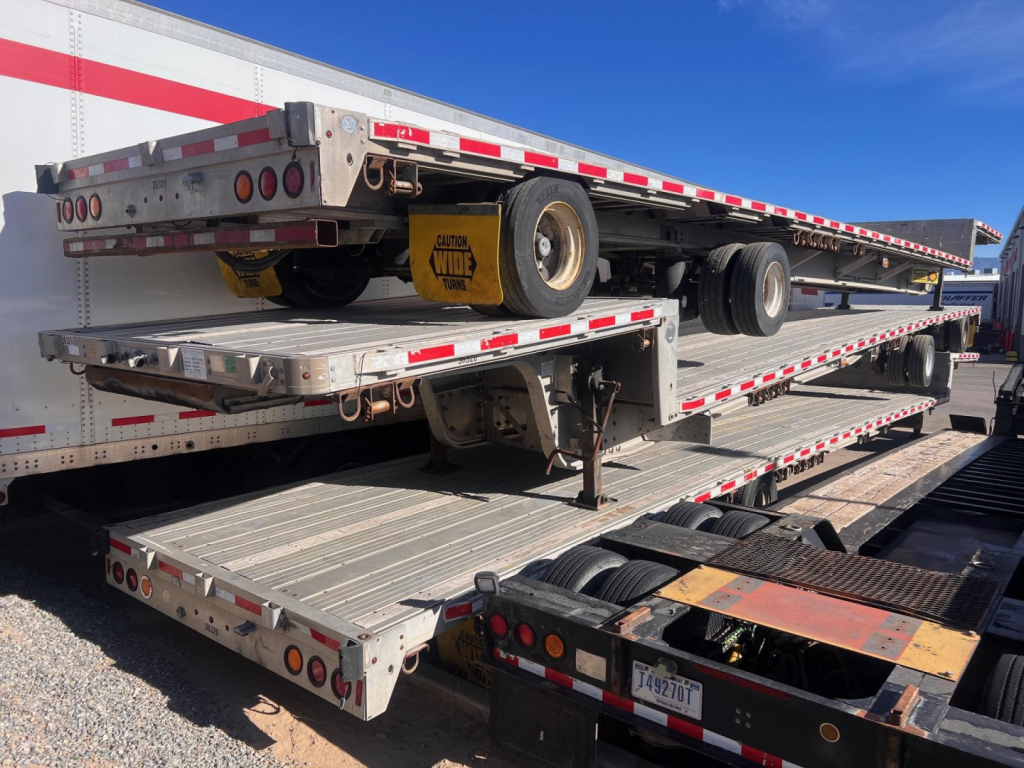
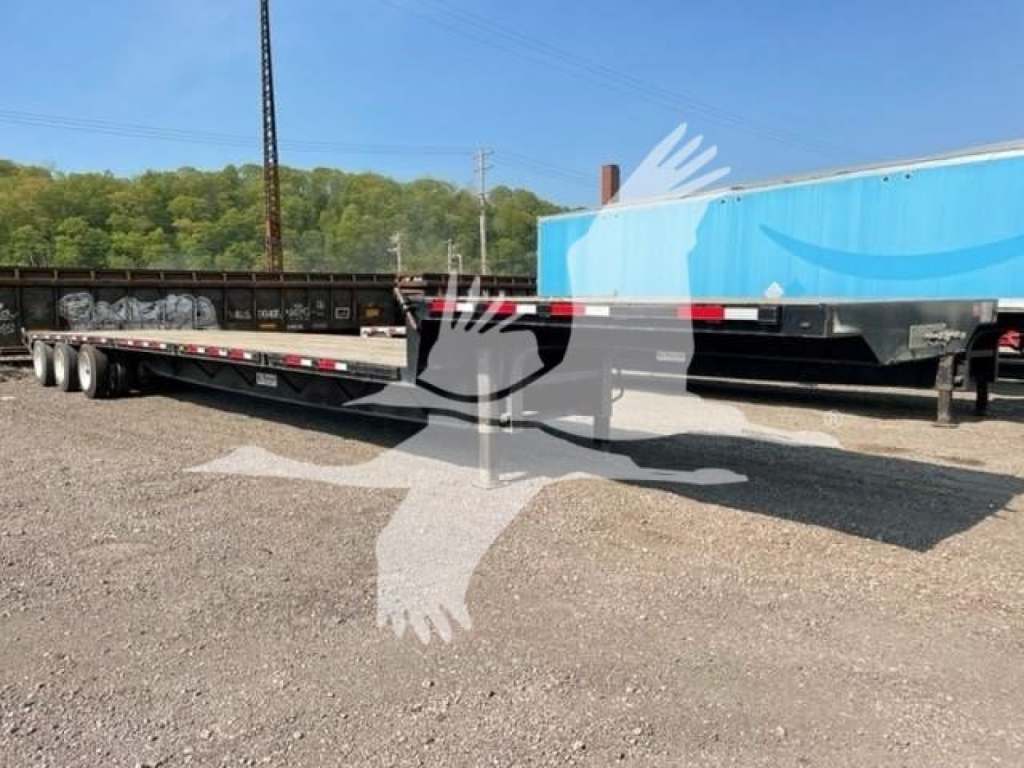
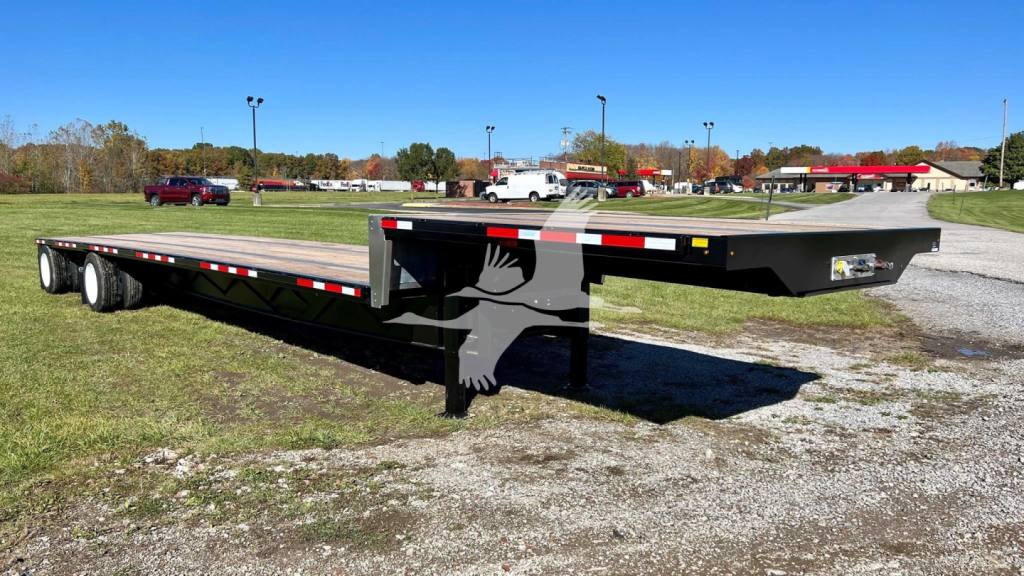
Selling a 2016 drop deck trailer? List your 2016 drop deck trailer for sale and reach thousands of commercial buyers.
2016 Drop Deck Trailers
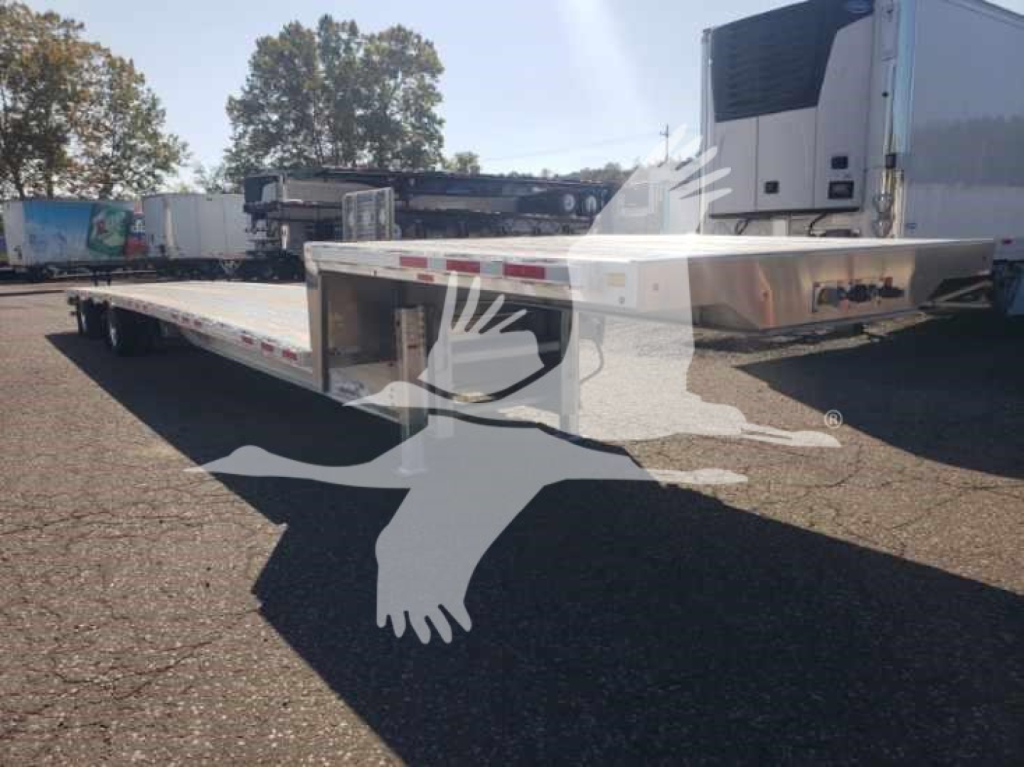
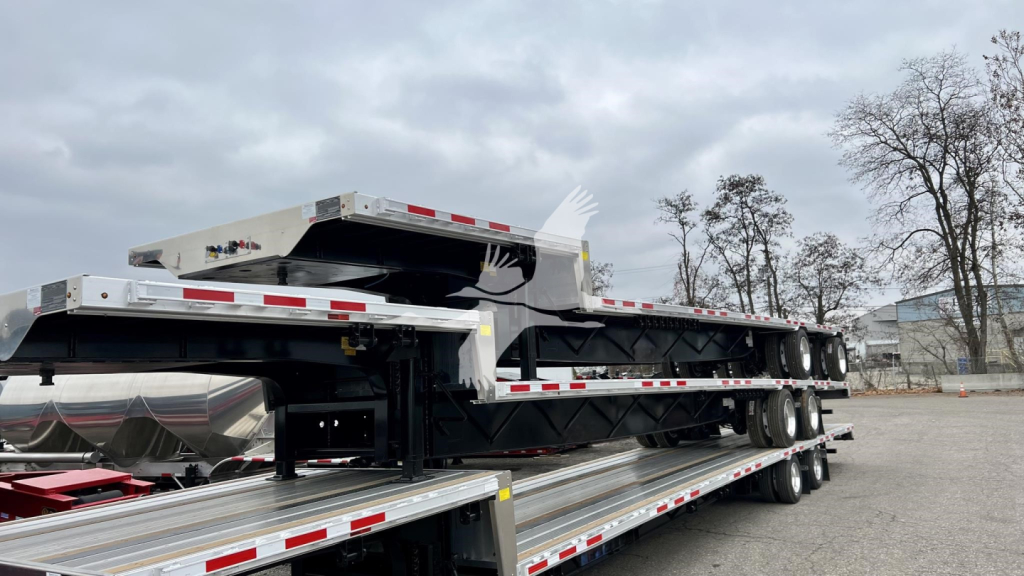
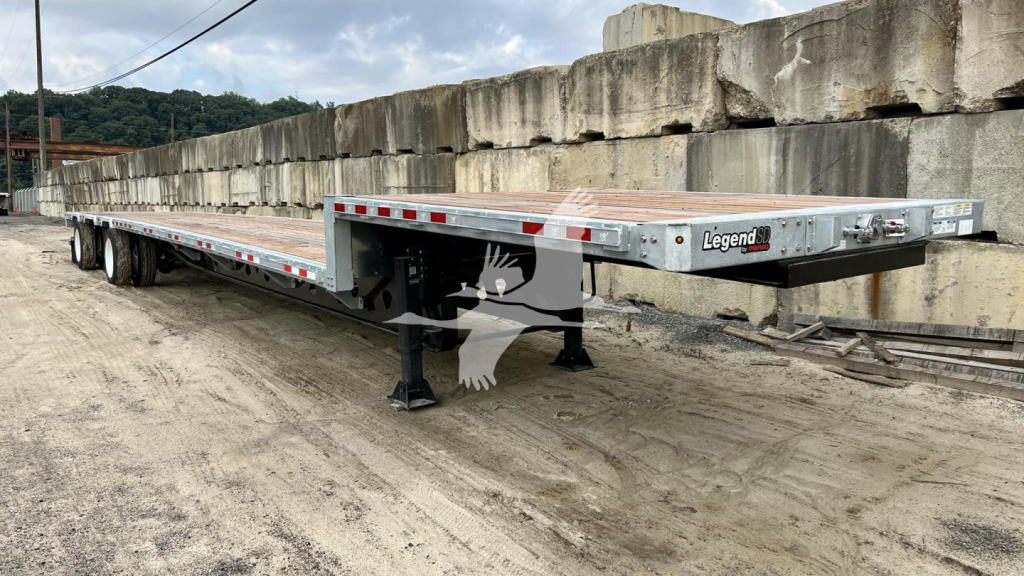
For many buyers, the real decision starts with frame and floor construction. Aluminum and combo designs reduce tare weight and help maximize payload, while all-steel trailers typically trade weight for durability in severe-duty service. Common flooring includes 1-1/8 inch apitong or aluminum floors with nailer strips. Crossmember spacing, coil package reinforcement, side rail design, and the presence of full winch tracks or sliding winches matter if you secure mixed freight. Stake pockets on 24-inch centers, double pipe spools, chain tie-downs, rub rails, and bulkhead pockets are all worth checking closely because they determine how flexible the trailer will be from one load type to the next.
A 2016 model year drop deck may also offer features that change its usefulness for specialized work. Beavertails and spring-assisted ramps are common on trailers used for equipment hauling, while standard straight-deck configurations tend to suit building products, crated freight, and general open-deck use. Tandem axle setups are the norm, but some trailers in this class may be tri-axle for higher gross ratings or bridge law flexibility. Air ride suspension, dump valves, ABS, tire inflation systems, and axle spread all affect ride quality, maintenance costs, and state-to-state compliance. Kingpin setting, fifth wheel height, and suspension location should match the tractors in your fleet so the trailer sits level and scales correctly.
Condition matters as much as spec on a 2016 trailer. Buyers should pay attention to frame straightness, neck and transition area fatigue, floor wear, suspension bushings, brake history, tire condition, wheel-end service, and corrosion around crossmembers, light wiring, and rear structure. A well-spec'd 2016 drop deck can still be a productive freight trailer if the securement layout fits your lanes and the tare weight supports your revenue mix. The best choice usually comes down to deck height, payload capacity, axle configuration, and how often you need ramps, coil capability, or heavy concentrated load support.
Frequently Asked Questions about 2016 Drop Deck Trailers
What is the difference between a drop deck trailer and a flatbed trailer?
A drop deck trailer has two deck levels, an upper deck over the tractor connection area and a lower main deck behind it. That lower deck gives more legal cargo height than a standard flatbed, which is why drop decks are commonly used for taller freight, machinery, and loads that would exceed height limits on a flatbed. Flatbeds remain simpler for some freight, but a drop deck adds versatility when clearance is the limiting factor.
What should I inspect on a used 2016 drop deck trailer before buying?
Focus first on the structural areas that carry stress, including the neck, the transition from upper deck to lower deck, the main beams, crossmembers, rear frame, and any beavertail or ramp mounts. Then inspect floor condition, side rails, rub rails, stake pockets, winch tracks, landing gear, suspension components, brakes, wheel ends, tires, and electrical wiring. On older trailers, corrosion, cracked welds, bent components, and poor prior repairs can matter more than appearance or brand name.
Are 2016 drop deck trailers good for equipment hauling?
They can be, especially if the trailer has a beavertail, traction bars, and ramps sized for the machines you move. Not every drop deck is an equipment trailer, though. Some are configured more for general freight with straight rear decks, lighter securement packages, or flooring and crossmember layouts better suited to building materials and palletized cargo. The trailer needs to match the machine weights, axle loads, and loading method you use most often.
What deck height is typical on a 2016 drop deck trailer?
Many 2016 drop deck trailers have a loaded lower deck height in roughly the 38-inch to 42-inch range, though it varies by tire size, suspension, frame design, and how the trailer is spec'd. That measurement is important because it directly affects the legal overall cargo height you can carry. Buyers hauling taller freight should compare actual loaded deck height, not just overall trailer dimensions.
Which specs matter most when comparing 2016 drop deck trailers?
The most important specs usually include overall length, upper and lower deck length, loaded deck height, trailer weight, axle configuration, suspension type, kingpin setting, floor construction, and securement layout. Buyers hauling coils or concentrated loads should also check for coil packages and crossmember spacing. If the trailer will serve multiple freight types, details like winch tracks, chain tie-downs, stake pocket spacing, ramps, and tire inflation systems can make a major difference in daily use.