
2016 Vanguard Trailers For Sale
Shop 2016 Vanguard trailers, including dry van configurations known for light weight, air ride suspension, sliding tandems, and fleet-ready specs.
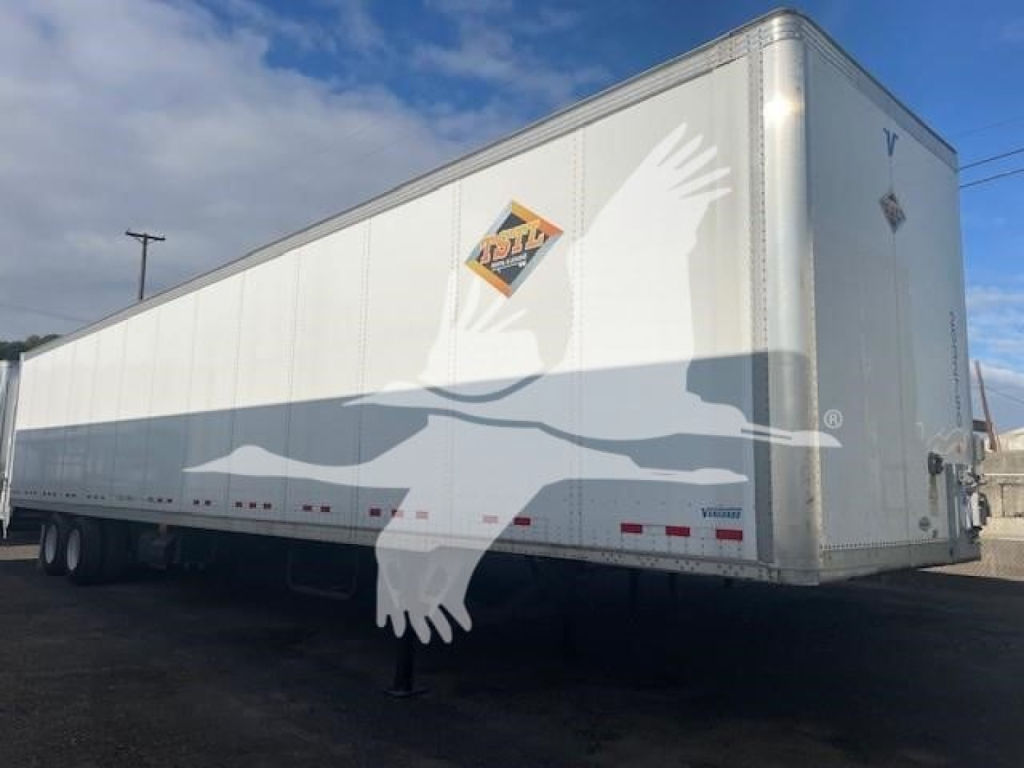
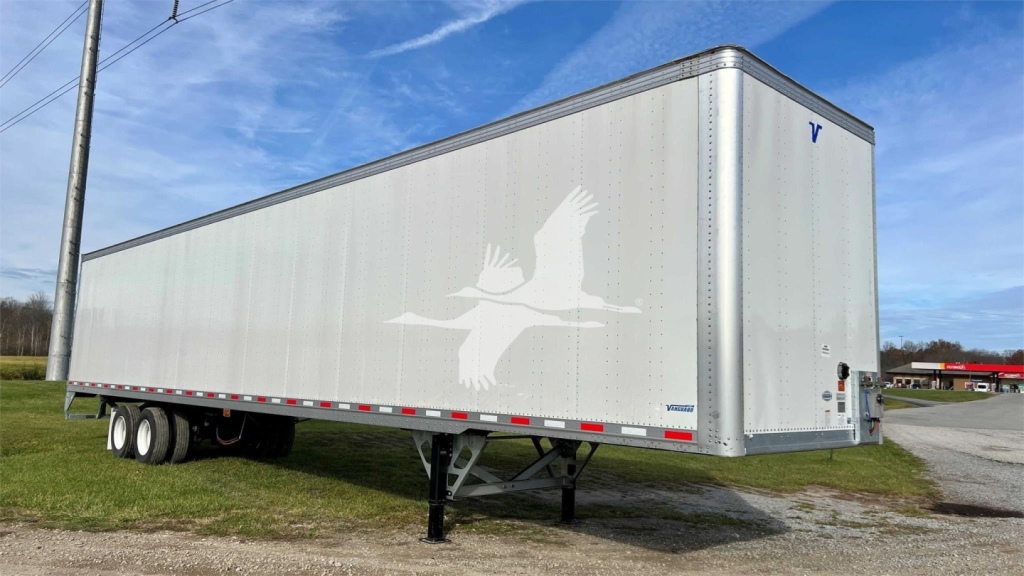
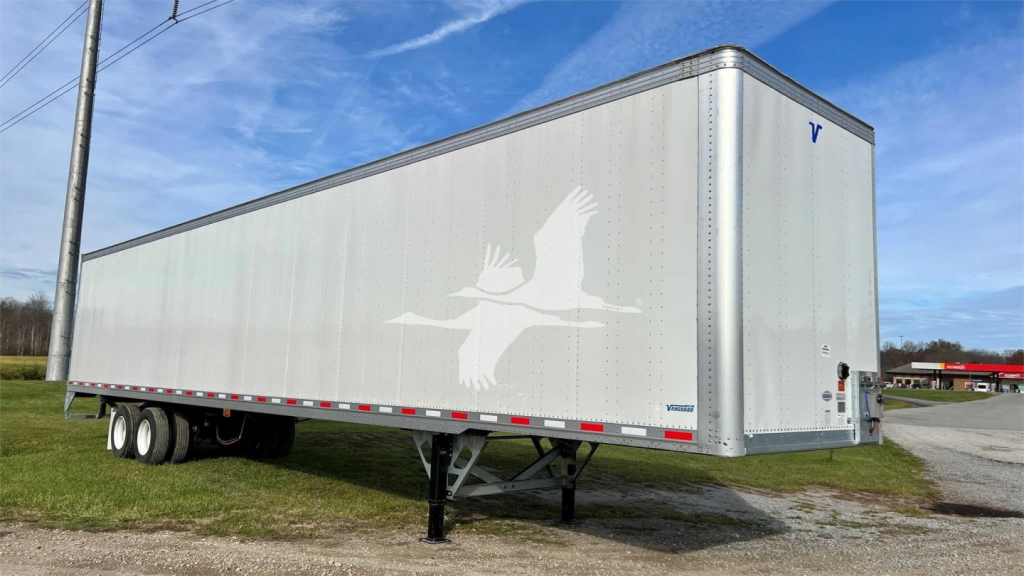

Looking for the easiest place to sell your 2016 vanguard trailer? List it here to reach thousands of buyers.
2016 Vanguard Trailers
The first thing to check on a used 2016 Vanguard trailer is the exact body configuration. A standard dry van will usually have an inside height around 100 to 110 inches depending on model and roof spec, while high-cube versions can offer more vertical cargo room for light but bulky freight. Rear door style affects application more than many buyers expect. Roll-up doors are common in LTL and route freight where frequent stops matter, while swing doors typically appeal to operations that want maximum rear opening and simpler door hardware. Floor condition is equally important. Wood floors with steel crossmember support are common, and buyers should inspect for forklift wear, soft spots, patched sections, and fastener pull-through, especially near the threshold and first third of the trailer.
Suspension, axle position, and tire system details also carry real operating cost implications. Most 2016 Vanguard van trailers in the market use tandem axles with a sliding tandem setup, which gives flexibility for bridge law compliance and load distribution. Air ride is the standard preference for freight protection and driver acceptance. Tire inflation systems are frequently seen on fleet-spec trailers from this brand and can help reduce irregular wear and roadside calls when maintained properly. It is also worth checking wheel type, brake spec, and service history. Fleet buyers often look for drum versus disc brake configuration, remaining lining life, bushing wear, air leaks, and evidence of proper tandem slider maintenance because neglected slider rails and locking pins can become expensive quickly.
Structural condition should be evaluated just as closely as the running gear. On a 2016 Vanguard, pay attention to roof bows, side panels, front wall integrity, crossmember corrosion, rear frame condition, and signs of past impact around the nose, lower rails, and door frame. Plywood lining and scuff liners can hide damage, so cargo area inspection matters. If the trailer has E-track, a liftgate, aerodynamic skirts, or an undertray system, confirm those additions fit the freight profile and do not create unnecessary repair exposure. For buyers comparing multiple used van trailers, a clean 2016 Vanguard often stands out as a practical middle-ground option: modern enough to have current fleet features, simple enough to service easily, and widely accepted in regional or over-the-road dry freight applications.
Frequently Asked Questions about 2016 Vanguard Trailers
What types of freight are 2016 Vanguard trailers typically used for?
Most 2016 Vanguard trailers are dry van trailers used for palletized general freight, retail goods, consumer products, packaged food, parcel, and other non-temperature-controlled cargo. They are commonly seen in regional and over-the-road service because the aluminum van design supports good payload capacity while holding up well in fleet use. Specific trailer setup, such as roll-up doors, swing doors, E-track, or liftgates, can make one unit better suited for route delivery, LTL, or dedicated contract freight.
What should I inspect first on a used 2016 Vanguard dry van trailer?
Start with the floor, roof, rear frame, and tandem suspension system. Floor damage from forklifts is one of the most expensive hidden issues in a van trailer, especially near the rear threshold and landing zone. Then inspect the roof and upper rails for leaks or repairs, check the rear door frame for impact damage, and verify the tandem slider locks, rails, suspension components, brakes, and tires are in good working order. A trailer with a straight structure and solid floor is usually a better buy than one with cosmetic appeal but underlying structural wear.
Are 2016 Vanguard trailers usually 53-foot trailers?
Many are 53-foot dry van trailers, but length can vary by original application. The 53-foot x 102-inch configuration is the most common because it matches mainstream freight demand and dock compatibility across much of the U.S. market. Some shorter trailers do exist, and buyers should confirm outside length, inside height, and door opening dimensions against the freight they plan to haul rather than assuming all Vanguard trailers from this year share the same body size.
Do 2016 Vanguard trailers commonly have sliding tandems and air ride?
Yes, sliding tandem axles and air ride suspension are very common on 2016 Vanguard van trailers. Sliding tandems help with bridge law compliance, weight distribution, and dock positioning, while air ride helps protect freight and generally provides better ride quality than mechanical suspension for van applications. Buyers should still confirm the tandem adjustment mechanism works correctly and inspect the suspension for air leaks, worn bushings, damaged airbags, and neglected maintenance.
Is a 2016 Vanguard trailer a good choice for fleet or owner-operator use?
A 2016 Vanguard trailer can be a strong fit for both fleet and owner-operator buyers if the trailer has been maintained properly and matches the intended freight lane. Fleets often value these trailers for their lightweight aluminum construction, common parts, and familiar van specifications. Owner-operators tend to like them for the same reasons, especially when tare weight, fuel efficiency, and resale matter. The key is not just the brand or year, but actual condition, prior use, and whether the trailer's door type, floor, suspension, and cargo control setup align with the operation.