
2016 Trailers For Sale in Florida
Have 2016 trailer to sell? List it here to reach thousands of buyers.
2016 Trailers in Florida
Condition matters more than age alone on a 2016 trailer. Buyers should pay close attention to frame condition, crossmember repairs, floor wear, roof integrity, door seals, suspension components, wheel ends, brake type, and tire condition. On van and reefer trailers, look for signs of forklift damage around scuff bands, lower sidewalls, rear frame, and threshold area. In Florida, humidity, rain exposure, and coastal use can accelerate corrosion on wiring, lights, fasteners, landing gear, and steel components, so underbody inspection is important. Aluminum wheels, disc brakes, tire inflation systems, side skirts, and air lift axles can add value depending on the lane and duty cycle.
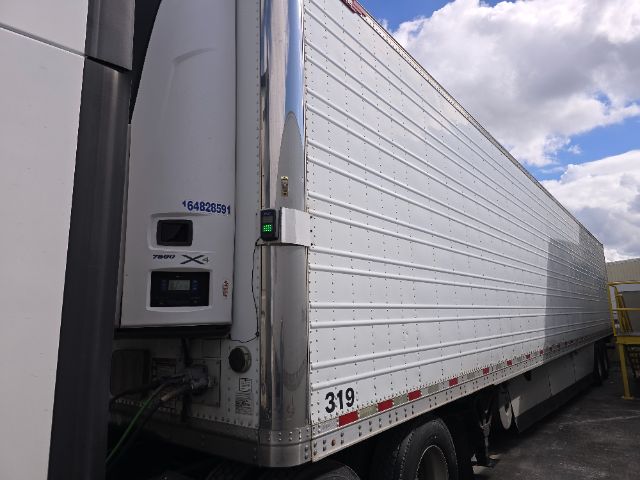
The right spec depends on what the trailer needs to do every day. Dry vans, also known as enclosed van trailers, are common for palletized freight, retail loads, and route freight. Flatbeds and drop decks fit building materials, equipment, and oversized cargo where load access from the side or top is required. Refrigerated trailers add insulation and a reefer unit for produce, frozen freight, and temperature-sensitive loads, which is especially relevant in Florida’s food and beverage traffic. Dump, hopper, and specialty trailers should be judged by body material, liner condition, gate design, hoist or suspension setup, and how well the trailer matches the commodity being hauled.
A smart 2016 trailer purchase usually comes down to matching the trailer’s remaining service life to its intended work. Check GVWR, axle ratings, suspension type, kingpin area condition, tandem slide operation, brake system spec, tire size, and any fleet-maintenance history that shows regular service. On dry vans, interior height, lining, venting, and cargo securement options affect load flexibility. On any 2016 trailer, a clean title, consistent wear pattern, and evidence of preventive maintenance are often better indicators of value than brand name alone.
Frequently Asked Questions about 2016 Trailers in Florida
What should I inspect first on a used 2016 trailer?
Start with the structural areas that are expensive to repair. Inspect the frame rails, crossmembers, kingpin plate, upper coupler, suspension hangers, landing gear mounts, rear frame, and floor. Then check brakes, wheel seals, tires, lights, wiring, and tandem slide operation. On van trailers, pay close attention to roof bows, door hardware, interior wall damage, and threshold wear from forklift traffic.
Is a 2016 trailer still a good buy for commercial use?
A 2016 trailer can still be a solid commercial trailer if its condition matches the job. Many 2016 units remain productive in regional haul, dedicated lanes, local delivery, agricultural work, and backup fleet use. The key is maintenance history and structural condition, not just model year. A well-kept 2016 trailer may offer better value than a newer trailer with poor repair history or the wrong spec.
What trailer specs matter most for dry van buyers?
Dry van buyers usually focus on length, width, inside height, door type, floor type, lining, cargo control setup, suspension, and tandem configuration. Common specs include 53-foot length, 102-inch width, air ride suspension, sliding tandems, wood floors, scuff liners, logistics posts, and roll-up or swing doors. Tire inflation systems, side skirts, and disc brakes can also affect operating cost and uptime.
Are Florida-used trailers different from trailers in other markets?
Florida trailers often see high humidity, heavy rain, strong sun exposure, and in some areas salt air, all of which can affect corrosion, seals, wiring, paint, and rubber components. Buyers should inspect the undercarriage, brake lines, electrical system, door seals, roof condition, and steel hardware carefully. Florida can also be a strong market for foodservice, retail, produce, and port-related freight, so many trailers are spec'd for high-cycle regional work.
How do I choose the right 2016 trailer type for my operation?
Choose the trailer based on freight, loading method, route, and weight profile. Dry vans fit general palletized freight and protected cargo. Reefers are necessary for temperature-controlled freight. Flatbeds and drop decks work for machinery, steel, and building materials. Dump and hopper trailers are better for aggregate, feed, or bulk commodities. Matching the trailer body style and axle setup to the actual cargo is more important than starting with year alone.