
Smithco Trailers For Sale in Colorado
Shop Smithco trailers for sale, including side dump models built for aggregate, road work, demolition, and demanding Colorado hauling.
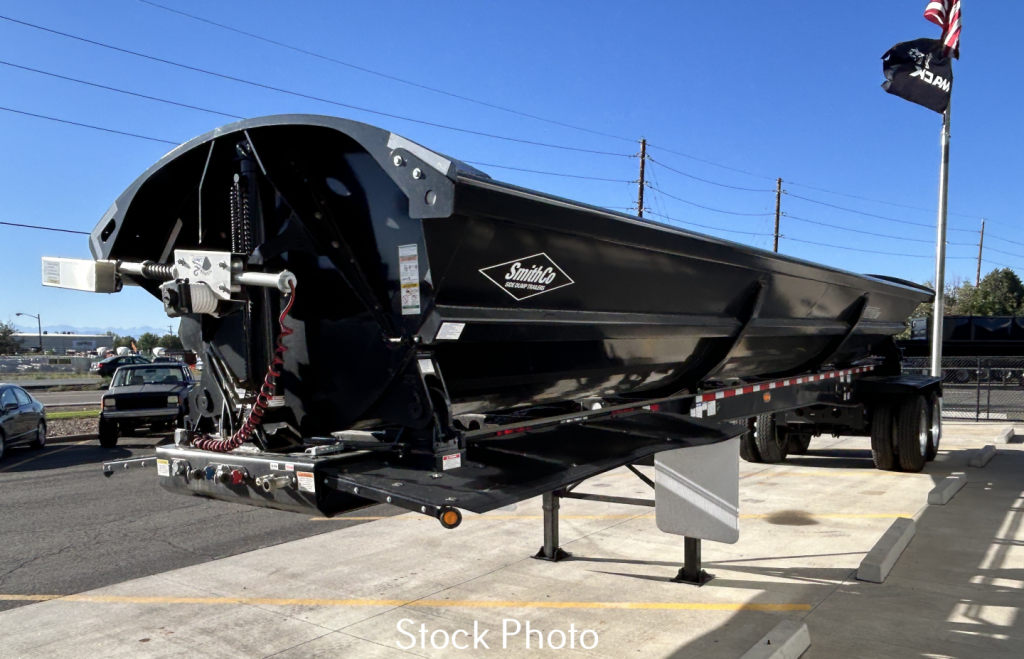
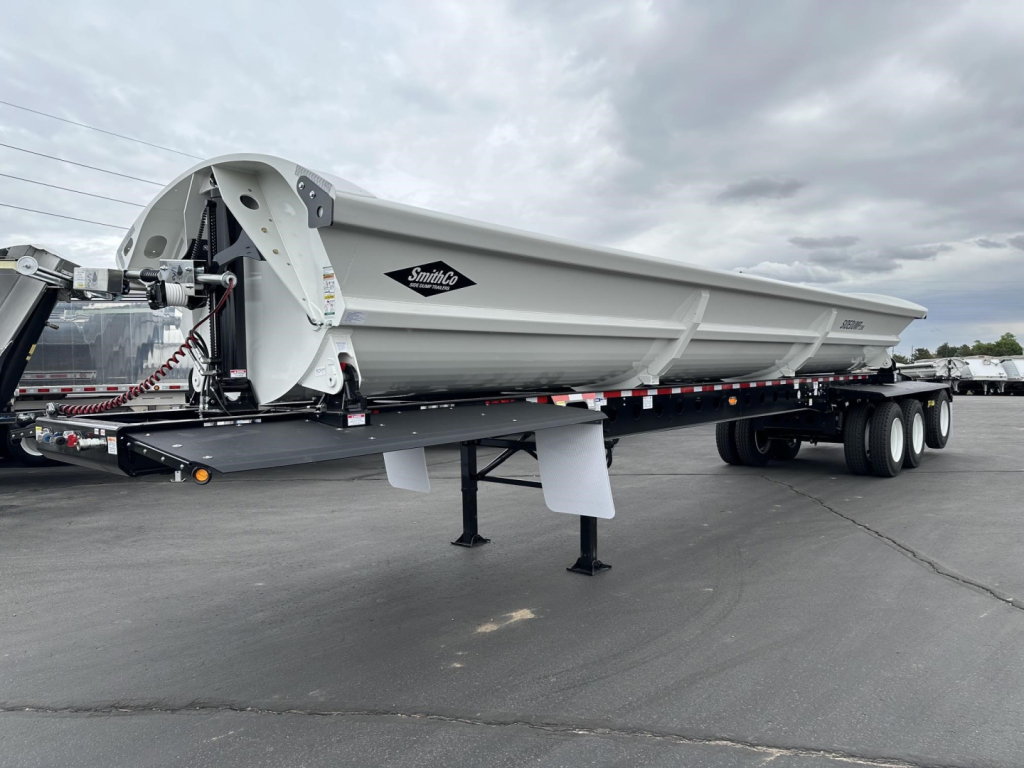
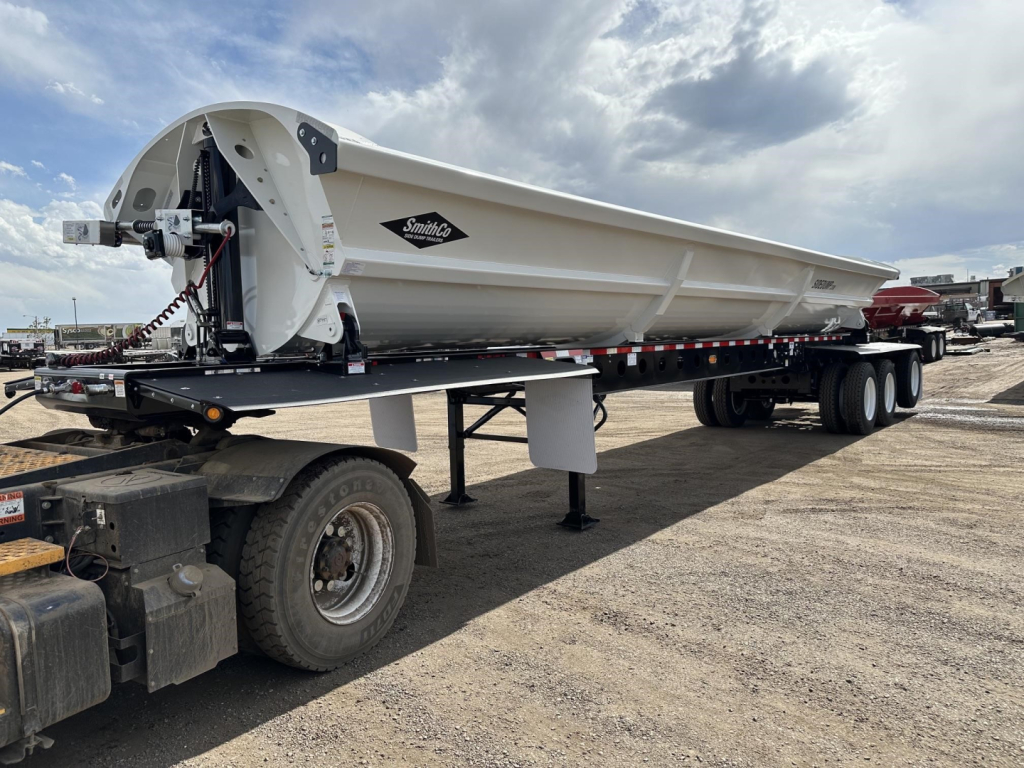
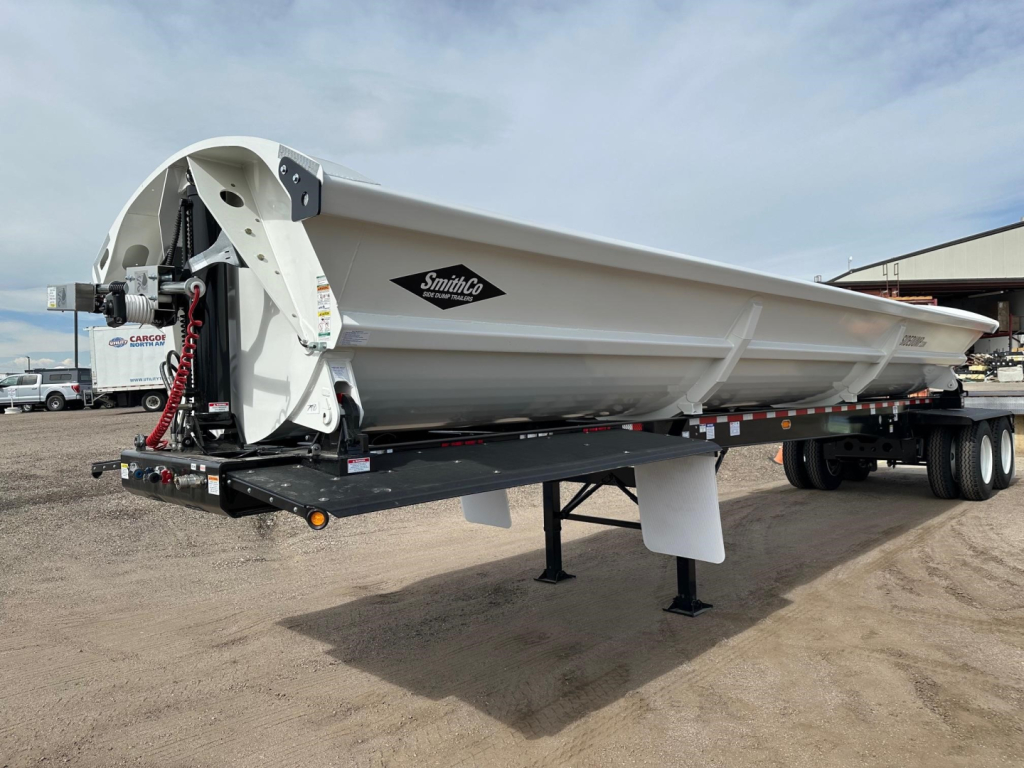
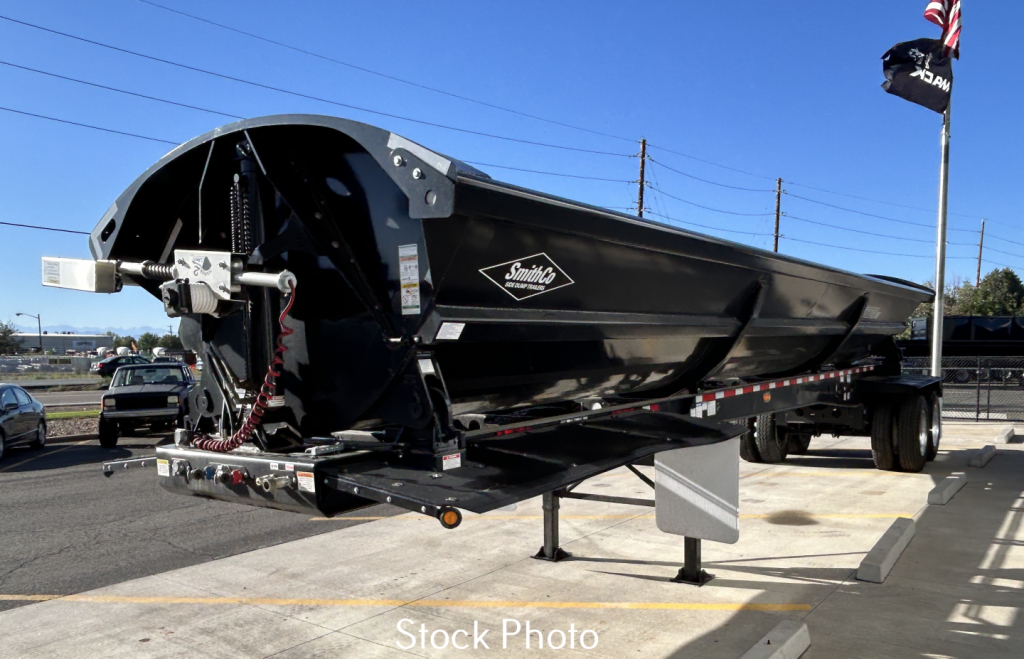
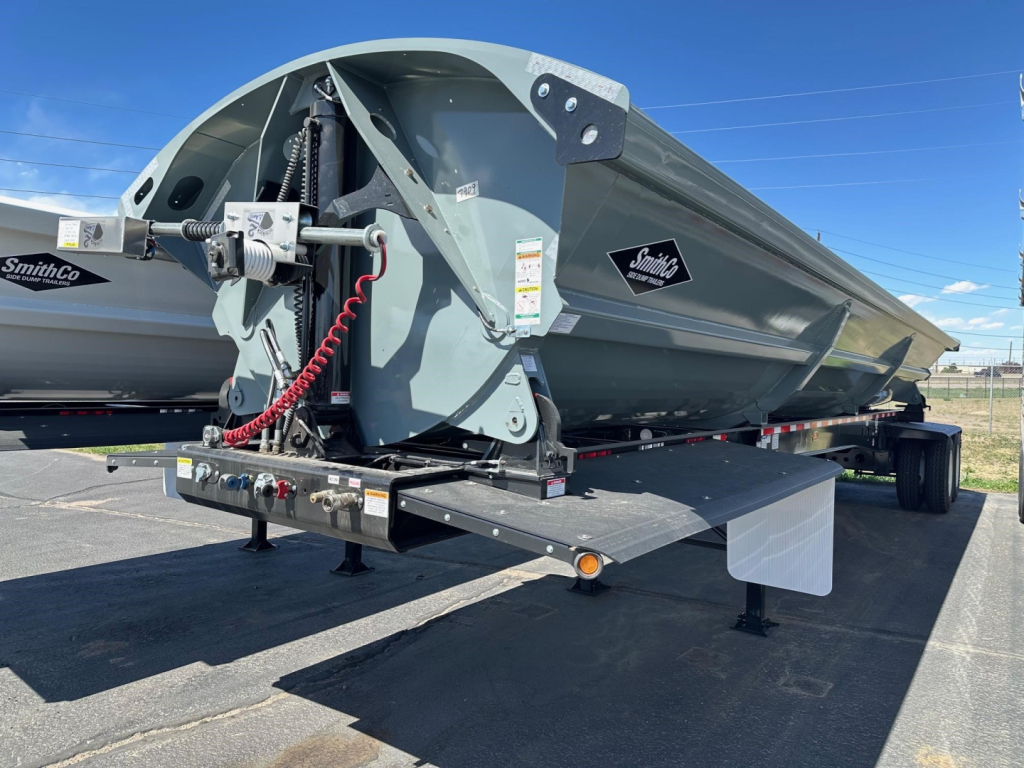
Selling a smithco trailer? List your smithco trailer for sale and reach thousands of commercial buyers.
Smithco Trailers in Colorado
One of the first decisions is tub construction and capacity. Many Smithco trailers use heavy steel tubs, including abrasion-resistant materials such as AR450 in rock-duty applications. That matters if the trailer will spend its life on blasted rock, recycled concrete, or other high-wear material. Buyers should compare tub length, side height, dry volume, cylinder size, and overall GVWR with the actual material being hauled. A trailer set up for sand or millings may be very different from one spec'd for shot rock. Tandem axle layouts are common, and air ride suspension is often selected for better road manners and reduced shock transfer, while axle spacing and closed tandem configurations can affect bridge compliance, tire wear, and jobsite maneuverability.
Spec details make a real difference in daily productivity. Common items on Smithco trailers include electric rollover tarps, dump valves, heavy-duty push blocks, two-speed landing gear, fenders, and mechanical scale systems. Tire size, wheel material, and suspension choice all affect service life and operating cost. Buyers in mountain states should pay attention to brake condition, suspension integrity, and cylinder performance because repeated elevation changes and rough haul roads expose weak points quickly. If the trailer will work with paving crews or transfer operations, tarp lockout systems, clean hydraulic function, and consistent gate sealing become more important. For fleets running long days, ease of maintenance and parts support should carry as much weight as purchase price.
Smithco trailers appeal to contractors and bulk haulers who need a purpose-built vocational trailer rather than a general freight platform. Also known in many fleets simply as side dump trailers when discussing Smithco's core product line, these units are chosen for fast unload cycles and strong site versatility. The right trailer depends on material density, haul distance, legal weight targets, and the terrain it sees every day. A well-matched Smithco spec can improve turnaround time, reduce spill risk during unloading, and hold up better under abrasive loads than a lighter general-purpose configuration.
Frequently Asked Questions about Smithco Trailers in Colorado
What are Smithco trailers best known for?
Smithco trailers are best known for side dump trailer applications in aggregate, construction, road work, and other heavy vocational hauling. Their reputation is tied to stable unloading, durable tub construction, and practical worksite performance. Buyers usually consider Smithco when they need to move rock, dirt, millings, demolition material, or similar bulk commodities efficiently and with better control than an end dump can offer in certain conditions.
Why choose a Smithco side dump trailer instead of an end dump?
A Smithco side dump trailer can offer better unloading stability on uneven ground and in tighter work areas because the load is discharged to the side with a lower center of gravity during the dump cycle. That can reduce rollover risk in off-camber conditions compared with an end dump, especially on active construction sites. The tradeoff is that the trailer must have enough side clearance to unload, and the exact advantage depends on terrain, material type, and driver experience.
What specs matter most when comparing Smithco trailers?
The most important specs are tub material, trailer length, dry volume, axle configuration, suspension type, cylinder size, tire size, and GVWR. Buyers should also look closely at abrasion-resistant steel options, tarp systems, mechanical scales, landing gear, push blocks, and overall frame condition. The right combination depends on what material is hauled, how dense it is, how far the route runs, and whether the trailer spends more time on highway miles or rough jobsites.
Are Smithco trailers a good fit for Colorado hauling?
Smithco trailers are often a strong fit for Colorado because many hauling operations in the state involve aggregate, excavation, paving, and mountain-region road work. Those applications demand stable unloading, durable steel construction, and dependable suspension and brake performance on grades and uneven surfaces. Buyers should still verify axle spacing, weight distribution, and suspension setup against their routes and local legal requirements, because payload strategy in Colorado can vary by commodity and operating area.
What maintenance areas should buyers inspect on a used Smithco trailer?
Key inspection points include the tub floor and sidewalls for wear, cracking, or patchwork, the hoist cylinders and hydraulic plumbing for leaks or slow operation, suspension components, axle alignment, brake condition, tires, and wheel ends. Buyers should also inspect tarp hardware, landing gear, frame rails, crossmembers, hinge areas, and any push block or hitch-related reinforcement. On side dumps, smooth and even dump action is critical, so structural integrity around the pivot and cylinder mounting points deserves close attention.