
Smithco Dump Trailers For Sale in Colorado
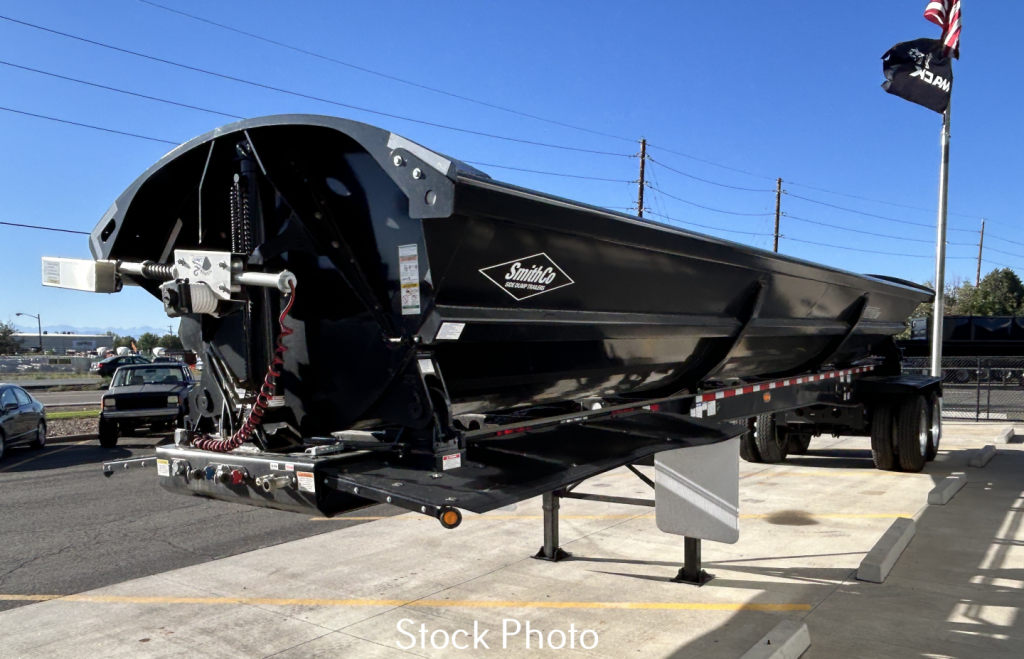
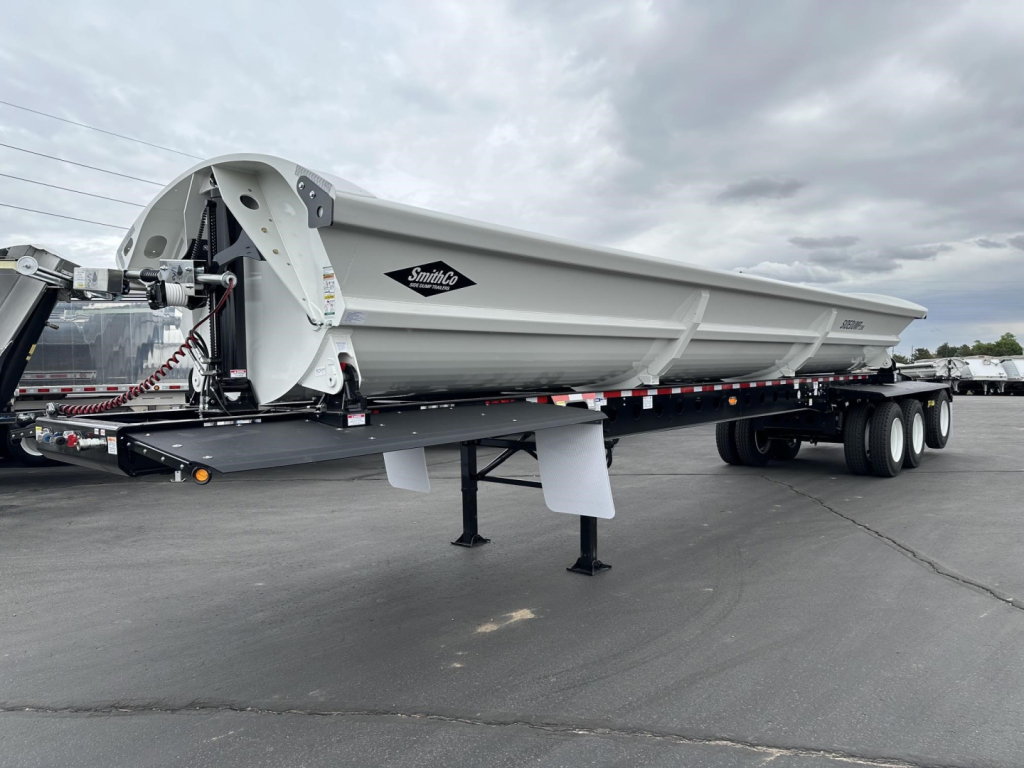
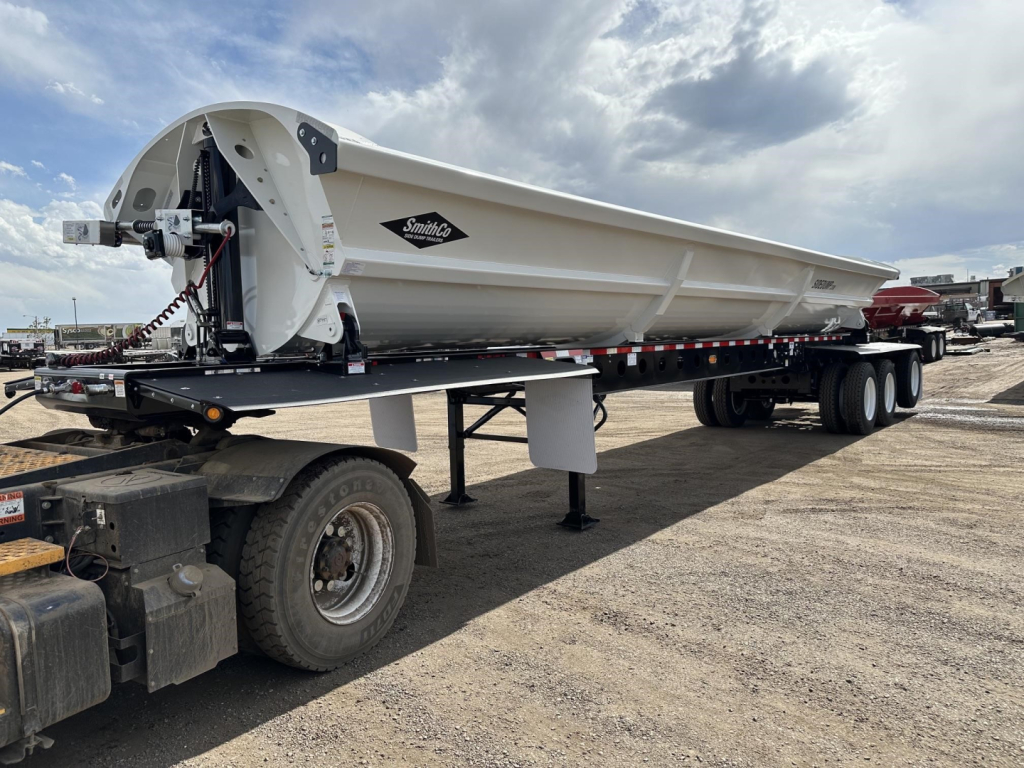
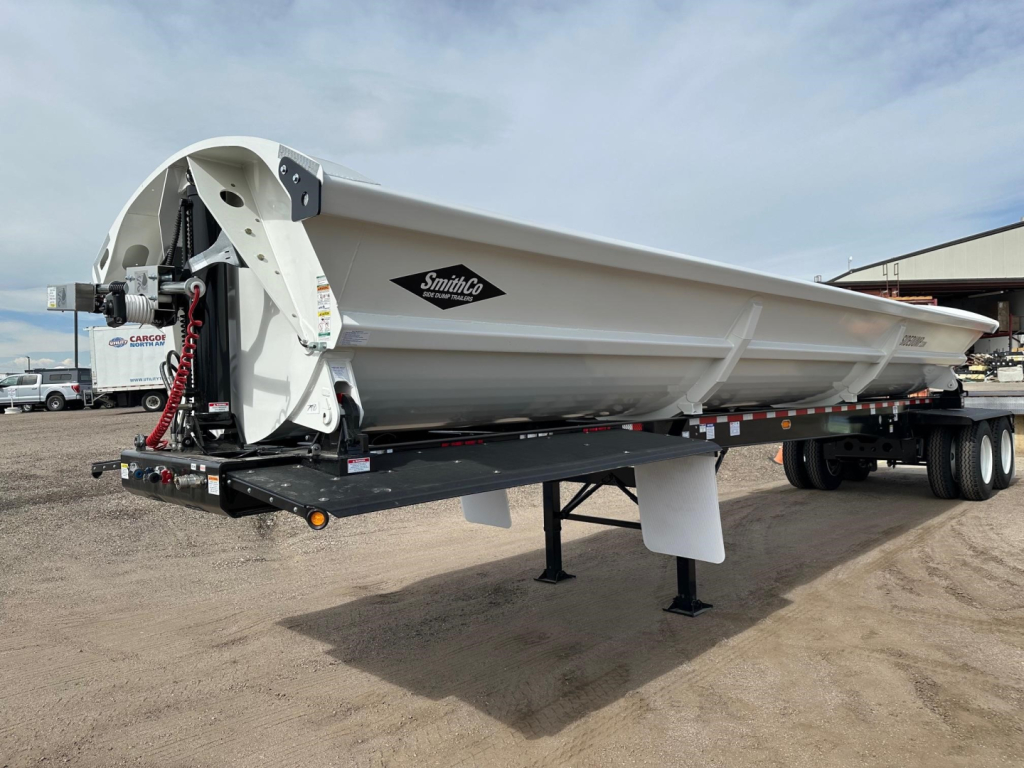
Browse Smithco dump trailers for sale, including side dump configurations built for aggregate, road work, heavy haul support, and site production.
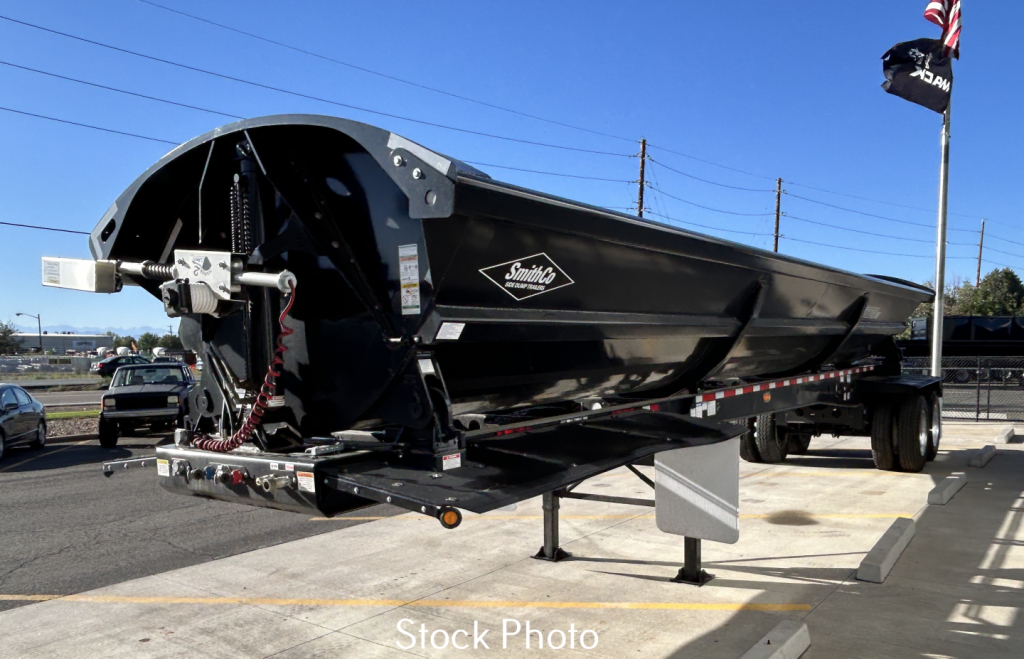
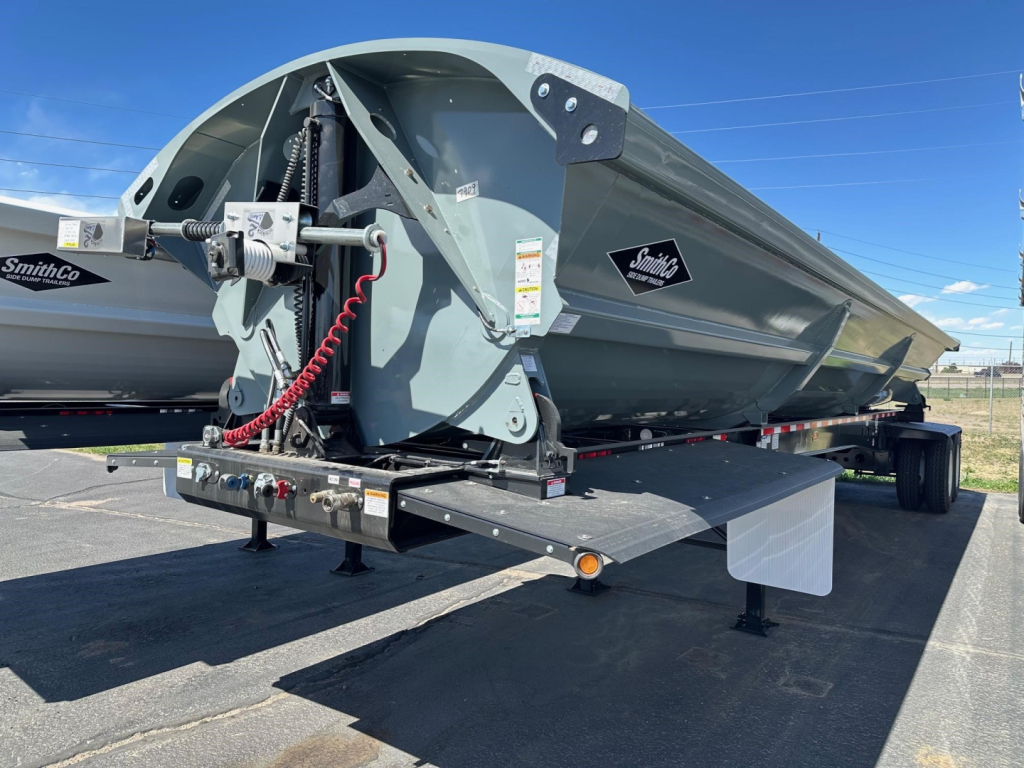
Selling a smithco dump trailer? List your smithco dump trailer for sale and reach thousands of commercial buyers.
Smithco Dump Trailers in Colorado
A buyer should pay close attention to tub construction, cylinder size, suspension, and axle layout. Smithco side dumps are commonly spec'd with heavy steel tubs such as AR450 for abrasive material, tandem axle setups, and air ride suspension for better control on rough roads and improved load protection. Details like closed tandem spacing, heavy-duty push blocks, front and rear fenders, 2-speed landing gear, and dump valves all affect how the trailer performs in daily production. Tarp systems are also important, especially for Colorado highway compliance and weather exposure. An electric rollover tarp with a lockout switch helps keep loads covered and simplifies repeated loading cycles.
Capacity and material type should drive the spec more than the badge on the nose. Rock tubs and heavy-wall cylinders make sense for quarry rock and demo debris, but they also add tare weight, so a lighter aggregate or dirt application may call for a different balance. Tire size, wheel choice, and brake spec matter if the trailer will split time between pavement and haul roads. Mechanical scales are another useful option for operators trying to avoid overloads without relying entirely on loader judgment. If the trailer will work with multiple tractors, confirm ride height compatibility, air and electrical hookups, and how the kingpin setting matches your fleet.
Used-condition buyers should inspect hinge points, tub floors, crossmembers, cylinder mounts, and any signs of twist from uneven dumping. On side dumps, the suspension, frame alignment, and gate sealing surfaces deserve extra attention because they directly affect unloading consistency and roadability. A clean-looking paint job means very little if the tub has been repeatedly overloaded or the running gear has seen hard off-road miles. The better Smithco dump trailer is the one spec'd for your material, your route, and your unloading conditions, not simply the one with the highest advertised capacity.
Frequently Asked Questions about Smithco Dump Trailers in Colorado
What are Smithco dump trailers best known for?
Smithco dump trailers are best known for heavy-duty side dump designs used in aggregate, road building, quarry, and construction applications. Side dumps unload quickly and can be a safer choice than end dumps when working on uneven ground, narrow shoulders, or areas where overhead clearance is limited. Smithco trailers are commonly spec'd with rock tubs, heavy cylinders, air ride suspension, and jobsite-oriented options that support high-cycle material hauling.
Is a Smithco side dump better than an end dump for Colorado hauling?
It depends on the material, terrain, and dump site conditions, but side dumps are often a strong fit for Colorado work. They perform well in road construction, shoulder work, and aggregate hauling where wind, uneven ground, and off-road dumping can increase rollover concerns for end dumps. An end dump may still be preferred for certain stockpile or transfer applications, but a side dump usually gives better stability during discharge and faster unloading in many field conditions.
What specs matter most when comparing Smithco dump trailers?
The key specs are tub material, trailer length, axle configuration, suspension type, cylinder size, tarp system, and tare weight. AR450 or similar wear-resistant steel is valuable for rock and abrasive material. Air ride suspension can improve control and ride quality, while axle spacing and tire size affect legal payload and durability. Buyers should also look at landing gear, dump controls, scale options, push blocks, and overall compatibility with the tractor they plan to run.
What should I inspect on a used Smithco dump trailer?
Focus on structural and hydraulic wear first. Check the tub floor, sidewalls, crossmembers, hinge assemblies, cylinder pins, mounts, frame rails, and suspension components for cracks, distortion, and weld repairs. Look for uneven tire wear, alignment issues, leaking hydraulics, and gate sealing problems. On any side dump, signs of twist or repeated off-level dumping are more important than cosmetic appearance because they can point to expensive structural repairs later.
Are mechanical scales useful on a dump trailer?
Yes, mechanical scales can be very useful for bulk hauling because they help estimate payload before the truck reaches the public scale. That can reduce overload risk, improve loading consistency, and save time on repetitive hauling routes. They are especially helpful in aggregate and road material work where loader operators are trying to hit target weights quickly, though buyers should still verify actual legal weights on a certified scale when required.